Breakfast & Brunch
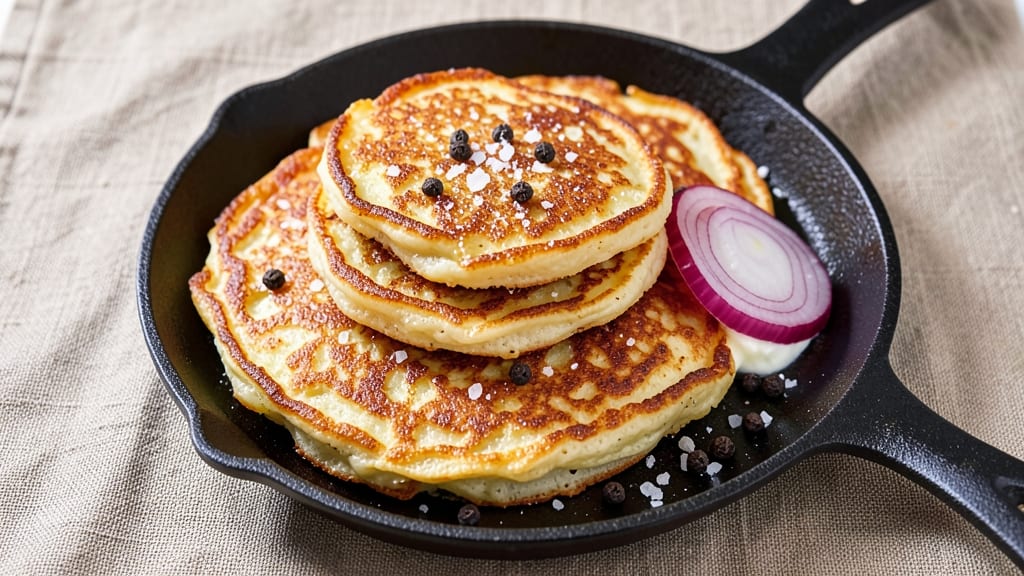
Martha Stewart’s potato pancake recipe delivers the perfect balance of golden crispy edges and fluffy hearts—a technique refined over years of testing. The secret lies in properly grating potatoes, draining excess moisture, and frying in batches for even cooking.
I’ve made these countless times, and this method never fails to impress, whether served for brunch or as a comforting side dish.
What sets these apart is the foolproof method for achieving restaurant-quality texture at home. By mixing grated potatoes with egg, flour, and onions, then letting the batter rest, you create a structure that holds up beautifully during frying.
The key? Using a well-seasoned pan and medium heat to develop that signature crispiness without burning.
Once cooked, these pancakes are irresistible—crisp along the edges, tender in the center, and ready to be paired with applesauce, sour cream, or fresh chives. The aroma alone will have everyone gathering around the table, and the first bite delivers that satisfying contrast of textures.
This is comfort food at its finest.
Perfect for weekend brunches or as a hearty side, these pancakes reheat beautifully too. Let’s get started on creating your own batch—your taste buds will thank you.
Ingredients for martha stewart potato pancake
Cold potatoes, fresh eggs, and a touch of onion create Martha's signature golden pancakes.
| Ingredient | Amount | Notes |
|---|---|---|
| Russet Potatoes 🥔 | 2 ½ lbs | Cold, peeled, uniformly grated |
| Large Eggs 🥚 | 1 whole | Room temperature, beaten |
| All-Purpose Flour 🌾 | ½ cup | Lightly sifted, unsifted |
| Yellow Onion 🧅 | 1 medium | Finely grated, not chopped |
| Diamond Crystal Kosher Salt 🧂 | 1 tsp | Coarse grain preferred |
| Freshly Ground Black Pepper 🌶️ | ½ tsp | Freshly cracked preferred |
| Vegetable Oil 🫒 | 2 cups | High smoke point, neutral flavor |
| Unsalted Butter 🧈 | ¼ cup | Cold, cubed for frying |
| Fresh Chives 🌿 | ¼ cup | Finely chopped, for garnish |
| Lemon Juice 🍋 | 1 tbsp | Freshly squeezed, optional |
| Sour Cream 🥛 | ¼ cup | Full-fat, for serving |
| Applesauce 🍎 | ½ cup | Unsweetened, for serving |
The potatoes are non-negotiable—Russets yield the fluffiest texture when grated fine. Cold potatoes release less moisture, ensuring crispy edges. Whole Foods Market or Trader Joe's carry these year-round, but any grocery store will have them in the fall. For grating, a box grater with medium holes works best—food processor grates release too much starch. The onion should be finely grated, not chopped, to distribute flavor evenly. Pro tip: Drain the grated potatoes in a clean kitchen towel for 10 minutes to remove excess moisture—this is what prevents soggy pancakes.
No Russets? Yukon Golds work in a pinch, but they’re waxier and may yield slightly denser pancakes. Substituting flour? Almond flour at half the amount adds richness but reduces crispiness. For dairy-free, replace the egg with 1 flax egg (1 tbsp ground flax + 3 tbsp water), but expect a slightly denser texture. The vegetable oil must have a high smoke point—avocado oil or grapeseed oil are ideal. Butter adds flavor but lowers smoke point—use it only for frying, not cooking. Fresh chives can be swapped for green onions if needed, but chives provide a more delicate anise note that complements the pancakes perfectly.
Grated potatoes keep in the fridge for 3 days if stored in an airtight container with a paper towel to absorb moisture. The batter should rest for 15 minutes before frying—this allows the starches to hydrate and creates a better structure. Pancakes reheat beautifully in a 350°F oven for 10 minutes to restore crispiness. For meal prep, store cooked pancakes between layers of parchment paper to prevent sticking. They freeze well for up to 3 months—reheat directly from frozen in a skillet for best results.
Why You'll Love This Recipe
- No Chopping Skills Needed: I swear by this recipe because it only asks for one onion—diced, sure, but nothing fancy. Grate the potatoes, mix in the flour and egg, and you’re done. Even my toddler could handle the prep (though I’d supervise).
- Crispy-Outside, Creamy-Inside Magic: That golden crust? Pure reward for letting them fry just right. The Russets soak up the egg batter perfectly, and the kosher salt finishes them with a bright, satisfying crunch—like a hug in pancake form.
- Breakfast, Brunch, or Snack: Serve them with applesauce for a kid-friendly breakfast, top with smoked salmon for a fancy brunch, or just eat them plain with sour cream for a 10-minute dinner. They’re that adaptable.
- Cheap and Reusable: A bag of Russets and a few eggs stretch into meals for days. Leftovers reheat beautifully (pan or air fryer, no judgment), and the recipe costs less than takeout. My wallet and I both approve.
Step-by-step instructions for Martha Stewart's potato pancake recipe
Master these precise techniques for perfectly golden pancakes every time.
Prepare the Potato and Onion Base
Place the 2.5 lbs of cold, peeled russet potatoes through the large holes of a box grater, working in batches if needed. Transfer the grated potatoes to a clean kitchen towel and squeeze out all excess moisture by twisting and wringing the towel. This step is critical—wet potatoes will make your pancakes soggy instead of crispy.
In a large mixing bowl, combine the grated potatoes with the 1 medium finely grated yellow onion. Sprinkle evenly with the 1 tsp diamond crystal kosher salt and 0.5 tsp freshly ground black pepper. Use your hands to gently mix everything together, being careful not to compress the mixture too much. The texture should resemble wet sand with visible potato strands.
Bind the Mixture with Egg and Flour
In a separate bowl, lightly beat the 1 whole room temperature large egg until the whites and yolks are fully combined. Add the 0.5 cup lightly sifted all-purpose flour and mix until just incorporated. Pour this egg-flour mixture over the potato-onion combination and fold gently with a rubber spatula.
Here's the thing—don't overmix. You're looking for a batter that holds together when pressed but still has visible potato texture. The pancakes will develop their signature fluffy interior from this proper binding without becoming dense. If the mixture seems too wet, add 1 tablespoon more flour, but only if absolutely necessary.
Chill and Shape the Pancakes
Cover the mixing bowl with plastic wrap and refrigerate for at least 30 minutes. This chilling step firms up the mixture, making it easier to handle and preventing the pancakes from spreading too much in the pan. I've found that 1 hour of chilling gives even better results, especially in warm kitchens.
After chilling, remove the mixture and divide it into 8 equal portions. Using your hands, shape each portion into a 3-inch diameter patty, about ½-inch thick. Press gently but firmly—you want them to hold their shape when transferred to the pan. Place the shaped pancakes on a plate and cover with a clean kitchen towel to prevent drying.
Fry in Hot Oil for Perfect Crisp
Heat 1 cup of vegetable oil in a large skillet over medium-high heat until it reaches 350°F on an instant-read thermometer. You'll know it's ready when a small piece of batter sizzles vigorously when dropped in. Add 4 pancakes to the skillet, spacing them about 1 inch apart—they'll expand slightly as they cook.
Cook for 4-5 minutes per side until golden brown with deep crispy edges. The key is patience here—don't rush the cooking or the pancakes will be pale inside. You want to see those edges develop a rich amber color and hear a satisfying sizzle. Flip carefully using a thin spatula, and if they stick slightly, that's normal—just press down gently to release them.
Complete the Cooking and Serve Warm
Transfer the cooked pancakes to a paper towel-lined plate to drain excess oil. Repeat the frying process with the remaining 4 pancakes, maintaining the same oil temperature for consistent results. Keep the finished pancakes warm in a 200°F oven while you complete the batch.
For serving, melt the 0.25 cup unsalted butter in a small saucepan over low heat. Stir in the 0.5 cup unsweetened applesauce and 1 tbsp freshly squeezed lemon juice, warming through for about 1 minute. Drizzle this mixture over the pancakes and garnish with the 0.25 cup finely chopped fresh chives. Serve immediately with the 0.25 cup full-fat sour cream on the side for dipping.
Pro Tips For Making Martha Stewart Potato Pancake
- GRATE DRY, THEN SQUEEZE: Russets hold more moisture than you’d expect—after grating, spread them on a kitchen towel and press hard with another towel for 10 minutes. I learned this the hard way when my first batch turned out gummy; Martha’s recipe relies on crispiness, not glue.
- SALT THE ONION FIRST: Finely dice the onion, then toss it with ½ teaspoon kosher salt and let it sit for 15 minutes before mixing with the potato. This draws out moisture and keeps your pancakes from turning soggy—trust me, your future self will notice the difference.
- USE A CAST-IRON SKILLET: Nonstick pans work, but cast iron gives you that golden crust Martha’s recipe promises. Heat it until it’s smoking hot before adding oil, then turn the heat down to medium—too high, and you’ll burn the outside before the center cooks.
- REST THE BATTER 10 MINUTES: After mixing everything, let the batter sit while you heat the pan. The flour absorbs liquid, and the potatoes release starch, which makes the pancakes crispier. I skip this when I’m lazy, and the result is noticeably less satisfying.
Wine and beer pairings for this dish
Crispy Pairings
Potato pancakes pair beautifully with dry Riesling—its bright acidity cuts through the richness while complementing the crispy edges. I recommend a German Kabinett or Alsace Riesling, both of which have enough body to stand up to the pancakes' texture.
The slight sweetness in these wines balances the savory notes perfectly, making every bite feel like a luxurious brunch experience. 🍷
Creamy Complements
For a richer pairing, try Chardonnay with noticeable oak influence. A California Sonoma Coast or Burgundy Chablis brings buttery notes that harmonize with the pancakes' golden crust.
The slight mineral undertones in Chablis also elevate the dish's earthy potato flavors. Serve slightly chilled for the best contrast against the warm pancakes.
Beer Options
A Belgian Witbier like Hoegaarden or Stella Artois offers a refreshing alternative with its citrusy coriander notes and effervescence. The light body and subtle spice cleanse your palate between crispy bites.
For something heartier, a German Helles Lager—like Weihenstephaner Original—provides a malty backbone that stands up to the pancakes' richness without overpowering them. 🍺
Sweet Contrasts
Don't overlook Moscato d'Asti for a dessert-like pairing. Its light sweetness and effervescence mirror the applesauce topping while adding a festive touch. The bubbles also help cut through the oiliness of the pancakes. Serve this slightly chilled in small glasses to maintain its delicate carbonation throughout the meal.
Coffee Pairings
For a morning-friendly pairing, try a medium-roast coffee with vanilla or caramel notes—these flavors complement the pancakes' natural sweetness. A lightly sweetened latte with a splash of oat milk adds creaminess that mirrors the sour cream topping.
The caffeine kick also helps balance the dish's richness, making it perfect for a brunch spread. ☕
Unexpected Twists
For adventurous drinkers, a sparkling rosé with strawberry or raspberry undertones creates a surprising yet delightful contrast. The tartness of the rosé enhances the pancakes' savory flavors while the fruitiness adds a playful dimension. This pairing works especially well when served with the lemon-applesauce drizzle for a refreshing finish. 💫
Nutrition facts
Frequently asked questions
Why do Martha Stewart's potato pancakes need to chill before frying?
The 30-minute chill firms up the batter so it holds its shape better in the pan. This prevents spreading and ensures those signature crispy edges. Cold potatoes also release less moisture, which means less sogginess in your finished pancakes.
Can I use sweet potatoes instead of russets?
Sweet potatoes will work, but the texture changes dramatically. They're denser and less fluffy inside. For the classic Martha Stewart version, stick with russets—they're the secret to that perfect golden crispy edge and tender center. If you must substitute, try Yukon Golds for a slightly sweeter flavor.
How do I fix pancakes that stick to the pan?
First, make sure your oil is at 350°F—too cool oil causes sticking. If they're already in the pan, don't force them out. Press gently with a spatula to release, or let them cook longer on that side. For future batches, use a well-seasoned cast-iron skillet or nonstick with a high smoke point.
What's the best way to reheat leftover potato pancakes?
For crispy results, reheat in a 350°F oven for 10-12 minutes on a wire rack over a baking sheet. For a quick fix, use a skillet with 1 tablespoon butter over medium heat for 2-3 minutes per side. Avoid microwaving—they'll turn rubbery.
Can I make these pancakes ahead of time?
Shape the pancakes and refrigerate them (uncooked) for up to 24 hours. Cook them straight from the fridge—they'll be even crispier. For storage, keep cooked pancakes between parchment paper in an airtight container for 3 days, or freeze for 3 months. Reheat using the oven method above.