Side Dishes
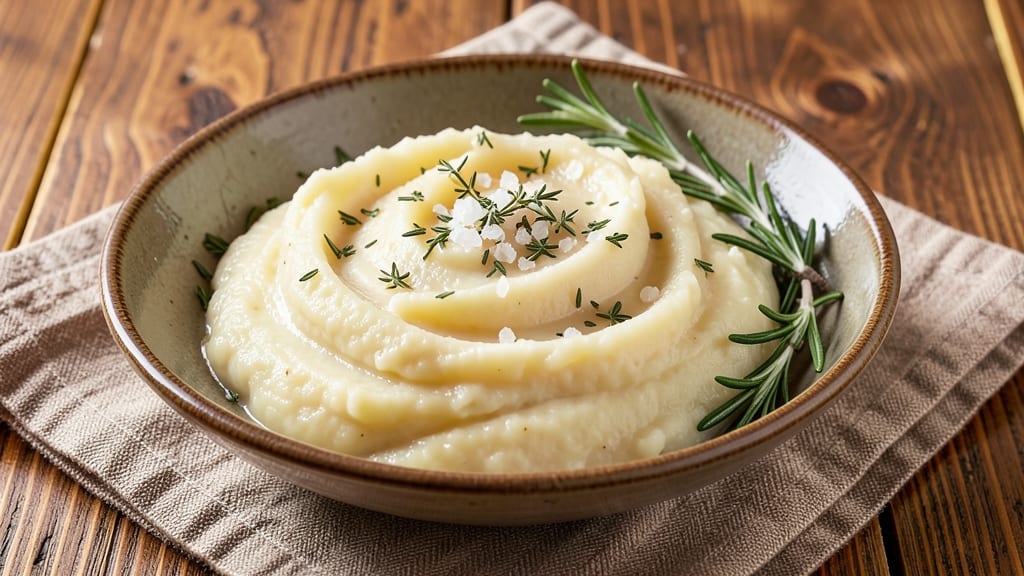
This traditional mashed potato recipe delivers the velvety, buttery perfection that turns ordinary meals into something special—every time. The secret lies in using the right potatoes, boiling them just until tender, and then mashing them while still warm with rich butter and warm milk. I’ve perfected this method over years of holiday dinners and family gatherings, where the reaction to these mashed potatoes is always the same: "This is how they should taste."
What sets these apart from store-bought or overly light versions is the balance of texture and flavor. You’ll need just four core ingredients—potatoes, butter, milk, and salt—but the technique makes all the difference.
The potatoes should be fork-tender but not falling apart, and the butter and milk should be warmed to create a silky, creamy finish. Adding a touch of fresh herbs like thyme or rosemary elevates them from side dish to star attraction.
The result is a bowl of mashed potatoes with a luxurious, almost custard-like consistency that clings to the fork. The flavor is rich, buttery, and subtly herby, with just enough salt to enhance every bite.
These aren’t just mashed potatoes—they’re the kind that make people pause mid-bite and sigh in satisfaction. Perfect for Thanksgiving, Christmas, or any meal where you want to impress without fuss.
Once you master this method, you’ll never go back to instant or canned versions. The process is simple, but the outcome is restaurant-quality comfort food that feels like a hug on a plate. Ready to elevate your side dishes? Let’s get started.
Ingredients for traditional mashed potato
Four core ingredients plus a couple of herb twists for that restaurant-quality touch.
| Ingredient | Amount | Notes |
|---|---|---|
| Russet Potatoes 🥔 | 3 lb | Medium-sized, peeled and quartered |
| Unsalted Butter 🧈 | 1 cup | Cold, cut into small pieces |
| Whole Milk 🥛 | 1 cup | Warmed, not boiling |
| Fresh Thyme Leaves 🌿 | ¼ cup | Finely chopped, stems removed |
| Fresh Rosemary Sprigs 🌿 | 2 whole | Needles only, finely chopped |
| Coarse Sea Salt 🧂 | 1 ½ tsp | Adjust to taste |
| Heavy Cream 🥛 | ¼ cup | Optional, for extra creaminess |
Russet potatoes are non-negotiable here—they’re the starchy workhorses that give you that classic fluffy texture. Buy them fresh (not those pre-sprouted ones sitting in the light) and store them in a cool, dark place until ready to use. I always grab mine from Whole Foods or the organic section at Kroger—they hold up better. Peeled and quartered, they cook faster, but leave the skin on if you’re in a rush (just scrub them well). The butter? European-style if you can find it—it’s sweeter and richer, but regular unsalted works too. Just don’t use salted, or you’ll end up with over-salted mash.
No fresh thyme or rosemary? Dried works at half the amount, but honestly, fresh makes all the difference. The herbs add that subtle earthy depth that turns good mashed potatoes into great ones. Short on butter? Greek yogurt or sour cream can replace half the butter for a lighter version (though it’ll be tangier). Want extra creaminess? Heavy cream or half-and-half blends in beautifully—just warm it first. And if you’re feeling fancy, a splash of garlic-infused olive oil in the butter adds a whole new layer of flavor. The milk should be warm but not hot—just enough to melt the butter smoothly.
These keep beautifully for 3-4 days in the fridge, but they’re best fresh. Reheat gently with a splash of milk to restore that creamy texture. For holiday leftovers, I like to portion them into small containers—perfect for reheating single servings. Freezing? Not ideal, but if you must, add a bit of extra butter when reheating to compensate for dryness. And pro tip: if your mash looks too thick after mashing, just fold in a bit more warm milk. It’s all about balance.
Why You'll Love This Recipe
- Five-Ingredient Magic: I swear by this lineup—Russets for fluff, butter for richness, and just a whisper of thyme and rosemary to keep it bright. No weird gadgets, no overcomplicating it.
- Creamy Without Clumps: Between us, I’ve burned more potatoes than I’ll admit trying to get that perfect texture. But boiling them whole, then mashing with warm milk and butter? Smooth every time. That’s the secret.
- Holiday or Tuesday Night: Same recipe, different vibes. Serve it with roast chicken for Thanksgiving, or slather it on a grilled cheese when you’re craving nostalgia. It’s the chameleon of sides.
- Leftovers That Don’t Suck: Most mashed potatoes turn gluey by day two. Not these—store them in the fridge, reheat with a splash of milk, and they’re still pillowy. Budget win, too, since potatoes and herbs stretch far.
Step-by-step instructions for traditional mashed potatoes
Here's how to make the creamiest, most flavorful mashed potatoes you've ever tasted—no shortcuts, just pure tradition.
Prepare and Boil the Potatoes
Start by peeling the 3 lb russet potatoes and cutting them into even quarters. I like to keep them a bit irregular—it helps them cook more uniformly. Place them in a large pot and cover with cold water by about 2 inches. Add the 1.5 tsp coarse sea salt right away; salting the water first ensures even seasoning throughout.
Bring the water to a rolling boil over high heat, then reduce to a steady simmer. The potatoes are done when they're fork-tender with no resistance—this usually takes about 15-20 minutes. I test by piercing the largest piece with a fork. If it slides in easily and the edges are slightly translucent, they're ready. Drain them immediately and return to the pot.
Infuse the Potatoes with Herbs and Butter
While the potatoes are still hot, add the cold 1 cup unsalted butter cut into small pieces. This is where the magic happens—the butter melts into the warm potatoes, creating the perfect creamy base. I like to use a potato masher for this step because it breaks up the potatoes while keeping some texture, but a ricer works too if you prefer ultra-smooth results.
Next, stir in the 0.25 cup finely chopped fresh thyme leaves and the needles from the 2 whole fresh rosemary sprigs. The herbs should be finely chopped so they distribute evenly. Don't skip this step—it's what gives these mashed potatoes that rustic, aromatic depth that sets them apart from basic recipes. Mash until the potatoes are mostly smooth but still have a few lumps.
Warm the Milk and Cream
In a small saucepan, gently warm the 1 cup whole milk and the optional 0.25 cup heavy cream together over low heat until just steaming—never boiling. This helps the dairy blend seamlessly with the potatoes without creating lumps. Keep the mixture warm while you finish mashing the potatoes.
Here's the thing—traditional recipes don't use hot milk straight from the pot. Warm it just enough to take the chill off, but not so hot that it cooks the potatoes further. You're aiming for a temperature where the milk feels comfortable to touch but still has a slight warmth to it.
Combine and Adjust Consistency
Gradually add the warmed milk (and cream if using) to the mashed potatoes, mixing well after each addition. Start with about ½ cup at a time and adjust as needed. You want the mixture to be smooth but still have some body—think velvety rather than soupy. If it's too thick, add more warm milk; if too thin, let it sit for a minute and the starch will thicken it naturally.
Taste and adjust the seasoning with more coarse sea salt if needed. Traditional mashed potatoes should be rich but not overly salty. For that final touch, I like to press the potatoes through a fine-mesh sieve to achieve that signature silky texture. This step is optional but makes a noticeable difference in the final presentation.
Serve Immediately for Maximum Creaminess
Transfer the mashed potatoes to a serving bowl and give them one final stir. The key to serving traditional mashed potatoes is timing—they're best eaten immediately while still warm. The longer they sit, the more they can dry out or develop a skin. If you need to hold them for a few minutes, cover the bowl with a lid or plastic wrap to keep them warm.
Garnish with a sprinkle of fresh thyme and rosemary if you like, but honestly, the real flavor is already there. These potatoes should be rich, creamy, and infused with those fresh herbs in every bite. Serve them alongside your favorite roasted meats or as a comforting side dish on their own.
Pro Tips For Making Traditional Mashed Potato
- BOIL THEM WHOLE: Peel and cut Russets into 2-inch chunks—no need to slice thin. Boiling whole chunks keeps starch contained, so your mash stays smooth instead of gluey. I learned this the hard way after making a lumpy mess from over-chopped potatoes.
- SALT THE WATER LIKE THE SEA: Toss in 1½ tablespoons of salt per gallon of water before the potatoes even hit the pot. Russets need that initial salt bath to develop flavor deep in the flesh—not just on the surface. (Yes, even if you’re using unsalted butter later.)
- DON’T RUSH THE DRAIN: Let the boiled potatoes sit in the colander for 30 seconds after draining. This lets excess water drip out without losing steam, so you’re not fighting moisture when you mash. I used to skip this and always ended up with soggy results.
- USE HOT MILK AND BUTTER: Warm the milk and butter together in a small saucepan until just steaming—about 2 minutes. Adding them hot melts the butter faster and blends seamlessly into the potatoes, giving you a silkier texture with half the effort. (No more lumps.)
Make-ahead tips for this recipe
Prep Ahead Basics
Peel and quarter your 3 lb russet potatoes up to 24 hours ahead and store them in a bowl of cold water in the fridge. This prevents browning and keeps them fresh.
Drain and pat dry just before boiling to ensure even cooking. I always do this the night before holiday meals—it saves time and stress on the big day. 📅
Boil Early, Mash Fresh
Boil the potatoes up to 8 hours ahead and store them in a sealed container in the fridge. When ready to mash, drain them well and return to the pot.
Heat them gently over low heat with 2 tablespoons butter until warm—this revives their texture. I find this works best for large gatherings where timing is tricky.
Make-Ahead Creamy Base
Prepare the creamy base separately by warming 1 cup milk with ½ cup butter and ½ tsp salt in a saucepan. Keep it warm in a thermos or slow cooker on the "warm" setting.
When ready to serve, simply fold this mixture into your mashed potatoes while hot. This keeps everything creamy without overcooking.
Storage Containers
Use glass Pyrex containers with tight-fitting lids for storage—they prevent drying and reheat evenly. Portion into individual servings for easy reheating. I like to label them with dates since mashed potatoes are best within 3 days of making. For holiday leftovers, this makes serving a breeze. ❄️
Reheating Like a Pro
Reheat in 10-second intervals in the microwave with a splash of warm milk between each. Stir well after each interval to prevent drying. For stovetop reheating, warm over low heat with a splash of milk or cream, stirring constantly.
Never let them boil—this breaks down the texture. A 1-minute reheat in a skillet with butter works wonders.
Freezing for Emergencies
If you must freeze, mash the potatoes as usual but add an extra 2 tablespoons butter per batch. Freeze in a single layer before transferring to bags for flat storage.
Thaw overnight in the fridge and reheat gently. The texture won't be perfect, but it's a lifesaver for unexpected guests. Just don't expect the same velvety finish as fresh. 💡
Nutrition facts
Frequently asked questions
Why do russet potatoes work best for mashed potatoes?
Russet potatoes have a higher starch content and lower moisture, which creates that classic creamy, fluffy texture when mashed. Their thick skins also resist breaking during boiling, making them ideal for smooth results.
Can I make mashed potatoes ahead of time?
Boil the potatoes up to 8 hours ahead and store them in cold water in the fridge. When ready to mash, drain and heat gently with butter before adding warm milk. This keeps the texture perfect for serving.
What if my mashed potatoes turn out too thick?
Simply stir in 1-2 tablespoons of warm milk or cream at a time until you reach your desired consistency. The starch in the potatoes will naturally thicken slightly as they cool, so don't overdo it while hot.
Can I substitute milk with something else?
Yes! For a lighter version, use half-and-half or whole milk. For extra richness, try heavy cream or even warm chicken broth for a savory twist. Just warm your substitute to room temperature first.
How do I fix lumpy mashed potatoes?
Press the lumps through a fine-mesh sieve or use a potato ricer for ultra-smooth results. If you don't have either, mash vigorously with a wooden spoon or fork while adding warm milk gradually. The heat will help dissolve any remaining lumps.