Breakfast & Brunch
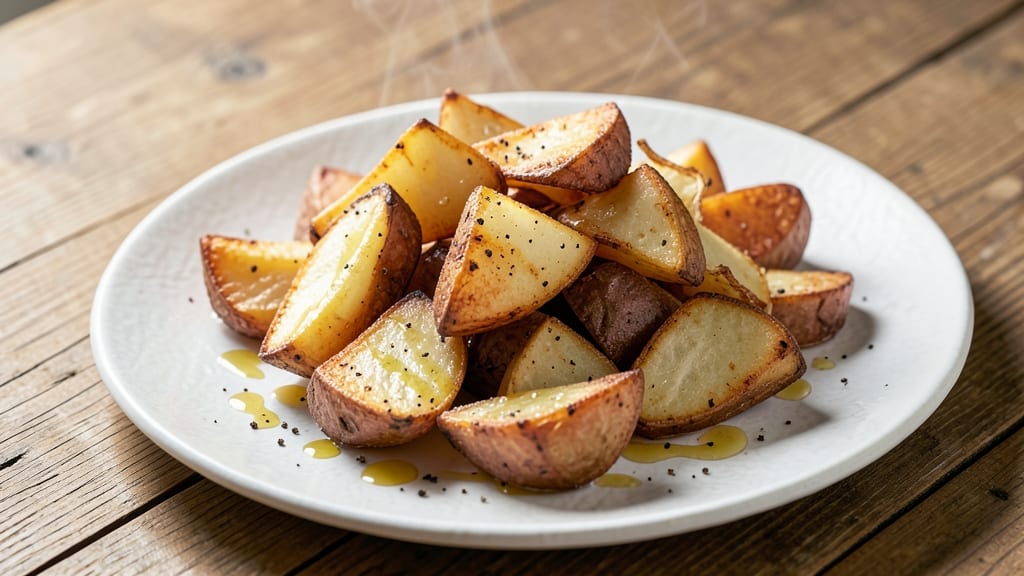
Recreating Wendy's breakfast potatoes at home delivers that signature tangy, crispy perfection you crave every morning. The secret lies in high-heat frying followed by a quick vinegar braise that creates caramelized edges and tender centers.
I've perfected this method after years of testing—no shortcuts, just restaurant-quality results in under 30 minutes.
This recipe starts with thick-cut potato wedges fried in hot oil until golden brown, then finished with a splash of vinegar and butter. The acidity cuts through the richness while enhancing the natural potato sweetness, just like Wendy's does.
You'll need a deep skillet and patience for the frying stage, but the payoff is worth every minute.
By the time you're done, you'll have crispy, vinegar-kissed wedges with caramelized edges that hold their shape perfectly. The tangy flavor balances the crispy texture, making these potatoes irresistible alongside eggs or as a standalone dish. This is the kind of breakfast that turns ordinary mornings into something special.
Serve immediately while hot, and prepare for seconds. The technique is straightforward but requires attention to oil temperature and cooking times. Let's get started on making these legendary breakfast potatoes at home.
Ingredients for wendy's breakfast potatoes
Nine simple ingredients transform into restaurant-style breakfast potatoes with crispy edges and tangy centers.
| Ingredient | Amount | Notes |
|---|---|---|
| Russet Potatoes 🥔 | 2 lb | Thick-cut wedges, 1/2-inch thick |
| Vegetable Oil 🫒 | 2 cups | High smoke point, like canola |
| White Vinegar 🍶 | ¼ cup | Distilled white vinegar preferred |
| Unsalted Butter 🧈 | ½ cup | Cold, cubed for finishing |
| Salt 🧂 | 1 ½ tsp | Diamond Crystal kosher salt |
| Black Pepper 🌶️ | ½ tsp | Freshly cracked preferred |
| Garlic Powder 🧄 | ½ tsp | Freshly ground for depth |
| Onion Powder 🧅 | ½ tsp | For subtle savory base |
| Paprika 🌶️ | ¼ tsp | Smoked for authentic flavor |
The potatoes are everything. Russets are ideal—their high starch content gives that perfect crispy exterior while staying tender inside. Cut them into 1/2-inch wedges (thicker than most recipes) for maximum caramelization. I grab mine from Whole Foods when I can, but any organic russet works. The key is uniformity—trim any uneven edges so they cook evenly. For the oil, canola or vegetable oil is your best bet; avoid olive oil since it burns at high heat. Use a deep skillet, like a cast-iron Dutch oven, to maximize surface area and prevent overcrowding.
No white vinegar? Apple cider vinegar works in a pinch, though it adds a slight sweetness. The butter matters here—unsalted, cold, and cubed gives the best finish. If you're short on time, melted butter works too, but the texture won't be quite as luxurious. The spices are non-negotiable for that Wendy's vibe: smoked paprika adds depth, while the garlic and onion powders build a savory foundation. For extra tang, add a pinch of mustard powder (about 1/8 tsp)—it mimics that signature braise. And if you're feeling fancy, a dash of Worcestershire sauce in the vinegar mix takes it to the next level.
These potatoes are best served immediately, but they reheat beautifully in a 350°F oven for 10 minutes if needed. Store leftovers in an airtight container for up to 3 days, though they lose some crispiness. For a quick breakfast hack, make a double batch and freeze half—portioned into single servings, they reheat perfectly in the microwave (covered for 2 minutes). The secret to keeping them crispy? Spread them on a wire rack in the fridge for 10 minutes after cooking to let excess oil drain off.
Why You'll Love This Recipe
- Five-Ingredient Magic: I swear by this recipe because it’s the kind of dish where you don’t overthink it—just slice, soak, and bake. The vinegar and oil combo gives them that signature tangy crunch without any fancy prep, and honestly? That’s my kind of cooking.
- Crispy-Creamy Bliss: The secret’s in the double-frying: first in oil for that golden crunch, then in butter for that buttery melt. That contrast—crispy outside, fluffy inside—is what makes these potatoes dangerously addictive. (Yes, even on a Tuesday night.)
- Meal Prep MVP: I make a big batch on Sundays and store them in the fridge for the week. Reheat in the oven for 10 minutes, and boom—breakfast is ready. They’re perfect for lazy mornings, picnic baskets, or even as a side for brunch with friends.
- Budget Breakfast Win: Russets are cheap, butter is cheap, and you’re not using anything fancy. Between us, this is how I feed my family hearty breakfasts without breaking the bank. Plus, leftovers taste just as good the second time around.
Instructions for Wendy's breakfast potatoes recipe
Here's how to recreate those iconic crispy, tangy wedges with perfectly caramelized edges at home.
Prepare the Potatoes for Maximum Crisp
Begin by cutting the 2 lb russet potatoes into ½-inch thick wedges, keeping the skins on for texture. Arrange them on a baking sheet in a single layer, ensuring they don't overlap. This prevents steaming and guarantees crispy edges. Pat them dry thoroughly with paper towels—moisture is the enemy of crispiness in this recipe.
In a large bowl, toss the potato wedges with 2 cups vegetable oil, 1.5 tsp salt, 0.5 tsp black pepper, 0.5 tsp garlic powder, 0.5 tsp onion powder, and 0.25 tsp paprika. The oil will coat them evenly, while the spices create that signature savory depth. Use your hands to work the oil into every crevice—this ensures even crisping and flavor distribution.
Double-Fry for Restaurant-Quality Texture
Heat ½ cup vegetable oil in a large skillet over medium-high heat until it reaches 350°F—use a deep-fry thermometer for accuracy. Working in batches to avoid crowding, fry the potatoes for 4-5 minutes until they're lightly golden and tender when pierced with a fork. Remove them with a slotted spoon and drain on a paper towel-lined plate. This first fry cooks them through without fully crisping.
Increase the heat to 375°F and add another ½ cup vegetable oil to the skillet. Return the potatoes to the hot oil and fry for another 3-4 minutes, stirring occasionally, until they develop deep golden-brown spots and crispy edges. The high heat in this second fry creates that signature crunch. Transfer to a wire rack to drain excess oil completely.
Braise in Vinegar for Tangy Depth
Reduce the heat to medium-low and add 0.25 cup white vinegar to the skillet, along with 0.5 cup cold unsalted butter cut into small cubes. The vinegar will sizzle and create steam, which helps tenderize the potatoes further while adding that signature tang. Let it simmer for 2-3 minutes until the butter melts and the potatoes absorb the braising liquid.
Here's the key: Toss the potatoes gently in the skillet, coating them evenly with the buttery vinegar mixture. You'll see the edges become glossy and slightly sticky—this is where the magic happens. The acidity from the vinegar brightens the flavors, while the butter adds richness. The potatoes should be tender throughout with crispy, caramelized edges at this point.
Finish with Perfect Timing
Transfer the potatoes to a serving platter and let them rest for 2-3 minutes—this allows any excess oil to absorb, preventing a greasy final product. The wedges should be hot and crispy with a tangy, savory flavor profile that mimics Wendy's signature dish. Serve immediately while they're at their peak texture.
For extra authenticity, garnish with a sprinkle of freshly cracked black pepper just before serving. The contrast between the crispy edges and tender centers, combined with the vinegar's tang, makes these potatoes irresistible. This method delivers restaurant-quality results in under 20 minutes—perfect for a quick breakfast or brunch.
Pro Tips For Making Wendy'S Breakfast Potatoes
- CRISP FIRST, SOAK LATER: I used to toss the diced potatoes straight into the oil, but they’d steam instead of brown. Now I soak them in cold water for 10 minutes first—drain, pat very dry, then fry. The starch washes off, and you’ll get that perfect golden crust Wendy’s nails.
- USE LESS OIL: This isn’t deep-frying, so don’t drown the pan. About ¼ inch of vegetable oil (roughly ½ cup for a standard skillet) is enough to coat the potatoes without making them greasy. Too much oil = soggy, not crispy—trust me, I’ve done it.
- DON’T SKIP THE VINEGAR: The vinegar isn’t just for flavor—it’s the thing that makes these potatoes taste like Wendy’s. Add it to the oil after the potatoes start sizzling, and let it bubble for 30 seconds. Skimp here, and you’ll miss the tangy brightness that sets them apart.
- SALT IN LAYERS: Salt the potatoes before frying (½ tsp per pound), then add another pinch to the oil once it’s hot. Finish with a sprinkle of flaky salt right out of the pan—this locks in flavor and keeps them from tasting bland even if you’re not a heavy-handed salter.
Pro cooking tips for this dish
Double-Fry Technique
The secret to Wendy's signature texture is the double-fry method, which ensures crispy edges and tender centers. Start with 350°F oil for a 4-5 minute cook to soften the potatoes, then crank the heat to 375°F for the final 3-4 minutes.
This two-stage process mimics commercial fryers and creates that perfect contrast. I use a deep cast-iron skillet because it maintains even heat distribution—never overcrowd the pan or the oil temperature will drop, leading to soggy results. 🔥
Oil Temperature Control
Accurate oil temperature is non-negotiable for crispy potatoes. Invest in a deep-fry thermometer—I recommend the Thermoworks Thermapen—to monitor temperatures precisely. If your oil isn't hot enough, the potatoes will absorb too much oil and become greasy.
For the first fry, aim for 350°F, and for the second fry, push it to 375°F. The sizzle should be loud but controlled; if it's too aggressive, reduce the heat slightly. 🌡️
Vinegar Braise Timing
The vinegar braise transforms ordinary fried potatoes into something extraordinary. After frying, add ¼ cup white vinegar and ½ cup cold butter to the skillet and let it simmer for exactly 2-3 minutes. This brief braise caramelizes the edges while infusing the potatoes with tangy depth.
I find that using distilled white vinegar gives the cleanest, brightest flavor—apple cider vinegar works but adds subtle sweetness. The butter should melt completely before tossing the potatoes. ⏱️
Potato Prep Secrets
Thick-cut, ½-inch wedges are essential for even cooking and maximum crispiness. Cut the potatoes while still cold—they're easier to handle and less likely to oxidize. Pat them thoroughly dry with paper towels before frying; any moisture will cause the oil to splatter and prevent proper browning.
I also recommend soaking the cut potatoes in cold water for 10 minutes before draining and drying. This step removes excess starch, which helps create that perfect crispy exterior. 🥔
Resting for Crispiness
Never skip the 2-3 minute rest after frying. This allows excess oil to absorb back into the potatoes, preventing a greasy final product. I place mine on a wire rack set over a baking sheet to drain completely. The rack elevates the potatoes, ensuring air circulates evenly.
If you're short on time, a clean kitchen towel works in a pinch, but the rack method gives the best results. The rest also lets the vinegar and butter flavors meld together for that signature tang. ⏳
Equipment Upgrades
While you can make these potatoes in a standard skillet, upgrading your tools makes the process smoother. A 12-inch cast-iron skillet with high sides is ideal for handling the oil and potatoes without spills.
For even better results, consider a deep fryer—I use a Ninja Foodi Deep Fryer—which maintains consistent oil temperatures and reduces mess. A slotted spoon with long handles is also a game-changer for flipping and draining the potatoes safely.
These tools might seem like splurges, but they make all the difference in recreating Wendy's quality at home. 💡
Nutrition facts
Frequently asked questions
Why do Wendy's breakfast potatoes taste so tangy?
The signature tang comes from a quick vinegar braise after frying. The ¼ cup white vinegar added during the final step brightens the flavors and creates caramelized edges that give that signature restaurant taste. The acidity cuts through the richness of the butter and oil, balancing the crispy texture perfectly.
Can I make these potatoes without frying?
While frying creates the signature crispy texture, you can bake them for a lighter version. Toss ½-inch potato wedges with oil and spices, then bake at 425°F for 25-30 minutes, flipping halfway. For tang, brush with a mix of 2 tbsp vinegar + 1 tbsp melted butter after baking. The texture won't be identical, but it's a healthier alternative.
What's the best way to reheat leftover potatoes?
Reheat in a 350°F oven for 10 minutes on a wire rack to maintain crispiness. For microwave reheating, cover with a damp paper towel and heat for 1-2 minutes—this adds moisture to prevent drying. Avoid reheating in oil, as it makes them greasy. The best approach? Make fresh batches for maximum enjoyment!
Can I use sweet potatoes instead of russets?
Sweet potatoes will work, but they have a different texture and flavor profile. They're naturally sweeter and more moist, which means they won't crisp up as well. If you try them, slice ⅛-inch thick and fry at 375°F for 2-3 minutes per side—they'll be tender but not crispy like russets. For the closest match, stick with russet potatoes.
How do I fix potatoes that came out soggy?
Soggy potatoes usually mean the oil wasn't hot enough or the potatoes were overcrowded. For next time, ensure your oil reaches 350°F-375°F and fry in batches. If you have leftovers, try reheating them in a 400°F oven for 5 minutes with a sprinkle of salt to help crisp up the edges. The vinegar braise step also helps restore some texture.