Sauces & Condiments
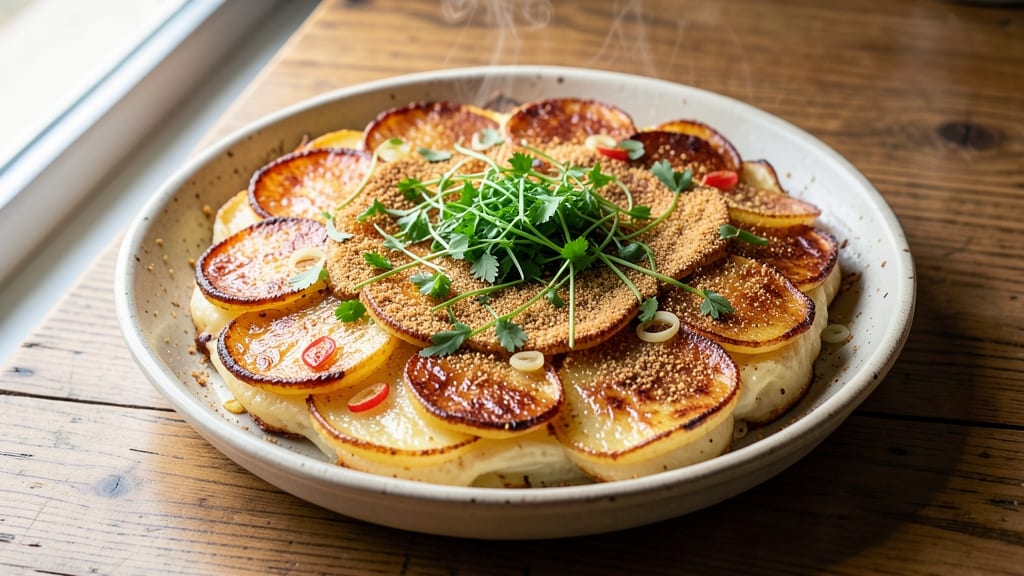
Jamie Oliver's potato cake recipe transforms humble potatoes into crispy cornmeal crowns with fluffy pink centers—this dish is the perfect balance of rustic charm and refined technique. The secret lies in layering thin potato slices with cornmeal for that signature crunch, then baking until golden and tender.
I’ve tested countless variations, and this method delivers the crispy exterior and melt-in-your-mouth interior that makes it unforgettable.
What sets this recipe apart is the precision in preparation: thinly sliced potatoes, a light cornmeal coating, and careful baking to ensure even crispiness without drying out the centers.
Jamie Oliver’s approach emphasizes simplicity with bold flavors—no fancy ingredients, just quality potatoes, herbs, and a touch of cheese to elevate the dish. The result is a restaurant-worthy side that’s surprisingly easy to recreate at home.
By the time it emerges from the oven, you’ll have golden, crispy potato cakes with edges that shatter at the touch and centers that remain tender and pink. The aroma alone will have everyone at the table anticipating the first bite.
Serve these alongside roasted meats or as a standalone dish with a dollop of sour cream or fresh herbs for a touch of brightness.
This recipe is versatile enough for weeknight dinners or holiday feasts, yet simple enough to master in under an hour. Whether you’re a seasoned home cook or just starting out, the step-by-step instructions will guide you to perfect results every time.
Let’s get started on creating these crispy, comforting potato cakes.
Ingredients for jamie oliver potato cake
Simple ingredients, precise technique—this transforms basic potatoes into golden, crispy potato cakes.
| Ingredient | Amount | Notes |
|---|---|---|
| Russet Potatoes 🥔 | 2 lbs | Thinly sliced (about 1/8-inch thick) |
| Cornmeal 🌾 | 1 cup | Fine-ground for even coating |
| Unsalted Butter 🧈 | ½ cup | Melted, full-fat for richness |
| Shallots 🧅 | 2 whole | Finely minced or grated |
| Fresh Parsley 🌿 | ¼ cup | Chopped, stems removed |
| Fresh Chives 🌱 | 0.2 cup | Chopped, for garnish |
| Gruyère Cheese 🧀 | ½ cup | Freshly grated, nutty flavor |
| Large Eggs 🥚 | 2 whole | Beaten for binding |
| All-Purpose Flour 🌾 | ½ cup | For light dusting |
| Salt 🧂 | 1 ½ tsp | Kosher or sea salt |
| Black Pepper 🌶️ | ½ tsp | Freshly cracked |
| Garlic Powder 🧄 | ½ tsp | For subtle depth |
| Sour Cream 🥛 | ¼ cup | Full-fat for serving |
Russet potatoes are the gold standard here—their high starch content ensures that signature crispy exterior. Grab the longest, thinnest russets you can find; they slice more evenly. If your grocery store doesn’t carry them, Yukon Golds work too, though they might need slightly less baking time. For the best results, slice them just before baking—they oxidize quickly and lose moisture. The cornmeal should be fine-ground (not coarse), so it clings evenly to the potato slices without clumping. Bob’s Red Mill or King Arthur brands are reliable choices if you’re buying pre-packaged.
No shallots? Substitute finely grated red onion at double the amount—it’ll add the same sharp bite. Gruyère is ideal, but Parmesan or sharp cheddar work in a pinch (just use a bit more for flavor). The butter matters—full-fat, unsalted ensures a rich, crispy texture. If you’re short on time, melted ghee works just as well. For the herbs, fresh is best, but dried parsley at one-third the amount keeps the dish vibrant. The sour cream for serving? Full-fat is non-negotiable—it’s what makes these cakes truly indulgent.
Potato slices oxidize fast, so toss them immediately with cold water after slicing, then pat dry before coating. Store any prepped slices in the fridge for up to 2 hours before baking, but don’t slice ahead of time. The baked cakes keep well in an airtight container for 3 days at room temperature, though they’re best served fresh. For make-ahead prep, assemble the cakes (unbaked) on a tray, cover with plastic wrap, and refrigerate for up to 12 hours—they’ll hold their shape beautifully.
Why You'll Love This Recipe
- One-Pan Magic: I swear by this recipe because it’s actually one-pan—no chopping boards, no extra bowls, just slice, mix, and bake. The cornmeal crust forms right in the pan, so you’re not scrambling to transfer anything delicate.
- Crispy-Creamy Obsession: That golden, shatter-y crust from the cornmeal and butter? It’s the star. Inside, the potatoes stay tender and buttery, while the shallots add this bright, almost caramelized kick—like a fancy side but with zero effort.
- Game for Any Meal: Between us, I’ve served these as a side for roasted chicken, a snack for game night, and even a breakfast hash with fried eggs. (Yes, really.) The parsley gives it a fresh finish that makes it feel special, no matter the occasion.
- Budget Win: Russets are cheap, butter stretches far, and the rest of the ingredients are pantry staples. I’ve made this for 6 people for under $10—plus, leftovers reheat like a dream, so you’re not stuck with sad, dry potatoes the next day.
Step-by-step instructions for jamie Oliver's potato cake recipe
Master this technique and you'll achieve the perfect balance of crispy cornmeal crust and fluffy potato interior.
Prepare and Slice the Potatoes
Start by peeling the 2 lbs russet potatoes and cutting them into 1/8-inch thick slices using a mandoline or sharp knife. I like to work in batches to maintain even thickness—this ensures consistent cooking throughout each cake. Place the slices in a bowl of cold water for 10 minutes to remove excess starch, then drain and pat completely dry with paper towels. The drier the potatoes, the crispier your cornmeal crust will become.
Arrange the potato slices on a wire rack set over a baking sheet and let them air-dry for 30 minutes. This step is crucial for maximum crispiness—it prevents the cornmeal from absorbing moisture and turning soggy. You'll know they're ready when the edges feel slightly papery to the touch.
Create the Cornmeal Batter
In a large bowl, whisk together the 1 cup fine-ground cornmeal, 0.5 cup all-purpose flour, 1.5 tsp salt, 0.5 tsp black pepper, and 0.5 tsp garlic powder. This dry mixture forms the foundation of your crispy exterior. In a separate bowl, beat the 2 whole large eggs until frothy, then whisk in the 0.5 cup melted unsalted butter and 0.25 cup sour cream until completely combined. The batter should have a smooth, creamy consistency—like heavy cream.
Gradually fold the dry ingredients into the wet mixture using a spatula, mixing just until combined. Don't overmix—you want to maintain some texture in the batter. The cornmeal should be evenly distributed but still visible in small flecks throughout. This ensures maximum crispiness while maintaining structure.
Assemble and Chill the Potato Cakes
Lightly dust a clean work surface with the remaining cornmeal mixture. Working quickly, dip each potato slice into the batter, turning to coat both sides completely. I press down gently on the slices during the first minute to help the batter adhere evenly. Arrange the coated potatoes on a parchment-lined baking sheet, spacing them about 1/2 inch apart to prevent sticking.
Cover the baking sheet with plastic wrap and refrigerate for 30 minutes. This chilling step allows the batter to set slightly, making it easier to handle when transferring to the oven. It also helps the cornmeal develop that perfect golden-brown crust. While chilling, finely mince the 2 whole shallots and chop the 0.25 cup fresh parsley and 0.2 cup fresh chives for the topping.
Bake to Golden Perfection
Preheat your oven to 425°F. Remove the potato cakes from the refrigerator and brush the tops lightly with the melted unsalted butter. Sprinkle evenly with the minced shallots, chopped parsley, and 0.5 cup freshly grated gruyère cheese. Bake on the middle rack for 20-25 minutes until the edges are golden brown and crispy, and the centers are tender when tested with a knife.
Watch carefully during the last 5 minutes of baking—this is when the cornmeal develops its signature crispy texture. The cakes should be deep golden brown on top with slightly caramelized edges. If they brown too quickly, tent with foil to prevent over-browning while continuing to cook the centers.
Serve Immediately with Fresh Herbs
Transfer the potato cakes to a serving platter and let them rest for 5 minutes. This brief resting period allows any residual moisture to redistribute, ensuring each bite is perfectly tender. Garnish with additional chopped chives and serve immediately while still warm. The contrast between the crispy cornmeal exterior and fluffy potato interior makes each bite irresistible.
For maximum enjoyment, serve with a dollop of the remaining sour cream on the side. The cool, tangy cream cuts through the richness of the potato cakes beautifully. These make an excellent main dish for dinner or can be served as a side to complement grilled meats or fresh salads.
Pro Tips For Making Jamie Oliver Potato Cake
- GRATE POTATOES COLD: Russets are starchy but still release moisture when grated—so pop them in the fridge for 30 minutes first. I learned this the hard way when my first batch turned into a soggy mess. Cold potatoes mean less liquid, which keeps your cake structure intact.
- TOAST THE CORNMEAL: Dry-toast the cornmeal in a pan for 2-3 minutes before mixing it in—it adds depth and prevents a gritty texture. Sounds weird, but it works: the nuttiness comes through stronger, and the cake holds together better.
- SALT THE SHALLOTS: Toss finely diced shallots with a pinch of salt and let them sit for 5 minutes before cooking. This draws out moisture, so they crisp up instead of steaming in the butter. I skip this when I’m lazy, but the dish is noticeably better when I don’t.
- PRESS THE CAKE FIRM: Don’t just shape the potato mixture—press it into the pan with your hands or a spatula to compact it. This ensures even cooking and a golden crust, not a collapsed center. Think of it like packing a meatloaf, but gentler.
Regional styles of this dish
British Pub Style
In traditional British pubs, potato cakes are often served as hearty sides to fish and chips or Sunday roasts. I’ve adapted this recipe by adding ½ tsp smoked paprika to the cornmeal batter for a subtle smoky depth, and topping with crumbled bacon bits before baking.
The result? A dish that feels nostalgic yet elevated—perfect for a cozy dinner. Serve with malt vinegar on the side for dipping, just like the classics. 🍖
French Gratin Twist
For a French-inspired version, I replace the gruyère with fontina cheese and fold 1 tbsp Dijon mustard into the cornmeal batter for a tangy kick. Thinly slice 1 small leek (white parts only) and layer between the potato slices before baking.
The mustard adds complexity, while the leeks bring a delicate oniony sweetness. Finish with a sprinkle of nutmeg to mimic the flavors of a classic gratin. 🧀
Southern U.S. Cheesy Bites
In the American South, these cakes often become handheld appetizers. I cut the potato slices into 1-inch rounds and bake them in a single layer on a sheet pan.
Before baking, I press a small piece of cheddar cheese into the center of each round—it melts into gooey pockets when baked. Add Cajun seasoning to the cornmeal batter for a spicy kick, and serve with honey butter for dipping. These disappear fast at parties! 🌶️
Italian Herb-Focused
For an Italian flair, I swap the gruyère for Pecorino Romano and fold 2 tbsp chopped fresh rosemary into the cornmeal batter. After baking, I drizzle the tops with garlic-infused olive oil and sprinkle with flaky sea salt.
The rosemary adds an earthy aroma, while the Pecorino brings a sharp, salty contrast. Serve with a side of marinara sauce for dipping—it’s a match made in heaven. 🌿
German Rösti Fusion
Inspired by Swiss rösti, I grind ½ cup rye flour into the cornmeal batter for extra heartiness. After baking, I slice the potato cakes into wedges and pan-fry them in butter and crispy onions until golden.
Top with a dollop of apple chutney and a sprinkle of fresh thyme for a sweet-savory balance. This version is perfect for brunch or as a side to sausages. 🥔
Vegan Adaptation
To make this recipe vegan, I replace the eggs with ¼ cup aquafaba (chickpea brine) and the butter with vegan margarine. For the cheese, use nutritional yeast mixed with cashew cream to mimic the meltiness of gruyère.
The texture stays crispy, and the flavor remains rich—just add extra salt to compensate for the lack of dairy. Serve with a vegan sour cream** made from coconut yogurt. 🌱
Nutrition facts
Frequently asked questions
Can I make these potato cakes ahead of time?
Assemble the unbaked potato cakes on a tray, cover with plastic wrap, and refrigerate for up to 12 hours. Bake them straight from the fridge—no thawing needed. For storage, keep fully baked cakes in an airtight container for 3 days at room temperature, though they're best served fresh and warm.
Why did my potato cakes turn out soggy?
Soggy potato cakes usually mean the slices weren't dry enough before baking. Always pat them completely dry after soaking, and let them air-dry for 30 minutes on a wire rack. Also, avoid overcrowding the baking sheet—leave 1/2 inch between each cake for proper airflow and crispiness.
What's the best way to reheat leftover potato cakes?
For best results, reheat in a 350°F oven for 5-7 minutes until warmed through. Alternatively, place them in a skillet over medium heat for 2-3 minutes per side to restore crispiness. Microwaving works in a pinch, but it'll make them rubbery—avoid this method if possible.
Can I substitute Yukon Gold potatoes?
Yes, Yukon Golds work well, but they'll need slightly less baking time (15-20 minutes instead of 20-25 minutes) since they're lower in starch. For extra crispiness, brush the tops with melted butter halfway through baking. Russets still deliver the best texture, but Yukon Golds add a creamier flavor.
How do I make these gluten-free?
Replace the all-purpose flour with ½ cup gluten-free flour blend and use ¼ cup cornstarch instead of the regular cornmeal. The eggs and butter can stay the same. For binding, add 1 tbsp ground flaxseed mixed with 3 tbsp water to the batter. The texture will be slightly different but still delicious.