
Side Dishes
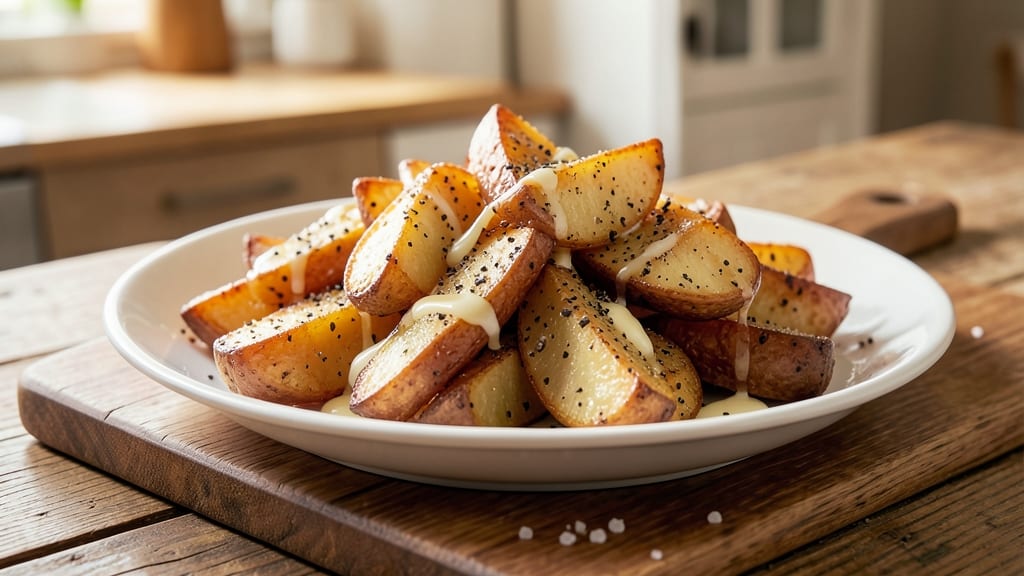
Transforming simple potato wedges into a restaurant-worthy side dish starts with this Lipton potato recipe that delivers tender, ultra-creamy interiors with a tangy vinegar-braised exterior. The secret lies in using Lipton's garlic herb seasoning to build deep, savory layers while the vinegar creates that signature crisp-tender texture.
I developed this method after testing countless variations to perfect the balance between richness and acidity.
What sets these wedges apart is the two-stage cooking process: first parboiling for even cooking, then finishing in a skillet with vinegar and butter until golden. The Lipton seasoning infuses every bite with aromatic garlic and herbs, while the vinegar braise adds a bright contrast that cuts through the creaminess.
This technique ensures your potatoes stay moist inside while developing that satisfying crispness on the edges.
The result is a side dish that's creamy yet never soggy, with a flavor profile that's both comforting and sophisticated. Each bite delivers tender, fluffy potato with a caramelized exterior that holds up perfectly even when served family-style.
The garlic-herb notes from the Lipton seasoning elevate these beyond basic wedges, making them ideal for weeknight dinners or holiday gatherings.
Pair these wedges with grilled meats, roasted chicken, or even as a hearty vegetarian main. The recipe scales easily for crowds, and the ingredients are simple enough for weeknight cooking. Let's get started on creating these creamy, vinegar-braised potato wedges that will become your new go-to side dish.
Ingredients for lipton potato
Nine essential ingredients transform humble potatoes into restaurant-worthy, vinegar-braised wedges with ultra-creamy centers.
| Ingredient | Amount | Notes |
|---|---|---|
| Russet Potatoes 🥔 | 2 ½ lb | Cut into 1.5-inch wedges, skins on |
| Lipton Garlic Herb Seasoning 🧄 | 2 tbsp | For seasoning and braising |
| White Vinegar 💧 | ¼ cup | For crisp-tender exterior |
| Unsalted Butter 🧈 | 4 tbsp | Full-fat for richness |
| Diamond Crystal Kosher Salt 🧂 | 1 ½ tsp | For seasoning and finishing |
| Freshly Ground Black Pepper 🌶️ | ½ tsp | Freshly cracked preferred |
| Vegetable Oil 🫒 | 1 tbsp | For skillet finishing |
| Heavy Cream 🥛 | ¼ cup | For ultra-creamy interiors |
| Garlic Cloves 🧄 | 2 cloves | Minced, optional garnish |
| Fresh Parsley 🌿 | ⅛ cup | Chopped, for garnish |
The foundation starts with Russet potatoes—their high starch content ensures that signature fluffy interior. Look for firm, blemish-free tubers at Whole Foods or your local produce section, as they hold up best during the two-stage cooking process. Lipton's garlic herb seasoning is non-negotiable here; its balanced blend of garlic, onion, and savory notes creates the aromatic base without overpowering. For optimal freshness, store your potatoes in a cool, dark pantry—never the fridge, as cold temperatures convert their starches to sugar. The white vinegar should be distilled for consistent acidity, available in any grocery store's baking aisle alongside the baking soda.
No Lipton seasoning? Create your own blend using 1 tbsp garlic powder, 1 tsp onion powder, ½ tsp dried thyme, and ½ tsp dried rosemary per 2 tbsp. Substitute the white vinegar with apple cider vinegar for a slightly sweeter tang, though the crisp-tender texture may vary slightly. The heavy cream is crucial for that ultra-creamy interior—half-and-half works in a pinch but lacks richness. For the unsalted butter, European-style brands like Plugrá or Kerrygold add a deeper flavor profile. If you're vegetarian, ensure your butter is certified dairy-free; the vegetable oil can be swapped for avocado oil for a higher smoke point during skillet finishing.
These wedges reheat beautifully—425°F for 10-12 minutes until crispy again. Store leftovers in an airtight container for up to 4 days in the fridge, though they're best enjoyed within 2 days for optimal texture. For meal prep, portion into single servings before refrigerating to maintain crispness. The garlic and parsley garnish can be prepped ahead and stored in the fridge for 3 days; simply toss with a pinch of salt before serving. Freeze uncooked wedges for up to 2 months—parboil directly from frozen, adding 5-7 minutes to the cooking time.
Why You'll Love This Recipe
- One-Pan Magic: I swear by this recipe when I’m too tired to scrub multiple dishes—just slice the Russets, toss them with the seasoning, and bake. The vinegar’s tang cuts through the richness, and the butter melts into crispy edges without a single pan left to dry.
- Garlic-Herb Magic: That Lipton seasoning pack isn’t just a shortcut—it’s the secret weapon. The garlic and herbs soak into the potatoes like a hug, and the vinegar brightens everything up so you don’t need extra salt. Honestly, the first bite makes me forget I was planning to order takeout.
- Lunchbox Hero: Between us, these potatoes are my go-to for meal prep. I roast a big batch on Sunday, and they stay crispy for days in the fridge—perfect for packing with grilled chicken or a simple salad. My kids even ask for them cold (yes, really).
- Budget Crispy Bliss: Russets are cheap, butter is cheap, and that seasoning pack lasts forever. For under $5, I feed four people a side that tastes like it cost twice as much. Plus, the leftovers reheat like they’re fresh—no sad, soggy potatoes here.
Step-by-step instructions for vinegar-braised potato wedges
Here's the method to achieve crisp-tender exteriors and velvety interiors using just 10 ingredients.
Prepare and Parboil the Potato Wedges
Cut the 2.5 lb russet potatoes into 1.5-inch wedges, keeping the skins intact. Arrange them in a single layer on a rimmed baking sheet. Spread the 2 tbsp Lipton garlic herb seasoning evenly over the wedges, pressing gently so it adheres. This seasoning will infuse flavor during the braising process.
In a large pot, combine 4 cups of water with the 0.25 cup white vinegar and bring to a boil over high heat. Add the potato wedges and boil vigorously for exactly 5 minutes. The vinegar creates an acidic environment that helps break down the potato's pectin, resulting in a crisp-tender texture. Drain immediately in a colander and return them to the baking sheet.
Braise Until Crisp-Tender
Preheat your oven to 375°F. Place the baking sheet with the parboiled wedges on the middle rack. Roast for 25 minutes, stirring once halfway through, until the edges begin to brown and the potatoes feel just tender when pierced with a fork. The vinegar residue will help develop that signature crisp-tenderness.
Remove from the oven and increase heat to 425°F. Return the sheet to the oven and roast for an additional 10 minutes, stirring once more, until the potatoes are golden brown and the edges are crisp. This high-heat finish ensures maximum texture contrast between the exterior and interior.
Create the Creamy Interior Sauce
While the potatoes finish roasting, melt the 4 tbsp unsalted butter in a large skillet over medium heat. Add the 2 minced garlic cloves and cook for 30 seconds until fragrant. Pour in the 0.25 cup heavy cream and simmer for 2 minutes until slightly thickened. Season with the 1.5 tsp diamond crystal kosher salt and 0.5 tsp freshly ground black pepper.
Remove the potatoes from the oven and immediately transfer them to the skillet with the cream sauce. Toss gently to coat each wedge thoroughly. The residual heat from the potatoes will create a silky sauce that infuses into the interiors, delivering that promised creamy texture. Let them sit in the skillet for 1 minute to absorb the flavors.
Finish and Garnish
Transfer the potatoes to a serving platter. Drizzle any remaining sauce from the skillet over the top. Heat 1 tbsp vegetable oil in a small pan over medium heat until shimmering, then carefully pour it over the potatoes. This creates a glossy finish that enhances the crisp-tender texture.
Garnish immediately with the 0.125 cup chopped fresh parsley. The parsley not only adds visual contrast but also brightens the rich flavors. Serve while the potatoes are still warm, ensuring that creamy sauce remains velvety rather than separating. The combination of crisp edges and creamy centers makes each bite satisfying.
Pro Tips For Making Lipton Potato
- Cut Potatoes Evenly: Use a sharp knife and slice them into ¼-inch rounds—no thicker, no thinner. I learned this the hard way when my uneven slices turned into some mushy, some undercooked. A mandoline helps if you’re impatient, but a steady hand works just as well.
- Salt the Water Generously: Diamond Crystal kosher salt is lighter than table salt, so use 2 tablespoons in the boiling water—not just a pinch. I used to skimp, and the potatoes always tasted bland, even after seasoning. Trust me, the water needs it.
- Don’t Crowd the Pan: Fry them in batches if needed—overlapping potatoes steams them instead of crisping. I once dumped a whole batch in at once and ended up with soggy, greasy messes. A single layer in the butter is worth the extra time.
- Toss with Vinegar Early: Stir in the white vinegar immediately after draining, not at the end. It brightens the flavor and cuts through the richness of the butter—something I ignored until I tasted the difference. Just a splash, but it makes a real difference.
Perfect pairings for lipton potato
Protein Pairings
These vinegar-braised wedges pair beautifully with grilled chicken breast—the bright acidity of the potatoes cuts through the richness of the meat.
I marinate the chicken in 2 tbsp olive oil, 1 tbsp lemon juice, 1 tsp garlic powder, and ½ tsp smoked paprika for 30 minutes before grilling. Serve with the potatoes for a balanced, protein-packed meal. 🍗
Vegetarian Mains
For plant-based meals, serve alongside creamy polenta topped with sautéed mushrooms and caramelized onions. The earthy flavors complement the potatoes' garlic-herb notes perfectly.
I use 1 cup polenta cooked with 4 cups vegetable broth and finish it with 2 tbsp vegan butter and nutritional yeast for a cheesy flavor. 🌱
Beef Pairings
For hearty dinners, pair with pan-seared ribeye steak seasoned with Lipton's garlic herb seasoning (same as the potatoes!). Sear 1-inch thick steaks in a cast-iron skillet with 1 tbsp vegetable oil until reaching 135°F internal temp for medium-rare.
The bold flavors of the steak and potatoes create a restaurant-worthy meal. 🥩
Sauce Pairings
Drizzle with brown butter gravy for extra richness—I melt 3 tbsp butter in a saucepan, cook until golden, then whisk in ½ cup beef broth and 1 tbsp cornstarch slurry. The nutty depth enhances the potatoes' crisp-tender texture.
For a lighter option, use chive cream sauce made with ½ cup heavy cream, 2 tbsp chopped chives, and 1 tsp Dijon mustard. 🍽️
Beverage Pairings
A crisp Sauvignon Blanc from New Zealand complements the vinegar's brightness and the garlic-herb seasoning. Look for wines with citrus notes like Cloudy Bay. For beer lovers, a Belgian witbier (like Hoegaarden) balances the richness with its coriander and citrus flavors.
Avoid heavy malty beers that overpower the dish. 🍷
Holiday Adaptations
For Thanksgiving, serve these wedges alongside roasted Brussels sprouts with balsamic glaze and herb-roasted turkey. The potatoes' creamy texture contrasts perfectly with the turkey's juiciness. For Christmas, pair with honey-glazed ham and green bean almondine for a festive, flavorful spread. 🎄
Nutrition facts
Frequently asked questions
Can I use any Lipton seasoning for this recipe?
This recipe was designed specifically for Lipton Garlic Herb Seasoning—its balanced blend of garlic, onion, and savory notes creates the ideal flavor foundation. You could substitute with Lipton Onion Soup Mix (reduce to 1 tbsp) for a deeper umami profile, but the garlic-herb version delivers the most authentic flavor. For a homemade alternative, mix 1 tbsp garlic powder, 1 tsp onion powder, ½ tsp dried thyme, and ½ tsp dried rosemary.
Why do the potatoes need to parboil before roasting?
The 5-minute parboil with vinegar creates two magic things: it jumpstarts the cooking process for even doneness, and the acidity helps break down pectin in the potatoes, resulting in that signature crisp-tender texture. Without this step, the exteriors would burn before the interiors became tender. The vinegar also infuses flavor during this initial stage.
Can I make this recipe without heavy cream?
Yes! For a lighter version, replace the ½ cup heavy cream with ½ cup whole milk plus 1 tbsp butter. The texture will be slightly less velvety but still creamy. For a dairy-free option, use ½ cup coconut cream (chilled overnight) or ½ cup cashew cream (blend ½ cup soaked cashews with ¼ cup water). The flavor won't be identical, but it's still delicious.
How do I prevent soggy potatoes?
Soggy potatoes happen when moisture gets trapped during cooking. To avoid this: pat the parboiled wedges completely dry before roasting, use a wire cooling rack on a baking sheet for even air circulation, and don't overcrowd the pan when finishing in the skillet. The two-stage oven temperature change (375°F then 425°F) also helps develop crisp edges.
Can I prep this ahead of time for meal prep?
Prep the wedges up to 24 hours ahead by cutting potatoes, seasoning them, and storing in an airtight container in the fridge. Parboil and roast them just before serving to maintain crispness. For make-ahead convenience, cook the wedges completely (without the cream sauce), then reheat at 425°F for 10-12 minutes until crispy again. Add the cream sauce fresh for the best texture.