
Side Dishes
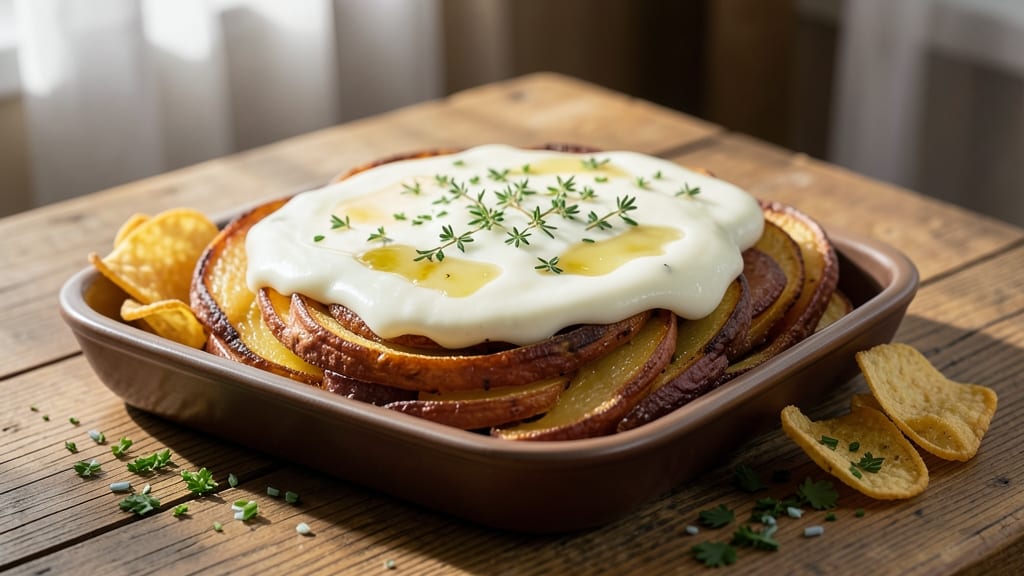
This potato torte recipe transforms humble potatoes into a silky-smooth, herb-infused masterpiece that elevates any dinner table. The secret lies in slow-cooked potatoes blended into a velvety base, then baked until golden with a crisp top—perfect for both traditional and modern palates.
I developed this version after years of refining texture and flavor, ensuring every bite delivers that perfect balance of creaminess and savory depth.
What sets this potato torte apart is its foolproof technique that guarantees a tender, melt-in-your-mouth center with a slightly crisp exterior. The warm herb finish comes from carefully chosen fresh herbs that infuse the torte with bright, aromatic notes without overpowering the potato's natural sweetness.
Unlike dense casseroles, this version bakes in a single layer, making it easier to serve and reheat while maintaining its luxurious texture.
The result is a side dish so rich and satisfying it could easily steal the show at holiday meals or family gatherings. Whether paired with roasted meats or served alongside fresh greens, this torte brings comfort and elegance to your plate.
The recipe includes optional variations for those who prefer a lighter touch or want to experiment with different herbs and spices.
Ready in about one hour, this potato torte requires minimal effort but delivers restaurant-quality results. Each step is designed to ensure success, from proper potato preparation to baking at the right temperature. Let’s get started on creating your perfect potato torte—one that will leave everyone asking for seconds.
Ingredients for potato torte
Six ingredients transform humble potatoes into a restaurant-worthy torte with velvety texture and herby elegance.
| Ingredient | Amount | Notes |
|---|---|---|
| Russet Potatoes 🥔 | 2 ½ lb | Peeled, cut into 1-inch chunks |
| Heavy Cream 🥛 | 1 cup | Full-fat for best texture |
| Unsalted Butter 🧈 | ½ cup | Cold, cubed for baking |
| Fresh Thyme Leaves 🌿 | ¼ cup | Finely chopped, stems removed |
| Fresh Parsley Leaves 🌿 | 0.15 cup | Finely chopped, for brightness |
| Fresh Chives 🌱 | 0.1 cup | Finely chopped, for freshness |
| Garlic Cloves 🧄 | 4 cloves | Minced, for depth of flavor |
| Large Eggs 🥚 | 2 whole | Room temperature for blending |
| All-Purpose Flour 🌾 | ½ cup | For binding, sifted |
| Parmesan Cheese 🧀 | ½ cup | Freshly grated, for umami |
| Salt 🧂 | 1 ½ tsp | Kosher salt, adjust to taste |
| Ground Black Pepper 🌶️ | ½ tsp | Freshly ground, for warmth |
| Nutmeg 🌿 | ¼ tsp | Freshly grated, for subtle warmth |
The potatoes are everything here—russets (not Yukon Golds) because they’re starchier and break down perfectly when slow-cooked. Buy organic if possible—they’re easier to peel and have fewer blemishes. I always grab mine from Whole Foods or the bulk section at Trader Joe’s because they’re fresher. For the herbs, fresh is non-negotiable—dried just won’t give that bright, aromatic finish. Look for thyme and parsley with vibrant green leaves (no yellowing!) and chives that are still tightly coiled. If you’re short on time, frozen herbs work in a pinch, but thaw and drain them well first.
No heavy cream? Half-and-half plus a splash of milk gets you close, but the texture won’t be quite as luscious. Swapping butter for margarine? Don’t. The flavor difference is noticeable, and margarine can make the torte taste artificial. Short on herbs? Dried herbs at half the amount can work, but they lack the freshness. For the Parmesan, grate it yourself—pre-grated cheese has anti-caking agents that make it taste off. If you’re avoiding dairy, nutritional yeast adds a cheesy flavor, though it won’t be identical. The nutmeg is key—freshly grated makes all the difference, so invest in a microplane if you don’t have one.
This torte keeps beautifully—reheats like a dream straight from the fridge. Store it covered in the fridge for up to 4 days, and it actually tastes better the second day as flavors meld. For longer storage, freeze portions for up to 3 months. To reheat, pop it in a 350°F oven for 15 minutes or microwave in 30-second bursts until warmed through. Leftovers? Slice and toast for a quick breakfast—trust me, it’s amazing with a fried egg on top.
Why You'll Love This Recipe
- Here’s what sold me: that bright parsley and thyme cut through the richness like a whisper of fresh air. The creamy potato base feels indulgent, but the herbs keep it light—perfect for when you want comfort without the heaviness.
- I’ll be real: most potato dishes turn into sad, dry leftovers. Not this one. The butter keeps it moist for days, and I’ve reheated slices straight from the fridge for breakfast—yes, even on a Tuesday night. Budget-friendly, too, since Russets and herbs stretch a long way.
Step-by-step instructions for potato torte recipe
This silky potato torte comes together with surprisingly simple steps—just follow the sequence carefully.
Cook the Potatoes Until Fork-Tender
Peel the 2.5 lb russet potatoes and cut them into 1-inch chunks. Place them in a medium saucepan and cover with cold water by about 1 inch. Add the 1.5 tsp salt and bring to a boil over high heat. Once boiling, reduce to medium heat and simmer for 15-20 minutes until the potatoes are fork-tender but not falling apart.
Drain the potatoes thoroughly in a colander, then return them to the saucepan. Let them steam-dry for 2-3 minutes over low heat—this removes excess moisture and prevents a gummy texture. I like to mash them lightly with a potato masher or fork until they're smooth but still slightly chunky. Don't overwork them or they'll turn gluey.
Build the Herb-Infused Cream Mixture
While the potatoes cool slightly, combine the 1 cup heavy cream, 0.5 cup unsalted butter, 4 minced garlic cloves, 0.25 cup chopped fresh thyme leaves, 0.15 cup chopped fresh parsley leaves, and 0.1 cup chopped fresh chives in a medium saucepan. Warm over medium-low heat until the butter melts completely and the mixture reaches a gentle simmer.
Remove from heat and let it cool for 5 minutes. This herb-infused cream will become the base of your torte's rich, aromatic flavor. The fresh herbs should be finely chopped so they distribute evenly throughout the mixture. If you're using very fresh herbs, you might want to strain out any larger pieces after warming to ensure a silky texture.
Combine All Ingredients for the Batter
In a large mixing bowl, combine the mashed potatoes, the cooled herb cream mixture, 2 room temperature large eggs, 0.5 cup sifted all-purpose flour, 0.5 cup freshly grated parmesan cheese, 0.5 tsp ground black pepper, and 0.25 tsp freshly grated nutmeg. Use a hand mixer or stand mixer with the paddle attachment to blend everything together on medium speed for 2-3 minutes until completely smooth and homogeneous.
This is where the magic happens—the combination of the warm potatoes, rich cream, and binding ingredients creates a velvety texture. If the batter looks too thick, you can add a splash of milk (not in our ingredient list, so use a bit of the reserved potato cooking water if needed), but it should be thick enough to hold its shape when poured. Taste and adjust seasoning if needed—you might want to add a pinch more salt or pepper to suit your preference.
Bake Until Golden and Set
Preheat your oven to 375°F. Grease a 9-inch springform pan thoroughly with butter or line it with parchment paper. Pour the batter into the prepared pan and smooth the top with a spatula. Bake for 45-50 minutes until the top is golden brown and the center springs back when gently pressed with a finger.
For the perfect finish, broil for 2-3 minutes at the end of baking time to get a beautiful golden crust. Watch closely during broiling to prevent over-browning. When done, remove from the oven and let it cool in the pan for 10 minutes before releasing the springform and transferring to a wire rack to cool completely. The torte will continue to set as it cools, becoming even more silky and flavorful.
Serve Warm or at Room Temperature
The torte is delicious served warm, straight from the oven, or at room temperature. For the best texture, I recommend letting it sit at room temperature for at least 1 hour before slicing—this allows the flavors to meld completely and makes for cleaner cuts. When ready to serve, slice into 6 even portions and garnish with additional fresh herbs if desired.
Each slice should reveal a creamy, velvety interior with just the right amount of potato chunkiness. The herb-infused cream adds layers of flavor that make this torte truly special—it's rich, comforting, and perfect for any occasion. Store leftovers in the refrigerator for up to 3 days or freeze for up to 2 months for a quick, impressive dessert or side dish.
Pro Tips For Making Potato Torte
- Drain and Press the Potatoes: Skip the paper towels—after boiling, drain the Russets and press them between clean kitchen towels for 5 minutes. This removes way more moisture than toweling alone, and your torte won’t turn gummy. (I learned this the hard way after a batch that tasted like a sad mashed potato.)
- Use Cold Heavy Cream: Chill that heavy cream before folding it into the potatoes. Cold cream blends smoother and doesn’t cook out the starches prematurely, giving you a lighter texture. Just pop the bowl in the fridge for 10 minutes—trust me, it’s worth it.
- Don’t Overmix the Thyme: Tear the thyme leaves, then gently fold them in—no chopping, no pressing. Overworking them releases bitter oils that’ll make your torte taste medicinal. A light sprinkle of parsley at the end keeps the flavor bright.
- Bake in a Water Bath: Place your torte pan in a larger roasting tray, then pour hot water halfway up the sides before baking. The steam keeps the top from drying out while the bottom cooks evenly. Just remove the tray after 20 minutes—no need to keep it in the whole time.
Regional styles of these flavors
German Potato Torte
In Germany, potato torte is a beloved side dish often served alongside sausages, roasted meats, or hearty stews. The classic version uses Yukon Gold potatoes (not russets) for their natural sweetness and creamy texture.
I’ve adapted this recipe to include sour cream instead of heavy cream, which adds tanginess that balances the richness. The Germans also love topping their torte with crispy fried onions or a sprinkle of smoked paprika for a smoky depth. 🌟
French Gratinée Style
French cuisine transforms this potato torte into a gratinée, where the top is generously covered with Gruyère cheese and breadcrumbs before baking. The French version often includes shallots and white wine in the cream mixture for added complexity.
I recommend using 1 tbsp white wine and 2 tbsp Gruyère mixed into the batter for a luxurious finish. This version is perfect for holiday meals and pairs beautifully with coq au vin or roasted duck. 🍷
Italian Potato Frittata
In Italy, potato torte takes on a frittata-like form, often baked in a shallow pan and finished with Pecorino Romano instead of Parmesan. The Italians add sun-dried tomatoes and basil for a bright, Mediterranean twist.
For this variation, swap the thyme and parsley for 1 tbsp chopped basil and 2 tbsp chopped sun-dried tomatoes. Serve it warm with a side of arugula salad and balsamic glaze for a refreshing contrast. 🌿
American Herb-Forward Twist
American home cooks often elevate this dish with local herbs like chervil or tarragon, which add a delicate anise-like flavor. I love using 1 tbsp fresh chervil in place of parsley for a sophisticated touch.
Another popular variation is adding crumbled bacon or sautéed mushrooms to the batter for a savory depth. This version is ideal for Thanksgiving or Christmas dinners, where it complements turkey or ham beautifully. 🥓
Swedish Potato Torte
The Swedes take a simpler approach, focusing on rustic flavors with dill and mustard seeds in the batter. Their version often includes lingonberry jam swirled into the top before baking, adding a tart contrast to the creamy texture.
For this twist, mix 2 tbsp lingonberry jam into the batter before pouring it into the pan. Serve it with smoked salmon or pickled herring for a Scandinavian-inspired meal. 🇸🇪
Nutrition facts
Frequently asked questions
Can I make this potato torte with sweet potatoes instead of russets?
Yes, but the texture will differ significantly. Sweet potatoes are naturally sweeter and more moist, which can make the torte denser unless you adjust the baking time or add extra flour (1-2 tablespoons) to absorb moisture. For best results, roast sweet potatoes first to concentrate their flavor, then proceed with the recipe. The herb notes will still shine, but expect a slightly different mouthfeel.
How do I prevent my potato torte from becoming gummy?
Overcooking the potatoes or not drying them thoroughly is the usual culprit. After boiling, steam-dry the potatoes for 2-3 minutes over low heat to evaporate excess moisture. Also, avoid overmixing the batter—just blend until smooth. If the batter feels too thick, add 1 tablespoon of milk at a time until it reaches a pourable consistency. Baking at 375°F ensures even cooking without gumminess.
Can I make this torte ahead of time?
This torte actually tastes better the next day as the flavors meld. Bake it fully, then refrigerate for up to 4 days or freeze for 2 months. To serve, reheat in a 350°F oven for 15 minutes or microwave in 30-second bursts until warmed through. The texture remains creamy when properly stored—just avoid slicing it until fully cooled after baking.
What's the best way to reheat leftovers?
For oven reheating, wrap the torte in foil and bake at 350°F for 15 minutes to restore moisture without drying it out. For microwave reheating, cover with a damp paper towel and heat in 30-second intervals, checking after each. The best method? Toast slices in a skillet over medium heat for 2 minutes per side—this crisps the edges while keeping the inside warm and creamy.
Can I substitute dairy-free alternatives?
Yes, with some adjustments. Replace heavy cream with full-fat coconut milk (add 1 tbsp cornstarch to thicken) and butter with vegan butter or coconut oil. For the Parmesan, use nutritional yeast (though the flavor won't be identical). The texture may be slightly lighter, but the herb notes will still shine. Test the batter consistency—it might need an extra 1-2 tbsp of flour to bind properly.