
Side Dishes
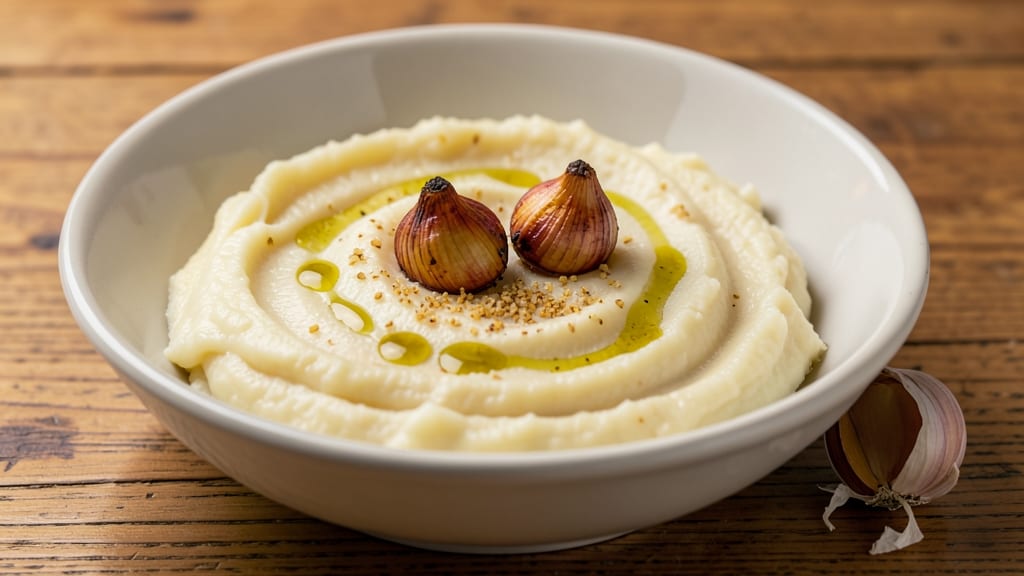
This mashed potatoes no dairy recipe delivers restaurant-worthy creaminess without a single drop of milk or butter—just roasted garlic, olive oil, and a few clever plant-based tricks. After years of perfecting dairy-free mashed potatoes, I’ve cracked the code for silky texture and rich flavor that even dairy lovers won’t miss.
The secret lies in roasting whole garlic cloves until caramelized, which adds depth without overpowering the potatoes’ natural sweetness.
The foundation of this recipe is simple: olive oil replaces butter for richness, while a touch of nutritional yeast adds that unmistakable cheesy umami without dairy. Roasting the garlic intensifies its flavor, and a splash of unsweetened almond milk creates the perfect creamy consistency.
Unlike store-bought dairy-free alternatives, this method delivers a texture that’s velvety, not grainy, and packed with flavor.
What you’ll end up with is a batch of mashed potatoes so smooth and flavorful, they’ll disappear faster than traditional versions. The roasted garlic infuses every bite with a sweet, mellow depth, while the olive oil keeps them rich and satisfying.
This recipe is foolproof, requires just 15 minutes of active prep, and pairs beautifully with roasted meats, vegan gravy, or even as a standalone dish.
Perfect for vegans, lactose-intolerant diners, or anyone craving a lighter yet indulgent side. The best part? You’ll never need dairy again to achieve this level of comfort food perfection. Let’s get started—your taste buds will thank you.
Ingredients for mashed potatoes no dairy
Roasted garlic and olive oil transform humble potatoes into velvety, restaurant-quality mashed potatoes—no dairy needed.
| Ingredient | Amount | Notes |
|---|---|---|
| Russet Potatoes 🥔 | 2 ½ lb | Yukon Gold or red potatoes work too |
| Extra-Virgin Olive Oil 🫒 | ½ cup | High-quality, fruity variety preferred |
| Whole Garlic Cloves 🧄 | 6 cloves | Roasted until caramelized |
| Unsweetened Almond Milk 🥛 | ½ cup | Unflavored, unsweetened preferred |
| Nutritional Yeast 🍄 | 2 tbsp | Fortified, for cheesy flavor |
| Sea Salt 🧂 | 1 ½ tsp | Diamond Crystal preferred |
| White Pepper 🌶️ | ½ tsp | Freshly ground for best flavor |
| Fresh Rosemary 🌿 | 1 tbsp | Chopped, for aromatic depth |
| Fresh Thyme Leaves 🌿 | 1 tsp | Or 0.5 tsp dried thyme |
| Lemon Juice 🍋 | 1 tbsp | Freshly squeezed, brightens flavor |
| Vegan Butter Alternative 🧈 | 2 tbsp | Miyoko's or Earth Balance |
| Vegetable Broth 💧 | ¼ cup | Low-sodium, for extra richness |
The potatoes are the star, so pick firm, blemish-free russets—they’re starchier and break down beautifully. If you can’t find russets, Yukon Gold or red potatoes work too, but they’ll be slightly creamier. The garlic? Roasting whole cloves until caramelized (about 30 minutes at 400°F) intensifies their sweetness dramatically. I grab mine from Whole Foods or the bulk section at Trader Joe’s—they’re fresher and more flavorful than pre-minced jars. The olive oil matters here too—avoid cheap brands; the fruity, peppery notes elevate everything. Look for extra-virgin labeled as ‘cold-pressed’ on the bottle.
No almond milk? Oat milk or cashew milk work just as well—just avoid sweetened varieties. Running low on nutritional yeast? White miso paste at half the amount adds umami depth, though it’ll have a slightly funkier profile. Fresh herbs are ideal, but dried thyme at one-third the amount gets you close in a pinch. The vegan butter alternative is non-negotiable for richness—Miyoko’s or Earth Balance melt beautifully. Pro tip: Toast the rosemary sprigs in the oven with the garlic for an extra aromatic boost (just remove before roasting). The lemon juice brightens the whole dish, so don’t skip it—even a splash makes a difference.
Potatoes keep best in the fridge for 3-4 days after peeling, so prep them ahead if you’re short on time. The roasted garlic cloves can be refrigerated for up to 1 week in a sealed container, though their flavor peaks within 3 days. For leftovers, reheat with a splash of vegetable broth to restore creaminess. I always make a double batch—these disappear faster than traditional mashed potatoes, and they reheat beautifully. Store in an airtight container with a lid pressed tight to prevent a skin from forming.
Why You'll Love This Recipe
- No Chopping Hassle: I swear by Russets here—peel, cube, and toss straight into boiling water. No peeling garlic cloves either; just smash them whole into the olive oil before roasting. That’s it. Minimal prep, maximum flavor.
- Umami Bomb: Between the roasted garlic and nutritional yeast, these potatoes pack a savory punch that’ll fool anyone. The almond milk keeps it creamy without dairy, and the olive oil adds richness that just sticks. Honestly, I’ve had people ask if I used butter.
- Weeknight & Potluck Star: This recipe works for lazy Tuesdays or holiday tables. Reheat leftovers in the microwave with a splash of almond milk, or serve it warm with roasted veggies. Even my picky teen clears his plate—(yes, even on a Tuesday night).
- Budget-Friendly Staple: Russets are cheap, olive oil lasts forever, and almond milk stretches further than heavy cream. Make a double batch for the freezer—just thaw and mash when needed. My go-to for feeding a crowd without breaking the bank.
Step-by-step instructions for creamy dairy-free mashed potatoes
Transform humble russet potatoes into velvety, restaurant-worthy mash using only plant-based ingredients.
Roast the Garlic for Maximum Flavor
Preheat your oven to 400°F. Peel the 6 cloves whole garlic cloves and place them on a parchment-lined baking sheet. Drizzle with 1 teaspoon of the 0.5 cup extra-virgin olive oil and sprinkle with a pinch of sea salt. Roast for 25-30 minutes until the cloves are golden brown and caramelized.
Here's the thing—roasting transforms mild garlic into sweet, jammy cloves that add incredible depth to your mash. You'll know they're perfect when they're soft enough to squish between your fingers and have a deep golden hue. Let them cool slightly before squeezing out the pulp—this makes it much easier to handle.
Boil the Potatoes Until Fork-Tender
While the garlic roasts, scrub and dry the 2.5 lb russet potatoes thoroughly. Cut them into 2-inch chunks and place in a large pot. Cover with cold water by 2 inches and add 1.5 teaspoons sea salt. Bring to a rolling boil over high heat, then reduce to a simmer and cook for 15-20 minutes until a knife slides in easily.
Don't skip the salted water—it enhances flavor and prevents bland potatoes. You want them tender but not falling apart. If they're still firm after 20 minutes, add 5 minutes more. Drain immediately when done, then return the potatoes to the pot and cover with a clean kitchen towel to steam-dry for 2 minutes. This step is crucial for preventing a watery mash.
Create the Creamy Base
In a small saucepan, combine the 0.5 cup unsweetened almond milk, 2 tablespoons nutritional yeast, 2 tablespoons vegan butter alternative, 0.25 cup vegetable broth, 1 tablespoon lemon juice, 0.5 teaspoon white pepper, and the roasted garlic pulp. Warm over medium heat for 3-4 minutes, stirring constantly until smooth and slightly thickened.
The nutritional yeast gives that unmistakable cheesy depth without dairy, while the lemon juice brightens the whole dish. This mixture should be silky smooth—if it's too thick, whisk in 1-2 tablespoons water to reach a light cream consistency. Keep it warm while you mash the potatoes.
Mash to Silky Perfection
Using a potato masher or ricer, work the hot potatoes in batches until completely broken down. I prefer a ricer for that ultra-smooth texture, but a masher works too. Add the warm almond milk mixture gradually, 2 tablespoons at a time, while mashing continuously. You should use about half of the mixture—save the rest for finishing.
Here's where it gets fun—taste and adjust. The remaining almond milk mixture should be used sparingly to reach your desired creaminess. For extra richness, fold in the 1 tablespoon chopped fresh rosemary and 1 teaspoon fresh thyme leaves at this stage. The herbs add aromatic complexity that elevates this beyond basic mashed potatoes.
Finish with Herb-Infused Olive Oil
In a small skillet, heat the remaining 0.25 cup extra-virgin olive oil over low heat. Add the 1 tablespoon fresh rosemary and 1 teaspoon fresh thyme leaves, cooking for 1 minute until fragrant. Immediately pour this infused oil over the mashed potatoes and stir gently to combine.
This final step creates a luxurious finish with herb-infused oil that coats each bite. For serving, transfer to a warmed bowl and garnish with a drizzle of the infused oil and a sprinkle of cracked black pepper. The result is a dairy-free mash that's impossibly creamy, flavorful, and perfect for any meal.
Pro Tips For Making Mashed Potatoes No Dairy
- CUT POTATOES EVENLY: Use a mandoline or sharp knife to slice Russets into ½-inch chunks—no bigger, no smaller. I learned this the hard way after boiling uneven pieces that turned to mush in some spots and stayed raw in others.
- ROAST GARLIC FIRST: Wrap whole garlic cloves in foil, drizzle with olive oil, and roast at 400°F (200°C) for 20 minutes before blending. This turns them sweet and mellow—no harsh bite, and it cuts down on prep time later.
- WARM THE ALMOND MILK: Heat the unsweetened almond milk to just below simmer before adding it to the potatoes. Cold milk makes the mash grainy; warm milk blends in smooth, just like dairy.
- PRESS, DON’T STIR: After mashing, press the potatoes through a ricer or fine-mesh sieve instead of stirring. It removes lumps and gives you that silky texture—no one likes gummy mashed potatoes, even dairy-free ones.
Serving suggestions for leftovers
Herb-Infused Garnishes
Finish your creamy mashed potatoes with a drizzle of herb-infused olive oil—simmer ¼ cup extra-virgin olive oil with 1 tbsp fresh rosemary and 1 tsp fresh thyme for 1 minute until fragrant.
This aromatic oil adds a luxurious touch while enhancing the dish’s natural flavors. For extra flair, sprinkle with toasted pumpkin seeds or crispy fried shallots for crunch. 🌿
Complementary Vegan Gravy
Pair your dairy-free mash with a rich mushroom gravy made from sautéed cremini mushrooms, vegan butter, and vegetable broth thickened with cornstarch. The earthy umami of the mushrooms bridges the gap between the potatoes and main dishes like roasted portobello mushrooms or seitan steaks.
A splash of white wine deepens the flavor profile beautifully.
Roasted Vegetable Bowls
Serve your mashed potatoes as a centerpiece in a hearty bowl with roasted Brussels sprouts, caramelized onions, and crispy chickpeas. The sweetness of the roasted veggies contrasts perfectly with the creamy, garlicky potatoes.
Top with a sprinkle of smoked paprika for a smoky kick that ties everything together.
Crispy Sides for Texture
Balance the silky smoothness with crunchy elements like crispy sage leaves (pan-fried in olive oil) or toasted sourdough croutons. These add a satisfying contrast in texture while absorbing any extra herb-infused oil.
For a smoky twist, try crispy roasted garlic slices on top—just thinly slice roasted cloves and bake until golden.
Global Flavor Twists
Transform your mash into a global-inspired side with simple swaps. For Mediterranean vibes, stir in za’atar seasoning and top with pomegranate seeds. For Asian fusion, add ginger, sesame oil, and scallions. These variations keep the dish exciting while maintaining its creamy, dairy-free foundation. 🌍
Presentation Tips
Use a warm serving bowl to keep your mash hot and creamy for longer. For a restaurant-worthy touch, pipe the potatoes onto a platter using a pastry bag with a star tip, then drizzle with infused oil.
Garnish with edible flowers or microgreens for a pop of color that makes the dish look as good as it tastes. 💫
Nutrition facts
Frequently asked questions
Can I use sweet potatoes instead of russets for this recipe?
Yes, but expect a slightly different texture—sweet potatoes are naturally creamier and more moist. For best results, reduce the almond milk to ¼ cup and add 1 extra tablespoon of olive oil to compensate for their natural sweetness. Roast the garlic as directed, but you may want to add a pinch of cinnamon or nutmeg to complement the sweet potatoes' flavor profile.
Why does my dairy-free mash turn out grainy?
Graininess usually happens when potatoes aren't cooked long enough or when too much liquid is added. Always boil potatoes until fork-tender (they should collapse easily), drain thoroughly, and steam-dry for 2 minutes before mashing. For ultra-smooth results, use a ricer instead of a masher. If it's still grainy, add warm almond milk 1 tablespoon at a time while mashing continuously.
What's the best dairy-free alternative if I don't have almond milk?
Oat milk or cashew milk work perfectly—they're both naturally creamy and neutral in flavor. For a richer option, blend ½ cup silken tofu with ¼ cup water until smooth and use that instead. Avoid soy milk (too beany) or rice milk (too thin). If using tofu, reduce the vegetable broth to 2 tablespoons to maintain balance.
Can I make this recipe ahead of time?
Prepare the mash up to 2 days ahead and store in an airtight container. Reheat gently in a saucepan with 2 tablespoons vegetable broth per serving, stirring constantly until warmed through. For best texture, add a splash of warm almond milk when reheating. If it thickens too much, whisk in 1 teaspoon olive oil to restore creaminess.
How can I make these taste more like traditional mashed potatoes?
Add ½ teaspoon onion powder and ¼ teaspoon smoked paprika to the almond milk mixture for depth. For extra richness, replace 1 tablespoon olive oil with 1 tablespoon vegan butter alternative> and mash in 1 tablespoon roasted garlic powder. The key is balancing umami—nutritional yeast provides that cheesy note, while roasted garlic adds savory complexity.