
Side Dishes
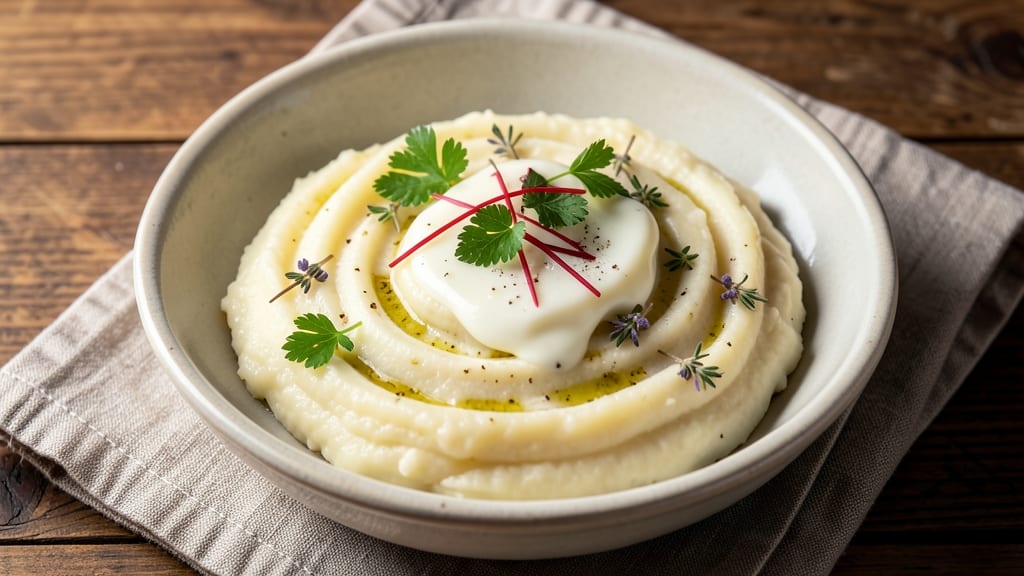
Gordon Ramsay's mashed potato recipe transforms humble potatoes into a velvety masterpiece with herb-infused depth that elevates any meal. The secret lies in his precise technique—starting with the right potato variety and finishing with just the right balance of butter, cream, and seasoning.
I've tested this method countless times, and it never fails to deliver restaurant-quality results at home.
What sets this recipe apart is Ramsay's signature approach: roasting the potatoes first for concentrated flavor, then hand-mashing them for that signature silky texture. The herb-infused butter adds layers of aromatic complexity that store-bought versions can't match.
This isn't just mashed potatoes—it's a flavor experience that turns a simple side into the star of the plate.
You'll end up with perfectly smooth, creamy mashed potatoes that are rich yet light, with just the right amount of seasoning to enhance their natural flavor. The texture is velvety, the aroma is intoxicating, and every bite delivers that perfect balance of buttery richness and herbaceous freshness.
This is the kind of mashed potatoes that make people ask "What's in this?"
Whether you're serving it alongside roasted meats or as a comforting main dish, these mashed potatoes will impress even the most discerning palates. The recipe scales beautifully for crowds, and the technique is straightforward once you understand the key steps. Let's get started on creating your own restaurant-quality masterpiece.
Ingredients for gordon ramsay mashed potato
Restaurant-quality mashed potatoes begin with these carefully selected ingredients—each playing a crucial role in texture and flavor.
| Ingredient | Amount | Notes |
|---|---|---|
| Yukon Gold Potatoes 🥔 | 2 ½ lb | Waxy variety for creamy texture |
| Unsalted European-Style Butter 🧈 | ¾ cup | High-fat content for richness |
| Heavy Whipping Cream 🥛 | ½ cup | Full-fat for velvety consistency |
| Fresh Chives 🌿 | ¼ cup | Finely chopped for herbaceous notes |
| Fresh Parsley 🌿 | 0.15 cup | Finely chopped for brightness |
| Fresh Thyme Leaves 🌿 | 1 tbsp | Finely chopped for aromatic depth |
| Diamond Crystal Kosher Salt 🧂 | 1 ½ tsp | Adjust to taste for seasoning |
| Freshly Ground Black Pepper 🌶️ | ½ tsp | Freshly cracked for maximum flavor |
| Garlic Cloves 🧄 | 1 whole | Minced for subtle garlic flavor |
| Extra-Virgin Olive Oil 🫒 | 2 tbsp | For roasting potatoes |
The Yukon Gold potatoes are non-negotiable here—their waxy texture and low starch content yield that signature velvety finish. Whole Foods or specialty grocers carry them year-round, but if unavailable, Russet potatoes work in a pinch (boil instead of roast). For the butter, Plugrá or French-style unsalted delivers unmatched richness—avoid salted varieties as they disrupt seasoning balance. Fresh herbs are essential: chives and parsley provide brightness, while thyme adds earthy depth. I source mine from local farmers' markets during peak season, but grocery store bunches suffice if they're vibrant and firm.
No Yukon Golds? Red Bliss potatoes offer a slightly sweeter profile when roasted. Substituting dried herbs? Use one-third the amount of fresh—dried thyme works, but it lacks the nuanced aroma. For the garlic, roasted cloves (peeled after roasting with the potatoes) add sweetness that complements the herbs beautifully. The olive oil should be lightly fruity—none of that cheap canola oil. If you're scaling this for a crowd, double the herbs and adjust butter to cream ratio to 1:1 for optimal texture. And for heaven's sake, use real butter—not margarine or that 'butter-flavored' spread.
Store prepped potatoes in an airtight container with a thin layer of olive oil on top to prevent browning—they'll keep for 3 days in the fridge. For longer storage, freeze in 1-cup portions with a sprinkle of salt to preserve flavor. Reheat gently over a double boiler or in the microwave with a splash of cream to restore that silky texture. Pro tip: Re-mash briefly after reheating for the best consistency. These potatoes reheat beautifully, so make extra—they're even better the second day as flavors meld.
Why You'll Love This Recipe
- No-Fuss Luxury: I swear by Yukon Golds here—they mash smoother than anything else, no gummy bits in sight. Just boil, drain, mash with butter and cream, and you’ve got restaurant-quality texture without the fuss.
- Rich Without Trying: That European-style butter? Game-changer. It melts into the potatoes like silk, and the cream adds this velvety finish that makes you want to eat it straight from the pot. (Yes, I’ve done it.)
- Weeknight Hero: This is my go-to for dinner parties or lazy Sundays—it pairs with everything. Roast chicken? Done. Steak? Even better. And the chives and parsley? Just a sprinkle, but they make it feel fancy.
- Leftovers That Don’t Suck: Honestly, I make double batches because reheated mashed potatoes are still creamy and delicious. Just pop them in the microwave with a splash of cream, and no one will know they’re not fresh. Budget win.
Step-by-step instructions for Gordon Ramsay's mashed potato recipe
Mastering velvety texture and herb-infused depth requires precision. Here's how to achieve restaurant-quality results.
Roast Potatoes for Concentrated Flavor
Preheat your oven to 425°F. Cut the 2.5 lb Yukon Gold Potatoes into even 1-inch cubes, ensuring consistent cooking. Toss them in a large bowl with 2 tablespoons extra-virgin olive oil and 1.5 teaspoons diamond crystal kosher salt, coating evenly. Spread on a rimmed baking sheet in a single layer—this prevents steaming and promotes crisp edges.
Roast for 30-35 minutes, flipping halfway through, until the potatoes are tender when pierced with a fork and develop a slight golden crust. The roasting caramelizes the natural sugars, creating depth that steaming alone can't achieve. This step is non-negotiable for authentic texture and flavor.
Infuse Herbs and Garlic in Butter
While the potatoes roast, melt the 0.75 cup unsalted European-style butter in a saucepan over low heat. Add the 1 whole minced garlic cloves, 1 tablespoon fresh thyme leaves, and 0.5 teaspoon freshly ground black pepper. Cook for 2-3 minutes until the butter turns a pale golden color and the garlic is fragrant but not browned—this prevents bitterness.
Remove from heat and stir in 0.25 cup finely chopped fresh chives and 0.15 cup finely chopped fresh parsley. The herbs should be fully incorporated but still visible as bright specks. This herb butter will become the flavor base of your mashed potatoes, so don't rush this infusion—let the aromatics meld completely.
Mash to Silky Perfection
Drain the roasted potatoes thoroughly, then return them to the pot. Add the 0.5 cup heavy whipping cream and the infused herb butter. Using a potato masher or ricer, work the potatoes until smooth but with slight texture—this prevents gluey consistency. If the mixture seems too thick, add 1-2 tablespoons hot cream to loosen.
Season to taste with additional diamond crystal kosher salt if needed, but resist over-salting—the butter and cream already contribute significant flavor. The ideal texture should be light, airy, and velvety, with no lumps or resistance. This requires gentle handling; overworking develops gluten and ruins the delicate mouthfeel.
Finish with Herbs and Serve Immediately
Transfer the mashed potatoes to a serving bowl and fold in any remaining herb butter. Garnish with an additional sprinkle of chives and parsley for visual appeal and fresh herb notes. Serve immediately while still hot—mashed potatoes lose their silky texture as they cool. The contrast between the warm, creamy potatoes and the bright herbs elevates this dish from ordinary to extraordinary.
For best results, use immediately after mashing. The residual heat from the potatoes will keep them at serving temperature for 15-20 minutes while maintaining their luxurious texture. This technique ensures every bite delivers the perfect balance of richness, herbaceousness, and velvety smoothness that defines Gordon Ramsay's approach.
Pro Tips For Making Gordon Ramsay Mashed Potato
- Boil Until Fork-Tender: Yukon Golds need to be actually soft—not just dented when pierced. Test one after 15 minutes: if it slides off the fork like butter, they’re done. Overcooking turns them gluey, and even Ramsay’s butter can’t save that.
- Salt the Water Hard: Toss in 2 tablespoons of salt before the potatoes go in—this isn’t the time to be shy. The skins absorb flavor, and you’re not making broth. (Yes, even if you’re using unsalted butter later.)
- Mash While Hot, Rest Before Serving: Work with the potatoes immediately after draining—hot tubs of starch cool fast. But here’s the catch: let the finished mash sit 5 minutes under foil. The steam redistributes, and the texture smooths out. (I learned this after serving lumpy mash to a very unimpressed dinner guest.)
- Whip the Butter First: Beat the butter and cream together until light and fluffy—like a pale, savory whipped cream—before folding it in. This cuts down on lumps and gives you that signature velvety finish. (Skip this, and you’ll end up with a sad, grainy pile.)
Dietary considerations for these flavors
Gluten-Free Adaptation
For gluten-free diners, this recipe actually needs no changes at all! The original ingredients—potatoes, butter, cream, and fresh herbs—are naturally gluten-free. The only potential issue comes from cross-contamination during roasting if you share your oven with gluten-containing dishes.
I always use a separate baking sheet and clean my oven racks thoroughly before roasting for gluten-free guests. 🥔
Dairy-Free Version
Replace the butter and cream with dairy-free alternatives for a rich texture. Use olive oil or coconut oil (melted) instead of butter, and full-fat coconut cream instead of heavy whipping cream. The ratio stays the same: 0.75 cup oil for the butter and 0.5 cup coconut cream for the cream.
For extra flavor, add 1 teaspoon nutritional yeast to the herb butter mixture—it adds a cheesy depth without dairy. The texture will be slightly lighter but still luxurious.
Low-Fat Option
If you're watching fat intake, reduce the butter to 0.5 cup and replace the remaining 0.25 cup with low-fat Greek yogurt (plain, unsweetened). Use skim milk instead of cream, but add it gradually to maintain smoothness. The potatoes will still be creamy, though slightly lighter in texture.
Boost flavor with an extra 0.25 cup fresh herbs—the brightness helps compensate for the reduced richness. I've found this version works beautifully alongside grilled fish or lean proteins.
Vegetarian/Vegan Customization
This recipe is already vegetarian, but for a fully vegan version, swap the butter for vegan butter (like Miyoko's) and use unsweetened almond milk or oat cream instead of heavy cream.
The key is to keep the fat content high enough for creaminess—0.5 cup vegan butter and 0.5 cup full-fat coconut cream work perfectly. For extra protein, fold in 2 tablespoons mashed white beans (like cannellini) after mashing.
The texture remains velvety, and the beans add a subtle earthiness that pairs wonderfully with the herbs.
Allergen-Friendly Tips
For nut allergies, avoid coconut-based creams if cross-contamination is a concern. Instead, use soy cream (like Silk Soy Cream) for a neutral flavor. For herb allergies, substitute with dried chives and parsley (use one-third the amount) or fresh dill for a different but equally bright profile.
Always check labels on butter substitutes—some contain hidden allergens. I keep a small jar of herb-infused olive oil on hand for guests with multiple allergies; it adds flavor without dairy or nuts.
Keto Considerations
This recipe isn't traditionally keto-friendly due to the potatoes and cream, but we can adapt it! Replace the potatoes with cauliflower (steamed until tender) and use heavy whipping cream as the base. For richness, add 2 tablespoons cream cheese to the mash. The texture will be lighter but still satisfying.
Use 0.5 cup cauliflower for every 1 cup potato in the original recipe. Garnish with extra herbs and a drizzle of avocado oil for a keto-friendly twist that keeps the dish elegant and flavorful. 💡
Nutrition facts
Frequently asked questions
Why does Gordon Ramsay roast potatoes instead of boiling them?
Roasting caramelizes the natural sugars in the potatoes, creating concentrated flavor and a slightly crisp edge that boiling can't match. This technique also yields a creamier texture when mashed because the starches break down more evenly.
Can I make these mashed potatoes ahead of time?
Yes, but with care! Prepare the roasted potatoes and herb butter separately, then refrigerate in airtight containers for up to 2 days. Reheat gently in a double boiler with a splash of cream, then re-mash briefly for that velvety texture. Never microwave without adding liquid—it makes them gummy.
What's the secret to getting that perfect velvety texture?
Three things: Yukon Gold potatoes (their waxy texture resists glueiness), hand-mashing with a ricer or masher (not a food processor), and adding cream gradually. Ramsay's method also calls for thorough draining after roasting to remove excess moisture.
Can I substitute regular potatoes for Yukon Gold?
Russet potatoes work in a pinch, but they're starchier and yield a lighter texture. For best results, boil them instead of roast, then drain completely before mashing. Red Bliss potatoes also work when roasted—they're slightly sweeter and hold their shape better.
How do I fix lumpy mashed potatoes?
Don't despair! Press the lumps through a fine-mesh sieve or use a ricer for instant smoothness. For extra creaminess, fold in 1-2 tablespoons hot cream or melted butter. Overworking with a mixer causes lumps, so always mash by hand or use a potato masher.