Main Courses
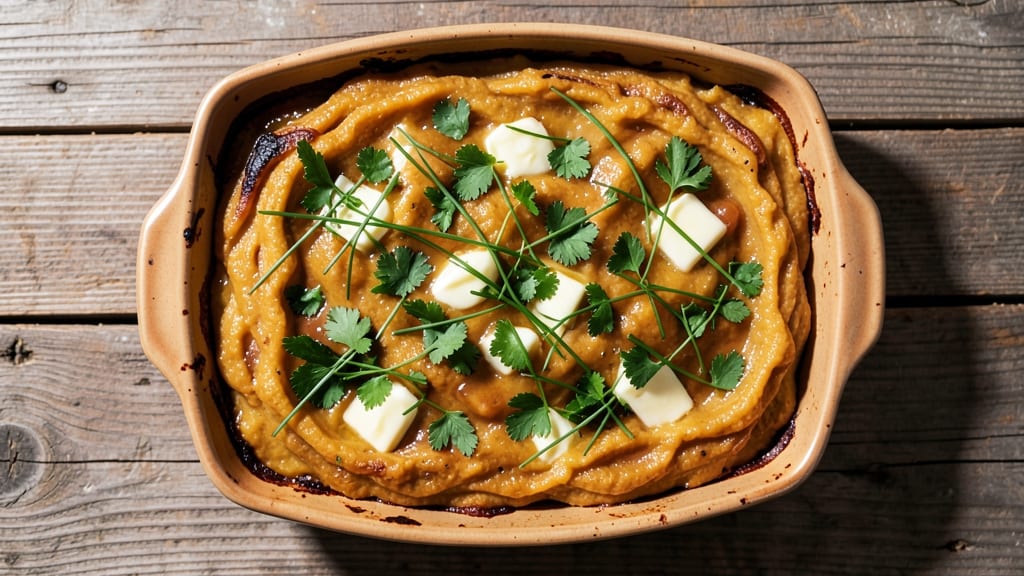
Recreating the Pioneer Woman's twice-baked potato casserole brings comfort food to its most satisfying form—herb-buttered layers that melt in your mouth and a crispy vinegar-kissed top that begs for seconds.
This dish is the kind of recipe that transforms a simple supper into a showstopper, especially when you nail the texture contrast between creamy potatoes and golden, crackly crust. I first made this version after a long day of baking, and it became an instant family favorite.
The secret lies in the layers: fluffy potatoes mixed with rich butter and herbs, topped with a creamy sour cream mixture, then finished with a vinegar bath for that signature crisp.
Unlike some versions that rely on heavy cheese, this method keeps the dish light yet indulgent, with just enough tang to balance the richness. The key is patience—letting the potatoes cook through before adding the final vinegar step ensures that crispy top without sacrificing moisture.
By the time it emerges from the oven, you’ll have a casserole with crispy edges that shatter at the touch and creamy, buttery centers that practically dissolve on your tongue. The aroma alone—warm herbs, buttery potatoes, and a hint of vinegar—will have everyone gathered around the table.
This is the kind of dish that feels like a hug, especially when served with a simple green salad or roasted vegetables.
Best of all, this recipe is adaptable—swap in bacon for extra savoriness, or add cheddar cheese if your family craves more richness. The Pioneer Woman’s approach proves that classic comfort food doesn’t have to be complicated, just perfectly executed. Let’s get baking!
Ingredients for pioneer woman recipe for twice baked potato casserole
Twelve simple ingredients create the ultimate crispy, creamy Pioneer Woman casserole.
| Ingredient | Amount | Notes |
|---|---|---|
| Russet Potatoes 🥔 | 4 lbs | Medium size, peeled and cubed |
| Unsalted Butter 🧈 | ¾ cup | Cold, cut into small cubes |
| Fresh Parsley 🌿 | ¼ cup | Chopped, stems removed |
| Fresh Chives 🌱 | ¼ cup | Chopped, for extra brightness |
| Salt 🧂 | 2 tsp | Kosher or sea salt |
| Black Pepper 🌶️ | 1 tsp | Freshly ground preferred |
| Sour Cream 🥛 | 1 cup | Full-fat for creaminess |
| Sharp White Vinegar 🍶 | ¼ cup | For crispy top |
| Heavy Cream 🥛 | ½ cup | For extra richness |
| Garlic Powder 🧄 | 1 tsp | For subtle depth |
| Onion Powder 🧅 | 1 tsp | Adds savory base |
| Sharp Cheddar Cheese 🧀 | 1 cup | Shredded, optional richness |
| Bacon 🥓 | 6 oz | Cooked and crumbled, optional |
The potatoes are the heart of this dish, so pick Russets—they’re the fluffiest when baked. I always grab the organic ones at Whole Foods if I’m feeling fancy, but the regular store brand works just fine. Medium size is key: too small and they’ll overcook; too big and they’ll stay underdone. Peeled and cubed evenly, they’ll cook through perfectly. For the herbs, fresh is best—the parsley and chives add that bright, fresh finish that makes this casserole sing. If you’re short on time, dried herbs work, but use half the amount. The butter? Cold cubes mix better into the potatoes and create those pockets of richness. Don’t melt it first—trust me on this.
No sour cream? Greek yogurt works in a pinch, though it’ll be slightly tangier. Short on vinegar? Apple cider vinegar gives a milder, sweeter note. Want extra flavor? Swap half the heavy cream for chicken broth—it adds depth without overpowering. The cheddar is optional, but if you add it, shred it yourself—pre-shredded gets clumpy. For the bacon, cook it crispy and crumble it finely so it distributes evenly. If you’re feeling adventurous, try adding a dash of smoked paprika to the potato mix for a subtle smoky kick.
This casserole reheats beautifully—honestly, it’s even better the next day. Store leftovers covered in the fridge for up to 4 days, or freeze portions for 3 months. I like to portion it into individual baking dishes before freezing so I can just pop one in the oven when I’m craving comfort food. For the crispy top, don’t rush the vinegar step—let it sit for at least 10 minutes before baking so the potatoes absorb the moisture. That’s what creates that perfect crackly crust.
Why You'll Love This Recipe
- One-Pot Magic: I swear by this recipe when I need zero cleanup. Bake, slice, and broil—no extra pans, no fuss. Just russets, butter, and herbs transforming into golden perfection.
- Buttery Herb Bomb: That first bite? Pure comfort. The chives and parsley brighten the rich, creamy potatoes, while the butter melts into every layer. Honestly, it’s the kind of flavor that makes you pause mid-bite.
- Meal Prep MVP: Make it ahead, reheat it later—this casserole keeps beautifully. I double the batch on Sundays so I can grab it for lunches all week, and it still tastes fresh.
- Budget-Friendly Feast: Russets are cheap, butter stretches far, and herbs add luxury without cost. Feed a crowd for under $15, and everyone leaves happy (even my picky son, who usually turns his nose up at potatoes).
Step-by-step instructions for Pioneer Woman twice-baked potato casserole
Here's how to create that perfect balance of creamy, herby layers and a golden, vinegar-kissed crust.
Prepare the Potato Base
Preheat your oven to 375°F. While it heats, boil the 4 lbs of Russet Potatoes in salted water for 15-20 minutes until fork-tender. Drain them immediately and let them steam-dry for 2 minutes in the colander—this prevents a watery casserole. Transfer the potatoes to a large mixing bowl and mash them until smooth, but leave some texture for that classic potato feel.
While still warm, stir in the 0.75 cup of cold unsalted butter, 1 cup of sour cream, 0.5 cup of heavy cream, 1 tsp of garlic powder, 1 tsp of onion powder, 2 tsp of salt, and 1 tsp of black pepper. Mix until the butter melts completely and the mixture is creamy. This is your flavor foundation—don't skip the butter, as it creates that signature richness.
Layer and Season the Casserole
Transfer the potato mixture to a 9x13-inch baking dish, spreading it evenly. Sprinkle the 1 cup of shredded sharp cheddar cheese over the top, then scatter the 0.25 cup of chopped fresh parsley and 0.25 cup of chopped fresh chives evenly across the surface. If using, distribute the 6 oz of cooked and crumbled bacon evenly—this adds a smoky depth that pairs perfectly with the potatoes.
For even cooking, press down gently on the potato mixture with a spatula to eliminate air pockets. This ensures the casserole cooks uniformly and doesn't develop a dry top layer. Cover the dish tightly with aluminum foil and bake for 30 minutes—this initial bake helps the flavors meld and the cheese melt smoothly.
Create the Crispy Vinegar Topping
Remove the casserole from the oven and uncover it. In a small bowl, whisk together 0.25 cup of sharp white vinegar with 2 tablespoons of cold unsalted butter until the butter is fully incorporated. This mixture is your secret to that signature crispy top—it creates a golden, caramelized crust while keeping the interior creamy.
Using a pastry brush or your fingers, spread the vinegar-butter mixture evenly over the entire surface of the casserole. Return it to the oven (still uncovered) and bake for an additional 20-25 minutes until the top is deep golden brown and the edges are bubbling. The vinegar will evaporate, leaving behind that irresistible crispy texture.
Rest and Serve
Let the casserole rest for 10 minutes before serving—this allows the layers to set slightly and makes it easier to slice. The contrast between the crispy top and creamy interior is what makes this dish so special. Cut into squares and serve immediately, as the texture softens quickly once removed from the oven.
For extra flair, garnish each serving with an additional sprinkle of chopped fresh parsley and chives. This casserole is best enjoyed fresh out of the oven, so don't wait too long to serve. The crispy top will soften over time, so plan to eat it right away for the full experience.
Pro Tips For Making Pioneer Woman Recipe For Twice Baked Potato Casserole
- Boil Until Fork-Tender: Russets need to be fully cooked before baking—test with a fork, not your gut. I’ve ruined batches by cutting corners here; aim for potatoes that collapse like overripe fruit, not ones that still resist after 15 minutes of boiling. (Yes, even if the recipe says "until fork-tender"—double-check.)
- Dry Those Potatoes: After boiling, spread the potatoes on a baking sheet and let them air-dry for 10 minutes. Wet skins = steam = soggy casserole. I learned this the hard way when my first attempt turned into a sad, gloppy mess. (Pro move: Use a clean kitchen towel to pat them dry if you’re in a rush.)
- Butter the Dish First: Grease your baking dish before adding the potatoes—this prevents sticking and makes slicing easier later. I used to skip it, thinking the butter in the recipe would handle it, but the difference is night and day. (Use about 1 tablespoon of melted butter, spread thin.)
- Chill Before Baking: Let the assembled casserole sit uncovered in the fridge for 30 minutes before baking. This helps the butter crisp up properly and prevents a greasy top. I was skeptical—until I tried it and got that perfect golden crust instead of a sad, buttery puddle. (Your future self will notice the difference.)
Wine and beer pairings for pioneer woman recipe for twice baked potato casserole
Crispy White Wine
The vinegar-kissed top of this casserole pairs beautifully with a crisp, dry white wine like Sauvignon Blanc from New Zealand. The citrusy notes and bright acidity cut through the richness of the butter and potatoes, cleansing your palate with every bite.
I love reaching for a bottle of Cloudy Bay—its zesty grapefruit and herbal undertones complement the parsley and chives in the dish. Serve it slightly chilled (45-50°F) to enhance its refreshing qualities. 🍷
Malbec for Bold Lovers
If you prefer red wine, a medium-bodied Argentinian Malbec brings unexpected depth to this comforting dish. The dark fruit and subtle spice notes in wines like Catena Zapata stand up to the smoky bacon and sharp cheddar, while the wine's velvety texture balances the casserole's crispy edges.
Decant it for 30 minutes before serving to soften its tannins and let the flavors shine. 🍇
Hoppy IPA Balance
For beer enthusiasts, a West Coast-style IPA with its bold hop bitterness provides a refreshing contrast to the creamy potatoes. I recommend Stone Ruination—its citrusy hops and piney aroma complement the vinegar's tang while the malt backbone stands up to the dish's richness.
Serve it ice-cold (38-40°F) to highlight its crisp, effervescent qualities. 🍺
Light Lager Option
A crisp, clean German Pilsner like Warsteiner offers a lighter pairing that won't overpower the casserole's flavors. The subtle malt sweetness and delicate hop character let the dish's herbs and vinegar shine through.
This is my go-to choice for casual gatherings when I want something refreshing without competing with the main event. 🍻
Seasonal Adaptations
For summer versions, opt for a dry Riesling with its bright acidity and stone fruit notes. In winter, a full-bodied Chardonnay with buttery notes enhances the dish's richness. I always adjust based on the season—summer calls for something crisp, while winter deserves a more robust pairing. 🌿
Non-Alcoholic Pairings
For those skipping alcohol, a sparkling ginger beer like Feather's adds zing without overpowering. Alternatively, a cucumber-mint infused water with a splash of lime keeps things refreshing. The key is balancing the dish's richness with something bright and palate-cleansing. 💧
Nutrition facts
Frequently asked questions
Why does the Pioneer Woman recipe use vinegar for the crispy top?
The vinegar creates a chemical reaction when baked, producing a golden-brown crust that's both crispy and slightly tangy. It also helps evaporate excess moisture, preventing a soggy top. The acidity in vinegar enhances the flavors of the butter and herbs while adding that signature crackly texture.
Can I make this casserole ahead of time?
Assemble the dish up to 24 hours ahead and refrigerate uncovered. When ready to bake, add the vinegar-butter mixture and bake as directed. For freezing, assemble completely (including the vinegar step), cover tightly, and freeze for up to 3 months. Thaw overnight in the fridge before baking.
What's the secret to keeping the potatoes creamy?
Don't overmash the potatoes—leave some texture. Also, steam-dry them thoroughly after boiling to remove excess moisture. The key is using cold butter mixed into warm potatoes, which creates pockets of richness without making them watery. Pressing down firmly before baking also prevents air pockets that can dry out the dish.
Can I substitute sour cream with something else?
Yes! Use Greek yogurt (full-fat for best texture) or crème fraîche in a 1:1 ratio. For a lighter version, try half-and-half mixed with 1 tablespoon of lemon juice to mimic the tang. Just note the texture may be slightly different—sour cream gives that signature creaminess this dish is known for.
How do I fix a soggy top?
If your casserole turns out soggy, it's likely from too much moisture. For future attempts, ensure potatoes are thoroughly drained and steamed-dry. When adding the vinegar-butter mixture, let it sit for 10 minutes before baking to allow absorption. For a quick fix, broil the top for 2-3 minutes at the end to crisp it up.