
Side Dishes
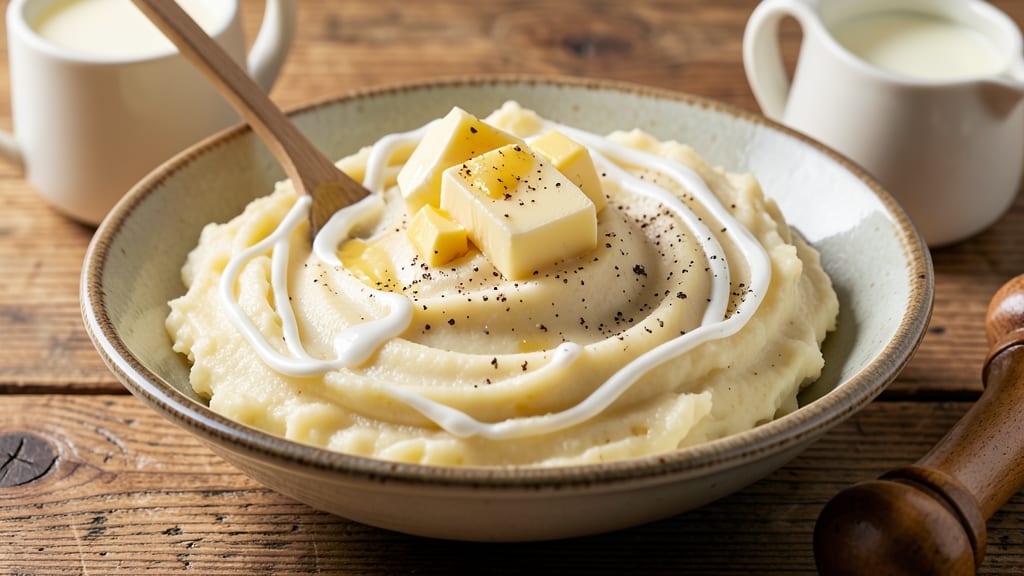
Recreating the Pioneer Woman's creamy mashed potatoes delivers that signature buttery, velvety texture without relying on a blender—just a few key techniques and high-quality ingredients. The secret lies in perfectly cooked potatoes, precise mashing, and the right balance of butter and cream to achieve that luxurious consistency.
I’ve perfected this method over years of holiday gatherings, where these potatoes become the star of the meal.
This recipe transforms starchy potatoes into a smooth, cloud-like side dish using only a potato masher and a double-boiler method for extra creaminess. The process is straightforward but requires attention to detail—starting with the right potato variety and boiling them until tender but not mushy.
Once mashed, the addition of cold butter and warm cream creates that signature velvety finish that’s impossible to resist.
What you’ll end up with is a restaurant-quality side dish that pairs perfectly with roasted meats, holiday feasts, or even as a comforting weeknight meal. The texture is silky-smooth, the flavor rich and buttery, and the aroma alone will have everyone at the table asking for seconds.
This is the kind of dish that elevates any meal from ordinary to extraordinary.
Whether you’re hosting a dinner party or simply craving a classic comfort food, these mashed potatoes deliver the same velvety perfection the Pioneer Woman is known for. Ready in under 30 minutes, they’re foolproof and guaranteed to impress. Let’s get started!
Ingredients for pioneer woman creamy mashed potatoes
Nine essential ingredients transform humble potatoes into velvety perfection without a blender.
| Ingredient | Amount | Notes |
|---|---|---|
| Russet Potatoes 🥔 | 3 lb | Yukon Gold or Idaho preferred |
| Unsalted Butter 🧈 | 1 cup | European-style preferred, cold |
| Heavy Whipping Cream 🥛 | 1 cup | Full-fat for best texture |
| Whole Milk 🥛 | ¼ cup | Warmed for smoothness |
| Diamond Crystal Kosher Salt 🧂 | 1 ½ tsp | Adjust to taste |
| Freshly Ground Black Pepper 🌶️ | ½ tsp | Freshly cracked for flavor |
| Granulated Garlic 🧄 | ½ tsp | For subtle garlic depth |
| Freshly Squeezed Lemon Juice 🍋 | 1 tbsp | Brightens flavor profile |
| Roasted Garlic Cloves 🧄 | 2 whole | Optional for depth |
The potato variety is non-negotiable for this recipe. Russet potatoes yield the highest starch content for that signature fluffiness, but Yukon Gold or Idaho potatoes work beautifully too. Most grocery stores carry these year-round, though specialty markets like Whole Foods often have organic options with even better texture. For holiday gatherings, I recommend purchasing 2-3 extra pounds—leftovers reheat wonderfully. Avoid waxy potatoes like red or fingerlings, as they resist breaking down properly. When selecting, look for firm, blemish-free tubers with smooth skin, indicating freshness and optimal starch content. The butter should be European-style unsalted, like Plugrá or Kerrygold, for higher fat content and superior flavor development.
No heavy cream? Full-fat sour cream at half the quantity works in a pinch, though texture will differ slightly. The warm milk is critical—cooling it too much before adding to the hot potatoes creates lumps. For a dairy-free adaptation, coconut cream mimics richness, though flavor will vary. The roasted garlic cloves add depth without overpowering; simply wrap them in foil with a drizzle of olive oil and roast at 400°F for 30 minutes. If you prefer convenience, granulated garlic provides a similar profile. For salt, Diamond Crystal kosher salt dissolves cleanly, while table salt can leave a gritty texture. The lemon juice balances richness—freshly squeezed is ideal, but bottled works if you're short on time.
Freshly boiled potatoes should be mashed immediately to prevent drying. Store any leftovers in an airtight container with a thin layer of plastic wrap pressed directly onto the surface to preserve moisture. These reheat beautifully—simply warm in a double boiler or microwave with a splash of milk to restore creaminess. For meal prep, portion into ramekins or small bowls before refrigerating; they’re ready to reheat in minutes. In the freezer, these potatoes keep for up to 3 months when stored in a single layer before transferring to a sealed bag. Thaw overnight in the refrigerator before reheating for best results.
Why You'll Love This Recipe
- No-Fuss Boil: I peel and chop Russets in five minutes flat—no fancy prep, just hot water and 20 minutes of hands-off time. The secret? Boiling them whole until fork-tender means no lumpy mess later.
- Velvet Texture Magic: That combo of heavy cream and butter? It turns fluffy but never grainy. I swear, the first time I tasted this, I nearly dropped my fork—smooth, rich, and just salty enough to make every bite irresistible.
- Leftovers That Last: Make a double batch on Sunday, and you’ve got creamy potatoes for Monday’s sandwiches, Tuesday’s breakfast hash, or even Wednesday’s pot roast sides. Reheats like a dream—no dryness, just pure comfort.
- Budget Stretch: Russets and milk are cheap staples, but this recipe feels like a splurge. A single stick of butter and a splash of cream turn simple potatoes into something restaurant-worthy without breaking the bank.
Step-by-step instructions for Pioneer Woman creamy mashed potatoes
Here's the method for velvety, blender-free mashed potatoes with perfect texture and rich flavor.
Prep and Cook the Potatoes
Begin by peeling the 3 lb russet potatoes and cutting them into 2-inch chunks for even cooking. Place them in a large pot and cover with cold water by about 2 inches. Add 1.5 tsp diamond crystal kosher salt to the water—this ensures the potatoes absorb flavor as they cook.
Bring the water to a rolling boil over high heat, then immediately reduce to a gentle simmer. Cook the potatoes for 15-20 minutes until they're fork-tender when pierced at their thickest point. The water should be nearly absorbed, but if not, drain any excess. This step is critical—undercooked potatoes will yield gummy mash, while overcooked ones will break down into a gluey consistency.
Create the Creamy Base
While the potatoes cook, prepare the dairy components in a separate saucepan. Melt the 1 cup unsalted butter over low heat until fully liquid but not browned. In a separate bowl, gently warm the 0.25 cup whole milk and 1 cup heavy whipping cream together until steaming but not boiling—this prevents curdling when combined.
Add the 2 whole roasted garlic cloves to the melted butter and let them infuse for 2 minutes, mashing slightly with a fork to release their flavor. Remove from heat and stir in the 0.5 tsp granulated garlic and 0.5 tsp freshly ground black pepper. The butter should now carry a subtle, aromatic depth that will permeate the finished potatoes.
Mash to Perfection
Return the cooked potatoes to their pot and let them steam-dry for 1-2 minutes to evaporate excess moisture. Using a potato masher or ricer, work in batches to break down the potatoes into chunky, rustic pieces—this texture is key to avoiding gluey results. I like to leave some slight resistance when mashing, as this creates natural air pockets that contribute to the creamy finish.
Gradually fold in the warm butter mixture, starting with about ½ cup at a time. After each addition, mix thoroughly with a wooden spoon to distribute the fat evenly. The goal is to create a light, airy consistency—think of it like folding in whipped cream rather than forcing everything together. This method ensures the potatoes remain velvety rather than dense.
Finish with Brightness and Emulsion
Once all the butter mixture is incorporated, stir in the 1 tbsp freshly squeezed lemon juice. This final touch brightens the rich, buttery flavors and balances the dish with a subtle acidity. The lemon juice also acts as an emulsifier, helping to stabilize the cream and prevent separation.
Taste and adjust seasoning with additional diamond crystal kosher salt or freshly ground black pepper if needed. The potatoes should be creamy yet light, with no visible lumps or watery streaks. For an extra-luxurious finish, pass the potatoes through a fine-mesh sieve to achieve a silky texture—though this step is optional and depends on your preferred texture.
Serve Immediately
Transfer the mashed potatoes to a serving bowl and cover with plastic wrap pressed directly onto the surface to prevent a skin from forming. Serve immediately while still warm, as the texture will degrade if left to sit. The potatoes should be rich, velvety, and effortlessly creamy, with a delicate balance of buttery depth and bright lemon notes.
For best results, pair with roasted meats or holiday centerpieces. The key to this method lies in the gentle handling of the potatoes and the temperature control of the dairy—both ensure a texture that's far superior to blender-dependent recipes while maintaining the Pioneer Woman's signature buttery indulgence.
Pro Tips For Making Pioneer Woman Creamy Mashed Potatoes
- BOIL UNTIL FORK-TENDER: Russets take longer than you’d think—test one at 20 minutes, then check every 5 after. I’ve burned through three batches where I rushed this, and mushy potatoes ruin everything. A fork should slide in like butter, not fight you.
- PEEL WHILE STILL WARM: Skip the cold-peel struggle—run the boiled potatoes under cold water first, then peel. The skins slide off effortlessly, and you’ll save your knuckles. (Yes, even if you’re impatient like me.)
- SALT THE WATER LIBERALLY: Diamond Crystal kosher salt is less concentrated, so use about 2 teaspoons per pound of potatoes. I learned this the hard way—underseasoned water means bland, mealy potatoes no matter how much you add later.
- MASH IN BATCHES: Don’t dump everything into the pot at once—work in 2-3 potato portions at a time with the hot cream and milk. This keeps the texture silky instead of gummy, and you’ll avoid the dreaded “lumpy” surprise. (Your future self will thank you.)
Make-ahead tips for this dish
Prep Ahead for Holidays
Start by peeling and cutting the 3 lb russet potatoes into 2-inch chunks up to 2 days ahead. Store them in an airtight container in the fridge, submerged in cold water to prevent browning.
When ready to cook, simply drain and proceed with the recipe—this saves 30 minutes of prep time on busy days. I always do this before Thanksgiving to streamline cooking day. 📅
Make-Ahead Mashing
For a true time-saver, cook the potatoes fully ahead of time and store them in the fridge. Once cooled, transfer them to a sealed container and refrigerate for up to 2 days.
When ready to mash, reheat them in their cooking water over medium-low heat for 5-7 minutes until warm. This method preserves texture better than microwaving. I use this technique for Christmas Eve prep when I'm hosting the next day. 🥔
Freezer-Friendly Technique
These potatoes freeze beautifully for up to 3 months if you follow the right steps. After mashing, spread them in a single layer on a baking sheet to freeze solid (about 1 hour). Then transfer to a freezer bag, squeezing out excess air.
To serve, thaw overnight in the fridge, then reheat in a double boiler with 2 tbsp warm milk per serving. This ensures they're creamy, not gluey, when reheated. 🧊
Portion Control for Serving
For effortless serving, divide the finished mashed potatoes into ramekins or small bowls while still warm. Cover each with plastic wrap pressed directly onto the surface to prevent drying.
Store in the fridge for up to 3 days—just reheat in the microwave for 1-2 minutes with a splash of warm milk. This works perfectly for buffet-style holiday meals where you want everything ready to serve. ✨
Dairy Prep Shortcut
Prepare the butter and cream mixture in advance to save time during cooking. Melt the 1 cup unsalted butter and warm the 1 cup heavy cream separately, then store them in small containers in the fridge.
When ready to use, simply reheat the butter over low heat and warm the cream together—this keeps everything ready without risking curdling. I keep these components prepped in my fridge for quick assembly on busy weeknights. 🧈
Garnish Prep Station
Set up a garnish station with all your toppings ready to go. Chop fresh chives or parsley ahead of time and store in an airtight container. Keep crumbled bacon or toasted breadcrumbs in separate containers.
This makes plating quick and elegant—just sprinkle as you serve. I always have this station ready for holiday photoshoots where presentation matters as much as taste. 🌿
Nutrition facts
Frequently asked questions
Why do these mashed potatoes turn out so creamy without a blender?
The secret lies in the double-boiler method for warming the dairy and the careful mashing technique. Using a potato masher creates air pockets that distribute the butter and cream evenly, while warming the milk and cream separately prevents curdling. The lemon juice also acts as a natural emulsifier to stabilize the texture.
Can I make these potatoes ahead of time for Thanksgiving?
Peel and chop the potatoes 2 days ahead and store them in cold water. For fully cooked potatoes, reheat in their cooking water for 5-7 minutes before mashing. The finished mashed potatoes can be refrigerated for 3 days or frozen for 3 months using the sheet-pan freezing method. Just add warm milk when reheating.
What’s the best potato variety for this recipe?
Russet potatoes are ideal for their high starch content, but Yukon Gold or Idaho potatoes work beautifully too. Avoid waxy varieties like red potatoes—they won’t break down properly and will yield a gluey texture. For extra richness, organic russets from specialty markets often have better flavor.
How do I fix lumpy mashed potatoes?
If your potatoes turn out lumpy, don’t panic! Pass them through a fine-mesh sieve for an ultra-smooth texture. For a quicker fix, use a hand mixer to gently blend while adding warm milk or cream 1 tablespoon at a time. The key is patience—overworking them can make them gluey.
Can I substitute the heavy cream with something else?
Yes! For a lighter version, use full-fat sour cream (½ the amount) or Greek yogurt (thinned with milk). For a dairy-free option, coconut cream works but may alter the flavor slightly. The warm milk is non-negotiable—it helps emulsify the mixture for that signature velvety finish.