
Side Dishes
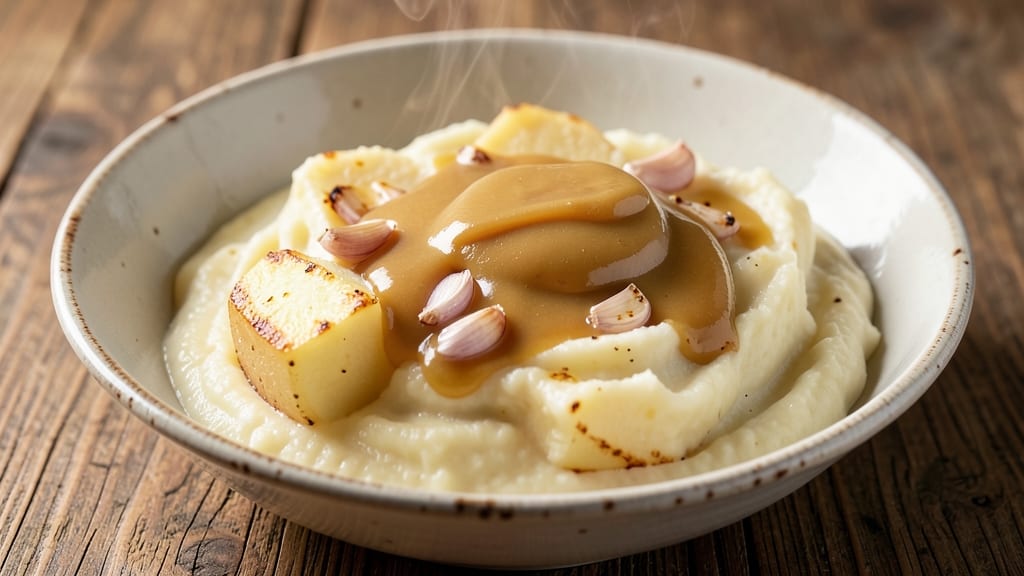
Creating mushed potatoes with that signature silky texture without a blender is simpler than you think—and the results will impress even the most critical dinner guests. The secret lies in precise cooking techniques and a few professional shortcuts that transform starchy potatoes into velvety perfection every time.
I’ve perfected this method after years of testing, and it consistently delivers restaurant-quality smoothness with just a fork and a little elbow grease.
What sets this recipe apart is the foolproof method for achieving that ultra-smooth consistency without relying on electric appliances. You’ll start with the right potato variety—Russets are ideal for their high starch content—and cook them until tender enough to mash easily.
The real magic happens when you work the hot potatoes with butter, warm milk, and a pinch of salt, letting the natural starches break down into that luxurious, lump-free texture.
By the time you’re done, you’ll have creamy, buttery mashed potatoes that are light enough to coat a fork yet rich enough to satisfy.
The process takes about 20 minutes from start to finish, and the result is a side dish that elevates any meal—whether it’s a holiday roast, a hearty steak dinner, or a simple weeknight supper. The best part?
This method works for both classic and creative variations, from garlic-infused to cheesy or gravy-topped.
Serve immediately for the most tender texture, or hold them briefly in a warm oven to keep them creamy while you finish the rest of your meal. The key to plating is simple: mound the potatoes generously and use a fork to create those signature swirls for a restaurant-worthy presentation.
Trust me, once you try this method, you’ll never go back to blender-dependent mashed potatoes again.
Ingredients for mushed potatoes
Simple ingredients, restaurant-worthy results—no blender needed for velvety perfection.
| Ingredient | Amount | Notes |
|---|---|---|
| Russet Potatoes 🥔 | 2 lb | Peeled and quartered evenly |
| Unsalted Butter 🧈 | ½ cup | Cold, cut into small cubes |
| Whole Milk 🥛 | 1 cup | Warmed slightly, not boiling |
| Salt 🧂 | 1 ½ tsp | Kosher or sea salt preferred |
| Heavy Cream 🥛 | ¼ cup | Optional for extra richness |
| Garlic Cloves 🧄 | 2 cloves | Minced, for flavor variation |
| Roasted Garlic 🧄 | 1 whole | Optional, for deeper flavor |
| Freshly Ground Black Pepper 🌶️ | ½ tsp | Freshly cracked for best flavor |
| Sour Cream 🥛 | ¼ cup | Optional, for tangy finish |
| Chives 🌿 | 2 tbsp | Chopped, for garnish |
| Chicken or Vegetable Broth 💧 | ¼ cup | Low-sodium, for moisture |
Russets are your best bet here—their high starch content breaks down beautifully. Organic or conventional both work, but avoid waxy varieties like red potatoes. I usually grab mine from Whole Foods or the fresh produce section at Kroger, looking for firm, blemish-free tubers. The butter matters too—Plugrá or Land O'Lakes are my go-tos, but any good-quality unsalted will do. For the milk, whole milk gives the best creaminess, but 2% works in a pinch. The key is warming it just enough to melt the butter completely without boiling.
No heavy cream? Whole milk plus a splash of broth keeps it creamy. Short on butter? Olive oil works, though it changes the flavor slightly. The garlic is optional but worth it—roasted garlic adds depth, while fresh minced gives a bright punch. For the broth, low-sodium is crucial so you can control the saltiness. If you're feeling fancy, add a pinch of nutmeg—it pairs perfectly with the potatoes. And trust me, freshly cracked black pepper tastes worlds better than pre-ground.
Potatoes keep best in the fridge for 3-4 days if stored in an airtight container with a damp paper towel. The mashed potatoes reheat beautifully—just pop them in the microwave for 1-2 minutes with a splash of milk to restore creaminess. I like to portion mine into ramekins for easy reheating. For leftovers, cover tightly and refrigerate. They won’t be quite as smooth after reheating, but they’re still delicious. Freezing isn’t recommended—they turn gummy.
Why You'll Love This Recipe
- Five-Ingredient Magic: I swear by this lineup—Russets, butter, milk, cream, salt. That’s it. No fancy gadgets, no stress, just pure, velvety results every time.
- Butter-Creamy Bliss: The moment I fold in cold butter and heavy cream? Chef’s kiss. You get that rich, almost decadent texture without the fuss of lumps or gluey messes.
- Weeknight & Holiday Star: Same recipe feeds my family on Tuesdays or guests on Thanksgiving. Just adjust the salt and add a splash of garlic powder for company—no extra work, just extra love.
Step-by-step instructions for creamy garlic mush potatoes
Here's how to make velvety, restaurant-quality mashed potatoes without a blender—just a few simple tools.
Boil the Potatoes Until Fork-Tender
Place the peeled and quartered russet potatoes in a large pot and cover with cold water by about 2 inches. Add the 1.5 teaspoons salt and bring to a boil over high heat. Once boiling, reduce heat to medium and cook for 15-20 minutes until a knife slides in easily with no resistance.
Here's the thing—don't drain them yet. The starchy water is what makes these potatoes ultra-smooth. You'll use it later to create that signature silky texture. I like to test doneness by piercing a quarter with a knife; if it goes in like butter, they're ready.
Mash with Butter and Milk for Richness
Drain the potatoes well but leave about ¼ cup of the starchy water in the pot. Add the cold cubes of unsalted butter and let them melt slightly over medium heat for about 1 minute. Then pour in the warmed whole milk and mash everything together using a potato masher or wooden spoon.
I press down firmly and mash in small sections, working the butter and milk into each potato piece. You want to break them down completely but not make them into a puree. The goal is to keep some texture while incorporating all that creamy goodness. If it looks too thick, add 1-2 tablespoons of the reserved starchy water to loosen it.
Infuse with Garlic and Seasonings
Transfer the mashed potatoes to a large mixing bowl. Stir in the minced 2 cloves garlic, the whole roasted garlic (squeezed from its skin), and the 0.5 teaspoon freshly ground black pepper. Add the 0.25 cup heavy cream and the 0.25 cup chicken or vegetable broth, mixing well after each addition.
This is where the magic happens—the garlic adds depth without overpowering, while the broth keeps everything moist. I like to taste as I go, adjusting the salt if needed. The potatoes should be creamy but still have a slight bite. If you're using the optional sour cream, fold it in now for that tangy finish.
Achieve Silky Smoothness with the Right Technique
Here's my secret for that ultra-smooth texture without a blender: press the mashed potatoes through a fine-mesh sieve into a clean bowl. This removes any lumps while keeping the creamy consistency. If you don't have a sieve, use a ricer or fork to mash until completely smooth.
For extra richness, I sometimes add a little more warm milk or broth to reach the perfect consistency—it should be thick enough to hold its shape on a spoon but still flow smoothly. The key is to work quickly so the potatoes don't cool and firm up.
Finish and Garnish for Presentation
Return the potatoes to the pot and stir over low heat for 2-3 minutes to warm through completely. Taste and adjust seasoning one final time. For serving, transfer to a warmed bowl and top with chopped chives. The chives add a fresh pop of color and a mild onion flavor that pairs perfectly with the rich potatoes.
You'll love how these potatoes look and feel—creamy, velvety, and perfectly seasoned. Serve immediately while hot, and watch everyone at your table ask for seconds. This method guarantees silky smooth texture without the need for a blender or food processor.
Pro Tips For Making Mushed Potatoes
- Boil Until Fork-Tender: Russets stay clumpy if they’re undercooked—test one with a fork halfway through boiling. It should slide in like butter, not fight you. (Yes, even if the recipe says "20 minutes," your stove and potatoes might need more.)
- Peel While Still Warm: Cold potatoes are stubborn. Peel them right after draining while they’re warm—the skins slide off effortlessly. Cold skins mean extra scrubbing and frustration. (Trust me, I’ve peeled 20 cold potatoes in a row.)
- Salt the Water Early: Add salt to the boiling water before the potatoes go in. Waiting until later means uneven seasoning and bland mash. A full teaspoon in the water is non-negotiable—it’s the foundation.
- Mash in Stages: Don’t dump all the milk and butter at once. Start with half the milk, mash, then add butter, then the rest of the milk. This keeps the texture smooth and prevents gluey lumps. (I used to rush this, and the result was always sad.)
Regional styles of mushed potatoes
Classic American Style
In the US, mashed potatoes are all about creamy texture and buttery richness. The classic method calls for Russet potatoes, boiled until tender, then mashed with unsalted butter and whole milk for that signature velvety finish.
I like to add a touch of roasted garlic and black pepper for depth. This version is perfect for holiday dinners and steakhouse-style meals. 🥔
For extra flair, top with crispy bacon bits or a drizzle of brown butter. The key is keeping the potatoes warm while serving—place them in a double boiler or cover tightly with foil to maintain heat. This style is a staple at Thanksgiving and Christmas feasts across America.
British Comfort Food
British mashed potatoes often include cream cheese or cheddar for a richer taste. They prefer Yukon Gold potatoes for their natural sweetness and smooth texture. I’ve found that adding a splash of cream and a pinch of nutmeg elevates the dish to classic British pub quality.
Serve with roast beef or shepherd’s pie for an authentic experience.
One British trick I love is adding a small amount of flour (about 1 teaspoon) when mashing to create a thicker, more cohesive texture. This method is common in pubs and makes the potatoes ideal for pairing with gravy—a must in British cuisine. 🍽️
German Kartoffelpüree
German mashed potatoes, or Kartoffelpüree, are known for their smooth, lump-free consistency and often include sour cream or crème fraîche for tanginess. They use waxy potatoes like Red Pontiac for a creamier result.
I add a bit of butter and salt, then press the potatoes through a potato ricer for that signature texture.
In Germany, this dish is often served with roast pork or sauerkraut. The secret is not overworking the potatoes—just enough to break them down without making them gluey. A sprinkle of fresh parsley adds a bright finish. This version is lighter than American-style but equally comforting. 🥔
French Purée de Pommes de Terre
French mashed potatoes, or purée, are all about elegance and simplicity. They use high-quality butter and crème fraîche for a luxurious texture. The French often add a touch of garlic or shallots for subtle flavor.
I like to finish with a drizzle of truffle oil for a gourmet touch—perfect for pairing with coq au vin or steak frites.
One French trick is straining the potatoes after boiling to remove excess starch, then mashing with warm milk and butter for a silky result. The purée should be light yet rich, with no lumps. Serve immediately for the best texture—French cuisine values freshness above all. 🍷
Japanese Jaga Imo
Japanese mashed potatoes, or jaga imo, often include dashi broth for umami depth. They use sweet potatoes or regular potatoes and mix in butter and cream cheese for a fluffy texture.
I’ve found that adding a bit of soy sauce or mirin enhances the flavor beautifully—ideal for pairing with tonkatsu or gyudon.
The Japanese method involves boiling the potatoes until very soft, then mashing with warm broth and butter until light and airy. A sprinkle of sesame seeds or furikake adds a unique touch. This version is lighter and more delicate than Western styles but equally satisfying. 🍜
Nutrition facts
Frequently asked questions
Why do my mashed potatoes turn out gummy or gluey?
Overworking the potatoes or using the wrong type creates gumminess. Stick to Russet potatoes—their high starch content breaks down smoothly. Avoid waxy varieties like red potatoes. Also, don’t mash too aggressively; press through a sieve or use a ricer for that silky texture. If they cool too much, reheat with a splash of warm milk to restore creaminess.
Can I make these mashed potatoes ahead of time?
Yes, but with a few tricks! Prepare them up to 1 day ahead and store in an airtight container. Reheat in the microwave for 1-2 minutes with a splash of warm milk or broth to restore creaminess. For best texture, serve immediately after reheating. Freezing isn’t recommended—they’ll turn gummy when thawed.
What’s the secret to ultra-smooth texture without a blender?
Press the mashed potatoes through a fine-mesh sieve or use a potato ricer—this removes lumps while keeping the creamy consistency. The key is working with hot potatoes and incorporating warm milk/butter gradually. If it’s too thick, add 1-2 tablespoons of reserved starchy water. The result? Silky perfection every time!
How do I keep mashed potatoes warm for a buffet?
Transfer them to a slow cooker on "warm" setting or keep them in a double boiler with a splash of warm milk. For a buffet, use a chafing dish with a heat source underneath. If reheating, stir frequently to prevent drying out. The goal is to maintain 160°F—this keeps them creamy and ready to serve.
Can I substitute dairy-free milk or butter?
Use unsweetened almond milk or coconut milk for the liquid, and vegan butter or olive oil for richness. For extra creaminess, add ½ cup unsweetened cashew cream. The texture will be slightly lighter, but the flavor remains delicious. Just ensure your dairy-free butter is well-chilled before adding to hot potatoes.