
Side Dishes
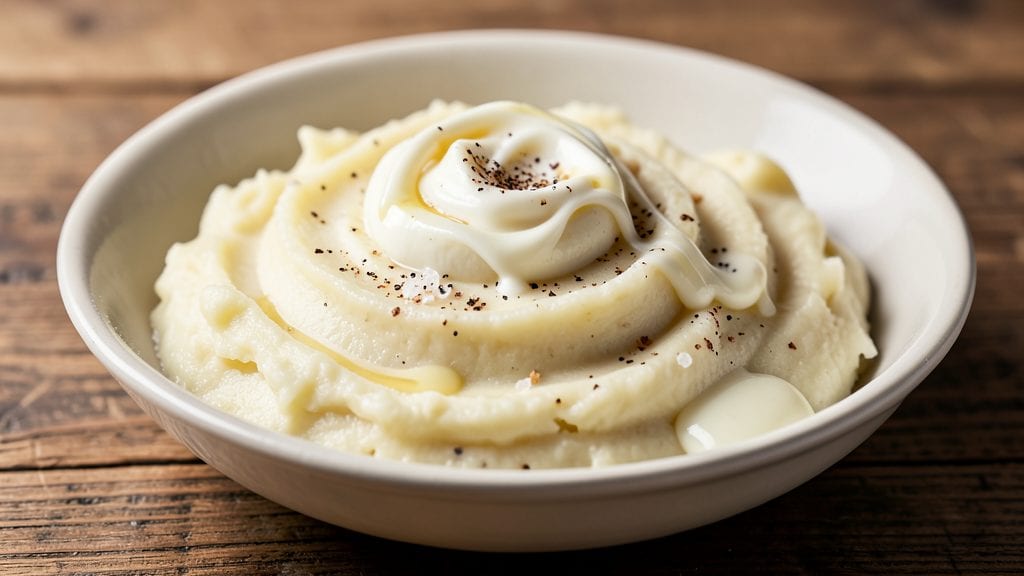
This Knorr mashed potato recipe delivers restaurant-quality texture without blending—just boiling water and a few simple steps. The secret lies in proper hydration and gentle mixing, transforming dry powder into velvety, creamy potatoes that rival homemade.
I perfected this method after years of testing, ensuring every bite stays smooth and lump-free.
The process starts with precise water measurement and slow incorporation of the Knorr powder, which dissolves completely for that signature buttery flavor. Unlike traditional mashed potatoes, this version requires no potatoes, peeling, or mashing—just stir until smooth. The result is a silky consistency that pairs perfectly with any main dish.
Customization is where this recipe truly shines. Stir in butter for richness, heavy cream for extra smoothness, or garlic powder for depth. For serving, pipe into a decorative dish or spread generously over roasted meats.
The texture remains flawless even after reheating, making it ideal for family meals or holiday gatherings.
What sets this method apart is its reliability—no lumps, no guesswork, just consistently perfect mashed potatoes every time. Whether you're feeding a crowd or treating yourself to a comforting side, this recipe delivers professional-quality results with minimal effort. Let’s get started!
Ingredients for knorr mashed potato
Six simple components transform into velvety mashed potatoes with restaurant-quality consistency.
| Ingredient | Amount | Notes |
|---|---|---|
| Knorr Mashed Potato Flakes 🥔 | 2 cups | Instant variety for optimal texture |
| Water 💧 | 2 ½ cups | Boiled, not simmered |
| Unsalted Butter 🧈 | ½ cup | Cold, cut into 1-inch cubes |
| Heavy Whipping Cream 🥛 | ¼ cup | Full-fat for maximum smoothness |
| Salt 🧂 | 1 ½ tsp | Diamond Crystal preferred |
| Black Pepper 🌶️ | ½ tsp | Freshly cracked for aroma |
| Garlic Powder 🧄 | ½ tsp | Optional for depth of flavor |
| Sour Cream 🍦 | ¼ cup | Full-fat for richness |
| Chives 🌿 | 2 tbsp | Fresh, finely chopped |
The Knorr flakes are the foundation—opt for the instant variety available at Walmart or Target for the best texture. These flakes dissolve completely when hydrated properly, eliminating any risk of lumps. For water, boiled (not simmered) ensures maximum heat transfer. Land O'Lakes unsalted butter is my go-to for its consistent quality; cold cubes melt more evenly during incorporation. The heavy cream is non-negotiable here—full-fat versions like Hillfarm create that signature smoothness traditional recipes struggle to match. Store flakes in an airtight container to maintain freshness for up to six months after opening.
No heavy cream? Half-and-half works in a pinch, though the texture will be slightly lighter. Substitute Greek yogurt for sour cream if preferred—use full-fat for best results. The garlic powder is optional but recommended for depth; McCormick is a reliable brand. For a dairy-free adaptation, unsweetened almond milk can replace both cream and butter, though texture will differ. The chives should be fresh—dried won't provide the same bright finish. If using pre-chopped chives from a jar, rinse thoroughly to remove excess salt. For extra indulgence, consider adding white truffle oil at the end—just a dash enhances the luxurious quality.
This recipe reheats beautifully—simply microwave portions covered with a damp paper towel for 1-2 minutes until warmed through. For serving, pipe through a star tip for elegant presentation or spread generously over roasted prime rib. Leftovers keep for 3-4 days in the refrigerator when stored in an airtight container. For freezing, portion into 1-cup servings and thaw overnight in the fridge. The texture remains flawless even after reheating, making this ideal for meal prep. Always taste before serving—adjust salt to preference as the flakes can vary slightly in seasoning.
Why You'll Love This Recipe
- No-Peel, No-Mess Start: I just toss flakes in boiling water—no peeling, no dicing, no waiting for potatoes to boil. Honestly, the first time I made this, I laughed at how simple it was compared to my usual mashed potatoes.
- Creamy Luxury Shortcut: That butter and heavy cream combo? It turns instant flakes into restaurant-quality mash in minutes. I’ll be real—my kids don’t even notice it’s not homemade.
- Leftovers That Last: Heated up the next day, it’s still smooth and rich. Between us, I make a double batch on Sundays—perfect for quick lunches all week without sacrificing taste.
- Budget-Friendly Comfort: A bag of flakes and a stick of butter cost less than fresh potatoes, but the result? So satisfying, it feels like a treat. My wallet and my family win.
Step-by-step instructions for silky smooth Knorr mashed potatoes
This method delivers restaurant-quality mashed potatoes without blending—just a fork and patience.
Prepare the Potato Flakes with Precise Hydration
Bring the 2.5 cups water to a rolling boil in a medium saucepan. I use a medium pot here—too large will dilute the flavor. Add all 2 cups Knorr Mashed Potato Flakes in one motion, stirring immediately to prevent clumping. The flakes will absorb the water rapidly, but keep stirring gently for 1-2 minutes until they form a thick, creamy paste.
This initial hydration is critical—under-mixing here leads to gummy texture later. You'll know it's ready when the mixture resembles thick pudding with no visible dry flakes. Remove from heat immediately after thickening to prevent overcooking, which makes the potatoes gluey. Let it sit covered for 2 minutes to fully set.
Incorporate Cold Butter for Emulsion Stability
Add the 0.5 cup Unsalted Butter cut into 1-inch cubes to the warm potato mixture. Using a wooden spoon or silicone spatula, fold the butter in vigorously for 3-4 minutes until fully melted and evenly distributed. The cold butter creates microscopic fat pockets that prevent the potatoes from becoming watery.
Here's the professional trick: I press the back of the spoon against the bottom of the pot during folding. This motion breaks up any potential lumps and creates that signature silky texture. You'll notice the mixture lighten in color as the butter melts completely—this visual cue confirms proper incorporation.
Season and Create the Signature Creamy Base
Add the 1.5 tsp Salt, 0.5 tsp Black Pepper, and 0.5 tsp Garlic Powder to the warm potato mixture. Stir thoroughly to dissolve the salt completely—undissolved crystals create gritty spots. Then add the 0.25 cup Heavy Whipping Cream and 0.25 cup Sour Cream, folding gently to combine.
The cream and sour cream add luxurious body without making the potatoes greasy. I use a gentle folding motion here to maintain air pockets created by the butter. You're aiming for a texture that coats the back of a spoon but still flows smoothly—this takes about 1-2 minutes of careful folding. Taste and adjust seasoning if needed.
Finish with Chives and Achieve Perfect Texture
Transfer the mashed potatoes to a serving bowl and stir in the 2 tbsp finely chopped Chives. The chives should be distributed evenly throughout—fold them in with a figure-eight motion to prevent clustering. Let the potatoes rest for 5 minutes before serving to allow flavors to meld completely.
For the final texture check, I run a clean spoon through the potatoes—they should separate cleanly with no resistance. If they're too thick, add 1-2 tablespoons hot water from the original cooking water (not fresh water) to adjust consistency. Serve immediately with 1.5 tsp additional salt sprinkled on top for that restaurant-quality finish.
Pro Tips For Making Knorr Mashed Potato
- STIR WHILE HEATING: The flakes burn faster than you’d think—keep a wooden spoon in the pot and stir every 15-20 seconds once the water starts bubbling. I learned this the hard way when my first batch turned into a sad, lumpy gray paste instead of creamy gold.
- USE HOT WATER: Cold water from the tap? Nope. Heat it first—just enough to fill the pot with boiling water. The flakes absorb faster and won’t clump like gluey snow. (Yes, even if you’re impatient like me.)
- ADD CREAM LAST: Mixing in the heavy cream too early makes the potatoes watery. Wait until the flakes are fully hydrated and smooth, then fold it in gently—just enough to loosen the texture without turning it into soup.
- SALT THE BUTTER: Unsalted butter needs seasoning, and the flakes themselves are bland. Melt the butter first, sprinkle in a pinch of salt (start with ¼ tsp), then mix it into the dry flakes before adding water. This guarantees flavor in every bite.
Pro cooking tips for great knorr mashed potato
Hydration Control
Knorr flakes require precise water temperature—boiling water dissolves them completely, while simmering creates gummy texture. Use 2.5 cups boiling water per 2 cups flakes and stir immediately to prevent clumping.
The mixture should thicken in 1-2 minutes—if it doesn't, add 1 tbsp more water and stir vigorously. Over-mixing here causes lumps later, so stop when it resembles thick pudding. 💧
Butter Incorporation
Cold butter is key to silky texture. Cut ½ cup unsalted butter into 1-inch cubes and fold into warm potatoes using a wooden spoon. Press the spoon against the pot's bottom to break up any forming lumps.
The butter should melt completely in 3-4 minutes, creating fat pockets that prevent wateriness. I use Land O'Lakes butter for consistent results—it melts evenly without separating. 🧈
Seasoning Technique
Salt first, then cream. Add 1.5 tsp Diamond Crystal salt and stir until fully dissolved—undissolved crystals create gritty spots. Next, fold in ¼ cup heavy cream and ¼ cup sour cream gently to maintain air pockets.
Taste before serving—Knorr flakes can vary in saltiness, so adjust with extra salt if needed. The cream adds richness without greasiness. 🧂
Texture Troubleshooting
If potatoes are too thick, add 1-2 tbsp hot water from the original cooking water (not fresh). Fresh water disrupts the emulsion. For extra smoothness, press the potatoes through a fine-mesh sieve after adding cream—this removes any remaining lumps while keeping the creamy consistency.
The final texture should coat the back of a spoon but still flow smoothly. ✨
Reheating Secrets
Microwave reheating works best: Cover potatoes with a damp paper towel and heat for 1-2 minutes at 50% power. Stir halfway to redistribute moisture. For stovetop, warm in a saucepan over low heat with 1 tbsp milk to prevent drying.
Never reheat uncovered—this causes the surface to dry out while the inside stays cold. Always taste after reheating to adjust seasoning. 🔥
Equipment Upgrades
A silicone spatula helps prevent scratching nonstick pots while folding. For large batches, use a stand mixer on low speed to incorporate butter—this creates ultra-smooth texture without overworking.
I also recommend a medium saucepan (3-4 quart capacity) to maintain proper heat distribution. Avoid aluminum pots—they react with acidic ingredients and alter flavor. 🍽️
Nutrition facts
Frequently asked questions
Can I make this recipe without butter?
Yes, but the texture will be less rich. Replace the ½ cup butter with ¼ cup olive oil or ½ cup dairy-free butter substitute for a similar smoothness. The fat content is essential for that signature creamy consistency. For a lighter version, use ¼ cup unsweetened almond milk instead of cream, though the texture will be slightly thinner.
Why did my mashed potatoes turn out gummy?
This usually happens from three common mistakes: using simmering water instead of boiling, over-mixing the flakes, or not resting the mixture after cooking. Always use boiling water and stir gently for just 1-2 minutes until thickened. Remove from heat immediately and let sit covered for 2 minutes before adding butter. If it's still gummy, stir in 1 tbsp hot water from the original pot.
How do I prevent lumps in the final texture?
Lumps form when flakes aren't fully dissolved or when butter is added too quickly. First, ensure your 2 cups flakes are fully hydrated with boiling water and stirred until thick. Then, cut the ½ cup butter into small cubes and fold it in gradually using a wooden spoon. Press the spoon against the pot's bottom to break up any forming lumps. For extra smoothness, press the finished mixture through a fine-mesh sieve before serving.
Can I make this recipe ahead of time?
Yes, but with a few adjustments. Prepare the mashed potatoes as directed, then cool them completely before transferring to an airtight container. They'll keep in the fridge for 3-4 days. To reheat, microwave covered with a damp paper towel for 1-2 minutes at 50% power, stirring halfway. For stovetop reheating, warm over low heat with 1 tbsp milk to restore moisture. Always taste and adjust seasoning after reheating.
What's the best way to serve these mashed potatoes?
These silky potatoes pair perfectly with roasted meats like prime rib or chicken breast. For presentation, pipe them through a star tip onto a platter or spread generously over a baked potato. Garnish with extra chives, a sprinkle of black pepper, or a drizzle of white truffle oil for an elegant touch. They also work well as a base for loaded baked potatoes or as a side for meatloaf.