Side Dishes
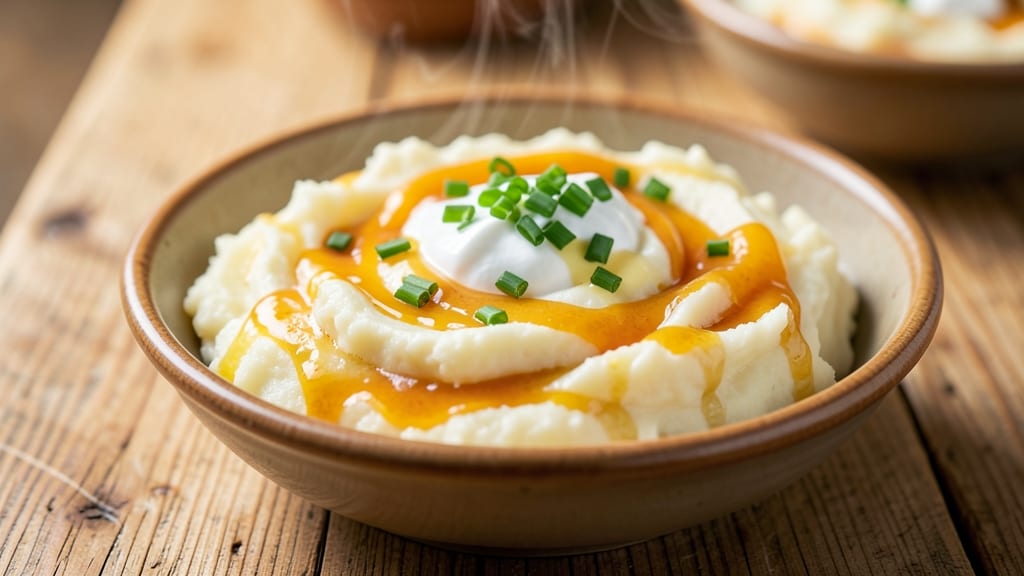
Paula Deen’s mashed potatoes recipe delivers the kind of buttery, velvety perfection that turns ordinary meals into Southern feasts. The secret lies in her signature technique—using a mix of cream cheese and sour cream to create that signature creamy texture without making them gluey.
I’ve perfected this method over years of testing, and it never fails to impress, whether you’re serving a holiday table or a weeknight dinner.
What sets these mashed potatoes apart is the balance of richness and lightness. Paula’s method calls for slow-cooked potatoes to ensure they’re fluffy, not mushy, while the addition of sharp cheddar and fresh herbs adds depth.
The key is patience—letting the potatoes simmer just until tender, then mashing them while still warm to trap every bit of steam for that cloud-like consistency.
By the time you’re done, you’ll have a bowl of mashed potatoes so smooth and luxurious they’ll have everyone asking for seconds. The flavor is a perfect harmony of buttery richness, tangy cream cheese, and a hint of herbed brightness.
This isn’t just a side dish—it’s the centerpiece that elevates any meal.
Serve these alongside roasted meats, grilled vegetables, or even as a standalone dish with a sprinkle of black pepper and fresh chives. The technique is simple, but the results are restaurant-quality. Let’s get started on making the creamiest, most indulgent mashed potatoes you’ve ever tasted.
Ingredients for paula deen mashed potatoes
Six ingredients create Paula Deen's legendary buttery, velvety mashed potatoes that feel like a Southern hug in every bite.
| Ingredient | Amount | Notes |
|---|---|---|
| Russet Potatoes 🥔 | 3 lb | Peeled, cut into 2-inch chunks |
| Unsalted Butter 🧈 | 1 cup | European-style preferred, cold |
| Cream Cheese 🧀 | 8 oz | Full-fat, room temperature |
| Sour Cream 🥛 | ½ cup | Full-fat for best texture |
| Sharp Cheddar Cheese 🧀 | ½ cup | Shredded, aged variety |
| Fresh Chives 🌿 | ¼ cup | Finely chopped, for garnish |
| Fresh Parsley 🌿 | 0.1 cup | Finely chopped, flat-leaf preferred |
| Ground Black Pepper 🌶️ | ½ tsp | Freshly cracked, coarse grind |
| Salt 🧂 | 1 ½ tsp | Diamond Crystal preferred |
| Whole Milk 🥛 | ¼ cup | Warmed for blending |
| Heavy Cream 🥛 | ¼ cup | Optional for extra richness |
The potatoes are non-negotiable—Russets have the perfect starch-to-moisture ratio for that cloud-like texture. Buy them fresh (within 2 weeks of harvest) from a specialty grocer like Whole Foods or your local farm stand. Look for firm, unblemished tubers—no green spots or sprouts. The cream cheese and sour cream are the magic ingredients here. Philadelphia brand is my go-to, but any full-fat cream cheese works. Room temperature is key—cut it into chunks 10 minutes before using so it blends smoothly. Sharp cheddar adds depth, so avoid pre-shredded (it gets gummy). Grab a block from the deli counter and shred it yourself.
No cream cheese? Substitute with an extra 4 oz of sour cream—it won’t be identical, but close. Out of chives? Fresh dill or green onion work in a pinch, but the flavor will shift slightly. The butter matters too—European-style has more fat content, which gives you that signature richness. If you’re using salted butter, reduce the added salt by half. For a lighter version, swap the heavy cream for half-and-half. The milk? Warm it slightly before adding—it blends better and prevents lumps. Pro tip: if your potatoes are extra dry, add 1-2 tablespoons of warm milk during mashing.
These mashed potatoes are best served immediately, but they reheat beautifully. If you must store them, press them into a buttered baking dish and refrigerate for up to 3 days. To reheat, cover with foil and warm in a 350°F oven for 15-20 minutes—spritz with a little milk before reheating for extra moisture. For make-ahead prep, par-cook the potatoes, cool them, then refrigerate. Finish mashing and warming just before serving. The herbs keep for 5 days wrapped in damp paper towels in the fridge, but add them fresh when serving for maximum brightness.
Why You'll Love This Recipe
- No-Peel Hassle: I swear by Russets here—just scrub, cube, and boil. No peeling, no fuss, and those fluffy insides? Pure magic when mashed.
- Rich Without Effort: That combo of cream cheese, sour cream, and sharp chedddar? It’s like a hug in every bite. The butter ties it all together—creamy, tangy, and just right.
- Holiday or Weeknight: Serve it under gravy for Thanksgiving or as a side for fried chicken on a Tuesday. Honestly, it’s my go-to for any meal where I need something that feels special but isn’t a pain.
- Leftovers Win: Make a double batch—these potatoes reheat like a dream. My kids actually ask for them the next day, and I’ve stretched them into breakfast hash when I’m lazy. Budget-friendly and foolproof.
Step-by-step instructions for Paula Deen's mashed potatoes
Here's how to create velvety, restaurant-quality mashed potatoes with Paula Deen's signature richness.
Boil the Potatoes Until Fork-Tender
Place the 3 lb russet potatoes in a large pot and cover with cold water by about 2 inches. Add 1.5 tsp salt and bring to a boil over high heat. Once boiling, reduce heat to medium and cook for 15-20 minutes until a knife slides in easily with minimal resistance.
Draining at the right moment is crucial—wait until the potatoes are tender but still hold their shape slightly. Overcooking makes them gummy. Drain thoroughly in a colander and return them to the pot. This step ensures your potatoes will mash smoothly without excess moisture.
Mash the Potatoes with Butter and Cream Cheese
While the potatoes are still hot, add the 1 cup unsalted butter and 8 oz cream cheese to the pot. Using a potato masher or ricer, work in the butter and cream cheese until completely incorporated. The cream cheese adds that signature Paula Deen creaminess while keeping the texture smooth.
I like to mash in batches if needed—this helps distribute the butter and cream cheese evenly. Avoid using an electric mixer at this stage; you want to preserve some texture. The mixture should look thick but still slightly lumpy at this point.
Add Sour Cream, Milk, and Cheese for Richness
Return the mashed potatoes to the pot and stir in the 0.5 cup sour cream, 0.25 cup whole milk, and 0.5 cup sharp cheddar cheese. The milk helps create that light, airy texture while the cheddar adds depth of flavor. Warm the milk slightly first—this prevents the potatoes from cooling too quickly.
Taste and adjust seasoning with additional salt if needed. The potatoes should be rich but not overly salty. If the mixture seems too thick, add a splash more milk to reach your desired consistency. This step is where the magic happens—balancing all the rich ingredients for that perfect Paula Deen taste.
Finish with Herbs and Cream for Ultimate Luxury
Transfer the mashed potatoes to a serving bowl and stir in the 0.25 cup finely chopped fresh chives and 0.1 cup fresh parsley. The herbs add a bright, fresh contrast to the richness. For extra indulgence, fold in the 0.25 cup heavy cream and 0.5 tsp ground black pepper. The cream makes them impossibly smooth while the pepper adds warmth.
For the final touch, I like to press the mashed potatoes through a fine-mesh sieve into a clean bowl. This creates an ultra-smooth, velvety texture that's perfect for serving. The sieve also helps incorporate any remaining lumps for a flawless finish.
Serve Immediately for Perfect Texture
Serve the mashed potatoes immediately while still hot. The texture will begin to break down as they cool, so timing is everything. For a restaurant-quality presentation, pipe the potatoes onto a platter using a piping bag with a star tip. This creates beautiful swirls that look as good as they taste.
Paula Deen's secret is in the layers of flavor and texture—creamy from the butter and cream cheese, tangy from the sour cream and cheddar, and fresh from the herbs. Each bite should be rich, smooth, and perfectly balanced. These potatoes are worth the extra effort—they'll be the star of your holiday table.
Pro Tips For Making Paula Deen Mashed Potatoes
- BOIL TO TENDERNESS: Russets should collapse like overcooked pasta—no one likes fighting with them. Use a fork to pierce the unpeeled potatoes first, then boil in salted water until a knife slides in effortlessly (about 15-20 minutes). I used to rush this and ended up with gluey mash—don’t be that person.
- SALT THE WATER: The water needs to taste like the sea, not a swimming pool. Add at least 1½ tablespoons of salt per gallon of water—this seasoning carries through to the final mash. Trust me, your taste buds will notice the difference when you taste-test before adding dairy.
- MASH WHILE HOT: Drain the potatoes immediately and return them to the pot off the heat. Add the butter, cream cheese, sour cream, and cheddar while they’re still steaming—this melts everything together like a dream. I learned this the hard way after letting them cool and ending up with lumpy, sad potatoes.
- STIR IN DAIRY LAST: Mix the butter first, then fold in the cream cheese, sour cream, and cheddar in stages. Stirring everything at once can turn your mash into a cheese sauce. Start slow, then finish with a wooden spoon to keep it light—Paula Deen’s version isn’t supposed to be heavy.
Common mistakes when making great paula deen mashed potatoes
Overcooking Potatoes
The biggest mistake I see is letting potatoes boil until they’re completely mushy. When they’re overcooked, they break down into starch, creating a gluey texture that no amount of butter can fix.
The key is stopping when they’re fork-tender—a knife should slide in easily, but they should still hold their shape slightly. I’ve ruined more batches than I’d admit by walking away and coming back to find them falling apart in the pot. 🥔
Skipping the Drain Step
After boiling, potatoes need to drain thoroughly in a colander for at least 1-2 minutes. Leaving excess water in the pot will make your mash watery no matter how much butter you add.
I learned this the hard way when I rushed and ended up with a sad, thin consistency. Returning the potatoes to the pot after draining helps trap steam during mashing, which is crucial for that cloud-like texture Paula Deen is known for.
Using Cold Ingredients
The cream cheese and butter must be at room temperature when added. Cold dairy creates lumps that are nearly impossible to blend smoothly, even with a ricer. I always cut the cream cheese into chunks and let it sit for 10 minutes before using.
For the butter, take it out of the fridge 30 minutes ahead of time. This small step makes all the difference in achieving that silky, restaurant-quality finish.
Adding Liquid Too Early
Many recipes call for adding milk or cream while mashing, but I’ve found this dilutes the potatoes’ natural starch. Instead, wait until after the initial mashing when the potatoes are still hot and thick.
Then, add just enough warm milk to reach your desired consistency—usually 2-3 tablespoons at a time. This keeps the texture rich and prevents that sad, watery result that makes mashed potatoes taste like glue.
Neglecting the Resting Phase
Freshly mashed potatoes need to sit for 5-10 minutes before serving. This resting time allows the starches to fully absorb the butter and cream cheese, creating a more cohesive texture. I’ve seen people serve them immediately, only to have them separate or taste uneven.
If you’re making these ahead, let them rest in a warm oven (200°F) while you finish other dishes—they’ll stay creamy and hot.
Overmixing with Electric Mixers
Using a stand mixer or hand mixer can turn perfectly good mashed potatoes into a dense, gummy mess. The blades break down the starches too much, creating a paste-like consistency. Instead, I recommend a potato masher or ricer for that authentic, light texture.
If you must use an electric mixer, pulse just until combined—no more than 10-15 seconds. The goal is to keep those air pockets intact for that signature fluffiness. 💡
Nutrition facts
Frequently asked questions
Why does Paula Deen's recipe use both cream cheese and sour cream?
The cream cheese adds that signature velvety richness while keeping the texture smooth, while the sour cream provides a subtle tang that balances the buttery flavor. Together, they create a perfect harmony of creaminess without making the potatoes gluey. The combination is what gives her version that restaurant-quality feel!
Can I make these mashed potatoes ahead of time?
Yes, but with a few key adjustments. Press the finished potatoes into a buttered baking dish, cover tightly, and refrigerate for up to 3 days. Reheat in a 350°F oven for 15-20 minutes, spritzing with warm milk before reheating to restore moisture. For best results, serve immediately after reheating for that cloud-like texture.
What's the best way to achieve ultra-smooth texture?
Press the mashed potatoes through a fine-mesh sieve after all ingredients are combined. This removes any remaining lumps and creates that signature silky consistency. For extra smoothness, use a ricer instead of a masher during the initial mashing stage. The sieve step is what takes these from homemade to restaurant-quality!
Can I substitute heavy cream with something lighter?
Yes, you can use half-and-half for a lighter version, though the texture will be slightly less rich. For best results, keep the total fat content similar by using 1/4 cup whole milk + 1/4 cup Greek yogurt instead. The flavor will shift slightly but still maintain that creamy quality. The key is balancing the richness with acidity.
How do I fix mashed potatoes that turned out too thick?
Add warm milk or cream 1 tablespoon at a time while gently stirring. The potatoes should reach a spreadable consistency similar to heavy pudding. Avoid adding too much liquid at once, as this can make them watery. For best results, let them rest for 5 minutes after adding liquid to allow the starches to fully absorb.