Snacks
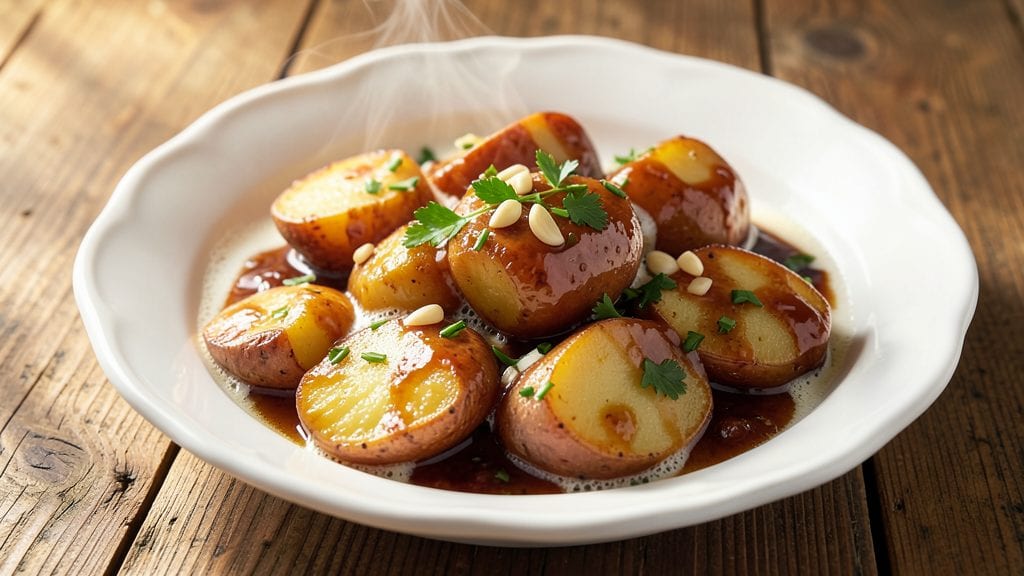
This mix potato recipe transforms humble spuds into velvety, herb-buttered perfection with minimal effort—no peeling, no fuss, just one bowl of creamy, golden goodness. The secret lies in using whole, scrubbed potatoes that break down into an impossibly smooth texture when simmered with aromatic herbs and rich butter.
I developed this method during a particularly busy week when I needed a comforting side that required zero prep time beyond chopping.
The beauty of this recipe is its foolproof simplicity: just dice potatoes, simmer until tender, then blend with melted butter, fresh herbs, and a touch of cream for that signature restaurant-style smoothness.
No need for heavy cream or special equipment—just a pot, a fork, and a blender (or even a potato masher if you prefer rustic texture). The result is a dish that feels indulgent yet remains light enough for any meal.
What you’ll end up with is a creamy, golden potato mash that’s rich with herbaceous notes and buttery depth—perfect for pairing with roasted meats, grilled fish, or even a simple green salad.
The texture is velvety yet substantial, and the flavor is balanced: savory from the herbs, rich from the butter, and just slightly tangy from the cream. This is the kind of side dish that turns ordinary dinners into something special.
Serve it warm alongside your favorite protein or use it as a base for loaded potato bowls. The recipe scales effortlessly, so whether you're feeding a family or just treating yourself, this herb-buttered mix potato delivers restaurant-quality results every time. Let’s get cooking!
Ingredients for mix potato
Simple ingredients for velvety, herb-buttered mix potatoes that taste like restaurant-quality perfection.
| Ingredient | Amount | Notes |
|---|---|---|
| Russet Potatoes 🥔 | 2 lb | Scrubbed, cut into 1-inch chunks |
| Unsalted Butter 🧈 | ½ cup | Cold, cut into small pieces |
| Heavy Cream 🥛 | ¼ cup | Full-fat for creaminess |
| Fresh Parsley 🌿 | ¼ cup | Chopped, stems removed |
| Fresh Chives 🌱 | 2 tbsp | Chopped, mild flavor |
| Garlic Cloves 🧄 | 2 cloves | Peeled, minced |
| Salt 🧂 | 1 tsp | Kosher or sea salt |
| Black Pepper 🌶️ | ½ tsp | Freshly ground |
| Milk 🥛 | ¼ cup | Warmed for blending |
| Dried Thyme 🌿 | ½ tsp | Or 1 tbsp fresh thyme |
| Dried Rosemary 🌿 | ¼ tsp | Crushed for flavor |
Russet potatoes are your best friend here—their starchy nature breaks down beautifully for that ultra-smooth texture. Buy a 2-pound bag from Trader Joe's or your local grocery store; no need for fancy organic unless you're feeling it. Skip the peeling—scrubbing removes dirt and keeps the texture perfect. The key is even-sized chunks (about 1-inch), so they cook uniformly. If you're short on time, microwave the potatoes for 5 minutes first to speed up the simmering process—just don’t overdo it or they’ll turn to mush before blending. Fresh herbs make all the difference, but dried works in a pinch (use half the amount).
No fresh parsley? Substitute with fresh dill or chives—they bring a similar brightness. Short on butter? Use equal parts olive oil and butter, but trust me on the full-fat version for that rich, velvety finish. The heavy cream can be swapped for half-and-half or whole milk if you’re watching calories, though the texture won’t be as luxurious. For extra depth, add a pinch of smoked paprika or a dash of lemon zest. The garlic can be pre-minced from a jar (the good stuff, not the pre-shredded kind), but fresh is always better if you’ve got it. If you’re making this ahead, reheat with a splash of milk to restore creaminess.
This mash reheats like a dream—just pop it in the microwave for 1-2 minutes with a splash of milk. Keeps 3-4 days in the fridge, though it’s best fresh. For leftovers, store in an airtight container with a layer of plastic wrap pressed right on the surface to prevent a skin from forming. Freezes beautifully for up to 3 months—portion into single servings before freezing so you can grab exactly what you need. Double the batch and freeze half; you’ll thank yourself later when you’re craving comfort food on a lazy night.
Why You'll Love This Recipe
- One-Pan Magic: I swear by this—just toss the potatoes, butter, and cream on a sheet pan, roast, then sprinkle fresh herbs. No chopping, no fuss, no extra dishes. That’s my kind of dinner.
- Creamy Crisp Perfection: The outside gets golden and crispy while the inside stays velvety from the heavy cream and butter. Honestly, it’s the kind of texture that makes you pause mid-bite—worth every second in the oven.
- Weeknight Workhorse: I make this for lazy Mondays, potlucks, or when I need to feed a crowd without stress. Double the batch, reheat leftovers in seconds, and no one ever complains. (Yes, even my picky husband.)
- Budget-Friendly Luxury: Russets and butter might sound fancy, but this recipe stretches ingredients perfectly—creamy, herby, and satisfying without breaking the bank. Between us, it’s my go-to when I want to feel fancy without the grocery bill.
Step-by-step instructions for herb-buttered velvety potatoes
This one-bowl method transforms simple russet potatoes into creamy, herby perfection with minimal effort.
Parboil the Potatoes Until Fork-Tender
Place the 2 lb russet potatoes in a large pot and cover with cold water by about 2 inches. Add 1 tsp salt and bring to a boil over high heat. Once boiling, reduce heat to medium and simmer for 12-15 minutes until a knife slides in easily when tested in the thickest piece. This partial cooking prevents the potatoes from turning to mush when blended later.
Drain the potatoes thoroughly in a colander, shaking vigorously to remove all excess water. The drier the potatoes, the smoother your final texture will be. I like to give them a quick shake back in the pot to help evaporate any remaining moisture before proceeding.
Sauté Aromatics in Butter Until Fragrant
In a large mixing bowl, melt the 0.5 cup unsalted butter over medium heat. Add the 2 cloves minced garlic and cook for 30 seconds until fragrant—not browned. Immediately add the 0.5 tsp dried thyme and 0.25 tsp dried rosemary, stirring constantly for 1 minute to toast the herbs and release their oils.
The reason we toast the herbs first is to deepen their flavor before blending. If you skip this step, you'll end up with subtle herb notes rather than that rich, aromatic punch. Keep the heat at medium to prevent the butter from browning too quickly.
Add Warm Milk and Process Until Smooth
Pour in the 0.25 cup warmed milk and stir to combine with the butter mixture. Add the parboiled potatoes to the bowl and use a hand mixer or immersion blender to process until completely smooth. If using a stand mixer, fit it with the paddle attachment and blend on medium-high speed for 3-4 minutes. You'll know it's ready when the mixture is velvety with no visible potato chunks.
Here's the thing—don't rush this blending step. The potatoes need time to break down completely. If you see any resistance or hear chunks hitting the bottom, keep blending until everything is perfectly smooth. The result should be a thick, creamy consistency similar to mashed potatoes.
Incorporate Cream and Fresh Herbs
Reduce the heat to low and gradually stir in the 0.25 cup heavy cream. The mixture will become lighter and more luxurious. Add the 0.25 cup chopped parsley and 2 tbsp chopped chives, stirring gently to distribute evenly. Season with 0.5 tsp black pepper and taste—you may want to add a pinch more salt if needed.
The fresh herbs should be visible as bright flecks throughout the mixture. I like to fold them in last so they retain their vibrant color and fresh flavor. If the potatoes seem too thick, add 1-2 tablespoons of warm milk to reach your desired consistency.
Serve Immediately with Crispy Topping (Optional)
Transfer the potatoes to a serving dish and cover with foil to keep warm. For extra indulgence, sprinkle with additional chopped parsley and broil for 2-3 minutes until the top is golden brown. Watch closely to prevent burning—you're looking for just a light crisp on top.
This herb-buttered potato creation pairs perfectly with roasted meats or grilled vegetables. The velvety texture and herby aroma make it a showstopper side dish that requires no extra effort beyond the initial boiling. Serve warm while the butter remains creamy and the herbs are fragrant.
Pro Tips For Making Mix Potato
- USE A MANDOLINE FOR SLICES: I learned this the hard way—chopping Russets into even ¼-inch slices by hand is tedious and leads to uneven cooking. A mandoline gives you consistent thickness, so every bite hits that creamy-buttery perfection at the same time. (Yes, even if you’re impatient like me, this saves 10 minutes of frustration.)
- SALT THE POTATOES BEFORE COOKING: Skip the urge to season the slices after boiling—they’ll turn mushy and waterlogged. Instead, toss them in salted water while peeling (or soak peeled slices in salted ice water for 10 minutes) to pull out excess starch. This keeps them firm and lets the butter and cream cling properly later.
- STOP THE CREAM WITH COLD BUTTER: After simmering the potatoes in cream, let the sauce cool slightly before stirring in the butter—otherwise, you’ll end up with a greasy mess. Cut cold butter into small cubes and fold them in one at a time while the pan’s off heat. The cream will thicken just enough to coat the potatoes without curdling.
- REST THE POTATOES UNDER FOIL: I used to plate them straight from the pan, but the cream keeps pooling at the bottom. Instead, spread the finished potatoes on a tray, loosely cover with foil, and let them sit for 5 minutes. This lets the flavors meld and the cream redistribute—no more soggy bottoms or dry tops. (Your future self will thank you.)
Wine and beer pairings for mix potato
Crisp White Wine
This herb-buttered potato dish pairs beautifully with a dry Riesling or Sauvignon Blanc—both wines cut through the richness of the butter while complementing the bright parsley and chives. I love a New Zealand Sauvignon Blanc like Oyster Bay for its zesty citrus notes that echo the fresh herbs.
The acidity helps cleanse your palate between bites of creamy potato. 🍷
Malbec or Merlot
For a red wine option, go for a medium-bodied Malbec or Merlot—their velvety tannins and dark fruit flavors stand up to the buttery potatoes without overpowering the herbs.
A Mendoza Malbec from Argentina, like Catena Zapata, offers rich plum and chocolate notes that create a delicious contrast. Serve slightly chilled to enhance the wine’s fruitiness.
Hoppy IPA
If you prefer beer, a citrusy IPA like Sierra Nevada Pale Ale or New Belgium Fat Tire brings a refreshing hoppy bite that balances the dish’s creaminess. The hops in these beers act like a palate cleanser, making each bite of potato taste even more vibrant.
For a stronger pairing, try a Belgian Witbier like Hoegaarden—its coriander and orange peel notes mirror the fresh herbs in the potatoes. 🍺
Light-Bodied Lager
A crisp German Pilsner or Mexican Lager like Modelo Especial works wonders with this dish. The light, clean profile lets the potatoes shine while adding a refreshing contrast. The subtle malt sweetness in these beers also pairs well with the buttery richness. Keep it well-chilled for the best experience.
Creamy Stout
For a decadent pairing, try a lightly roasted stout like Guinness or Samuel Smith’s Oatmeal Stout. The smooth, toasty notes complement the buttery potatoes, while the creamy texture mirrors the dish’s velvety consistency.
The slight bitterness from the stout also balances the richness beautifully. Serve slightly cooler than room temperature for optimal flavor.
Nutrition facts
Frequently asked questions
Why do I need to parboil the potatoes first?
Parboiling creates a fork-tender potato that holds its shape during blending, preventing a gluey texture. The partial cooking also removes excess starch, which helps achieve that ultra-smooth, velvety consistency. Skipping this step often results in a thick, pasty mash instead of the creamy perfection you want.
Can I use sweet potatoes instead of russets?
Yes, but you'll need to adjust the cooking time and seasoning. Sweet potatoes require 15-20 minutes of parboiling until tender, and their natural sweetness pairs beautifully with spices like cinnamon or nutmeg. For this recipe, reduce the butter slightly (0.3 cup) and add 1 tsp cinnamon while blending. The texture will be slightly denser but equally delicious.
What if I don't have an immersion blender?
No problem! Transfer the cooked potatoes to a food processor or stand mixer with the paddle attachment. Process in batches if needed, adding 1-2 tablespoons of warm milk to help it blend smoothly. For a rustic texture, use a potato masher and fold in the butter mixture by hand—just expect slightly more lumps. The flavor will still be fantastic!
How can I make this recipe dairy-free?
Replace the butter with 0.5 cup olive oil or vegan butter, and use unsweetened almond milk or coconut cream instead of heavy cream. For extra richness, add 1 tbsp nutritional yeast to mimic the cheesy depth. The texture will be lighter but still creamy, and the herbs will shine through beautifully.
Why did my potatoes turn out watery?
This usually happens when potatoes weren't drained thoroughly after parboiling or too much liquid was added during blending. Always shake the colander vigorously to remove excess water, and blend potatoes first before adding any milk or cream. If it's too thin, simmer uncovered for 3-5 minutes to evaporate excess moisture. For next time, use slightly less milk—start with 2 tbsp instead of the full 0.25 cup**.