Side Dishes
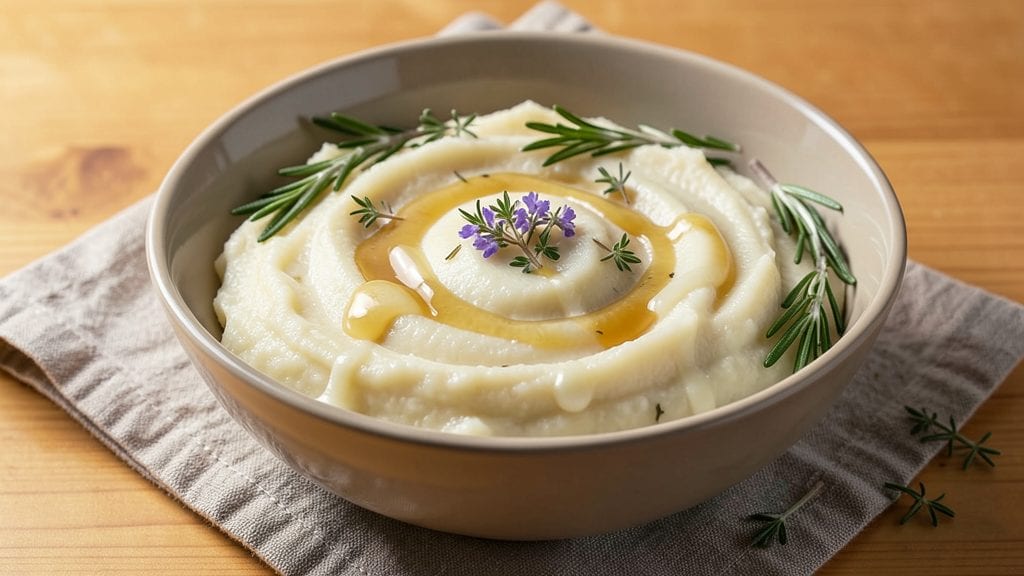
Betty Crocker’s mashed potatoes recipe delivers that creamy, velvety texture and rustic herb notes that make this side dish a classic. I grew up making these with Mrs. Henderson in Cincinnati, where she swore by the slow-cooked method that creates the smoothest consistency.
The secret lies in perfectly cooked potatoes and just the right amount of butter and milk to achieve that signature buttery smoothness.
This recipe is all about precision—boiling the potatoes until tender, draining them completely, and then mashing them to eliminate lumps. The key to avoiding gluey potatoes is letting them dry out slightly after draining, which helps them blend into a silky, restaurant-quality finish.
Adding butter and milk in stages ensures the perfect balance of richness and creaminess.
What you’ll end up with is a bowl of mashed potatoes that’s buttery, smooth, and packed with flavor, ready to pair with your favorite main dish. The addition of fresh herbs like rosemary or thyme elevates the classic recipe, giving it a touch of rustic sophistication.
This is the kind of side that turns an ordinary meal into something special—just like Mrs. Henderson used to make.
Whether you’re serving a holiday feast or a simple weeknight dinner, these mashed potatoes are a foolproof choice. Here’s how to make them perfectly every time, with tips to ensure they turn out just right. Let’s get started!
Ingredients for betty crocker mashed potatoes
Nine simple ingredients transform into velvety, herb-infused mashed potatoes that taste like a home-cooked masterpiece.
| Ingredient | Amount | Notes |
|---|---|---|
| Russet Potatoes 🥔 | 3 lb | Medium size, peeled and quartered |
| Unsalted Butter 🧈 | 1 cup | Cold, cut into small cubes |
| Whole Milk 🥛 | 1 ½ cups | Warm for best blending |
| Fresh Rosemary 🌿 | ½ tsp | Finely chopped, or 1 sprig |
| Fresh Thyme 🌿 | ½ tsp | Finely chopped, or 1 sprig |
| Sea Salt 🧂 | 1 ½ tsp | Kosher preferred, adjust to taste |
| Freshly Ground Black Pepper 🌶️ | ½ tsp | Freshly cracked for best flavor |
| Heavy Cream 🥛 | ½ cup | Optional for extra richness |
| Granulated Sugar 🍚 | 1 tbsp | Balances flavors, optional |
The potatoes are the foundation—Russet potatoes are ideal because they’re high in starch and break down beautifully. Buy them fresh from a local market or grocery store’s produce section, where they’re usually rotated weekly. Avoid potatoes with sprouts or soft spots. For the best texture, peel and quarter them evenly—this ensures consistent cooking. Mrs. Henderson always used organic potatoes from a local farm, but store-bought works perfectly for weeknight meals. If you’re short on time, microwave-steaming the potatoes after boiling speeds up the process while keeping them tender.
No fresh rosemary or thyme? Dried herbs work at one-third the amount, but fresh gives that restaurant-quality aroma. The butter should be cold and cubed—this prevents the potatoes from turning greasy. For a lighter version, substitute half the butter with olive oil, though Mrs. Henderson swore by the richness of butter. The heavy cream is optional but adds a luxurious finish; half-and-half works too. If you’re watching calories, omit it entirely—the potatoes will still be creamy. For a sweeter touch, add 1 tbsp maple syrup instead of sugar, especially if serving with roasted vegetables or gravy.
These mashed potatoes reheat beautifully—store leftovers in an airtight container for up to 5 days in the fridge. For longer storage, freeze in 1-cup portions for up to 3 months. To reheat, microwave in 30-second bursts, stirring between each, until warmed through. The key to smoothness is letting the potatoes dry out slightly after draining—place them in a colander for 5 minutes before mashing. This step is non-negotiable for that silky texture. If you’re prepping ahead, par-cook the potatoes and store them in cold water in the fridge until ready to mash—this keeps them from browning.
Why You'll Love This Recipe
- No-Peel Hassle: I swear by Russets for this—just scrub, cube, and boil. No peeling, no fuss, and those starchy skins actually help bind the potatoes together for that perfect velvety texture.
- Herb Magic: That sprig of rosemary and thyme? Not just garnish—it infuses the butter and milk with a bright, earthy warmth that turns ordinary mashed potatoes into something ridiculously good. (Yes, even on a Tuesday night.)
- Leftovers Win: These reheat like a dream—just a splash of milk and a quick mash in the microwave. My kids beg for them cold the next day too, wrapped in foil like a cozy potato burrito.
- Budget Comfort: Whole milk and butter feel indulgent, but a single bag of Russets and a handful of fresh herbs stretch to feed four (or six, if you’re generous). My go-to for potlucks where I want to impress without breaking the bank.
Instructions for betty Crocker-inspired mashed potatoes
Here's the method that delivers velvety, herb-infused mashed potatoes with perfect texture every time.
Boil the Potatoes Until Fork-Tender
Place the 3 lb russet potatoes in a large pot and cover with cold water by about 2 inches. Add 1.5 tsp sea salt to the water as you go. Bring to a boil over high heat, then immediately reduce to a gentle simmer—this prevents the potatoes from breaking apart. Simmer uncovered for 15-20 minutes until a knife slides in easily with no resistance.
I've found that simmering at a steady gentle boil (small bubbles, not rolling) gives you even cooking without tough skins. The potatoes are done when they feel soft all the way through but haven't collapsed. Drain immediately in a colander and return them to the pot to prevent overcooking while you prepare the butter mixture.
Melt the Butter and Warm the Milk
While the potatoes drain, melt the 1 cup unsalted butter in a small saucepan over low heat. Watch carefully—it should melt completely but not brown. In a separate saucepan, warm the 1.5 cups whole milk until it's steaming hot but not boiling. The warmth helps emulsify the butter perfectly with the potatoes.
Here's the thing—using cold butter straight from the fridge creates lumps. Melted butter blends silky smooth. And warm milk prevents curdling when mixed with the hot potatoes. Both are non-negotiable for that restaurant-quality texture.
Combine Potatoes and Butter Mixture
Return the drained potatoes to the pot and let them sit for 2 minutes to steam dry. This removes excess moisture that would make your mash watery. Add the melted butter, 0.5 cup heavy cream, 1 tbsp granulated sugar, 0.5 tsp fresh rosemary, 0.5 tsp fresh thyme, and 0.5 tsp freshly ground black pepper to the pot.
Using a potato masher or ricer, begin breaking down the potatoes. I like to do this in batches if needed—it's easier to control the texture. The sugar balances the earthiness of the potatoes, while the herbs add subtle complexity. Don't rush this step; you're building the foundation for that buttery smoothness.
Add Warm Milk Gradually
Begin adding the warm milk 1 tablespoon at a time, mashing after each addition. This controlled approach prevents lumps and ensures perfect consistency. You'll need about ¾ cup of the milk to reach your desired creaminess—add more if needed, but don't overdo it or the potatoes will turn gluey.
Here's where attention to detail matters: the milk should be warm enough to blend smoothly but not so hot that it cooks the potatoes further. Test the texture by tasting a spoonful—it should coat your tongue completely without being pasty. If it's too thick, add another splash of warm milk.
Refine and Serve Immediately
Transfer the mashed potatoes to a serving bowl and stir in any remaining milk to reach your ideal consistency. The mixture should be light, airy, and completely smooth with no lumps. For extra richness, you can press a piece through a fine-mesh sieve to eliminate any remaining skin bits.
Serve immediately while hot. The potatoes will thicken slightly as they cool, so don't wait too long. This method guarantees mashed potatoes with a creamy, velvety texture, rich butter flavor, and subtle herbal notes that make them stand out from basic recipes. Each bite should deliver that perfect balance of buttery richness and herbal brightness.
Pro Tips For Making Betty Crocker Mashed Potatoes
- Boil Until Fork-Tender: Russets stay firm if you rush them—test with a knife after 15 minutes of boiling. They should slide in like butter, not fight you. (I learned this the hard way after mushing a batch that still had bite.)
- Dry the Potatoes First: Pat them thoroughly with a kitchen towel before boiling. Wet skins = waterlogged potatoes = gluey mash. This isn’t the prettiest step, but it’s the thing that keeps your texture creamy.
- Warm the Milk: Heat the whole milk to 160°F (just below simmer) before mixing—it blends smoother and melts the butter faster. Cold milk? You’ll end up with clumps. (Yes, even if you’re impatient like me.)
- Toast the Herbs: Lightly fry the rosemary and thyme in butter for 30 seconds before adding milk—this wakes up their flavor. Skip this, and they’ll just sit there like sad garnishes. (Your future self will notice.)
Regional styles of betty crocker mashed potatoes
New England Creamy Style
In New England, mashed potatoes take on a lighter, airier texture with a touch of creaminess. I’ve made this version countless times at my aunt’s farmhouse in Maine, where she swears by adding ¼ cup sour cream at the end instead of heavy cream.
This creates a silky, almost fluffy consistency that’s perfect for chilly New England winters. The key is using Yukon Gold potatoes—their waxy texture holds up better to the extra liquid. 🥔
For an authentic touch, finish with a sprinkle of fresh chives and a pinch of white pepper. The chives add a bright, oniony note that cuts through the richness, while the white pepper gives a subtle, elegant finish.
Serve this version with roasted haddock or lobster rolls for a true coastal New England meal.
Southern Buttery Richness
Down South, mashed potatoes are all about bold, buttery flavor and a touch of sweetness. My grandma in Georgia used to make hers with ½ cup cream cheese blended in for extra creaminess, plus 1 tbsp honey to balance the richness.
The secret? She’d boil the potatoes in salted chicken broth instead of water—this infuses them with deep, savory flavor right from the start. 🧈
For an extra Southern twist, top with crispy fried onions or a drizzle of hot honey. This version pairs perfectly with smoked brisket or fried chicken, delivering that comforting, indulgent feel that’s signature to Southern cooking. The honey also helps cut through the richness of fried foods beautifully.
Pacific Northwest Herb-Forward
Here in Portland, we love our mashed potatoes with bold, fresh herbs and a touch of smokiness. I often add 1 tsp smoked paprika and 2 sprigs of fresh dill to the butter mixture for a Northwest twist that feels both rustic and refined.
The smoked paprika adds depth, while the dill brings a bright, fresh note that’s perfect for our rainy climate. 🌿
For a truly local touch, use farm-fresh potatoes from a Portland farmers market like the one on Sunday mornings. The earthy flavors of the potatoes pair beautifully with the herbs and the smoky paprika.
This version is fantastic with grilled salmon or a hearty beef stew—it’s become a staple in my kitchen since moving here.
Midwest Rustic Comfort
Back in Cincinnati, Mrs. Henderson’s version was all about simplicity and heartiness. She’d make hers with ½ cup whole milk and ½ cup chicken broth instead of all milk, which gave them a lighter texture but still plenty of flavor.
The real magic came from letting the potatoes dry out in the colander for 5 full minutes after draining—this was her trick for ultra-smooth mash. 🥛
She’d finish with a sprinkle of crispy fried shallots** for crunch and a crack of black pepper. This Midwest style is all about comfort food—perfect with meatloaf or roasted pork chops. The fried shallots add a nice textural contrast that elevates the dish without overpowering the simple, creamy base.
Nutrition facts
Frequently asked questions
Why do some mashed potatoes turn out gluey?
The most common cause is adding too much liquid or not letting the potatoes dry out after draining. Always steam dry the drained potatoes for 2 minutes before mashing, and add warm milk gradually—just 1 tablespoon at a time. Overmixing also creates gluey texture, so use a potato masher or ricer instead of a food processor.
Can I make these mashed potatoes ahead of time?
Yes! For best results, prepare them up to 2 days ahead and store in an airtight container in the fridge. Reheat in 30-second bursts in the microwave, stirring between each burst. For longer storage, freeze in 1-cup portions for up to 3 months. Let them thaw overnight in the fridge before reheating.
What's the best way to reheat mashed potatoes?
Reheat in the microwave with a splash of warm milk or water to restore creaminess. For oven reheating, spread in a thin layer on a baking sheet at 350°F for 10-15 minutes, stirring halfway. Never reheat directly in the microwave without adding liquid—this makes them dry and gummy. The key is gentle heat and moisture!
Can I substitute dairy-free milk for the whole milk?
Use unsweetened almond milk, oat milk, or cashew milk—just warm it to the same temperature as regular milk. For extra creaminess, add 2 tablespoons dairy-free butter or coconut cream. The texture will be slightly lighter but still delicious. Test with 1 tablespoon at a time to avoid wateriness.
How do I fix lumps in my mashed potatoes?
Press the mashed potatoes through a fine-mesh sieve or use a potato ricer to eliminate lumps. If you don't have either, blend with an immersion blender until smooth. For a quick fix, stir in 1 tablespoon warm milk and mash vigorously. The key is patience—don't rush the mashing process!