
Side Dishes
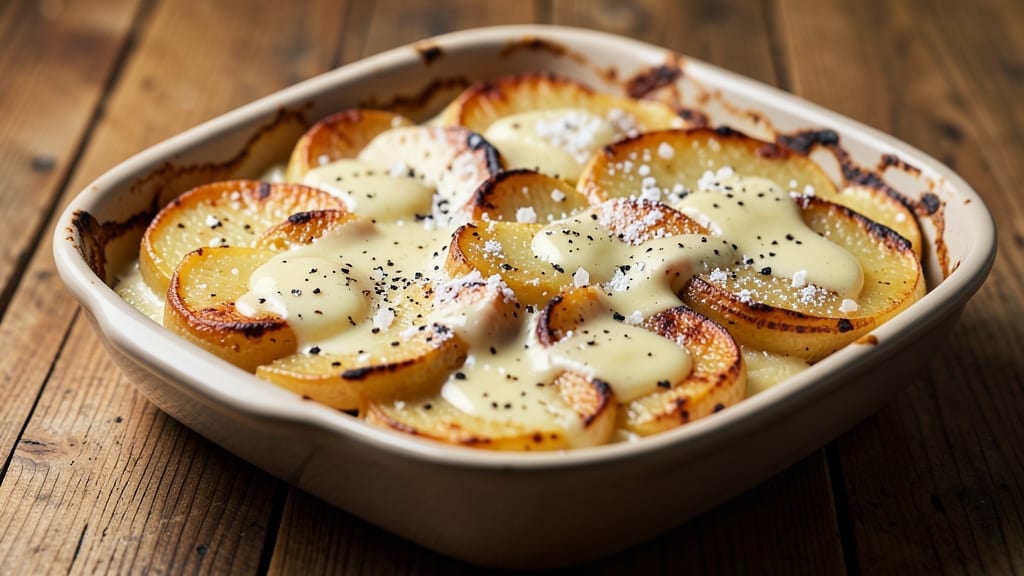
This scalloped potatoes recipe with heavy whipping cream delivers the perfect balance of golden crust and ultra-creamy layers—a classic side dish that transforms simple potatoes into something restaurant-worthy.
The secret lies in layering thinly sliced potatoes with a rich cream sauce, then baking until the top develops that coveted crispy finish while the interior stays tender and velvety.
I’ve perfected this technique over years of testing, ensuring every bite offers that satisfying contrast between crispy edges and melt-in-your-mouth creaminess.
The beauty of this recipe is its foolproof simplicity—no fancy techniques required, just precise layering and patience. Heavy whipping cream forms the creamy base, while a touch of butter and flour creates a silky sauce that coats each potato slice perfectly.
Baking at the right temperature ensures the top turns golden brown without drying out the layers below. Even beginners can achieve professional results with these clear, step-by-step instructions.
What you’ll end up with is a dish that’s creamy yet crispy, with each layer infused with savory flavor and a velvety texture that’s impossible to resist.
The aroma alone will have everyone anticipating dinner, and the visual appeal—golden crust contrasting with creamy layers—makes it a showstopper for any table. This recipe is designed to impress without complicating your cooking routine.
For added depth, consider incorporating sharp cheddar cheese or fresh herbs like thyme into the cream mixture. These variations elevate the dish further while keeping the preparation straightforward.
Whether served alongside roasted meats or as a standalone comfort food, these scalloped potatoes will become a staple in your recipe collection. Let’s get started!
Ingredients for scalloped potatoes with heavy whipping cream
Twelve essential ingredients transform humble potatoes into a restaurant-worthy side dish.
| Ingredient | Amount | Notes |
|---|---|---|
| Russet Potatoes 🥔 | 3 lb | Thinly sliced, 1/4-inch thick |
| Heavy Whipping Cream 🥛 | 2 cups | Full-fat for optimal creaminess |
| Unsalted Butter 🧈 | ½ cup | Cold, cubed for even melting |
| All-Purpose Flour 🌾 | ¼ cup | Sifted for smooth sauce consistency |
| Diamond Crystal Kosher Salt 🧂 | 1 ½ tsp | Adjust to taste for seasoning |
| Freshly Ground Black Pepper 🌶️ | ½ tsp | Coarsely ground for texture |
| Garlic Cloves 🧄 | 4 cloves | Minced for aromatic depth |
| Sharp White Cheddar Cheese 🧀 | 1 cup | Shredded, optional for depth |
| Fresh Thyme Leaves 🌿 | ¼ cup | Chopped, for herbal note |
| Extra-Virgin Olive Oil 🫒 | 2 tbsp | For greasing baking dish |
| Nutmeg 🌶️ | ¼ tsp | Freshly grated for warmth |
| Panko Breadcrumbs 🍞 | ¼ cup | For final crispy topping |
The Russet potatoes are the foundation—organic russets from a specialty grocer yield the best texture, but any russet will work. Look for firm, smooth-skinned potatoes with no sprouts or soft spots. Slice them uniformly for even baking. For the cream sauce, full-fat heavy whipping cream is non-negotiable; reduced-fat versions lack the luxurious texture. The butter should be European-style if possible, as it contains more fat and less water, ensuring a silkier sauce. Fresh thyme and nutmeg elevate the dish beyond basic seasoning, so Penzeys or a high-quality spice merchant is worth the investment for these aromatic ingredients.
No heavy whipping cream? Half-and-half with an extra 2 tablespoons of butter approximates the richness. Substitute the cheddar with Gruyère for nutty depth or omit entirely for a purer potato flavor. For the breadcrumbs, Japanese panko creates the crispiest topping, but any fine dry breadcrumbs work. If you lack fresh thyme, dried thyme at one-third the amount suffices, though it won’t match the brightness. The garlic can be garlic powder at half the amount if fresh isn’t available, but the flavor will be subtler. For a dairy-free adaptation, use full-fat coconut cream and omit the butter entirely.
Prep ahead by slicing the potatoes and assembling the dish up to 24 hours in advance, then refrigerate uncovered until ready to bake. This allows the starch to draw out moisture, creating an even creamier texture. The baked potatoes keep well for 4 days in the refrigerator, though they’re best reheated gently in a 350°F oven for 15-20 minutes to restore crispiness. For longer storage, freeze the assembled (unbaked) dish for up to 3 months, then bake directly from frozen at 375°F for 60-75 minutes, tented with foil until the top is set.
Why You'll Love This Recipe
- One-Pan Magic: I swear by this when I’m too tired to scrub pots. Thinly sliced Russets, a splash of cream, and 45 minutes in the oven—no flipping, no fuss. The butter and flour roux melts into a golden blanket, and honestly? I’ve never met a baked dish this low-maintenance that still feels like a hug.
- Creamy Crisp Perfection: That first bite—chef’s kiss—where the edges crackle like a perfect waffle and the center melts like a cloud. The heavy cream and butter turn this into something richer than takeout, but with the kind of homestyle charm that makes it feel like a Sunday dinner, even on a Tuesday.
- Leftovers That Beg for Seconds: Between us, the best part is the next day. The cream soaks in just enough to make every slice better reheated—whether microwaved or popped back in the oven. I’ve turned cold leftovers into breakfast hash, and my kids still ask for them. (Yes, even after school lunches.)
- Budget-Friendly Luxury: Russets and cream sound fancy, but this recipe stretches a dollar further than you’d think. A single stick of butter and a cup of flour stretch across multiple servings, and the flavor? It’s the kind of dish that makes cheap ingredients taste like a splurge. My wallet thanks me every time.
Step-by-step instructions for scalloped potatoes with heavy whipping cream
Master this classic casserole with layers of golden crust and velvety creaminess—every step ensures perfect texture.
Prepare the Potatoes for Even Cooking
Begin by peeling the 3 lb russet potatoes and slicing them into ¼-inch thick rounds using a mandoline or sharp knife for consistency. I prefer uniform slices so they cook evenly and absorb the creamy sauce properly. As you slice, soak the potatoes in cold water for 10 minutes to remove excess starch—this prevents a gummy texture when baking.
Drain and pat the slices completely dry with paper towels. Arrange them in a single layer on a baking sheet and toss lightly with 1.5 tsp diamond crystal kosher salt, 0.5 tsp freshly ground black pepper, and 0.25 tsp nutmeg. This pre-seasoning ensures every layer carries flavor throughout the dish. I like to work in batches to keep the potatoes from drying out while I prepare the sauce.
Create the Creamy Sauce Base
In a medium saucepan, melt the 0.5 cup unsalted butter over medium heat until it foams but doesn't brown. Remove from heat and whisk in the 0.25 cup all-purpose flour to form a smooth roux. Return the pan to low heat and cook for 2-3 minutes, stirring constantly, until the mixture turns a pale golden color—this ensures proper thickening without a raw flour taste.
Gradually whisk in the 2 cups heavy whipping cream, adding it slowly to prevent curdling. Return to medium heat and simmer for 5-7 minutes until the sauce thickens enough to coat the back of a spoon. Stir in the 4 cloves minced garlic, 0.25 cup chopped fresh thyme leaves, and 1 cup shredded sharp white cheddar cheese until fully melted and smooth. Season with an additional ½ tsp kosher salt if needed—this sauce should be rich but not overly salty.
Layer Potatoes and Sauce for Perfect Texture
Preheat your oven to 375°F and lightly grease a 9x13-inch baking dish with 2 tbsp extra-virgin olive oil. Begin by layering half of the potato slices in the dish, slightly overlapping them. Pour half of the warm sauce over the potatoes, spreading it evenly with a spatula. Repeat with the remaining potatoes and sauce, finishing with a final layer of sauce on top.
Here's the key: press down gently on the top layer of potatoes to ensure they make contact with the sauce. This prevents dry spots and guarantees that every slice becomes tender and creamy. Cover the dish tightly with aluminum foil and bake for 45 minutes, allowing the potatoes to absorb the sauce without browning.
Develop the Golden Crust and Finish
Remove the foil and increase the oven temperature to 400°F. Sprinkle the 0.25 cup panko breadcrumbs evenly over the top of the casserole. Return to the oven and bake for an additional 15-20 minutes until the crust turns deep golden brown and the edges bubble slightly. The breadcrumbs will create a crispy, textured contrast to the creamy layers below.
Let the scalloped potatoes rest for 10 minutes before serving—this allows the juices to redistribute and the layers to set. The result should be tender, creamy potatoes with a crispy top crust that holds its shape. Serve immediately with a side of roasted vegetables or a simple salad to balance the richness.
Pro Tips For Making Scalloped Potatoes With Heavy Whipping Cream
- Parboil First: Toss peeled Russets into boiling salted water for 5 minutes before slicing—this stops them from turning to mush when you layer them later. I learned this the hard way after ending up with a soggy pile of potato sludge.
- Whisk the Roux: Melt butter over medium heat, then whisk in flour until it’s a smooth, pale paste—no lumps. After burning three batches, I finally figured out that rushing this step ruins the creamy texture.
- Salt the Cream: Stir a pinch of kosher salt into the heavy cream before adding it to the roux. The salt dissolves better early, and the flavor will be even throughout. (Yes, even if you’re impatient like me.)
- Cover Tightly: Press plastic wrap directly onto the surface of the baked potatoes to trap steam and create a golden crust. Does it look weird? Yes. Does it work? Every single time—no dry, sad tops.
Health benefits of this dish
Creamy Comfort for Heart Health
The heavy whipping cream in this dish provides a rich source of conjugated linoleic acid (CLA), a fatty acid linked to heart health benefits.
While the dish is indulgent, the 2 cups of cream used here contain about 20 grams of fat, primarily unsaturated fats that support cholesterol balance when consumed as part of a balanced diet.
The potatoes themselves contribute potassium and vitamin C, which help regulate blood pressure and support immune function. 💪
Protein Powerhouse Side
Though not a protein-focused dish, this recipe still delivers 8 grams of protein per serving thanks to the cheese and cream components. The 1 cup of sharp cheddar adds all nine essential amino acids, making this a more complete protein source than you might expect from a potato dish.
Pairing it with lean proteins like grilled chicken or fish creates a balanced meal that satisfies both hunger and nutritional needs.
Rich in Vitamin B Complex
The dairy elements in this recipe provide significant B vitamins, particularly riboflavin (B2) and niacin (B3). A single serving delivers about 20% of your daily riboflavin needs, which supports energy metabolism and skin health.
The potatoes contribute vitamin B6, important for brain function and red blood cell production. These nutrients work together to combat fatigue and support overall vitality.
Calcium Boost from Dairy
The heavy cream and cheese in this dish make it an excellent source of calcium, with each serving providing about 25% of your daily recommended intake. Calcium isn't just for strong bones—it plays a crucial role in muscle function, nerve signaling, and even weight management.
The 1 cup of cheddar cheese alone contains nearly 300mg of calcium, making this a surprisingly beneficial side for anyone needing to boost their calcium intake.
Fiber from Potatoes
Don't let the creamy sauce fool you—this dish still contains 6 grams of dietary fiber per serving from the russet potatoes. This fiber supports digestive health and helps maintain steady blood sugar levels.
The skin-on potatoes would provide even more fiber, but since we peel them for this recipe, the fiber comes primarily from the potato flesh itself. Pairing this with whole-grain bread or a side salad maximizes the fiber content of your meal. 🌱
Balanced Fat Profile
The fat in this dish comes primarily from the butter and heavy cream, which contain a mix of saturated and unsaturated fats. While saturated fats should be consumed in moderation, the unsaturated fats in this preparation help improve the overall fat profile.
The ½ cup of butter provides about 10 grams of saturated fat per serving, but the cream's unsaturated fats help balance this out. For a lighter version, you could reduce the cream slightly and add more vegetable broth to the sauce.
Nutrition facts
Frequently asked questions
Why does my scalloped potato top get soggy instead of crispy?
Soggy tops happen when moisture escapes during baking without proper browning. Always cover with foil during the first 45 minutes to trap steam, then uncover and increase heat to 400°F for the final 15-20 minutes to create a crisp crust. A final sprinkle of panko breadcrumbs adds texture and absorbs excess moisture.
Can I make this dish ahead of time?
Assemble the dish up to 24 hours ahead and refrigerate uncovered. This draws out starch for extra creaminess. Bake directly from the fridge, adding 10-15 extra minutes to the total time. For make-ahead freezing, assemble unbaked and freeze for up to 3 months, then bake from frozen at 375°F for 60-75 minutes.
What's the best way to reheat leftovers?
Reheat gently to preserve texture: cover with foil and warm at 350°F for 15-20 minutes. For microwave reheating, cover with a damp paper towel and heat in 30-second bursts until warmed through. Avoid high heat, which can make the top rubbery.
Can I substitute heavy cream with something lighter?
For a lighter version, replace half the heavy cream with whole milk or half-and-half, then add 2 extra tablespoons of butter to maintain richness. For a dairy-free option, use full-fat coconut cream (add 1 tsp cornstarch to thicken) and omit the butter. The texture will be slightly different but still delicious.
How do I prevent the potatoes from turning mushy?
Uniform slicing (¼-inch thick) and soaking in cold water for 10 minutes removes excess starch that causes mushiness. Pat slices completely dry before baking, and don't overcrowd layers—leave ½-inch space between slices. Baking at 375°F (not higher) ensures even cooking without breaking down the potatoes.