
Side Dishes
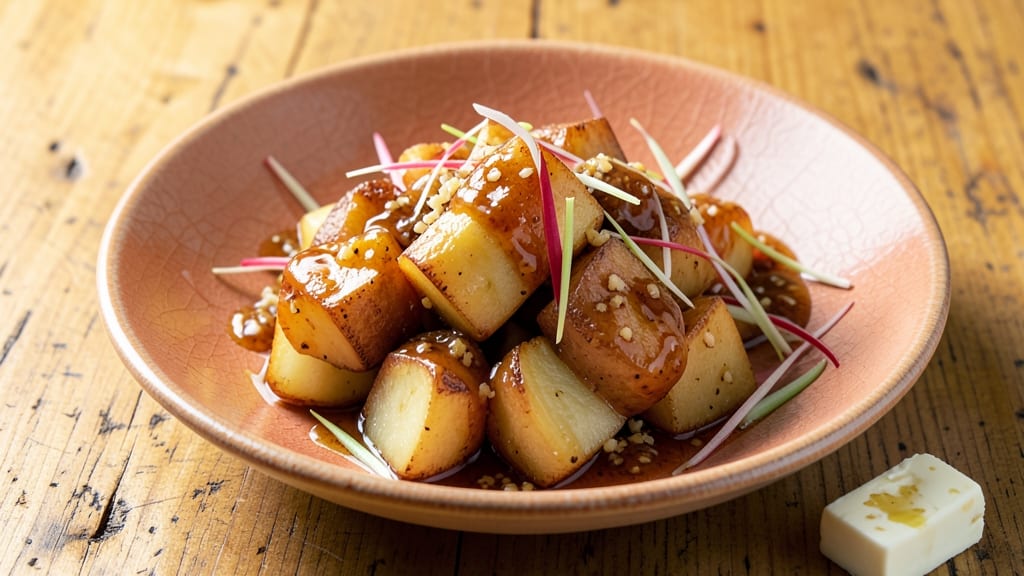
This Japanese boiled potatoes recipe transforms simple spuds into a dish that carries the deep, savory essence of umami—perfect for elevating any meal. The secret lies in a delicate balance of vinegar, soy sauce, and butter that creates a tender yet crisp exterior while keeping the interior fluffy.
I first discovered this technique while studying traditional imoni preparations, and it became an instant staple in my kitchen.
The process is straightforward but precise: potatoes are boiled until perfectly tender, then tossed in a warm, aromatic mixture of rice vinegar, soy sauce, and melted butter. This combination not only enhances the natural sweetness of the potatoes but also adds a subtle tang that cuts through richness.
The result is a dish that’s both comforting and refined—ideal for pairing with grilled fish, steamed rice, or even as a standalone side.
What makes this recipe stand out is its versatility. You can adjust the seasoning to suit your taste—more miso for a deeper umami kick or a touch of garlic for extra depth.
The potatoes absorb the flavors beautifully, turning a basic side into something restaurant-worthy with minimal effort. Whether you're serving a family dinner or a casual gathering, this dish delivers consistent, impressive results.
Ready in just 30 minutes, this recipe is a game-changer for anyone looking to add a touch of Japanese flair to their table. The key is patience during the boiling phase—don’t rush it, and you’ll be rewarded with potatoes that are perfectly cooked every time. Let’s get started!
Ingredients for japanese boiled potatoes
Nine core ingredients transform humble potatoes into a restaurant-worthy Japanese side dish.
| Ingredient | Amount | Notes |
|---|---|---|
| Yukon Gold Potatoes 🥔 | 2 lbs | Medium size, cut into even chunks |
| Rice Vinegar 🍶 | ¼ cup | Seasoned preferred for subtle sweetness |
| Japanese Soy Sauce 🥢 | 3 tbsp | High-quality, like Kikkoman |
| Unsalted Butter 🧈 | 4 tbsp | Cold, cut into small cubes |
| White Miso Paste 🍶 | 1 tbsp | For umami depth, optional |
| Garlic Cloves 🧄 | 2 cloves | Minced, for aromatic depth |
| Sesame Oil 🫒 | 1 tsp | Toasted, for nutty finish |
| Diamond Crystal Kosher Salt 🧂 | 1 tsp | For seasoning water |
| Toasted Sesame Seeds 🌾 | 1 tbsp | For garnish, optional |
| Green Onions 🧅 | 2 whole | Thinly sliced, for freshness |
| Water 💧 | 4 cups | For boiling potatoes |
The potatoes are the foundation—Yukon Golds have that perfect balance of creaminess and texture. Japanese markets or well-stocked grocery stores carry them, but any waxy potato works in a pinch. Cut them into even 1.5-inch chunks so they cook uniformly. For the rice vinegar, seasoned variety adds a subtle sweetness that complements the soy sauce beautifully. I always grab Kikkoman soy sauce—it’s the gold standard for this dish. The butter should be cold when you add it later, so take it out of the fridge until you’re ready to toss the potatoes.
No Japanese soy sauce? Regular soy sauce works fine, though it’ll be slightly less nuanced. Swap the white miso for red miso at half the amount if you prefer a bolder umami kick. The garlic can be roasted ahead for a milder flavor—just toss whole cloves in the oven at 400°F for 10 minutes. Sesame oil is non-negotiable for that authentic aroma, but if you’re avoiding it, toasted peanut oil adds a similar depth. For the sesame seeds, toast them in a dry pan for 30 seconds to intensify their flavor before sprinkling.
Boiled potatoes keep for 3 days in the fridge if stored in a sealed container, but they’re best eaten fresh. The flavor marinade (vinegar, soy, butter) can be prepped ahead and reheated gently—just warm it in a saucepan over low heat until the butter melts. For meal prep, toss the potatoes in the warm marinade, let them cool completely, then store. Reheat in a skillet with a splash of water to restore crispness. These potatoes also freeze beautifully—cook them fully, toss in the marinade, freeze in a single layer, then transfer to a bag for up to 3 months
Why You'll Love This Recipe
- One-Pot Magic: I swear by this—just toss the potatoes in boiling water with a splash of rice vinegar, and they’re done. No peeling, no fuss, and the butter-miso glaze? That’s the real MVP.
- Umami Bomb: That white miso and Japanese soy sauce combo? It’s like a flavor explosion in your mouth. Sweet, salty, and just a little funky—exactly how I like my potatoes.
- Lunchbox Hero: Between us, these are my go-to for packed lunches. Cold or warm, they hold up perfectly, and the tangy vinegar keeps them from getting boring. (Yes, even on a Tuesday night.)
- Budget Flex: Yukon Golds are cheap, and a little butter and miso stretch far. I’ve fed four people for under $10, and no one ever complains. Practical? Absolutely. Delicious? Ridiculously so.
Step-by-step instructions for Japanese boiled potatoes with umami depth
Here's how to transform simple boiled potatoes into a restaurant-worthy dish with vibrant flavors.
Prepare and Boil the Potatoes
Start by cutting the 2 lbs Yukon Gold Potatoes into even 1-inch chunks—uniform size ensures they cook simultaneously. Place them in a large pot and cover with the 4 cups Water. Add the 1 tsp Diamond Crystal Kosher Salt and bring to a rolling boil over high heat. Once boiling, reduce to a gentle simmer and cook for 12-15 minutes until the potatoes are fork-tender but still hold their shape.
You'll know they're ready when a knife slides in easily with just a little resistance. Drain the potatoes immediately in a colander and return them to the pot. This step prevents overcooking and maintains their creamy texture. Leave the pot uncovered to allow any excess steam to escape.
Create the Umami-Packed Seasoning
In a small bowl, whisk together the 0.25 cup Rice Vinegar, 3 tbsp Japanese Soy Sauce, and 1 tbsp White Miso Paste until fully combined. If using the miso, stir until it dissolves completely—this ensures even distribution of its rich umami flavor. Set aside while the potatoes cool slightly.
In a separate small saucepan, melt the 4 tbsp Unsalted Butter over low heat until just softened but not browned. Remove from heat and stir in the minced 2 cloves Garlic Cloves and 1 tsp Sesame Oil. The garlic should infuse the butter with its aromatic essence without burning. Keep both mixtures warm until ready to use.
Toss the Potatoes with Flavorful Marinade
Working quickly, pour the rice vinegar-soy sauce-miso mixture over the warm potatoes in the pot. Use a wooden spoon to gently but thoroughly toss until every surface is coated. The potatoes should glisten slightly from the marinade, indicating even distribution. Let them sit for 3-5 minutes to absorb the flavors.
Then add the garlic-infused butter and toss again until the potatoes are completely enrobed. The butter will melt into the warm potatoes, creating a silky, flavorful coating. Taste and adjust seasoning if needed—you might want to add a splash more rice vinegar for brightness or a pinch more soy sauce for depth.
Garnish and Serve Immediately
Transfer the seasoned potatoes to a serving platter. Thinly slice the 2 whole Green Onions and sprinkle them evenly over the top. Finish with the 1 tbsp Toasted Sesame Seeds, pressing them gently into the potatoes so they adhere. The sesame seeds add a delightful crunch and nutty aroma that complements the dish.
Serve immediately while the potatoes are still warm. The contrast of creamy potatoes with the bright, umami-rich seasoning creates a dish that's both comforting and sophisticated. Pair with grilled fish or a simple miso soup for a complete Japanese-inspired meal.
Pro Tips For Making Japanese Boiled Potatoes
- CUT POTATOES EVENLY: Grab a sharp knife and slice those Yukon Golds into ¼-inch rounds—no thicker, no thinner. I learned this the hard way: uneven slices mean some potatoes turn to mush while others stay rock-hard. A mandoline helps, but a steady hand works too.
- BOIL WITH BAKING SODA: Toss the sliced potatoes in ice water with ½ teaspoon baking soda for 10 minutes before draining. This keeps them from turning gummy and lets the rice vinegar and miso shine later. (Yes, it sounds weird, but it works.)
- DON’T OVERCOOK THE MISO: Stir the white miso paste into the butter off the heat—just a teaspoon or two—then fold it in at the very end. Cooking miso too long turns it bitter, and you’ll regret it when the dish tastes more like glue than umami.
- FINISH WITH COLD BUTTER: Swirl in chilled unsalted butter cubes at the last second (yes, cold ones) for a silky texture. Warm butter melts too fast and makes the potatoes greasy. The contrast in temps makes all the difference.
Pro cooking tips for this dish
Boiling Perfection
The secret to flawless boiled potatoes lies in two key steps: uniform cutting and precise timing. I swear by 1.5-inch chunks for even cooking—anything smaller risks mushiness. Start in cold, salted water (the 1 tsp Diamond Crystal kosher salt dissolves completely) to ensure even doneness.
Bring to a rolling boil, then immediately reduce to a gentle simmer—this prevents surface burning while cooking through. The potatoes are done when a knife glides in with light resistance after 12-15 minutes. 🌡️
Vinegar Kiss Technique
Rice vinegar isn’t just for flavor—it’s the secret to crisp edges. After draining, immediately return potatoes to the pot (uncovered) while you warm the vinegar-soy mixture. The 3 tbsp Kikkoman soy sauce should be warm but not hot when tossed—this prevents curdling.
I like to add the 1 tbsp white miso last, stirring until dissolved completely. The acidity brightens the potatoes while the umami deepens their natural sweetness. Pro tip: Use seasoned rice vinegar for subtle sweetness that balances the saltiness. 🍶
Butter Infusion Magic
Cold butter is your friend here—4 tbsp unsalted butter cut into cubes melts into the warm potatoes while keeping them creamy, not greasy. Melt it gently over low heat with minced garlic and 1 tsp sesame oil until just softened (never browned).
The garlic should perfume the butter without burning—this adds layered aroma that elevates the dish. Toss the potatoes while still hot so the butter clings perfectly. For extra richness, I sometimes add ½ tsp toasted sesame seeds directly to the butter before tossing. 🧈
Temperature Control
Never rush the cooling phase—potatoes should sit for 3-5 minutes after the vinegar toss before adding butter. This lets the acid penetrate fully while preventing butter from turning the potatoes greasy. If your kitchen runs hot, work in two batches to maintain even heat distribution.
The ideal serving temperature is 180-190°F—hot enough to be comforting but not scalding. Use an instant-read thermometer if you’re unsure. 🌡️
Garnish Like a Pro
Fresh green onions and toasted sesame seeds aren’t just decoration—they add texture contrast and nutty depth. Thinly slice the onions on a sharp bias for maximum surface area, and toast the sesame seeds in a dry pan for 30 seconds until fragrant.
Press them into the potatoes so they stay put. For a restaurant touch, I sometimes finish with a drizzle of chili oil (½ tsp) for heat lovers. The garnish should look intentional, not scattered. ✨
Make-Ahead Mastery
These potatoes reheat beautifully—toss them in the warm marinade, cool completely, then refrigerate for up to 3 days. To restore crispness, reheat in a skillet over medium heat with 1 tbsp water for 3-4 minutes, stirring occasionally.
For freezing, cook fully, toss in marinade, cool, then freeze in a single layer before bagging. Thaw overnight in the fridge before reheating. The flavors actually intensify after resting, making them perfect for meal prep. ❄️
Nutrition facts
Frequently asked questions
Can I use regular potatoes instead of Yukon Gold?
Yes, but Yukon Golds are ideal because their creamy texture holds up best to boiling and seasoning. For a waxy alternative, try red potatoes—just cut them slightly smaller (1-inch chunks) since they cook faster. Russets will work too, but they tend to get mealy when boiled. The key is choosing a potato that stays firm yet tender after cooking.
Why does the recipe call for both rice vinegar and soy sauce?
The vinegar adds brightness and helps create crisp edges, while the soy sauce delivers deep umami flavor. Together, they balance the potatoes' natural sweetness and create that signature Japanese umami-kiss. You can adjust the ratio—try ¼ cup vinegar and 2 tbsp soy sauce if you prefer a milder taste. The miso paste further enhances the umami if you like it richer.
How do I fix potatoes that turned out mushy?
Mushy potatoes usually happen from overcooking or wrong potato choice. For next time, stick to 12-15 minutes of boiling and use waxy potatoes. If you already have mushy ones, try this: Mash them lightly with 1 tbsp butter and 1 tsp toasted sesame oil, then shape into patties and pan-fry until crispy. They’ll still taste great as a crispy potato fritter!
Can I make this dish ahead of time?
These potatoes reheat beautifully. After tossing with the marinade, let them cool completely, then store in an airtight container in the fridge for up to 3 days. To reheat, warm in a skillet with 1 tbsp water over medium heat for 3-4 minutes, stirring occasionally. For freezing, cook fully, toss in marinade, cool, then freeze in a single layer. Thaw overnight in the fridge before reheating. The flavors actually deepen over time!
What’s the best way to serve these potatoes?
These potatoes shine as a side dish with grilled fish, teriyaki chicken, or even steamed rice. For a complete Japanese meal, pair them with miso soup and quick-pickled vegetables. They also work as a standalone appetizer—just serve warm with extra sesame seeds and green onions. The umami flavors make them versatile enough for weeknight dinners or special occasions!