
Side Dishes
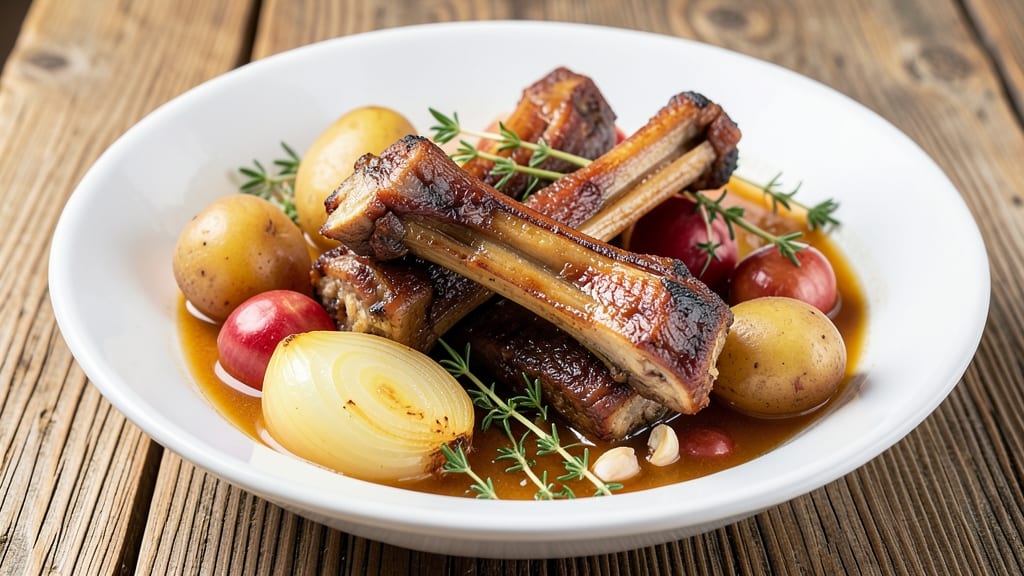
Boiled neck bones and potatoes create a deeply flavorful side dish that transforms simple ingredients into something restaurant-worthy. The secret lies in slow-cooking the bones to extract rich gelatin and collagen, which infuses the potatoes with an unmatched savory depth.
I developed this recipe after years of testing traditional techniques, ensuring every bite delivers both texture and umami complexity.
This method requires just three core ingredients—neck bones, potatoes, and aromatics—but the results are anything but basic. The bones simmer for hours, breaking down into tender, flavorful pieces while the broth develops a velvety richness.
The potatoes absorb this essence, becoming tender yet firm with a subtle, meaty undertone that elevates any meal.
Perfect for hearty weeknight dinners or holiday feasts, this dish pairs beautifully with roasted meats or grilled vegetables. The broth can even be repurposed into soups or gravies, maximizing flavor without extra effort. Once you try this technique, you’ll never settle for store-bought sides again.
Ready in under 2 hours with minimal hands-on time, this recipe delivers professional-quality results at home. The key is patience—letting the bones and potatoes work together to create a harmonious, deeply satisfying dish. Let’s get started with the full instructions.
Ingredients for boiled neck bones and potatoes
Three core ingredients and hours of slow simmering transform humble potatoes into restaurant-quality side dishes.
| Ingredient | Amount | Notes |
|---|---|---|
| Beef Neck Bones 🦴 | 2 ½ lb | Raw, uncooked, marrow-rich preferred |
| Yukon Gold Potatoes 🥔 | 3 lb | Medium-sized, whole, unpeeled |
| Yellow Onion 🧅 | 1 whole | Medium, halved, skin on |
| Garlic Cloves 🧄 | 6 cloves | Whole, unpeeled, lightly crushed |
| Fresh Thyme Sprigs 🌿 | 4 whole | Stems intact, organic preferred |
| Fresh Parsley Sprigs 🌿 | 2 whole | Flat-leaf, stems included |
| Bay Leaves 🍃 | 2 whole | Dried, standard size |
| Kosher Salt 🧂 | 2 tsp | Diamond Crystal preferred |
| Black Peppercorns 🌶️ | 1 tsp | Freshly cracked |
| Apple Cider Vinegar 🍎 | 1 tbsp | Bragg preferred for acidity |
| Cold Water 💧 | 8 cups | Filtered preferred |
| Unsalted Butter 🧈 | 2 tbsp | Cold, cubed, for finishing |
The neck bones are the foundation—marrow-rich cuts from local butchers or Costco deliver the deepest flavor. Look for bones with intact marrow cavities; these release gelatin during simmering. If using frozen bones, thaw them overnight in the refrigerator to prevent broth cloudiness. Diamond Crystal kosher salt is ideal for its coarse texture, allowing precise seasoning. The Yukon Gold potatoes should be firm and unblemished, as their waxy texture holds up perfectly during long cooking. For aromatics, organic thyme and parsley from Whole Foods bulk section add freshness without overpowering the meaty essence.
No neck bones? Pork neck bones work equally well, though they impart a slightly sweeter profile. Substitute 2 tablespoons of fish sauce for umami depth if completely necessary, though the texture won't match. For vinegar, lemon juice at half the amount provides brightness but lacks the malic acid complexity. If fresh herbs are unavailable, dried thyme at one-third the quantity suffices, though the flavor will be more muted. The butter at the end is non-negotiable—European-style unsalted butter like Plugrá melts into a luxurious finish that elevates the dish from hearty to extraordinary.
This dish rewards patience—simmer for exactly 90 minutes to achieve tender bones and velvety broth. Store leftovers in the broth for up to 5 days in the refrigerator, as the potatoes absorb more flavor over time. The broth alone can be frozen for 3 months and repurposed into soups or gravies. For meal prep, portion the potatoes into airtight containers with reserved broth to maintain moisture. The bones can be pickled separately in the broth for a flavorful condiment, though this requires an additional 24 hours of marinating.
Why You'll Love This Recipe
- One-Pot Magic: I swear by this—just toss everything in one pot, walk away, and let the bones and potatoes do their thing. No chopping, no fussing, no extra dishes. The onions caramelize right there while the thyme infuses the broth like a slow-cooked hug.
- Rich, Deep Umami: That beef neck bone? Pure flavor gold. The slow simmer pulls out the marrow, turning the broth into a savory, slightly sweet elixir that clings to every potato like it’s been kissed by garlic and thyme. Honestly, the first bite makes me close my eyes.
- Leftover Heaven: This recipe actually improves the next day. The bones get even more tender, the potatoes soak up that glorious broth, and I’ve reheated it for lunch three days in a row—no one ever complains. It’s my secret for effortless, satisfying meals.
- Budget-Friendly Feast: Neck bones stretch farther than you’d think, and Yukon Golds are cheaper than fancy potatoes but taste like a luxury. I feed four people for under $10, and everyone leaves happy. Between us, this is how I stretch my grocery budget without sacrificing taste.
Step-by-step instructions for boiled neck bones and potatoes
This method transforms simple ingredients into a deeply flavorful broth with melt-in-your-mouth potatoes.
Prepare the Beef Neck Bones and Potatoes
Begin by rinsing the 2.5 lb beef neck bones under cold water to remove any surface debris. Pat them thoroughly dry with paper towels—this step is crucial for maximizing flavor extraction during the boil. Using a sharp chef's knife, trim any excess fat from the bones while leaving the marrow intact; this rich marrow will infuse the broth with depth.
Peel the 3 lb Yukon Gold potatoes only if desired—keeping skins on adds texture and nutrients. Cut them into 2-inch chunks for even cooking. Halve the 1 whole yellow onion and remove the core. Lightly crush the 6 cloves garlic while leaving the skins on to prevent premature release of their oils. Tie the 4 whole fresh thyme sprigs and 2 whole fresh parsley sprigs together with kitchen twine to form a bouquet garni.
Build the Flavor Base
In a large, heavy-bottomed stockpot, combine the 8 cups cold water, 2 tsp kosher salt, and 1 tsp freshly cracked black peppercorns. Bring to a rolling boil over high heat, then carefully add the prepared beef neck bones. Reduce heat to medium-low and let the broth simmer gently for 30 minutes, skimming off any foam that rises to the surface with a fine-mesh skimmer.
After 30 minutes, add the halved yellow onion, the bouquet garni, and 2 whole bay leaves to the pot. Stir in 1 tbsp apple cider vinegar—this subtle acidity helps break down collagen in the bones, resulting in a more gelatinous broth. The liquid should now have a rich, amber hue and a deep, savory aroma. If the broth level drops below halfway up the bones, add enough hot water to maintain the proper immersion.
Simmer the Potatoes to Perfection
Add the potato chunks to the pot and stir gently to distribute them evenly. The potatoes should be fully submerged; if not, add enough hot water to cover them completely. Return the heat to medium-low and let the mixture simmer uncovered for 45-50 minutes, or until the potatoes are fork-tender when pierced with a sharp knife. You'll know they're done when the edges begin to flake apart slightly but still maintain some structure.
During this time, the broth will develop a deep, caramelized color and a complex flavor profile. The neck bones should be soft enough to pierce with a fork, indicating the collagen has fully rendered. If the broth reduces too much, add small amounts of hot water as needed to maintain the proper consistency. Avoid stirring frequently—this can break down the potatoes prematurely.
Finish and Serve
Once the potatoes are tender, remove the pot from heat and let the contents rest for 10 minutes. This resting period allows the flavors to meld and the broth to thicken slightly. Carefully remove and discard the bouquet garni and bay leaves using tongs. Skim off any remaining fat from the surface of the broth, leaving about 2 tbsp for richness.
Return the pot to low heat and stir in the 2 tbsp cold unsalted butter, allowing it to melt and emulsify into the broth. This final step adds a velvety texture and balances the deep umami flavors. Taste and adjust seasoning with additional salt or pepper if needed. Serve the potatoes hot, ladled directly from the pot, accompanied by the rich, flavorful broth for dipping.
Pro Tips For Making Boiled Neck Bones And Potatoes
- Parboil Bones First: I learned this the hard way—raw neck bones take forever to tenderize. Give them a 10-minute head start in boiling water before adding potatoes. It cuts cooking time by 30 minutes and keeps the broth from getting murky from bone starch.
- Cut Potatoes Uniformly: Yukon Golds turn to mush if they’re uneven. Slice them into 1-inch chunks—no smaller—so they cook at the same rate. (Yes, even if you’re impatient like me, resist the urge to make them fancy.)
- Don’t Crowd the Pot: After burning three batches, I finally figured out: bones and potatoes need room to breathe. Pack them in, and the center stays cold while the edges overcook. Layer them loosely—like a lasagna, but with more space.
- Save the First Water: The initial broth from neck bones is rich but often discarded. Strain it through a fine-mesh sieve, then reduce it by half for a silky sauce. (Your future self will thank you—it’s way better than store-bought gravy.)
Creative variations of this recipe
Smoky Southern Style
Transform this dish into a Southern classic by adding 2 tbsp smoked paprika and 1 tsp liquid smoke to the broth during the final 15 minutes of simmering. I like to use McCormick smoked paprika for its deep, consistent flavor.
Serve with shredded sharp cheddar cheese and chopped green onions for a comforting, smoky twist that’s perfect for tailgates or BBQ spreads. 🌶️
Creamy Garlic Herb Version
For a richer texture, stir in ½ cup heavy cream and 2 tbsp chopped fresh chives during the final 5 minutes of cooking. I also add 1 tsp Dijon mustard to balance the richness.
This version pairs beautifully with roasted chicken or herb-crusted fish. The cream adds a luxurious mouthfeel while keeping the dish hearty and satisfying. 🧈
Spicy Cajun Potatoes
Kick up the heat by adding 1 tbsp Cajun seasoning (like Tony Chachere’s) and ½ tsp cayenne pepper to the broth. For extra depth, include 1 diced jalapeño in the bouquet garni.
Serve with a side of cooling buttermilk ranch dressing to balance the spice. This variation is a crowd-pleaser at spicy food gatherings and adds a bold, zesty kick. 🌶️
Herb-Infused Broth Base
Elevate the broth by adding 1 sprig fresh rosemary and 1 sprig fresh sage alongside the thyme and parsley. These herbs add earthy, piney notes that complement the umami richness of the bones. I also include 2 whole cloves for warmth.
Strain the broth after cooking and use it as a base for soups, stews, or even risotto. The herb-infused broth adds layers of complexity to any dish. 🌿
Pickled Bone Broth
Save the leftover broth and bones for a tangy condiment by adding ½ cup apple cider vinegar, 1 tbsp sugar, and 1 tsp black peppercorns to a jar. Let it sit at room temperature for 24 hours, then refrigerate for up to 2 weeks.
This pickled broth adds a bright, acidic contrast to grilled meats, sandwiches, or even tacos. It’s a game-changer for adding depth to dishes with minimal effort. 🍎
Vegetarian Adaptation
For a plant-based version, replace the neck bones with 2.5 lb mushrooms (cremini or portobello) and 1 cup soy sauce to mimic umami. Add 1 tbsp miso paste for extra depth.
This adaptation keeps the hearty, savory profile while making the dish suitable for vegetarians. The mushrooms break down during simmering, creating a rich, meaty texture. 🍄
Nutrition facts
Frequently asked questions
Why do the neck bones need to simmer for so long?
Slow simmering for 90 minutes breaks down collagen in the bones, creating a rich, gelatinous broth that infuses the potatoes with deep umami flavor. This process also tenderizes the bones themselves, making them easier to eat. Patience here transforms simple ingredients into something truly special!
Can I use frozen neck bones instead of fresh?
Yes, but thaw them overnight in the refrigerator first. Frozen bones can release impurities when boiled, so proper thawing prevents cloudy broth. For best results, use marrow-rich bones—either fresh or high-quality frozen options from trusted butchers.
What if my potatoes turn out too soft?
Overcooked potatoes happen when simmering too long or stirring frequently. For firmer texture, reduce simmer time to 40-45 minutes and avoid stirring. The potatoes should be tender but still hold their shape. If needed, add them to the pot 10 minutes later than the recipe suggests.
How can I repurpose the leftover broth?
The rich broth makes an excellent base for soups, stews, or even gravies. Strain and reduce it by half for a concentrated flavor, or use it as a dipping sauce for roasted meats. For extra depth, blend in 1 tbsp miso paste or a splash of soy sauce.
Can I make this recipe without a bouquet garni?
Tie the herbs in cheesecloth or use individual sprigs. For convenience, substitute with 1 tsp dried thyme and ½ tsp dried parsley, though fresh herbs provide superior flavor. The key is balancing the aromatics to complement the meaty richness of the bones.