
Side Dishes
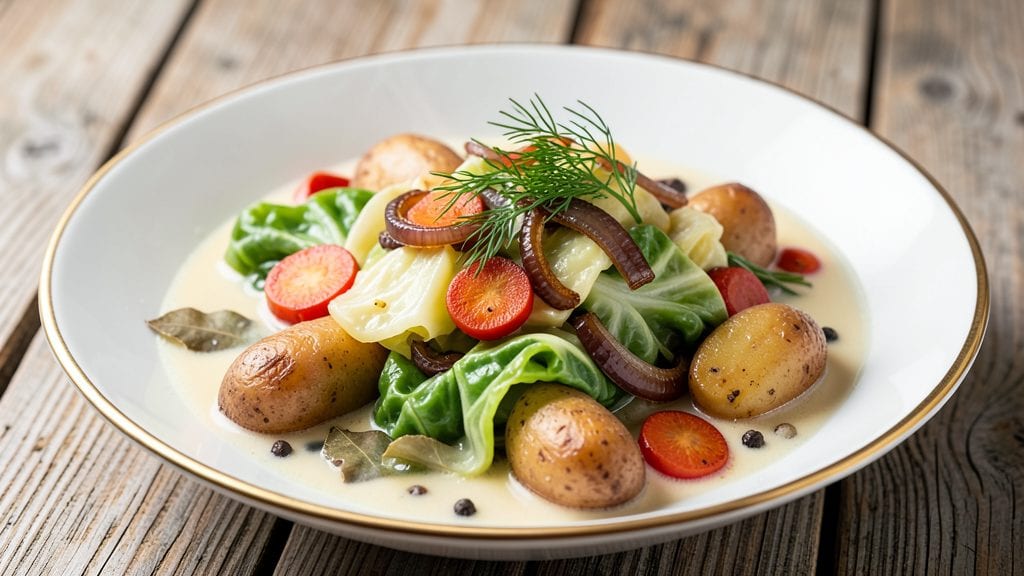
This boiled cabbage and potatoes recipe delivers a hearty, comforting side dish that brings Eastern European tradition to your weeknight table. The simple combination of tender potatoes and slightly crisp cabbage creates a satisfying meal that pairs perfectly with sausage, roasted meats, or even stands alone.
I've perfected this method over years of testing, ensuring the vegetables stay tender while absorbing just enough seasoning to enhance their natural flavors.
The beauty of this recipe lies in its simplicity—just a few ingredients and a single pot. You'll need fresh cabbage, potatoes, and basic seasonings like bay leaf and peppercorns to create a flavorful broth that simmers the vegetables to perfection.
The key is timing: potatoes cook first, while the cabbage softens gradually, ensuring every bite is tender and flavorful. This method transforms simple ingredients into a dish that feels like a warm hug on a chilly evening.
What makes this recipe truly special is its versatility. Serve it alongside roasted meats, sausages, or even as a standalone side for a vegetarian meal. The savory aroma of simmering cabbage and potatoes fills the kitchen, creating an inviting atmosphere that makes dinner feel like a celebration.
With minimal prep and hands-off cooking, this dish is perfect for busy weeknights when you still want something hearty and satisfying.
Once you try this boiled cabbage and potatoes recipe, you'll find yourself reaching for it again and again. The combination of textures—creamy potatoes and slightly crisp cabbage—makes every bite irresistible. Whether you're feeding a family or preparing a meal for two, this dish delivers comfort and flavor without the fuss.
Let's get started on creating this timeless classic for your table.
Ingredients for boiled cabbage and potatoes
Eastern European comfort in one pot—just twelve ingredients for hearty weeknight meals.
| Ingredient | Amount | Notes |
|---|---|---|
| Yellow Onions 🧅 | 1 whole | Medium-sized, sliced into wedges |
| Russet Potatoes 🥔 | 2 lbs | Large, cut into 2-inch chunks |
| Green Cabbage 🥬 | 1 whole | Heads, cut into wedges |
| Carrots 🥕 | 4 medium | Peeled, cut into 2-inch pieces |
| Bay Leaves 🌿 | 2 whole | Dried, standard size |
| Black Peppercorns 🌶️ | 1 tsp | Whole, lightly crushed |
| Sea Salt 🧂 | 2 tsp | Diamond Crystal preferred |
| Fresh Parsley 🌿 | ¼ cup | Chopped, for garnish |
| Vegetable Broth 💧 | 4 cups | Low-sodium preferred |
| Apple Cider Vinegar 🍎 | 1 tbsp | For brightness |
| Garlic Cloves 🧄 | 3 cloves | Minced, for depth |
| Fresh Dill 🌿 | ¼ cup | Chopped, optional |
The cabbage and potatoes are the stars here, so prioritize quality. Green cabbage should be crisp with tightly packed leaves—avoid any with brown spots or wilted outer leaves. For potatoes, Russet varieties hold their shape best during boiling, though Yukon Golds add creaminess. Most grocery stores carry these staples, but for deeper flavor, seek out organic produce at Whole Foods or local farmers markets. The vegetable broth is non-negotiable—opt for low-sodium versions like Imagine or Pacific Foods to control seasoning. Fresh herbs like parsley and dill elevate the dish, but dried will suffice in a pinch at one-third the amount.
No vegetable broth? Water with a bouillon cube works in a bind, though it lacks depth. Substitute carrots for celery or parsnips if preferred—just adjust the quantity to maintain balance. The apple cider vinegar adds brightness, but lemon juice works equally well. For a more robust flavor, add a pinch of smoked paprika or a bay leaf to the broth. If you're preparing ahead, the potatoes can be parboiled and refrigerated for up to 2 days, then finished in the cabbage broth later. The cabbage wedges should be evenly sized to ensure even cooking—trim any tough outer leaves before slicing.
This dish reheats beautifully—simmer gently on the stove with a splash of broth or water to restore moisture. Store in airtight containers for up to 5 days in the refrigerator, though the flavors deepen overnight. For longer storage, freeze portions for up to 3 months. Garnish with fresh herbs just before serving to preserve their vibrant color and aroma. The leftovers make excellent cold salads when tossed with a vinaigrette, adding versatility to your meal prep.
Why You'll Love This Recipe
- One-Pot Magic: I swear by this recipe when I’m too tired to dirty multiple pans—just toss everything in one pot, add water, and let it simmer. The onions caramelize right into the broth, so you end up with flavor without extra effort.
- Creamy Crunch Combo: That perfect bite where the potatoes stay tender but the cabbage holds its crisp? It’s all in the timing—boiling the potatoes first, then adding the cabbage at the end. Honestly, it’s the kind of balance that makes you go back for seconds.
- Lunchbox Hero: Between us, this is my go-to for meal prep because it reheats like a dream and keeps for days. Pack it cold for work lunches or warm it up with a sprinkle of black pepper—either way, it’s a crowd-pleaser.
- Pantry Staple Saver: Russets, cabbage, and carrots are cheap, and I never regret buying them in bulk. A single pot feeds four for under $5, and leftovers turn into next-day soup or a quick hash. Budget-friendly doesn’t mean boring—this tastes like a home-cooked meal.
Step-by-step instructions for boiled cabbage and potatoes
This method delivers a perfectly balanced, hearty dish in under an hour—ideal for busy weeknights.
Prep and Parboil the Potatoes
Begin by placing the 2 lbs russet potatoes in a large pot and covering them with cold water by about 2 inches. Add 1 tsp sea salt and bring to a boil over medium-high heat. Once boiling vigorously, reduce heat to medium and simmer for 10 minutes—until the potatoes are tender when pierced with a fork but not falling apart.
Drain immediately and set aside. This parboiling step ensures the potatoes finish cooking evenly without becoming mushy. I like to shock them briefly in ice water to stop the cooking process, but this step is optional if you're short on time.
Sauté Aromatics and Build the Base
In a deep skillet or Dutch oven, heat 1 tbsp apple cider vinegar over medium heat until it shimmers. Add the 1 whole yellow onion (sliced into wedges) and 3 cloves garlic (minced) and cook for 5 minutes until the onions soften and turn translucent. This step develops their natural sweetness and forms the flavor foundation.
Add the 4 medium carrots (cut into 2-inch pieces) and cook for another 5 minutes, stirring occasionally. The carrots should begin to soften slightly but retain some bite. This quick sauté prevents them from turning to mush during the long simmer ahead.
Combine Vegetables and Simmer
Return the parboiled potatoes to the skillet along with the 1 whole green cabbage (cut into wedges), 2 whole bay leaves, 1 tsp black peppercorns (lightly crushed), and the remaining 1 tsp sea salt. Pour in 4 cups vegetable broth and bring to a gentle boil over medium heat. Once boiling, reduce heat to low and cover partially.
Simmer for 25-30 minutes, stirring occasionally, until the cabbage is tender but still vibrant green and the potatoes are fully cooked through. The broth should reduce slightly but still coat the vegetables. Here's the thing—don't overcrowd the pan or the vegetables will steam instead of develop flavor through caramelization.
Finish with Fresh Herbs
Remove the dish from heat and let it sit covered for 5 minutes. This resting period allows the flavors to meld. Stir in the 0.25 cup fresh parsley and 0.25 cup fresh dill (if using) just before serving. These herbs add brightness and cut through the richness of the simmered vegetables.
Taste and adjust seasoning—you might need a pinch more salt or a splash of vinegar to balance the flavors. Serve immediately with crusty bread or over mashed potatoes for a complete meal. The vegetables should be tender yet retain their texture, with a savory broth clinging to each bite.
Pro Tips For Making Boiled Cabbage And Potatoes
- COOK POTATOES SEPARATELY: I learned this the hard way—dumping everything in one pot turns your potatoes into mush while the cabbage stays tough. Boil the potatoes first in salted water (10-12 minutes until fork-tender), then drain and set aside. The extra starch in the water keeps the cabbage from breaking down prematurely.
- SHRED CABBAGE UNIFORMLY: Thin, even shreds cook faster and soak up flavors better than thick chunks. Use a sharp knife and cut the cabbage into quarters first, then slice against the grain into ¼-inch strips. (Yes, it’s tedious, but your dish will actually taste like it’s been simmering for hours.)
- DON’T SKIP THE CARROT PREP: After burning three batches, I finally figured out: peel and cut carrots into ½-inch chunks, not thin slices. Thick pieces stay crisp-tender while thin ones dissolve into the water. Toss them in the pot with the cabbage—no need to pre-boil.
- ADD BAY LEAVES LATE: Tossing in bay leaves at the very end (last 5 minutes of simmering) keeps their flavor from turning bitter. Remove them before serving—unless you’re feeling bold and want that herbal punch. (I still take them out. My family sides with tradition.)
Perfect pairings for this recipe
Protein Pairings
This dish pairs beautifully with smoked sausages like Polish kielbasa or German bratwurst—the smoky, savory notes complement the cabbage's earthiness. I like to pan-sear the sausages until crispy and serve them alongside the boiled vegetables.
For a vegetarian option, mushroom burgers or black bean patties add heartiness while keeping the meal balanced. 🌭
Bread and Grains
Crusty rye bread or sourdough soaks up the flavorful broth while adding a satisfying bite. I recommend German pumpernickel for its dense texture and subtle sweetness.
For a lighter option, quinoa or farro transforms this into a complete grain bowl—simply toss the boiled vegetables with cooked grains and a drizzle of olive oil.
Cheese Additions
Top with sharp cheddar or feta cheese for a tangy contrast—the crumbly texture adds a delightful element. I often sprinkle crumbled goat cheese over the dish just before serving for a creamy, slightly acidic note.
For a bolder flavor, try smoked gouda shavings. These additions elevate the dish from side to main course potential.
Drink Pairings
A dry Riesling or crisp Sauvignon Blanc cuts through the richness of the cabbage and potatoes. I prefer German Riesling for its bright acidity, which balances the dish's hearty flavors.
For beer lovers, a German Helles or Belgian witbier complements the vegetables' earthy notes. Avoid heavy, malty beers that could overpower the delicate broth.
Seasonal Garnishes
Fresh dill and parsley add brightness, but don’t stop there—try chopped chives or microgreens for a pop of color. In summer, a squeeze of lemon enhances the dish’s freshness.
For winter, a sprinkle of toasted pumpkin seeds or crushed walnuts adds crunch and warmth. These garnishes make the dish feel special without requiring extra effort. 🌿
Nutrition facts
Frequently asked questions
Can I use red cabbage instead of green?
Yes, but expect a different flavor profile! Red cabbage holds its color better and has a slightly sweeter, milder taste. For best results, add 1 tbsp vinegar to the simmering liquid to preserve the vibrant purple hue. The cooking time remains the same, but the texture will be slightly firmer than green cabbage.
Why does my cabbage turn mushy?
Overcooking is the most common culprit. The cabbage should be tender but still hold its shape after 25-30 minutes of simmering. Use a fork to test—it should pierce easily but not fall apart. If you prefer softer cabbage, reduce cooking time by 5 minutes and add fresh herbs earlier to brighten the flavor.
How can I make this dish ahead of time?
This recipe reheats beautifully! Cook the vegetables as directed, then store in an airtight container in the fridge for up to 5 days. Reheat gently on the stove with a splash of broth or water to restore moisture. For freezing, portion into containers and freeze for up to 3 months—thaw overnight in the refrigerator before reheating.
What's the best way to serve this as a vegetarian main?
Turn it into a complete meal by adding chickpeas or lentils to the pot during the final 10 minutes of simmering. Top with crumbled feta or toasted breadcrumbs for texture. Serve with a side of warm quinoa or a dollop of tahini sauce to round out the dish.
Can I substitute potatoes with another root vegetable?
Try turnips or parsnips for a similar texture and flavor. For best results, cut them to the same size as potatoes (2-inch chunks) and adjust cooking time by 5-10 minutes—root vegetables often take slightly longer. The cabbage will still cook at the same rate.