Side Dishes
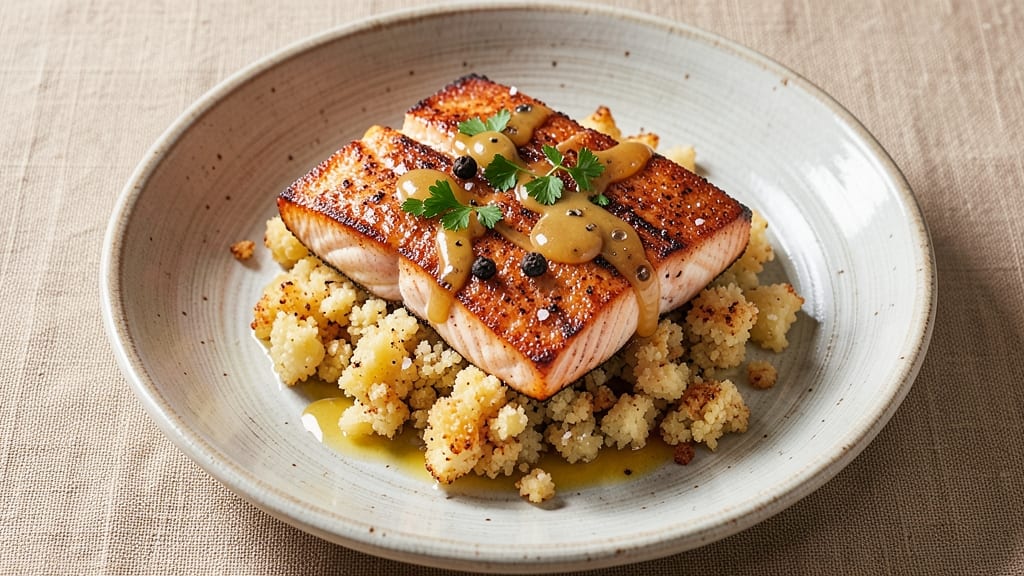
Gordon Ramsay's crispy salmon with crushed potatoes delivers the perfect balance of crispy skin and fluffy pink hearts, paired with vinegar-kissed potatoes that add a bright, tangy crunch. This dish transforms a simple weeknight meal into a restaurant-worthy experience with minimal effort.
The secret lies in the technique—pan-searing the salmon just right and crushing the potatoes to achieve that signature texture contrast.
The salmon achieves its signature crispiness through a precise searing method, where high heat creates a golden crust while keeping the inside tender. Meanwhile, the potatoes are parboiled and then crushed for a light, airy texture that soaks up the flavors beautifully.
Together, they create a harmonious plate where every bite delivers that satisfying crunch and melt-in-your-mouth tenderness.
What makes this recipe stand out is how it elevates humble ingredients into something extraordinary. The vinegar-kissed potatoes add a zesty brightness that cuts through the richness of the salmon, while the crispy skin gives way to fluffy, buttery flesh.
This dish is perfect for impressing guests or treating yourself to a gourmet meal without the fuss.
Serve with a squeeze of lemon and a sprinkle of fresh herbs for an extra pop of color and flavor. Whether paired with a simple salad or as a standalone dish, this recipe is designed to deliver professional-quality results at home. Let’s get cooking!
Ingredients for gordon ramsay crispy salmon with crushed potatoes
Four ingredients transform into restaurant-quality salmon and vinegar-kissed potatoes with perfect crispy skin and fluffy centers.
| Ingredient | Amount | Notes |
|---|---|---|
| Center-Cut Salmon Fillets 🐟 | 2 whole | Skin-on, 6-8 oz each, fresh or thawed |
| Russet Potatoes 🥔 | 2 lbs | Waxy potatoes preferred for crushing |
| Unsalted Butter 🧈 | ½ cup | Cold, cut into 1-inch cubes |
| White Wine Vinegar 🍷 | ¼ cup | For vinegar-kissed potatoes |
| Extra-Virgin Olive Oil 🫒 | ½ cup | High-quality, for searing |
| Kosher Salt 🧂 | 2 tbsp | Plus extra for seasoning |
| Freshly Ground Black Pepper 🌶️ | 1 tsp | Freshly cracked preferred |
| Fresh Lemon 🍋 | 1 whole | For garnish and brightness |
| Fresh Parsley 🌿 | ¼ cup | Chopped, for garnish |
| Garlic Cloves 🧄 | 3 cloves | Minced, for potato seasoning |
| Heavy Cream 🥛 | ¼ cup | Optional, for extra richness |
The salmon fillets are the centerpiece—center-cut ensures even cooking, while skin-on guarantees that signature crispy crust. Whole Foods or local fishmongers carry the freshest fillets, but any reputable grocery store’s seafood counter will do. Look for fillets with vibrant color and no fishy odor. If using frozen, thaw in the fridge overnight for best results. The potatoes? Russets are ideal—they crush beautifully and absorb flavors well. Avoid waxy varieties like Yukon Golds, which hold their shape too much. For extra insurance, soak the potatoes in cold water for 30 minutes before cooking to remove excess starch.
No white wine vinegar? Apple cider vinegar or lemon juice works in a pinch, though the flavor profile shifts slightly. The olive oil matters here—high-quality extra-virgin adds depth, while cheaper varieties can taste bitter when heated. For the garlic, freshly minced elevates the potatoes, but pre-minced from a jar is fine if you’re short on time. The heavy cream is optional but adds a luxurious touch—full-fat works best for that velvety finish. Swap for half-and-half if needed, but the texture will be slightly lighter. If you’re avoiding dairy entirely, omit it or use a splash of milk instead.
Store the salmon in an airtight container with a paper towel on top for up to 2 days in the fridge. The crushed potatoes reheat beautifully—just warm in a skillet with a pat of butter for 2-3 minutes until heated through. For meal prep, cook the salmon and potatoes separately, then assemble just before serving to maintain that perfect crispiness. The vinegar-kissed potatoes keep for 3 days in the fridge, though they’re best enjoyed fresh. Garnish with lemon and parsley right before serving to keep everything vibrant.
Why You'll Love This Recipe
- Same recipe, different vibes: toss it together for a lazy Tuesday or dress it up with fresh herbs for guests. The salmon looks fancy enough to impress, but honestly? It’s just a sheet pan away from being “I made this in my pajamas” simple.
- One-Pan Magic: I swear by this when I’m too tired to scrub three bowls—just toss the potatoes in oil, roast them until they’re golden and shatteringly crisp, then slide the salmon right on top. The butter and vinegar mingle into that pan drippings like a free gravy upgrade.
- Crispy-Creamy Obsession: That first bite of salmon—crunchy skin, flaky inside—paired with the potatoes’ buttery crunch? It’s the kind of dish where I’ll pause mid-bite just to appreciate it. The vinegar cut through the richness like a bright little secret.
- Weeknight to Dinner Party: Same recipe, different vibes: toss it together for a lazy Tuesday or dress it up with fresh herbs for guests. The salmon looks fancy enough to impress, but honestly? It’s just a sheet pan away from being “I made this in my pajamas” simple.
Step-by-step instructions for crispy salmon with crushed potatoes
Master these techniques and you'll achieve restaurant-quality crispy salmon and vinegar-kissed potatoes every time.
Prepare the Vinegar-Kissed Potatoes
Preheat your oven to 425°F. Cut the 2 lbs russet potatoes into 1-inch chunks—no need to peel them, as the skin adds texture. Place them in a large bowl and toss with 0.5 cup extra-virgin olive oil, 2 tbsp kosher salt, 1 tsp freshly ground black pepper, and 3 minced garlic cloves until evenly coated.
Spread the potatoes on a rimmed baking sheet in a single layer, leaving space between each piece. Roast for 25 minutes until they begin to soften slightly but aren't yet browned. Remove from the oven and immediately stir in 0.25 cup white wine vinegar. Return to the oven for another 15 minutes until the potatoes are tender and the edges are just starting to crisp. Here's the thing—this vinegar step is what gives them that signature tangy crunch.
Create the Crispy Salmon Skin
Pat the 2 whole center-cut salmon fillets completely dry with paper towels—this is critical for crispy skin. Place them skin-side down in a cold, dry skillet over medium-low heat. Let them cook undisturbed for 8-10 minutes until the skin is crispy and golden brown and easily releases from the pan. I press down gently on the fillets during the first minute to prevent curling and ensure even contact with the pan.
Once the skin is perfectly crisp, carefully flip the salmon and cook for another 3-4 minutes on the skin side until it reaches an internal temperature of 130°F. Remove from the pan and let rest on a wire rack for 5 minutes. The salmon will continue cooking slightly during this time, reaching the ideal 145°F internal temperature.
Finish the Potatoes and Assemble the Dish
While the salmon rests, return the potatoes to the oven for 5-10 minutes at 425°F until they're fully tender and the edges are deeply crispy. For extra richness, stir in 0.25 cup heavy cream and 0.5 cup unsalted butter (cut into 1-inch cubes) during the final 2 minutes of cooking. This creates a luscious, creamy coating that balances the vinegar's tang.
To serve, arrange the crispy salmon fillets on a platter and spoon the crushed potatoes around them. Garnish with 0.25 cup chopped fresh parsley and a sprinkle of zest from the whole fresh lemon. Squeeze fresh lemon juice over the top just before serving to add brightness and prevent the salmon from overcooking. The contrast of crispy skin, fluffy pink salmon, and vinegar-kissed potatoes makes this dish unforgettable.
Pro Tips For Making Gordon Ramsay Crispy Salmon With Crushed Potatoes
- CRUSH POTATOES COLD: I learned this the hard way—warm potatoes mash into glue when you crush them. Toss peeled, whole Russets in boiling water for 10 minutes, then shock in ice water. They’ll peel easier and stay firm enough to crush properly with a potato masher (or a fork, if you’re in a hurry). The texture makes all the difference for that Ramsay-style crispy bite.
- SALMON SKIN DOWN FIRST: That crispy skin isn’t just for looks—it’s the best part. Pat the salmon bone-side down on a wire rack for 10 minutes before searing. The skin will crisp up like armor, and the flesh stays juicy. If you’re lazy and skip this, you’ll end up with a sad, rubbery edge.
- DON’T RUSH THE BUTTER: The butter isn’t just flavor—it’s the crust. Melt it in the pan until it’s a deep golden brown, then add the salmon. If you toss the fish in too soon, you’ll just coat it in melted butter, not a caramelized blanket. Let it bubble and sizzle like you’re making a beurre noisette.
- VINEGAR AFTER SEARING: Drizzle that white wine vinegar after the salmon comes out of the pan. It brightens the dish, but if you add it too early, the acid will break down the butter and turn your crispy skin into sad, soggy paper. A quick splash at the end cuts through the richness—just like Ramsay would.
Dietary considerations for these flavors
Gluten-Free Adaptations
This recipe is naturally gluten-free, but there are a few key adjustments to ensure the potatoes and salmon stay crispy and flavorful. For the potatoes, use gluten-free kosher salt (like Morton’s Gluten-Free Salt) to avoid cross-contamination.
The vinegar-kissed potatoes already rely on starch-free ingredients, so no changes are needed there. For the salmon, ensure your extra-virgin olive oil is certified gluten-free (brands like California Olive Ranch are safe).
The crispy skin forms from the natural proteins in the salmon, so no modifications are required—just make sure your pan is clean and dry. ✨
Dairy-Free Options
If you're avoiding dairy, skip the heavy cream and butter in the potatoes. Instead, use full-fat coconut milk (like Thai Kitchen brand) for richness, or unsweetened almond milk for a lighter option.
For extra flavor, stir in 1 tbsp nutritional yeast during the final 2 minutes of cooking—it adds a cheesy, umami depth. The salmon remains unchanged since it doesn’t require dairy. The vinegar-kissed potatoes will still have their signature tang, just without the creamy finish. 🥛
Low-Carb Swaps
For a lower-carb version, replace the russet potatoes with cauliflower or turnips. Cut 2 lbs cauliflower into florets and roast them alongside the potatoes (same seasoning and vinegar). They’ll develop a crispy edge and absorb the flavors beautifully.
Alternatively, use radishes—their peppery bite pairs surprisingly well with the salmon. The salmon and vinegar-kissed elements stay the same, so the dish retains its restaurant-worthy texture contrast. 🥬
Allergen-Friendly Tips
If you’re managing shellfish allergies, this recipe is already safe since it only uses salmon. For nut allergies, double-check your extra-virgin olive oil for processing in shared facilities (brands like Primal Kitchen are nut-free).
For soy allergies, avoid adding soy sauce or teriyaki—this recipe doesn’t include it, but some vinegar brands might. Always read labels on white wine vinegar and kosher salt for hidden allergens. The crispy salmon and vinegar-kissed potatoes are inherently allergen-friendly with these precautions. 💡
Keto-Friendly Adjustments
To make this dish keto-friendly, focus on the salmon and swap the potatoes for zucchini or cabbage. Slice 2 medium zucchinis into half-moons, toss with 1 tbsp olive oil, ½ tsp salt, and roast at 425°F for 15 minutes until tender.
Add the vinegar in the last 5 minutes for that tangy crunch. The salmon remains the same, and the dish stays high in protein and healthy fats while cutting carbs. Garnish with fresh dill instead of parsley for a lighter herb note. 🥒
Nutrition facts
Frequently asked questions
Why is patting the salmon dry so important for crispy skin?
Any moisture on the skin prevents it from making proper contact with the pan, which is essential for that signature crisp. Even a damp surface will steam instead of brown. Use paper towels to dry the fillets thoroughly before searing—this step alone makes the difference between floppy and perfectly crisp skin.
Can I use frozen salmon instead of fresh?
Yes, but thaw it properly first! Place frozen salmon in the fridge overnight for even thawing. Never microwave—this cooks the edges and ruins texture. For extra insurance, pat the thawed fillets completely dry before cooking to ensure maximum crispiness.
What's the secret to getting the potatoes extra crispy?
The two-stage roasting method is key: first soften them slightly, then add vinegar to break down starches before the final crisp. For extra crunch, spread them in a single layer on the baking sheet and avoid overcrowding. A hot oven (425°F) and proper spacing create that restaurant-quality texture.
How do I prevent the salmon from sticking to the pan?
Use a cold, dry skillet and let it heat gradually over medium-low heat. Never add oil until the pan is hot—this creates a proper sear. Also, ensure your fillets are completely dry before cooking. If needed, add just 1 tsp olive oil after the pan is hot, but don't overdo it.
Can I make this dish ahead of time?
Cook the potatoes and salmon separately, then assemble just before serving. Store components in airtight containers—potatoes last 3 days in the fridge, while salmon is best eaten within 2 days. Reheat potatoes in a skillet with butter for 2-3 minutes to restore crispiness. The salmon should be served fresh for optimal texture.