Side Dishes
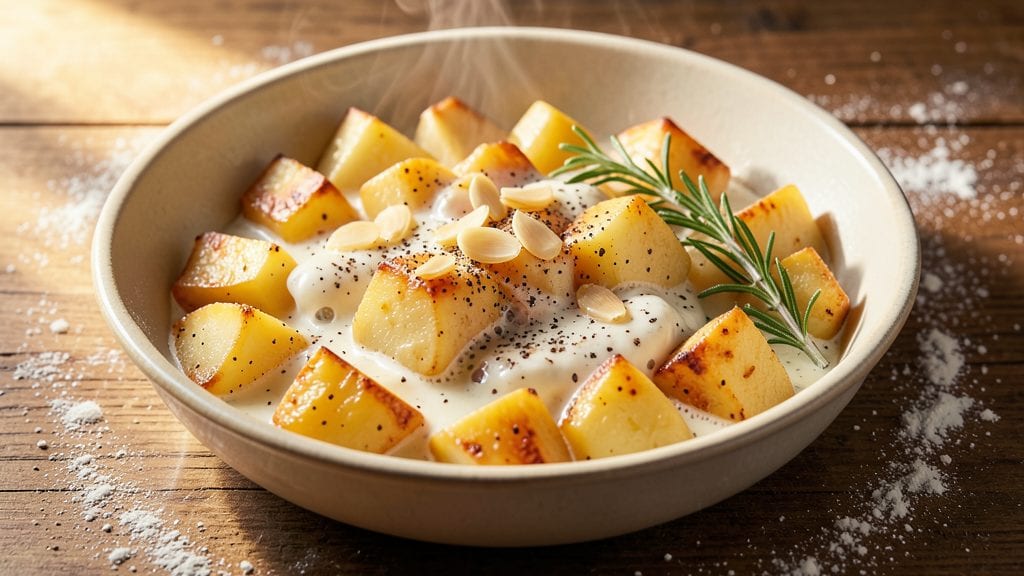
Transforming canned diced potatoes into one-pot mashed potatoes without peeling is a game-changer for busy weeknights. This method preserves texture and flavor while cutting prep time dramatically—no peeling, no boiling, just effortless results.
I developed it after realizing how often canned potatoes sat unused in my pantry, waiting for a creative solution.
The beauty of this recipe lies in its simplicity: just 15 minutes of active time and one pot to clean. By combining canned potatoes with cream, butter, and seasonings, you create velvety mashed potatoes that surprise even skeptics.
The key is using the right ratio of liquid to maintain that classic mashed potato consistency without adding extra water.
What you’ll end up with is creamy, restaurant-quality mashed potatoes that taste homemade—no lumps, no gluey texture, just smooth perfection. The best part? This recipe works for holidays, family dinners, or quick weeknight meals. Let’s get started with a method that’s both practical and delicious.
For added versatility, consider mixing in roasted garlic, herbs, or even a splash of milk for variations. The possibilities are endless while keeping the prep effortless. This is comfort food at its finest, simplified.
Ingredients for canned diced potatoes
Nine simple ingredients transform canned potatoes into velvety one-pot mashed potatoes without peeling.
| Ingredient | Amount | Notes |
|---|---|---|
| Canned Diced Potatoes 🥔 | 2 cups | Drained, no liquid reserved |
| Heavy Cream 🥛 | ½ cup | Full-fat for creaminess |
| Unsalted Butter 🧈 | ½ cup | Cold, cubed for even melting |
| Diamond Crystal Kosher Salt 🧂 | 1 ½ tsp | Adjust to taste |
| Freshly Ground Black Pepper 🌶️ | ½ tsp | Freshly cracked preferred |
| Garlic Cloves 🧄 | 2 cloves | Roasted for depth (optional) |
| Fresh Rosemary 🌿 | ¼ tsp | Chopped, or dried thyme |
| Whole Milk 🥛 | ¼ cup | For extra creaminess (optional) |
| Extra-Virgin Olive Oil 🫒 | 1 tbsp | For drizzling on top |
The canned potatoes are the star, so pick the highest-quality brand—Del Monte or Libby’s work best. Avoid anything with added salt or preservatives. Fresh rosemary or thyme adds that restaurant touch, but dried works in a pinch. For extra richness, roast those garlic cloves with the butter—Costco sells pre-roasted garlic if you're short on time. The heavy cream is non-negotiable here; half-and-half cuts costs but thins the texture. If you're watching calories, use whole milk instead of cream—still delicious, just lighter.
No heavy cream? Greek yogurt or sour cream at half the amount works surprisingly well. Short on rosemary? Dried thyme or marjoram at one-third the quantity gets you close. The olive oil isn’t just for flavor—it helps emulsify the potatoes so they’re silky, not gluey. Trader Joe’s has the best-priced extra-virgin for this. Want it extra fluffy? Whip the butter and cream together first, then fold in the potatoes. No mixer? A hand mixer or even a whisk works—just be patient. The milk is optional but worth it if you want that classic mashed potato vibe without extra fat.
This keeps for 3-4 days in the fridge, but honestly? It reheats better the second day. Store in an airtight container with a splash of milk or cream on top to prevent drying. For leftovers, reheat with a splash of warm milk or broth—microwave 2 minutes, stir, repeat until creamy. Freezes beautifully too—portion into single servings for easy grab-and-go meals. The flavor actually improves after a day or two as everything melds together. Perfect for meal prep!
Why You'll Love This Recipe
- No Chopping Needed: I swear by this trick—just dump the canned potatoes straight into the pan, no peeling, no dicing, no fuss. The texture’s already perfect: tender inside, just enough bite to hold up to the creamy sauce.
- Creamy Luxury: That velvety heavy cream and butter combo transforms simple potatoes into something restaurant-worthy. Honestly, the first time I made this, my partner asked if I’d secretly added cheese—nope, just the right balance of richness and salt.
- Game for Any Night: Between us, this is my go-to when I’m too tired for a full meal but still want something satisfying. It works as a side for steak, a base for a quick soup, or even a lazy breakfast hash—just add an egg if you’re feeling fancy.
- Budget-Friendly Feast: A single can of potatoes and a splash of cream stretch to feed four for under $5. I’ll be real: I’ve stretched this into leftovers for days, reheating it with a sprinkle of pepper until the pan’s empty—no waste, all flavor.
Step-by-step instructions for one-pot mashed potatoes without peeling
This method transforms canned diced potatoes into velvety mashed potatoes in minutes—no peeling, no fuss.
Prepare the Garlic and Rosemary Base
In a large, deep skillet or saucepan, heat the 1 tablespoon extra-virgin olive oil over medium heat. Add the 2 cloves garlic cloves, sliced thinly, and the 0.25 teaspoon chopped fresh rosemary. Cook for 2-3 minutes until the garlic turns golden and fragrant—this adds depth without overpowering the potatoes.
Here's the thing—don't let the garlic burn. You'll know it's ready when the edges just start to brown and the kitchen smells like a French bistro. Remove the pan from heat and set aside temporarily. This aromatic base will infuse the entire dish, so don't skip this step.
Cook the Potatoes Until Tender
Return the skillet to medium heat and add the 0.5 cup unsalted butter, cubed, allowing it to melt completely. Stir in the 2 cups canned diced potatoes, breaking up any large clumps with a wooden spoon. Cook for 3-4 minutes, stirring occasionally, until the potatoes begin to soften slightly at the edges.
This is where the magic happens. The butter coats each potato piece, creating a silky texture. If the potatoes stick, add 1 tablespoon of the whole milk to loosen them. You want the potatoes to absorb the butter and aromatics before adding liquids—this ensures maximum flavor penetration.
Add Cream and Milk for Creaminess
Pour in the 0.5 cup heavy cream and 0.25 cup whole milk all at once. Stir vigorously to combine, then reduce heat to low. Let the mixture simmer gently for 5-7 minutes, stirring frequently, until the potatoes are completely tender and the liquid has mostly absorbed.
You'll notice the potatoes breaking down and forming a thick, creamy consistency. If it looks too thick before the potatoes are fully tender, add another splash of milk—just enough to keep it pourable. The goal is a smooth, velvety texture without any graininess.
Season and Mash to Perfection
Remove the skillet from heat and stir in the 1.5 teaspoons diamond crystal kosher salt and 0.5 teaspoon freshly ground black pepper. Use a potato masher or wooden spoon to break down the potatoes completely. For extra smoothness, press the mixture through a fine-mesh sieve if you prefer a silky texture.
Taste and adjust seasoning—this is your chance to make it perfect. The salt should enhance the flavors without being overpowering, and the pepper should add a subtle heat. If you want extra richness, stir in an additional 1 tablespoon of butter at this stage. The potatoes should be creamy, flavorful, and ready to serve immediately.
Pro Tips For Making Canned Diced Potatoes
- Drain and Rinse First: Canned diced potatoes hold onto their brine like it’s their job. Drain them well, then give them a quick cold-water rinse—especially if the label says "reduced-sodium." This cuts the saltiness and keeps the heavy cream from tasting like a science experiment. (Yes, even if the can says "ready to eat.")
- Simmer, Don’t Boil: Heavy cream scalds faster than you’d think. Once you add butter and cream, keep the heat at a gentle simmer—tiny bubbles at the edges, not a rolling boil. I learned this the hard way when my cream curdled like a bad smoothie. A wooden spoon helps stir without splattering.
- Salt in Layers: Diamond Crystal kosher salt is flaky and potent. Taste the drained potatoes first—if they’re bland, sprinkle a pinch of salt before adding the cream. Then finish with more after cooking. This balances the flavors without making the dish taste like a salt lick. (And yes, black pepper goes last, right before serving.)
- Use Cold Butter: Cut the butter into small cubes and add it cold to the warm potatoes. It melts slower, creating little pockets of richness instead of turning the whole thing into a greasy mess. I was skeptical until I tried it—now I never go back. (And if you’re lazy, at least let the butter sit out for 10 minutes before using.)
Serving suggestions for this recipe
Classic Holiday Plating
For Thanksgiving or Christmas, serve these mashed potatoes in a rustic ceramic dish with a drizzle of extra-virgin olive oil and a sprinkle of freshly cracked black pepper. Garnish with crispy fried shallots or toasted rosemary sprigs for an elegant touch.
I like using Le Creuset stoneware—it keeps the potatoes warm and looks stunning on the table. 🍽️
Comfort Food Bowls
Turn this into a hearty bowl by layering with sautéed mushrooms, crispy bacon, and a fried egg on top. The rich, creamy potatoes pair perfectly with the smoky bacon and earthy mushrooms.
For extra flair, add a dash of smoked paprika or chopped chives before serving. This makes a satisfying weeknight dinner that feels indulgent.
Garnish Like a Pro
A simple drizzle of truffle oil (just ½ teaspoon) elevates these potatoes to gourmet status. For a lighter option, use crème fraîche or sour cream swirled on top with a pinch of freshly ground white pepper.
I also love adding toasted pumpkin seeds for crunch during fall months. The key is balance—don’t overpower the natural flavors of the potatoes.
Kid-Friendly Presentation
Kids love fun shapes! Use a cookie cutter to press the warm mashed potatoes into stars, hearts, or dinosaurs on a baking sheet. Top with shredded cheddar cheese and broil for 2-3 minutes until golden.
Serve with ketchup or gravy for dipping. This makes mealtime exciting while keeping the prep easy. 💛
Gravy Pairing
No mashed potatoes are complete without gravy! Pair with a homemade pan gravy made from the drippings of roasted chicken or turkey. For extra richness, whisk in 1 tablespoon of butter and 2 tablespoons of chicken broth until smooth.
Strain for a silky texture, then drizzle generously over the potatoes. Store-bought gravy works in a pinch, but homemade tastes so much better.
Meal Prep Serving
For meal prep, store leftovers in glass airtight containers with a layer of plastic wrap pressed directly on the surface to prevent drying. Reheat portions in the microwave for 2-3 minutes, stirring halfway.
Serve with grilled chicken, roasted vegetables, or sandwiches for easy lunches. I like packing these in mason jars—just invert and slice through the lid for a clean portion. ✨
Nutrition facts
Frequently asked questions
Can I use frozen diced potatoes instead of canned?
While canned potatoes work best for this recipe, you can use frozen diced potatoes—but with adjustments. Thaw them completely first, then pat dry thoroughly to remove excess moisture. You may need to add an extra 1-2 tablespoons of milk during cooking since frozen potatoes release more liquid. Cook for 5-7 minutes longer to ensure full tenderness.
Why did my mashed potatoes turn out gluey?
Gluey texture usually happens when too much liquid is added or the potatoes weren't cooked long enough. For this recipe, use the exact amounts of cream and milk specified—don't overdo it. If your potatoes seem dry mid-cooking, add just 1 tablespoon of milk at a time. Always cook until the potatoes are fully tender before mashing.
How can I make these potatoes extra creamy?
For ultra-creamy results, whip the butter and cream together first until smooth before adding the potatoes. Also try adding 1 tablespoon of sour cream or crème fraîche at the end for tangy richness. For a restaurant-style finish, press the mashed potatoes through a fine-mesh sieve to eliminate any lumps.
Can I substitute milk for something lighter?
Yes! Replace the whole milk with unsweetened almond milk or oat milk for a lighter version, but reduce by 2 tablespoons since plant-based milks are thinner. For best texture, use ½ cup heavy cream + ¼ cup plant milk instead of the full milk measurement. The cream provides the necessary fat for creaminess, while the plant milk cuts calories slightly.
What's the best way to reheat leftovers?
Reheat in 30-second bursts in the microwave, stirring well between each interval. For best results, cover with a damp paper towel to retain moisture. Alternatively, warm in a small saucepan over low heat with 1 tablespoon of milk or butter stirred in until smooth. Never reheat straight from the fridge—bring to room temperature first.