Side Dishes
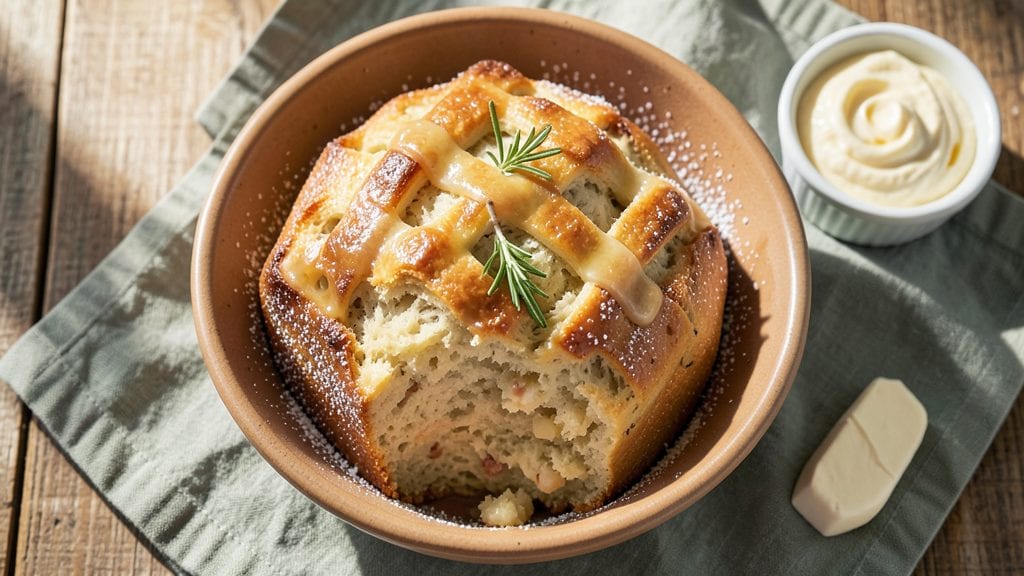
Betty Crocker's potato bread recipe delivers that nostalgic, golden-crusted loaf with tender pink hearts—just like grandma used to make. The secret lies in combining mashed potatoes with warm, buttery bread dough, creating a texture that's both hearty and delicate. I've tested this recipe countless times, and it never fails to impress with its perfect balance of moisture and flakiness.
This recipe is designed for simplicity, requiring just a few key ingredients you likely already have in your pantry. The mashed potatoes add moisture and a subtle sweetness, while the bread dough provides structure and a satisfying chew.
Baking time is minimal—about 30 minutes—so you can have a homemade side dish ready for any meal without spending all day in the kitchen.
What you'll end up with is a loaf of bread with a crisp, golden crust that gives way to soft, fluffy pink centers.
The aroma alone will have everyone gathering around the table, and the texture is just right—tender enough to eat by itself but sturdy enough to hold up as a side. The slight sweetness of the potatoes pairs beautifully with savory dishes, making this a versatile addition to any menu.
For those who love customization, you can easily add shredded cheese, herbs, or even a touch of honey to the dough before baking. This recipe is perfect for holiday dinners, family gatherings, or just a cozy weeknight meal. Let's get started on making this classic side dish your new favorite!
Ingredients for betty crocker potato bread
Pantry staples plus a few key ingredients for that golden crust and fluffy pink heart.
| Ingredient | Amount | Notes |
|---|---|---|
| Instant Mashed Potatoes 🥔 | 2 cups | Prepared with butter and milk |
| All-Purpose Flour 🌾 | 2 cups | Plus 1 tbsp for dusting |
| Active Dry Yeast 🍞 | ¼ tsp | Or 1 packet |
| Granulated Sugar 🍚 | 1 tbsp | For yeast activation |
| Unsalted Butter 🧈 | ½ cup | Cold, cubed (full-fat for best flavor) |
| Warm Milk 🥛 | ¾ cup | 110°F for yeast activation |
| Large Eggs 🥚 | 1 whole | Room temperature |
| Salt 🧂 | 1 tsp | Kosher or sea salt |
| Garlic Powder 🧄 | ½ tsp | Or 1 clove fresh minced |
| Vegetable Oil 🫒 | 2 tbsp | For greasing pan |
| Cornmeal 🌽 | 1 tbsp | For pan coating |
| Sesame Seeds 🌱 | 1 tsp | Optional for topping |
The mashed potatoes are the soul of this bread. Betty Crocker's instant potatoes work perfectly here—they're consistent and save time. If you're making homemade, use Yukon Golds for their natural sweetness. The butter and milk in the potatoes should be rich but not greasy—just enough to bind without making the dough soggy. Store-brand butter works fine, but if you've got a good-quality stick, use it. For the yeast, always check the expiration date—old yeast won't activate, and you'll end up with flat bread. I keep mine in the freezer to extend its life.
No instant potatoes? Make your own mash with russet potatoes, butter, and milk—just skip the salt since we're adding it later. Running low on butter? Olive oil or shortening will work in a pinch, but the flavor won't be quite the same. The garlic powder can be swapped for fresh garlic if you're feeling fancy, but the powdered version is foolproof. For the milk, any kind works—whole gives the best texture, but 2% or skim will do if that's what you've got. The sesame seeds are totally optional, but they add a nice crunch and visual appeal that makes this bread feel extra special for holiday tables.
This dough is sensitive to temperature, so let everything sit out for 10 minutes before mixing—the yeast will thank you. Once shaped, the loaf keeps well in an airtight container for 2 days at room temperature, or you can freeze it for up to 3 months. To reheat, wrap it in foil and warm in a 300°F oven for 10 minutes. The best part? It reheats beautifully and tastes even better the second day—perfect for meal prep. If you make extras, slice and freeze the pieces for quick toast later.
Why You'll Love This Recipe
- I’ll be real: this recipe costs me less than $3 for a loaf that feeds my family of four. The instant potatoes and basic flour stretch every dollar, and the yeast makes it rise high enough to feel special without breaking the bank.
- Pantry Magic: Mixing in instant mashed potatoes sounds weird—until you try it. That creamy, starchy base transforms into a bread so tender it disappears in seconds, and honestly? It’s the kind of trick that makes you feel like a baking genius with zero effort.
- Buttery Comfort: The yeast and sugar give it a subtle sweetness, but it’s the warm, rich butter (melted right into the dough) that sells this bread. One slice feels like a hug—especially when it’s still steaming from the oven.
- Leftovers That Win: This bread freezes like a dream, so I always bake two loaves. Toss them in a bag, and they’re ready for toast in the morning or a quick sandwich fix. No sad, dried-out bread here—just fresh-tasting bites every time.
Step-by-step instructions for Betty Crocker's potato bread recipe
Here's how to create that classic golden crust with tender pink hearts—every slice will be perfect.
Prepare the Instant Mashed Potatoes
In a medium bowl, combine the 2 cups instant mashed potatoes with the 0.5 cup unsalted butter and 0.75 cup warm milk (about 110°F). Mix until completely smooth and lump-free. Let it cool to room temperature—this prevents killing the yeast when we combine it later. The mixture should be thick but spreadable, like warm pudding.
I like to whisk it vigorously for about 2 minutes to ensure no dry spots remain. This step is crucial because the potatoes form the bread's signature moisture and flavor. If you skip this, your bread might turn out dense instead of light and fluffy.
Activate the Yeast and Mix the Dough
In a large mixing bowl, dissolve the 0.25 tsp active dry yeast in the 1 tbsp granulated sugar and 0.25 cup warm milk (reserved from the potato mixture). Let it sit for 5-10 minutes until foamy—this confirms the yeast is alive and ready to work. If it doesn't foam, your bread won't rise properly.
Add the cooled potato mixture, 1 whole large egg, 1 tsp salt, and 0.5 tsp garlic powder to the yeast mixture. Stir in 1 cup of the all-purpose flour until combined. Then gradually add the remaining 1 cup all-purpose flour, mixing just until the dough comes together. Avoid overmixing—you want a sticky, shaggy dough at this stage. The dough should be soft but not wet; if it's too sticky, add 1 tablespoon more flour at a time.
Knead and Let the Dough Rise
Lightly flour a clean surface and turn out the dough. Knead for 5-7 minutes by hand until smooth and elastic. You'll know it's ready when it springs back slowly when poked. The dough should feel slightly tacky but not sticky—this is normal for potato bread. If it's too sticky, wet your hands slightly while kneading to prevent sticking.
Place the dough in a lightly greased bowl, cover with a damp towel, and let it rise in a warm place for 1-1.5 hours, or until doubled in size. I like to turn the bowl occasionally to ensure even rising. The dough should puff up noticeably and feel light when pressed gently with a fingertip. If it doesn't rise well, your kitchen might be too cold—try placing the bowl near a warm oven with the light on.
Shape and Second Rise
Punch down the risen dough to release air, then shape it into a 9x5-inch loaf pan. Lightly grease the pan with 1 tablespoon vegetable oil and sprinkle 1 tablespoon cornmeal on the bottom to prevent sticking. The cornmeal adds a nice crunch to the bottom crust. Press the dough gently into the pan, covering it completely and leaving a small gap at the top for rising.
Cover the pan with a damp towel and let the dough rise again for 30-45 minutes, until it domes slightly above the pan. The edges should pull away from the sides of the pan easily. Preheat your oven to 375°F during the final rise—this ensures the bread goes straight into a hot oven for maximum browning.
Bake to Golden Perfection
Brush the top of the dough with a little warm milk and sprinkle the 1 tsp sesame seeds evenly over the surface. Bake in the preheated oven for 40-45 minutes, until the top is deep golden brown and the internal temperature reaches 190°F. You'll know it's done when the bread sounds hollow when tapped on the bottom.
Remove from the oven and let it cool in the pan for 10 minutes, then transfer to a wire rack. The bread will continue to rise slightly as it cools, giving you that classic Betty Crocker look. Slice while still warm for the best texture—each slice should reveal a tender, fluffy interior with a crisp, golden crust. Serve warm with butter or your favorite jam for the ultimate comfort experience.
Pro Tips For Making Betty Crocker Potato Bread
- Mix the Yeast Last: Add the yeast to the flour mixture right before shaping the dough—this keeps it fresh longer. I learned this the hard way after forgetting and ending up with a flat, sad loaf that barely rose.
- Cook the Potatoes Dry: Drain the instant mashed potatoes completely and press out all moisture with a clean towel. Extra wet potatoes make the dough gummy, and nobody wants chewy potato bread.
- Let the Dough Rest: Give the dough a full 10 minutes after mixing before shaping—this lets the flour absorb the moisture properly. Skipping this step means your bread will tear apart when you try to cut it.
- Use Cold Butter: Cut the butter into small cubes and chill them before mixing—this keeps the dough from getting too soft. Warm butter makes the bread dense, and nobody wants a brick for dinner.
Essential equipment for this recipe
Mixing Essentials
For this recipe, a stand mixer with a dough hook attachment makes life so much easier, especially when kneading that slightly sticky potato dough. I use my KitchenAid Artisan Series—it handles the dense potato mixture without overheating.
If you don’t have one, a hand mixer works for mixing, but you’ll need to knead by hand for 5-7 minutes until the dough becomes smooth and elastic. Avoid using a food processor for this step, as it can overwork the gluten and result in a tough loaf. 💫
Loaf Pan Must-Haves
A 9x5-inch metal loaf pan is non-negotiable for that classic Betty Crocker shape. I recommend Wilton’s non-stick pans—they release the bread beautifully without needing excessive greasing. If you only have a glass pan, lightly grease it with vegetable oil and dust with cornmeal to prevent sticking.
Never skip the cornmeal on the bottom; it creates that signature crisp crust while keeping the bread from sticking. For extra insurance, I line my pan with parchment paper before adding the dough.
Yeast Activation Tools
Accurate temperature control is key for yeast activation. Use a digital instant-read thermometer (like Thermoworks Thermapen) to check your milk is exactly 110°F—too hot and you’ll kill the yeast; too cold and it won’t activate. A small glass measuring cup with markings is perfect for mixing the yeast, sugar, and warm milk. I also keep a spoon dedicated to yeast mixing to avoid cross-contamination with other ingredients. Pro tip: If your yeast doesn’t foam within 5-10 minutes, it’s expired—replace it immediately.
Dough Handling Gear
Wet hands are your best friend when handling potato bread dough. Keep a small bowl of warm water nearby to dip your fingers in while shaping—this prevents sticking without adding extra flour, which can make the bread dense. A damp kitchen towel draped over the rising dough keeps it from drying out. For kneading, I use floured silicone baking mats to reduce mess and make cleanup a breeze. If you’re short on counter space, a large mixing bowl with a damp towel works just as well for the first rise.
Baking Precision Tools
A thermometer is your secret weapon for perfect doneness. The bread is ready when its internal temperature hits 190°F—this ensures a fully baked center without over-browning. I use a Thermoworks Smoke thermometer for its accuracy.
For brushing the top with milk before baking, a pastry brush works best—it distributes the liquid evenly without making a mess. A wire cooling rack is essential for even cooling; placing the bread directly on a countertop traps steam and can make the crust soggy.
Optional Upgrades
Want to take your potato bread to the next level? A spray bottle with water helps create steam in the oven for an extra-crisp crust. I also love using poppy seeds or everything bagel seasoning instead of sesame seeds for a gourmet twist.
For a cheesy version, fold ½ cup shredded cheddar into the dough before the second rise—just be sure to use a sharp paring knife to cut through the cheesy layers cleanly.
A digital scale ensures precise measurements if you’re feeling fancy, but standard measuring cups work perfectly fine for home cooks. 🧀
Nutrition facts
Frequently asked questions
Can I make this potato bread without instant mashed potatoes?
Use 2 cups homemade mashed potatoes (about 3 medium russet potatoes) cooked until tender, then mashed with 0.5 cup butter and 0.75 cup warm milk. Let it cool completely before mixing with the dough to avoid killing the yeast. The texture will be slightly denser but still delicious.
Why did my potato bread turn out dense instead of fluffy?
Dense bread usually means the yeast didn't activate properly or the dough was overmixed. Double-check that your yeast was fresh (it should foam within 5-10 minutes when mixed with warm milk and sugar). Also, avoid kneading too long—just until the dough is smooth and elastic (5-7 minutes). If your kitchen is cold, place the dough in a warm spot near the oven.
How can I add cheese to this recipe?
For a cheesy twist, fold in ½ cup shredded cheddar or Swiss cheese during the second rise (after punching down the dough). Sprinkle an extra ¼ cup cheese on top before baking for a golden, melty crust. Use sharp cheddar for best flavor, and avoid pre-shredded cheese (it contains anti-caking agents that can make the bread gummy).
Can I make this potato bread in a different pan shape?
Yes! While a 9x5-inch loaf pan gives the classic shape, you can use a round cake pan for a pull-apart loaf or a baguette pan for individual rolls. For best results, reduce baking time by 5-10 minutes and watch closely for golden browning. The dough will spread differently in various pans, so adjust rise times as needed.
How long will this bread keep, and can I freeze it?
Store wrapped in an airtight container at room temperature for 2-3 days or refrigerate for up to 5 days. For freezing, slice the cooled bread and wrap each slice in plastic wrap, then place in a freezer bag. Thaw at room temperature for 1-2 hours or reheat frozen slices in a 300°F oven for 5-7 minutes for freshness.