
Side Dishes
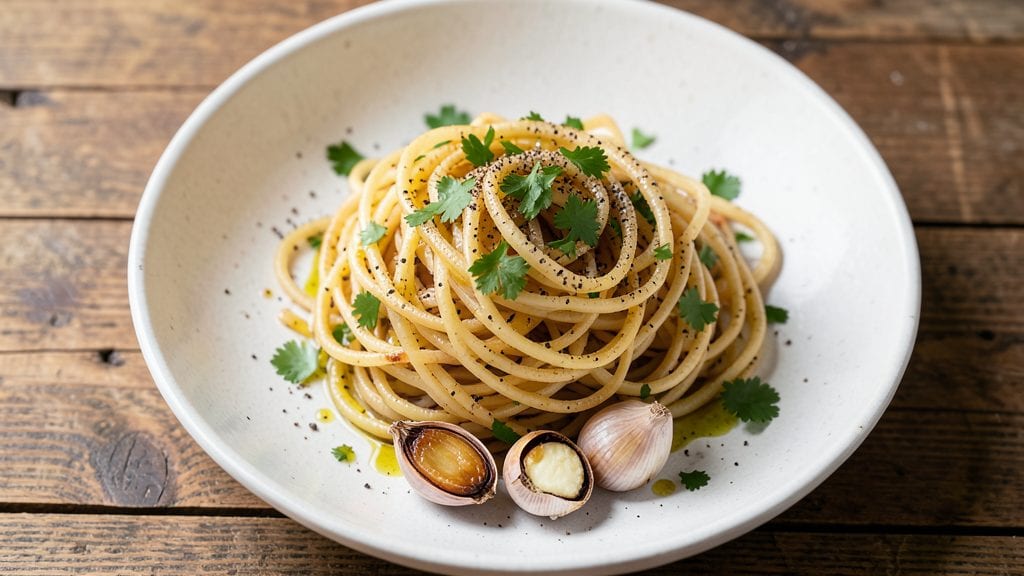
Transforming simple potatoes into elegant spiralized strands unlocks a world of texture and flavor that’s both satisfying and surprisingly simple. This spiralized potatoes recipe delivers the perfect balance of crispy edges and creamy centers, proving that even humble potatoes can become a showstopping side dish.
The technique is straightforward—peel, slice, and cook—but the result feels restaurant-worthy, with each strand holding its shape while developing rich, caramelized edges.
What makes this recipe particularly versatile is how adaptable it is to different cooking methods and dishes. You can sauté the spirals in olive oil for a quick, crispy side, roast them until golden for added depth, or even incorporate them into salads and casseroles for extra texture.
The key lies in cooking them just long enough to achieve that satisfying crunch without losing their tender interior, ensuring every bite is a perfect contrast of textures.
The beauty of spiralized potatoes is their ability to elevate any meal—whether you’re serving them alongside grilled meats, pairing them with creamy sauces, or using them as a base for hearty salads.
The process is foolproof, and the results are consistently impressive, making it a go-to recipe for both weeknight dinners and special occasions. Ready to turn a basic potato into a standout dish?
This method also works beautifully for meal prep, as the spirals hold up well when stored in the fridge for a few days. Whether you're looking to add a modern twist to classic dishes or simply want a side that’s quick, delicious, and adaptable, spiralized potatoes are the answer.
Let’s get started on creating a dish that’s as visually appealing as it is delicious.
Ingredients for spiralize potatoes
Simple ingredients transform into restaurant-worthy potato spirals with perfect crunch and creamy centers.
| Ingredient | Amount | Notes |
|---|---|---|
| Russet Potatoes 🥔 | 2 lb | Medium size, uniform shape |
| Extra-Virgin Olive Oil 🫒 | ¼ cup | High quality, fruity flavor |
| Kosher Salt 🧂 | 1 ½ tsp | Fine grain preferred |
| Freshly Ground Black Pepper 🌶️ | ½ tsp | For added depth |
| Garlic Cloves 🧄 | 2 cloves | Minced for flavor infusion |
| Fresh Parsley 🌿 | ⅛ cup | Chopped, for garnish |
| Lemon Juice 🍋 | 1 tbsp | Freshly squeezed |
| Butter 🧈 | 2 tbsp | Unsalted, for richness |
| Vegetable Oil 🫒 | ¼ cup | High smoke point for roasting |
| Balsamic Vinegar 🍷 | 1 tbsp | For finishing drizzle |
| Parmesan Cheese 🧀 | ¼ cup | Freshly grated, for serving |
The potatoes are the foundation—Russet potatoes work best for their starchy texture and even spiralization. Grab a mandoline slicer or spiralizer attachment for the cleanest cuts, but a sharp knife works in a pinch. Look for potatoes that are firm and free of sprouts, indicating freshness. Costco or Trader Joe's often carry pre-washed Russets, but organic varieties from the produce section add a slightly richer flavor. Avoid waxy potatoes like Yukon Golds—they won’t hold their shape as well during cooking. For meal prep, buy a 3-4 lb bag and store the rest in a cool, dark place for up to 2 weeks.
No spiralizer? A sharp chef’s knife and steady hand will get the job done—just be patient. Short on olive oil? Avocado oil works just as well for high-heat cooking. The butter adds richness, but vegetable shortening can be used for a lighter texture. Fresh parsley is ideal, but dried parsley at one-third the amount works in a bind. For extra flavor, add a pinch of red pepper flakes or a dash of smoked paprika to the oil before cooking. The lemon juice brightens the dish, but white wine vinegar is a great substitute if you prefer a tangier note. Prefer a different cheese? Pecorino Romano or granular Parmesan both work beautifully.
Spiralized potatoes stay fresh for 3-4 days in the fridge when stored in an airtight container with a paper towel to absorb moisture. For longer storage, freeze them raw for up to 3 months—just thaw and cook directly from frozen. Reheat gently in a skillet with a splash of water to restore crispiness. These spirals reheat beautifully, making them perfect for meal prep. Portion into individual containers for grab-and-go lunches or serve alongside grilled meats and roasted vegetables for a complete meal. The dish also freezes well after cooking, though texture may soften slightly.
Why You'll Love This Recipe
- No Spiralizer? No Problem: I’ll be real—this works just as well with a knife (careful, those Russets are stubborn). Thin slices or thick ribbons? Both turn out tender and crispy when roasted with that golden olive oil. The key is even cooking, and honestly? A good knife does the job.
- Garlic-Infused Crunch: That first bite where the edges are crisp and the center melts? Add a whole roasted garlic clove to the pan, and suddenly you’ve got flavor without the fuss. The salt and pepper make it simple, but the garlic? It’s the star—earthy, warm, and lingering just enough to make you reach for more.
- Leftovers That Don’t Suck: Roast a big tray on Sunday, and you’ve got lunch or dinner covered all week. These keep beautifully in the fridge—reheat them straight from the pan, and they’ll taste like they were just pulled from the oven. (Yes, even on a Tuesday night.)
- Budget-Friendly Crispy Magic: Russets are cheap, and this recipe stretches them far. A single bag feeds four, and the olive oil and garlic are pantry staples you already own. It’s the kind of dish that makes you feel fancy without breaking the bank—crispy, satisfying, and zero waste.
Step-by-step instructions for spiralized crunch meets creamy centers
Master the balance of crispy edges and tender interiors with this precise spiralized potato technique.
Prep and Spiralize the Potatoes
Begin by thoroughly washing the 2 lb russet potatoes under cold water to remove any dirt. Using a vegetable peeler, carefully remove the skin, leaving the potatoes whole. This step ensures clean, even spiralization without skin bits.
Cut each potato lengthwise into quarters, keeping the pieces uniform in size. I like to use a mandoline slicer set to ⅛-inch thickness for consistent results, but a sharp chef's knife works too. Feed each quarter through the spiralizer attachment, applying gentle pressure. You should end up with about 4 long, continuous strands per potato quarter. Arrange them on a baking sheet lined with parchment paper, ensuring they don't overlap.
Season and Roast for Crispy Edges
Preheat your oven to 425°F. In a small bowl, combine the 1.5 tsp kosher salt, 0.5 tsp freshly ground black pepper, and the 2 cloves minced garlic cloves. Toss the spiralized potatoes with this seasoning mixture until evenly coated, then drizzle with the 0.25 cup extra-virgin olive oil. Toss again until every strand is glistening and well-coated.
Spread the potatoes in a single layer on the baking sheet, leaving about ½-inch between strands. Roast for 15 minutes, then flip each strand carefully with tongs. Return to the oven and roast another 10-12 minutes until the edges are golden brown and crispy, but the centers remain tender when pierced with a fork. The potatoes should hold their shape but be slightly pliable in the middle.
Create the Creamy Sauce
While the potatoes roast, prepare the creamy sauce. In a small saucepan, melt the 2 tbsp butter over medium heat. Add the 1 tbsp lemon juice and 1 tbsp balsamic vinegar, stirring constantly for 1 minute until fragrant. Remove from heat and stir in the 0.25 cup freshly grated parmesan cheese until smooth and fully melted. The sauce should be thick but pourable.
If the sauce appears too thick, whisk in 1-2 tablespoons of water to reach your desired consistency. Taste and adjust seasoning with additional salt or pepper if needed. Keep the sauce warm until ready to serve.
Assemble and Finish
Remove the potatoes from the oven and transfer them to a large serving platter. Immediately pour the warm sauce over the top, allowing it to coat the crispy strands. Sprinkle with the 0.125 cup chopped fresh parsley for a pop of color and freshness.
Let the potatoes rest for 2-3 minutes before serving to allow the sauce to slightly thicken and cling to the strands. Serve immediately while the potatoes are still crispy and the sauce remains creamy. The contrast of textures—crispy edges meeting tender, saucy centers—is what makes this dish truly special.
Pro Tips For Making Spiralize Potatoes
- PREHEAT YOUR PAN: DESCRIPTION: Russets spiralize into a mushy mess if the pan isn’t screaming hot. I learned this the hard way—cold oil makes them steam instead of crisp. Heat your pan over medium-high for 3-4 minutes until a drop of water sizzles instantly. That’s your cue to start cooking.
- SALT THE POTATOES FIRST: DESCRIPTION: Toss those spirals with salt before hitting the pan. The salt draws out moisture, so they crisp up faster and don’t stick. Skip this, and you’re left with limp, greasy noodles. (Yes, even if you’re impatient like me.)
- DON’T CROWD THE PAN: DESCRIPTION: One layer, no overlaps. I used to pile them high, thinking more would cook faster—wrong. Overcrowding steams them instead of browning. Work in batches if needed, but give each spiral room to sizzle. Your future self will thank you.
- GARLIC AFTER CRISPS: DESCRIPTION: Toss minced garlic in at the very end—just 30 seconds before serving. Raw garlic burns fast and tastes bitter. Let the potatoes get golden first, then add it with a splash of olive oil. The aroma clings to the crispy edges like magic. (Sounds weird, but it works.)
Troubleshooting perfect results
Potatoes Stick Together
If your spiralized potatoes clump or stick during cooking, it’s likely due to excess moisture. After spiralizing, pat the strands dry with a clean kitchen towel or paper towels to remove surface moisture.
This prevents them from steaming instead of browning. I also recommend spacing them out on the baking sheet with at least ½-inch between strands to allow air circulation. 🌡️
Uneven Cooking
Uneven cooking often happens when strands overlap or vary in thickness. To fix this, ensure all potato quarters are cut uniformly before spiralizing—aim for ⅛-inch thickness using a mandoline or sharp knife.
Arrange them in a single layer on the baking sheet, and flip them midway through roasting to promote even browning. If some strands cook faster, remove them early and finish them in a separate pan.
Sauce Too Thin
The creamy sauce may turn out too thin if you add too much water or if the butter melts completely before mixing. To thicken it, whisk in 1 tbsp cornstarch mixed with 1 tbsp cold water> until smooth, then simmer for 1-2 minutes until it reaches your desired consistency.
For extra richness, reduce the sauce over low heat until slightly thickened. 🧈
Spirals Lose Shape
Overcooking is the usual culprit when spirals turn mushy. Remove them from the oven as soon as they’re golden brown and tender at the core—this usually takes 25-27 minutes total.
If they start to soften too quickly, reduce the oven temperature to 400°F for the second roasting phase. For extra crispiness, finish them under the broiler for 1-2 minutes before serving.
Spiralizer Jams
A jammed spiralizer is often caused by uneven pressure or potato pieces that are too thick. Start with smaller, uniform potato quarters and apply steady, even pressure as you feed them through. If your spiralizer has a guard, keep it in place to prevent accidents.
For stubborn jams, stop and gently turn the blade by hand to clear any stuck pieces. A mandoline slicer with a spiral attachment is more forgiving than a hand-crank model. ⚡
Sauce Separates
Sauce separation occurs when the butter and cheese emulsify poorly, often due to overheating or acidic ingredients like lemon juice. To prevent this, remove the sauce from heat as soon as the cheese melts completely. Stir in the lemon juice and balsamic vinegar after the sauce is off the heat.
For extra stability, whisk in 1 tsp Dijon mustard or a pinch of xanthan gum to help bind the ingredients together.
Nutrition facts
Frequently asked questions
Can I use any type of potato for spiralizing?
Russet potatoes are ideal for spiralizing because their starchy texture holds up best to high heat without falling apart. Waxy varieties like Yukon Gold or red potatoes will turn mushy faster. For best results, choose firm, uniform potatoes without sprouts or soft spots.
How do I prevent my spiralized potatoes from turning soggy?
Pat the spirals completely dry with paper towels after cutting to remove excess moisture. Arrange them in a single layer on the baking sheet with ½-inch spacing between strands. Roast at 425°F for 15-25 minutes total—don’t overcook, or they’ll lose their crispy edges. A quick broil for 1-2 minutes at the end adds extra crunch.
Can I spiralize potatoes ahead of time?
Yes! Spiralize and store them in an airtight container with a paper towel to absorb moisture. Keep them refrigerated for up to 3 days or freeze for 3 months. Thaw overnight in the fridge before cooking. For best texture, cook from fresh, but prepped spirals save time for meal prep.
What’s the best way to cook spiralized potatoes besides roasting?
Sautéing in a skillet with olive oil and garlic until golden works beautifully for a quick side. For extra crispiness, try air-frying at 375°F for 10-12 minutes, shaking the basket halfway. Boiling for 2-3 minutes makes them perfect for salads or cold dishes.
How do I make these potatoes kid-friendly?
Cut the spirals into shorter pieces and roast until tender but still slightly firm. Toss with a light drizzle of honey mustard or a sprinkle of grated cheddar before serving. Serve with mild dips like ranch or yogurt sauce, and avoid strong seasonings like garlic or lemon.