
Side Dishes
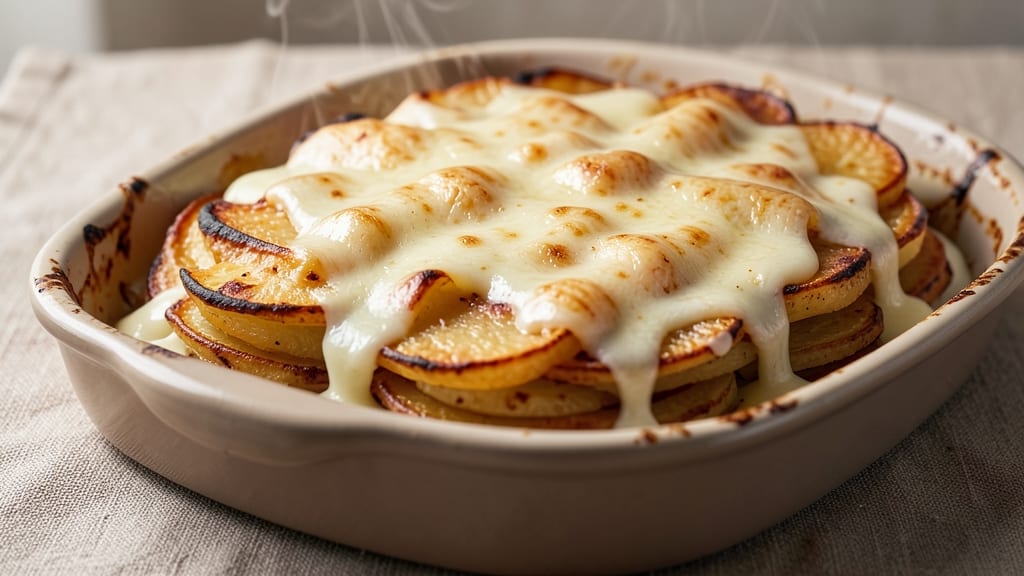
This scaloped potatoes recipe transforms humble spuds into a rich, cheesy masterpiece that rivals any comfort food classic. The secret lies in thinly sliced layers baked until bubbling and golden, creating a tender, creamy texture with a crispy top—exactly what makes this dish a crowd-pleaser every time.
I’ve perfected the balance between creamy cheese sauce and crispy edges, ensuring each bite delivers that satisfying mix of textures and flavors.
The beauty of this recipe is its versatility—whether you prefer a classic cheddar version or want to experiment with Gruyère, Parmesan, or even a touch of smoked gouda for depth. The dish bakes in about 45 minutes at 375°F, making it ideal for weeknight dinners or holiday gatherings.
The layers develop a golden crust while staying creamy inside, thanks to a precise layering technique that prevents sogginess.
What you’ll end up with is a dish that smells like home the moment it comes out of the oven—warm, cheesy, and impossible to resist. The creamy sauce binds the potatoes together, while the crispy top adds a satisfying contrast.
This is the kind of side dish that turns ordinary meals into something special, whether paired with roasted chicken, steak, or even on its own as a hearty main.
For extra flavor, consider adding a sprinkle of fresh herbs like thyme or parsley before baking, or a dash of black pepper for a subtle kick.
The possibilities are endless, but the foundation remains the same: layers of thinly sliced potatoes, a rich cheese sauce, and a golden finish. Let’s get baking!
Ingredients for scaloped potatoes
Six ingredients transform simple potatoes into a creamy, crispy masterpiece perfect for any meal.
| Ingredient | Amount | Notes |
|---|---|---|
| Russet Potatoes 🥔 | 3 lbs | Thinly sliced 1/8-inch thick |
| Sharp Cheddar Cheese 🧀 | 2 cups | Shredded, aged 1 year minimum |
| Gruyère Cheese 🧀 | 1 cup | Shredded, for nutty depth |
| Heavy Cream 🥛 | 1 cup | Full-fat for creaminess |
| Whole Milk 🥛 | ½ cup | Warmed for smooth sauce |
| Unsalted Butter 🧈 | ½ cup | Melted, salt added separately |
| All-Purpose Flour 🌾 | ¼ cup | For thickening sauce |
| Garlic Cloves 🧄 | 4 cloves | Minced, for aromatic base |
| Yellow Onion 🧅 | 1 whole | Thinly sliced, sweet variety |
| Fresh Thyme 🌿 | ¼ cup | Chopped, or 1 tsp dried |
| Black Peppercorns 🌶️ | ½ tsp | Freshly cracked for heat |
| Salt 🧂 | 1 ½ tsp | Kosher or sea salt |
| Breadcrumbs 🍞 | ½ cup | Panko for extra crispiness |
| Parmesan Cheese 🧀 | ¼ cup | Freshly grated for topping |
The potatoes are the foundation—Russets are ideal for their starch content and thin-slicing ability. Look for firm, unblemished tubers at Whole Foods or your local grocery store's produce section. Organic options are worth the extra cost if you're sensitive to pesticide residues, but conventional works fine. Slice them uniformly with a mandoline for perfect even layers. The cheese selection matters too: sharp cheddar provides tang, while Gruyère adds nutty complexity. For the best flavor, buy cheese from the deli counter—pre-shredded contains anti-caking agents that prevent proper melting. Store your potatoes in a cool, dark place until ready to slice, and use within 5 days of purchase for optimal texture.
No Gruyère? Swiss or Emmental work well as substitutes—they melt smoothly and add subtle sweetness. Running out of heavy cream? Half-and-half or whole milk will work, though the sauce may be slightly lighter. For a dairy-free option, swap the cheeses for nutritional yeast and vegan cream cheese, though the texture won't be identical. The breadcrumbs topping can be replaced with crushed potato chips for extra crunch, or crushed crackers for a different texture. If you're short on time, pre-shredded cheese is better than skipping it entirely, though it won't melt as beautifully. For extra flavor, add a pinch of nutmeg or smoked paprika to the cheese mixture.
This dish reheats beautifully—just cover with foil and warm at 350°F for 15 minutes. The leftovers keep well in the fridge for 4-5 days, though the texture may become slightly soggy. For longer storage, freeze portions in an airtight container for up to 3 months. To reheat from frozen, bake at 375°F for 30-40 minutes until bubbly. The best part? This dish tastes even better the next day as the flavors meld together. Portion into individual dishes before baking for easy serving—perfect for meal prep or holiday gatherings. Store cheese in its original packaging or an airtight container to maintain freshness.
Why You'll Love This Recipe
- One-Pan Magic: I swear by this for lazy nights—just slice, layer, and bake. No chopping boards to scrub, no extra pots to wash. That’s the beauty of it: minimal effort, maximum result.
- Cheese Overload: Between the sharp cheddar and nutty Gruyère, every bite is pure comfort. The creamy milk and heavy cream tie it all together like a hug in food form—rich but not heavy, salty but balanced.
- Leftovers? Better Than Fresh: Honestly, the second day is even better. The potatoes soak up the extra cheese, getting richer and creamier. I’ll often make a double batch because reheating these is a total win.
- Budget-Friendly Luxury: Russets are cheap, and a little cheese goes a long way when you layer it right. It’s the kind of dish that makes you feel fancy without breaking the bank—perfect for when you want to impress but don’t want to spend hours.
Step-by-step instructions for scaloped potatoes
Here's how to achieve perfectly layered, golden-brown cheesy potatoes every time.
Prepare the Potato Layers
Preheat your oven to 375°F. Using a mandoline or sharp knife, slice the 3 lbs russet potatoes into 1/8-inch thick rounds. You should have about 12-15 slices total. Soak the potato slices in cold water for 5 minutes to remove excess starch, then drain and pat completely dry with paper towels. This step prevents a watery dish.
In a large skillet, melt 0.5 cup unsalted butter over medium heat. Add the sliced yellow onion and cook for 5 minutes until softened. Stir in the 4 cloves minced garlic and cook for 30 seconds until fragrant. Remove from heat and set aside. The onions and garlic will add depth to every layer.
Assemble the Cheesy Layers
In a large mixing bowl, combine 2 cups shredded sharp cheddar cheese, 1 cup shredded gruyère cheese, 0.25 cup chopped fresh thyme, 0.5 tsp cracked black peppercorns, and 1.5 tsp salt. Mix well to distribute the seasonings evenly. This cheese blend creates the perfect balance of sharp and nutty flavors.
In a separate bowl, whisk together 1 cup heavy cream, 0.5 cup whole milk, and 0.25 cup all-purpose flour until smooth. This mixture will create the creamy sauce that binds everything together. Pour half of this sauce into the bottom of a 9x13-inch baking dish, spreading it evenly.
Arrange a third of the potato slices in a single layer over the sauce. Sprinkle about a third of the cheese mixture evenly over the potatoes. Repeat this layering process twice more, ending with a final layer of potatoes on top. Press down gently to ensure good contact between layers.
Create the Crispy Topping and Bake
In a small bowl, combine 0.5 cup breadcrumbs and 0.25 cup freshly grated parmesan cheese. Sprinkle this mixture evenly over the top layer of potatoes. This topping creates the signature crispy crust while adding extra flavor and texture.
Transfer the baking dish to the preheated oven and bake for 45-50 minutes until the top is deep golden brown and the edges bubble around the sides. The center should be just set but still slightly soft when tested with a knife. If the top browns too quickly, tent loosely with aluminum foil after 30 minutes.
Rest and Serve for Maximum Flavor
Remove the dish from the oven and let it rest for 10 minutes before serving. This resting time allows the layers to set and the flavors to meld together. The potatoes should be tender when pierced with a fork, with a creamy sauce throughout and a crispy, golden-brown top.
Slice into 6 equal portions and serve immediately. The combination of tender potatoes, rich cheese sauce, and crispy topping makes this dish irresistible. For best results, serve with a simple green salad or steamed vegetables to balance the richness.
Pro Tips For Making Scaloped Potatoes
- PRE-COOK THE POTATOES: Slice them first, then boil in salted water for 2-3 minutes—just until they soften slightly. This keeps them from turning to mush while baking and guarantees even cooking. I learned this the hard way after a soggy disaster my first time.
- GRATE THE CHEESE FINE: Use a box grater, not a food processor—you want tiny, even shreds that melt into a creamy blanket, not clumps that stay rubbery. Sharp cheddar and Gruyère should be mixed in equal parts for that perfect tangy-nutty balance.
- BAKE COVERED FIRST: Start with foil on tight for the first 45 minutes at 375°F (200°C). This lets the cream and milk steam into the potatoes before the top turns golden. After that, uncover and broil 2-3 minutes—just enough for a crispy crust.
- SALT THE MILK CREAM: Mix ½ teaspoon of salt into your heavy cream and milk before pouring over the potatoes. It seasons the whole dish evenly instead of just the top layer. (Yes, even if you’re using salted butter—trust me on this.)
Troubleshooting great scaloped potatoes
Potatoes Too Watery
If your scaloped potatoes release excess moisture during baking, the issue likely stems from not drying them properly after soaking. After slicing, pat each layer thoroughly with paper towels—don’t skip this step! For extra insurance, sprinkle ½ tsp cornstarch over each potato layer before assembling.
This absorbs moisture and prevents a soggy texture. Also, ensure your baking dish has a tight-fitting lid or foil cover during the first 20 minutes of baking to trap steam. 💧
Cheese Not Melting
Pre-shredded cheese contains anti-caking agents that prevent proper melting. Always use freshly shredded cheese from a deli counter or block cheese you grate yourself. If your cheese isn’t melting smoothly, try adding 1 tbsp Dijon mustard to the sauce mixture—it helps emulsify the cheese.
Another trick? Sprinkle cheese layers in thin, even distributions rather than clumping it in one spot. For stubborn cheese, cover the dish with foil during the first 30 minutes of baking to create a steamy environment. 🧀
Top Not Browning
A pale, unappealing top usually means the breadcrumb mixture didn’t get crispy enough. First, ensure your breadcrumbs are panko-style (they’re lighter and crispier than regular breadcrumbs). For extra browning, broil the dish for 1-2 minutes at the very end of cooking—watch closely to avoid burning.
Another fix: brush the top with 1 tbsp melted butter before baking. If your oven runs hot, reduce the temperature to 350°F for the final 10 minutes of baking. 🔥
Layers Collapsing
Collapsed layers often happen when potatoes aren’t sliced uniformly or the dish isn’t baked long enough. Use a mandoline for perfectly even slices, and press each layer gently as you assemble to eliminate air gaps.
If your dish still collapses, try baking it at 350°F for the first 20 minutes before increasing to 375°F. This gradual heat helps the layers set without falling apart. For extra stability, add a thin layer of cooked rice or quinoa between potato layers—it acts as a binder. ✨
Sauce Too Thin
A runny sauce usually means the flour wasn’t cooked enough to thicken properly. Next time, cook the flour mixture over low heat for 2-3 minutes before pouring it into the dish.
If your sauce is already too thin, sprinkle 1 tbsp cornstarch mixed with 1 tbsp cold water over the top layer of potatoes before baking. For a richer texture, stir in 1 oz cream cheese into the sauce mixture.
Always taste and adjust seasoning after baking—sometimes a pinch of salt or pepper can make the sauce taste thicker. 💡
Uneven Cooking
If the edges cook faster than the center, your oven might have hot spots. Rotate the baking dish halfway through cooking to ensure even browning. For stubborn hot spots, place a small baking sheet under the dish to elevate it slightly.
If your dish is still uneven, try baking it on the middle rack instead of the top. Another trick: cover the edges with aluminum foil during the first 25 minutes to protect them from over-browning while the center cooks. 🌡️
Nutrition facts
Frequently asked questions
Can I use sweet potatoes instead of russets for this recipe?
While you can substitute sweet potatoes, the texture and flavor will differ significantly. Sweet potatoes are denser and less starchy, so they won’t create the same creamy, tender result. If you must use them, slice them slightly thinner (1/16-inch) and reduce baking time by 10-15 minutes to avoid overcooking. For best results, stick with russets—they’re ideal for this dish’s signature texture.
How can I make this dish ahead of time for a party?
Assemble the dish completely (including the breadcrumb topping) up to 24 hours ahead, then refrigerate uncovered. When ready to bake, preheat the oven to 375°F and bake for 50-60 minutes, covering with foil for the first 30 minutes to prevent over-browning. For a make-ahead shortcut, bake it fully, let it cool, then refrigerate. Reheat covered at 350°F for 20 minutes before serving. The flavors will deepen overnight!
What’s the secret to getting that perfect crispy top?
The crispy top comes from three key elements: using panko breadcrumbs (they’re lighter than regular breadcrumbs), toasting them lightly in a dry pan for 2 minutes before adding, and ensuring your oven is fully preheated. For extra browning, mix 1 tbsp melted butter into the breadcrumb-Parmesan topping. Broil for 1-2 minutes at the very end if needed—but watch closely to avoid burning!
Can I make this dish in a smaller baking dish?
Yes, but adjust the portion sizes accordingly. For a 9x9-inch dish, reduce the recipe by about 30% (use 2 lbs potatoes, 1.5 cups cheese, etc.). The layering principle stays the same—just ensure each layer is no more than 1-inch thick for even cooking. Baking time will be slightly shorter (35-40 minutes), so check frequently after 30 minutes.
Why does my cheese sauce sometimes separate?
Cheese sauce separates when the flour isn’t cooked long enough to create a proper roux. Always cook the flour mixture over medium-low heat for 2-3 minutes until it turns opaque and smells nutty. For extra insurance, whisk in the dairy slowly while stirring constantly. If separation happens, stir in 1 tbsp cold water or a pinch of cornstarch to thicken. Adding 1 oz cream cheese to the sauce also helps stabilize it.