Side Dishes
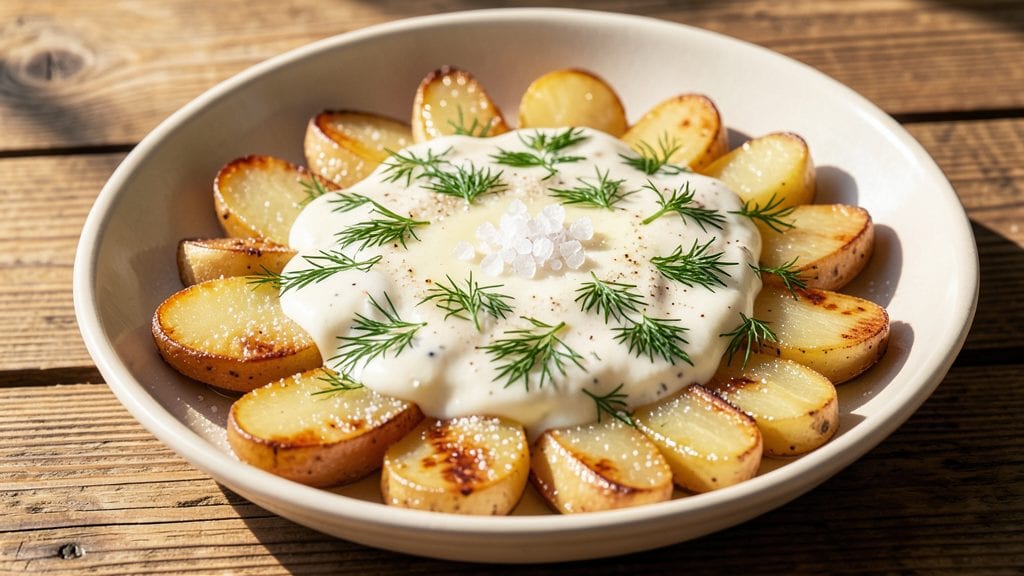
This Russian potato recipe delivers the creamy, herby perfection of pan-roasted potatoes that feels like a taste of home. The secret lies in thinly sliced potatoes layered with tangy sour cream and fresh dill, then baked until golden and tender.
I first discovered this dish while visiting a rural dacha in the Urals, where it was served alongside hearty beef stews and pickled vegetables.
The beauty of this recipe is its simplicity—just a handful of ingredients transform into a dish that’s both comforting and elegant. The sour cream adds richness while keeping the potatoes moist, and the dill brings that bright, fresh flavor that’s quintessential to Russian cuisine.
Unlike traditional draniki (potato pancakes), these pan-roasted potatoes stay soft inside while developing a crispy, caramelized crust.
What you’ll end up with is a dish that’s perfect for family dinners or holiday gatherings, where its creamy texture and aromatic herbs steal the show. The potatoes absorb the flavors beautifully, creating a harmonious blend of tangy, herby, and buttery notes.
This isn’t just a side dish—it’s a centerpiece that pairs effortlessly with meats, fish, or even on its own as a light yet satisfying meal.
Ready in just 45 minutes, this recipe is foolproof and requires minimal effort, making it ideal for busy weeknights or special occasions. The key is patience—letting the potatoes cook slowly ensures they’re tender without falling apart.
Once you try this, you’ll understand why it’s a staple in Russian households. Let’s get started!
Ingredients for russian potato
These simple, quality ingredients create the creamy, herby Russian potato dish you'll crave.
| Ingredient | Amount | Notes |
|---|---|---|
| Russet Potatoes 🥔 | 2 ½ lb | Thinly sliced, 1/8-inch thick |
| Sour Cream 🥛 | 1 cup | Full-fat for best texture |
| Fresh Dill 🌿 | ½ cup | Chopped, stems removed |
| Unsalted Butter 🧈 | 4 tbsp | Melted, high-quality preferred |
| Granulated Sugar 🍯 | 1 tbsp | Light brown sugar optional |
| Salt 🧂 | 1 ½ tsp | Kosher or sea salt |
| Black Pepper 🌶️ | ½ tsp | Freshly ground preferred |
| Garlic Cloves 🧄 | 2 cloves | Minced, for seasoning |
| Red Onion 🧅 | ½ cup | Finely chopped, white part |
| Heavy Cream 🥛 | ¼ cup | Optional for extra richness |
| All-Purpose Flour 🌾 | 1 tbsp | For dusting potatoes |
| Lemon Juice 🍋 | 1 tsp | Freshly squeezed |
The potatoes are the foundation, so choose firm, blemish-free Russets—they hold their shape best. Whole Foods or local farmers markets often carry the freshest tubers, but any grocery store's russet section works. Thinly slicing them (about 1/8-inch thick) is key—use a mandoline for even slices or a sharp knife if you're patient. The dill should be bright green, not wilted, and the sour cream should be full-fat for that authentic richness. If you can't find fresh dill, dried works at one-third the amount, but fresh is ideal for that bright flavor.
No heavy cream? Skip it or use extra sour cream—the dish still shines. The butter matters here—European-style or grass-fed melts more smoothly. For the onion, red or white both work, but red adds subtle color. If you're short on time, pre-chopped frozen onions thawed and drained work in a pinch. The garlic can be roasted for mellow flavor—just toss minced cloves with a drizzle of olive oil and roast at 400°F for 8 minutes. The sugar balances the tanginess of the sour cream, but if you prefer it sharper, reduce to 1 teaspoon.
Store any leftovers in an airtight container for up to 3 days—they reheat beautifully. For best results, reheat covered at 350°F for 10-15 minutes to restore that crispy top layer. These potatoes freeze surprisingly well too—portion into single servings before freezing for up to 3 months. I always make a double batch because it disappears fast at family gatherings. The flavor actually improves the next day as everything melds together.
Why You'll Love This Recipe
- One-Pot Magic: I swear by this recipe because it’s literally one bowl, one knife, and 20 minutes of my life. Boil the potatoes, mash them with butter and sour cream, fold in that bright dill—no extra pans, no stress.
- Creamy-Dill Dream: That tangy sour cream and fresh dill? It’s like a hug in your mouth. The sugar just takes the edge off the richness, so it’s never heavy—just ridiculously good.
- Lunchbox Hero: Between us, this is my go-to for packed lunches. Cool slightly, portion into containers, and it stays fresh for days. Kids (and adults) eat it cold, warm, or straight from the fridge.
- Budget Stretch: Russets are cheap, butter is stretchable, and a little sugar makes it feel special. Honestly, I’ve fed a dinner party of six for under $10 with this—plus, leftovers reheat like a dream.
Step-by-step instructions for sour cream and dill pan-roasted potatoes
Here's how to achieve restaurant-quality texture and flavor with this classic Russian dish.
Prepare and Season the Potatoes
Begin by cutting the 2.5 lb russet potatoes into thin, even slices about 1/8-inch thick. I use a sharp mandoline for precision, but a steady hand with a chef's knife works too. As you slice, arrange the potatoes in a single layer on paper towels to absorb any excess moisture—this prevents soggy potatoes later.
In a large bowl, combine the sliced potatoes with the 1 tbsp granulated sugar, 1.5 tsp salt, and 0.5 tsp black pepper. Toss gently but thoroughly to coat each slice evenly. The sugar will caramelize slightly during cooking, adding depth to the flavor. Let the potatoes sit for 10 minutes while you prepare the remaining ingredients—this resting period helps them absorb the seasoning more effectively.
Create the Sour Cream and Dill Mixture
In a separate bowl, whisk together the 1 cup sour cream, 0.5 cup finely chopped fresh dill, 2 minced garlic cloves, and 1 tsp freshly squeezed lemon juice. This mixture forms the creamy, herby base that makes these potatoes truly special. The lemon juice brightens the flavors while balancing the richness of the sour cream.
Next, melt the 4 tbsp unsalted butter in a large oven-safe skillet over medium heat. Add the 0.5 cup finely chopped red onion and cook for 3-4 minutes until softened but not browned. Remove the skillet from heat and stir in the sour cream mixture, letting it warm through but not boil. The butter and onion will infuse the cream with additional flavor, creating a more complex sauce.
Pan-Roast the Potatoes to Golden Perfection
Working in batches if needed, arrange the seasoned potatoes in a single layer in the skillet with the warm sour cream mixture. Press down gently to ensure the potatoes are submerged in the cream. Place the skillet over medium heat and cook for 5-6 minutes, allowing the potatoes to soften slightly and begin developing color on the edges.
Transfer the skillet to a preheated 400°F oven and roast for 20-25 minutes, until the potatoes are tender when pierced with a fork and the edges are golden brown. I like to rotate the skillet halfway through cooking to ensure even browning. The potatoes should be fork-tender but still hold their shape—overcooking will make them mushy.
Finish with Heavy Cream and Garnish
Remove the skillet from the oven and stir in the 0.25 cup heavy cream. The cream will create a luxurious finish, adding richness and helping to emulsify the sauce. Let the potatoes sit off heat for 2-3 minutes to allow the cream to meld with the sour cream mixture.
Before serving, sprinkle with an additional 2 tbsp chopped fresh dill and adjust seasoning if needed. These potatoes should be creamy yet slightly crisp at the edges, with a perfect balance of tangy, herby, and slightly sweet flavors. Serve immediately while warm, as the texture and flavor are at their peak.
Pro Tips For Making Russian Potato
- Boil Until Fork-Tender: Russets stay dense if you pull them too soon—test for doneness with a fork, not a knife. They should slide off cleanly like a lazy Sunday morning, not fight you like a stubborn guest. Overcooking by 2-3 minutes makes mashing easier and keeps them from turning gluey when mixed with sour cream.
- Salt the Boiling Water: I learned this the hard way—skipping salt makes the potatoes bland no matter how much butter you add later. Use about 1½ teaspoons per pound of water, and add it before the potatoes go in. The salt penetrates better when the water’s already hot, and your dish won’t taste like it’s missing something.
- Chill the Sour Cream: Warm sour cream curdles faster than you can say "dill weave." Take it straight from the fridge, give it a quick stir with the sugar and butter, then fold it into the potatoes last. If it looks too thick, let it sit at room temp for 5 minutes—it’ll loosen up enough to blend smoothly.
- Toast the Dill: Fresh dill loses its punch if you just chop and toss it in. Dry the leaves in a hot pan for 10 seconds—just until they release their aroma—then mix them in. It’s a tiny effort that makes the flavor pop, like the difference between a whisper and a shout. (Yes, even if you’re impatient like me.)
Troubleshooting this recipe
Potatoes Too Soggy?
If your potatoes turn out soggy, it’s almost always from excess moisture. I’ve found that not drying the slices thoroughly before cooking is the #1 culprit—always pat them dry with paper towels.
Another trick? Salting the potatoes 10 minutes before cooking helps draw out moisture. Also, avoid overcrowding the pan—cook in batches if needed to maintain even heat distribution. 🥔
Uneven Cooking?
Uneven browning or cooking happens when the oven isn’t hot enough or the skillet isn’t properly preheated. Always preheat your oven to 400°F and let the skillet warm on the stovetop for 2-3 minutes before adding the potatoes.
If you notice one side browning faster, rotate the skillet halfway through the oven time. A heavy-bottomed skillet (like a Lodge cast iron) helps distribute heat more evenly.
Sauce Separating?
The creamy sauce can split if it boils or if the butter isn’t fully incorporated. To prevent this, remove the skillet from heat before adding the sour cream mixture and let it warm gently.
If the sauce does separate, whisk in 1 tbsp cold water to help re-emulsify it. For extra insurance, stir in the heavy cream off the heat—this keeps the sauce smooth and cohesive. 🧈
Potatoes Falling Apart?
Overcooking is the usual suspect here. Potatoes should be fork-tender but still hold their shape—if they’re mushy, they’ve been in the oven too long. To fix this, reduce oven time by 5 minutes next time and check for doneness at 15 minutes.
Also, thinner slices (1/8-inch) cook faster than thicker ones, so adjust accordingly. If you’re in a hurry, parboil the slices for 2 minutes before pan-roasting to speed up tenderness.
Dill Losing Flavor?
Fresh dill can wilt if cooked too long or at high heat. To preserve its bright flavor, add the dill to the potatoes only in the last 5 minutes of cooking. If using dried dill, reduce to 1/3 the amount of fresh and add it earlier.
For extra freshness, garnish with additional dill right before serving—this keeps the aroma vibrant. I like to chop the dill just before cooking to maximize its potency. 🌿
Skillet Sticking?
Sticking usually means the skillet wasn’t hot enough or the potatoes weren’t properly coated in butter. Heat the skillet on medium-high until a drop of water sizzles immediately. Before adding the potatoes, coat the bottom lightly with butter and let it melt completely.
If sticking still happens, dust the potatoes with 1 tbsp flour before cooking—this creates a light barrier. A well-seasoned cast iron skillet is ideal, but any oven-safe skillet with a smooth surface works. 🔥
Nutrition facts
Frequently asked questions
Can I use sweet potatoes instead of russets?
Sweet potatoes work but won't give the same texture. They're denser and less starchy, so they'll absorb more moisture and may turn mushy. If you must use them, slice 1/4-inch thick and reduce the sour cream to 1/2 cup to prevent sogginess. The flavor will be sweeter and less neutral, but still delicious with extra dill and lemon to balance.
What's the best way to make this dish ahead of time?
These potatoes reheat beautifully! Assemble everything except the final heavy cream, then refrigerate for up to 24 hours. When ready to serve, bake at 375°F for 15-20 minutes until heated through, then stir in the cream and finish with fresh dill. For freezing, portion into airtight containers and freeze for up to 3 months. Thaw overnight in the fridge before reheating.
Can I make this recipe without sour cream?
Yes, but the texture will be different. Replace the sour cream with 1/2 cup Greek yogurt (for tang) plus 2 tbsp melted butter for richness. Or use 1/2 cup crème fraîche if available. The dish will still be flavorful but less creamy. Add an extra 1 tsp lemon juice to compensate for the reduced acidity.
What's the difference between this and Russian potato pancakes (draniki)?
This recipe is a baked, creamy potato dish while draniki are crispy fried pancakes. Draniki use grated potatoes mixed with egg and flour, then pan-fried until golden. This version keeps the potatoes intact, layers them with sour cream, and bakes them for a tender yet crispy edge. For a hybrid, try pan-frying these slices after baking for extra crunch.
How do I adjust this for a vegetarian meal?
This recipe is already vegetarian! For a more substantial meal, serve with:
- Mushroom borscht (beet soup)
- Stuffed bell peppers with rice and herbs
- Vegan sour cream (made from cashews or coconut) The potatoes pair perfectly with hearty veggie-based mains. For extra protein, add white beans to the dish.