
Sauces & Condiments
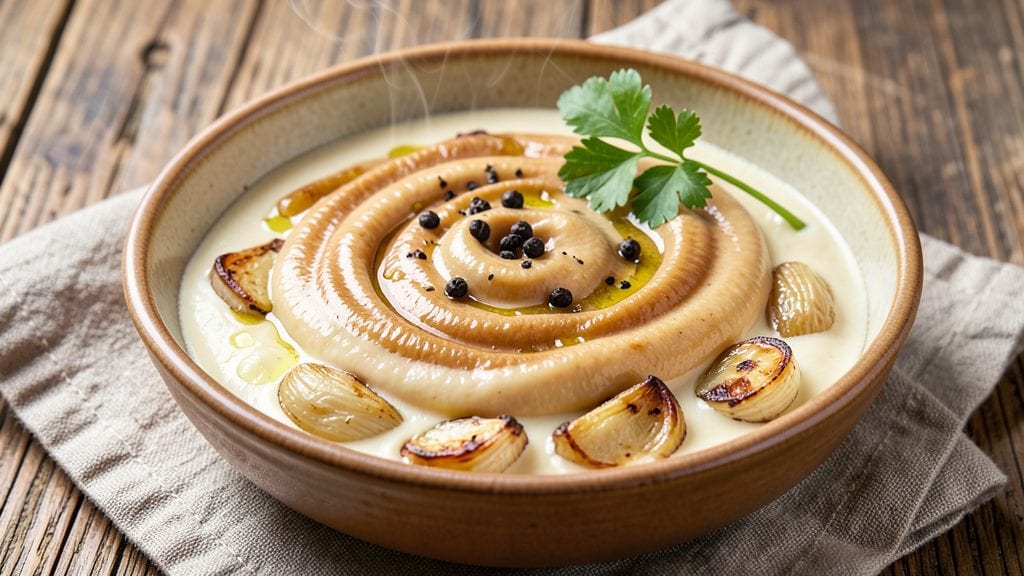
This velvety potato sauce recipe transforms simple ingredients into a rich, creamy condiment that elevates everything from mashed potatoes to roasted meats. After years of perfecting this technique—starting with my grandmother’s Sunday roast chicken—I’ve developed a method that ensures smooth texture without lumps or graininess.
The secret lies in proper cooking and blending, which turns starchy potatoes into a luxurious sauce that tastes restaurant-quality.
The recipe combines boiled potatoes with butter, milk, and a touch of cream for that signature creamy consistency, while garlic and herbs add depth.
Unlike store-bought versions, this sauce develops a velvety mouthfeel and a subtle richness that pairs perfectly with roasted chicken, steak, or even as a dipping sauce for bread. It’s foolproof once you master the blending technique, and the ingredients are simple—no fancy substitutions needed.
What makes this sauce stand out is its versatility. Use it as a topping for mashed potatoes, a drizzle over roasted vegetables, or even as a base for creamy soups. The flavor deepens slightly after chilling, making it ideal for meal prep.
With just 15 minutes of active time and a few pantry staples, you’ll have a sauce that turns ordinary meals into something special.
For extra richness, stir in a splash of sour cream or a sprinkle of fresh chives before serving. Store leftovers in the fridge for up to 5 days or freeze for longer shelf life.
This is the kind of sauce that makes weeknight cooking feel like a gourmet experience—no shortcuts, just proven technique.
Ingredients for potato sauce
Simple ingredients, luxurious results—this sauce turns boiled potatoes into velvety perfection.
| Ingredient | Amount | Notes |
|---|---|---|
| Yukon Gold Potatoes 🥔 | 2 lbs | Peeled, boiled until tender |
| Unsalted Butter 🧈 | ½ cup | Cold, cut into cubes |
| Heavy Cream 🥛 | ½ cup | Full-fat for optimal richness |
| Whole Milk 🥛 | ½ cup | Cold, for smooth texture |
| Garlic Cloves 🧄 | 4 cloves | Peeled, minced for depth |
| Fresh Parsley 🌿 | ¼ cup | Chopped, for brightness |
| Fresh Thyme 🌿 | 1 tbsp | Leaves only, finely chopped |
| Diamond Crystal Kosher Salt 🧂 | ½ tsp | Adjust to taste |
| Freshly Ground Black Pepper 🌶️ | ¼ tsp | For subtle seasoning |
| Extra-Virgin Olive Oil 🫒 | 1 tbsp | For finishing drizzle |
The potatoes are the foundation, so Yukon Golds are ideal—their buttery texture and creamy finish set this sauce apart. Most grocery stores carry them, but specialty markets like Whole Foods often have them pre-washed for convenience. Boil them until fork-tender, not mushy; they should collapse easily but retain some structure. For maximum flavor, use organic potatoes if possible—their higher sugar content caramelizes slightly during cooking, adding depth. If Yukon Golds aren't available, Russets work in a pinch, but their starchiness may require slightly more blending for that signature smoothness.
No heavy cream? Half-and-half or whole milk will work, though the sauce will be slightly lighter. Fresh herbs are non-negotiable here—their bright, vibrant notes cut through the richness. If you're short on parsley, chives or chervil can substitute, but parsley's peppery bite is irreplaceable. For a deeper garlic flavor without overpowering, garlic powder at half the amount is an option, though fresh is always preferred. The olive oil finish shouldn't be skipped; it adds a fruity brightness that elevates the dish. Store-bought butter often contains anti-caking agents that can interfere with the sauce's velvety texture, so unsalted butter from a specialty shop is worth the investment for this recipe.
This sauce improves with time, so chill for 1-2 hours before serving to let flavors meld. It keeps beautifully in the fridge for 5 days, sealed under a layer of plastic wrap pressed directly onto the surface to prevent a skin from forming. For longer storage, freeze in ice cube trays—perfect portions for future meals. When reheating, do so over low heat with a splash of milk to restore that creamy consistency. The sauce pairs exceptionally well with roasted meats, where its richness complements rather than competes with the main protein.
Why You'll Love This Recipe
- One-Pot Magic: This recipe lives in a single pot—no chopping boards, no extra dishes. I just boil, mash, and stir, then blend until it’s silky. The Yukon Golds break down perfectly, and the butter and cream meld together without a fight.
- Garlic-Cream Dream: That first bite of warm, buttery potatoes with roasted garlic and a whisper of cream? It’s the kind of flavor that makes you pause mid-fork. Honestly, the heavy cream and milk turn this from side dish to star—rich but not heavy, with just enough bite.
- Weeknight Workhorse: Dinner guests? Leftovers? Both. I make a big batch for Sunday roasts, then reheat it all week for mashed potatoes, gravy, or even a creamy pasta sauce. The texture stays luscious even reheated, and it’s always a hit.
- Budget Luxury: You’d pay $20 for this at a restaurant, but here? A few potatoes, a stick of butter, and some garlic. I’ll be real: it’s the kind of dish that makes basic meals feel special without breaking the bank. Plus, the leftovers stretch for days.
Instructions for velvety creamy potato sauce
Here's the precise method to achieve an ultra-smooth, restaurant-quality potato sauce with perfect herb and garlic integration.
Cook the Potatoes to Perfect Tenderness
Place the 2 lbs Yukon Gold potatoes in a large pot and cover with cold water by about 2 inches. Add 1 tablespoon of the extra-virgin olive oil to prevent surface browning. Bring to a boil over high heat, then immediately reduce to a gentle simmer. Cook for 15-18 minutes until a knife slides in easily with no resistance.
Drain the potatoes thoroughly in a colander, then return them to the pot. Using a potato masher or ricer, work the potatoes until completely smooth with no lumps remaining. This step is critical for achieving that velvety texture promised in the title - any lumps will disrupt the creaminess. The potatoes should be completely dry after mashing to prevent a watery sauce.
Build the Flavor Base with Butter and Garlic
In the same pot, melt the 0.5 cup unsalted butter over medium heat until it foams and subsides. Add the 4 cloves minced garlic and cook for exactly 30 seconds until fragrant but not browned. Immediately add the mashed potatoes and stir vigorously to distribute the butter evenly.
Here's where the magic happens: The butter creates an emulsifying base that will bind with the dairy later. If you see the butter separating, whisk vigorously to reincorporate it. This is the foundation for that creamy texture we're aiming for - don't rush this step or the sauce will break later.
Incorporate Dairy for Creamy Consistency
Reduce heat to low and gradually whisk in the 0.5 cup heavy cream and 0.5 cup whole milk, one tablespoon at a time. After each addition, let the mixture simmer gently for 30 seconds before adding more. This gradual incorporation prevents curdling and ensures a smooth, velvety texture.
The sauce should begin to thicken noticeably as it simmers. If it becomes too thick before all dairy is incorporated, add 1-2 tablespoons of the reserved potato cooking water to loosen it. The ideal consistency should coat the back of a spoon without being gluey - this balance is what makes this sauce truly exceptional.
Finish with Herbs and Seasoning
Stir in the 0.25 cup chopped fresh parsley, 1 tablespoon finely chopped fresh thyme leaves, 0.5 teaspoon diamond crystal kosher salt, and 0.25 teaspoon freshly ground black pepper. Simmer gently for 2-3 minutes to allow the flavors to meld completely. The herbs should be fully incorporated but still visible as delicate flecks throughout.
Taste and adjust seasoning - you may need an additional pinch of salt as the cream can dilute the initial seasoning. The sauce should be rich, slightly garlicky, and have a bright herbal finish. For that final touch, drizzle in the remaining 1 tablespoon extra-virgin olive oil and stir gently to emulsify.
Rest and Serve for Optimal Texture
Remove from heat and let the sauce rest for 5 minutes. This crucial resting period allows the starches to fully hydrate and the flavors to develop completely. The sauce will thicken slightly as it sits - if it becomes too thick, whisk in 1-2 tablespoons of warm milk to reach your desired consistency.
Serve immediately over roasted chicken, mashed potatoes, or alongside grilled meats. The sauce should coat the back of a spoon with a luxurious, velvety texture that clings perfectly to any protein. Each bite should deliver that promised creamy texture with balanced herb and garlic notes - the perfect complement to any main dish.
Pro Tips For Making Potato Sauce
- Boil Until Fork-Tender: Yukon Golds need 15-20 minutes in boiling water—test with a fork. I learned this the hard way after mushing a batch that still had bite; undercooked potatoes turn to glue when blended. Don’t rush, even if you’re eager to move on.
- Sauté Garlic Low: Cook minced garlic in butter over low heat until golden—high heat burns it fast, and bitter garlic ruins the sauce. I used to torch it, then wondered why the sauce tasted off. Three minutes max, stir often.
- Strain the Potatoes: After boiling, drain and press potatoes through a colander with a wooden spoon. This removes excess starch, which can make your sauce grainy. Yes, it’s extra work, but the texture is smoother—trust me, it’s worth the 30 seconds.
- Warm Cream Gradually: Heat heavy cream and milk together over medium-low until steaming, not boiling. I skipped this once and ended up with curdled cream in my sauce—now I add it slowly while whisking. Keep it under 180°F (82°C) or it’ll split.
Best sauces and condiments for this recipe
Creamy Herb Sauce
This classic version is the foundation of the recipe, but I've elevated it with a touch of sour cream for extra richness. Stir in 2 tablespoons of full-fat sour cream during the final 2-3 minutes of simmering to create a velvety texture that's even more luxurious.
The tanginess balances the sweetness of the potatoes beautifully. For a lighter option, replace half the heavy cream with Greek yogurt—it adds protein and a subtle tang without overpowering the dish. 🥛
Garlic-Infused Oil Twist
For a bold, aromatic variation, infuse the olive oil with garlic before using it in the recipe. Heat 2 tablespoons of extra-virgin olive oil with 6 minced garlic cloves over low heat for 5 minutes until golden.
Strain out the garlic and use this infused oil in place of the regular olive oil in the recipe. The flavor is deeper and more complex, perfect for pairing with hearty meats like roasted beef or lamb.
I like to drizzle this infused oil over the finished sauce for an extra layer of flavor. 🧄
Cheesy Potato Sauce
Add a sharp cheddar or Gruyère twist by stirring in ½ cup of freshly grated cheese during the final 2 minutes of simmering. The cheese melts into the sauce, creating a creamy, slightly tangy finish that pairs wonderfully with steak or roasted vegetables.
For a vegetarian option, use nutritional yeast instead—it adds a cheesy umami flavor without dairy. I recommend Cabot Clothbound Cheddar for its rich, melty texture. 🧀
Spicy Kick
For those who love heat, add ½ teaspoon of smoked paprika and ¼ teaspoon of cayenne pepper during the final seasoning step. For a smoother heat, blend in 1 teaspoon of harissa paste instead—it adds a smoky, spicy depth without overpowering.
I also like to garnish with chopped scallions and a sprinkle of fresh red pepper flakes for a pop of color and extra heat. 🌶️
Lighter Version
Cut the calories without sacrificing flavor by using low-fat milk and Greek yogurt instead of heavy cream. Replace the 0.5 cup of heavy cream with ½ cup Greek yogurt and ¼ cup low-fat milk for a lighter, protein-rich sauce.
The texture remains creamy, and the yogurt adds a subtle tang that balances the potatoes' sweetness. This version is perfect for those watching their calorie intake but still craving that rich, velvety sauce. 💪
Storage and Reheating
Store leftovers in an airtight container in the refrigerator for up to 5 days. The sauce thickens as it cools, so whisk in 1-2 tablespoons of warm milk when reheating. For freezing, portion into ice cube trays or small containers—this makes it easy to thaw just what you need.
When reheating, use low heat and stir frequently to prevent curdling. I like to reheat portions in the microwave for 30-45 seconds, then finish with a splash of warm milk to restore creaminess. ❄️
Nutrition facts
Frequently asked questions
Can I make this potato sauce without heavy cream?
Yes! Replace the heavy cream with ½ cup Greek yogurt and ¼ cup whole milk for a lighter version that still delivers creamy texture. The yogurt adds protein and a subtle tang that balances the potatoes beautifully. For extra richness, stir in 1 tablespoon sour cream at the end.
Why did my potato sauce turn out grainy?
Graininess usually happens when potatoes aren't mashed smooth enough before adding dairy. Use a potato ricer or food mill to achieve ultra-fine texture. Also, don't overcook the potatoes—they should be fork-tender but still hold shape. If the sauce thickens too quickly, whisk in 1-2 tablespoons of warm milk to restore smoothness.
How can I make this sauce ahead of time?
This sauce actually tastes better the next day! Store in an airtight container in the fridge for up to 5 days. Before reheating, whisk in 1-2 tablespoons of warm milk to restore creaminess. For freezing, portion into ice cube trays—perfect for future meals. Thaw overnight in the fridge before reheating gently on low heat.
What's the best way to use leftover potato sauce?
Drizzle over roasted meats, mashed potatoes, or grilled vegetables for instant flavor. Try it as a dip for breadsticks or a creamy base for loaded baked potatoes. For a quick twist, mix with sautéed mushrooms and serve over pasta. The sauce also makes an excellent topping for breakfast hash or as a creamy element in potato soup.
Can I make this sauce with instant potatoes?
Not recommended for this recipe—they lack the natural starches needed for that velvety texture. Fresh or frozen potatoes work best, but if you're in a pinch, use russet potatoes (peeled and boiled) and blend with 1 tablespoon cornstarch before adding dairy. The texture won't be as luxurious, but it'll still be delicious.