Side Dishes
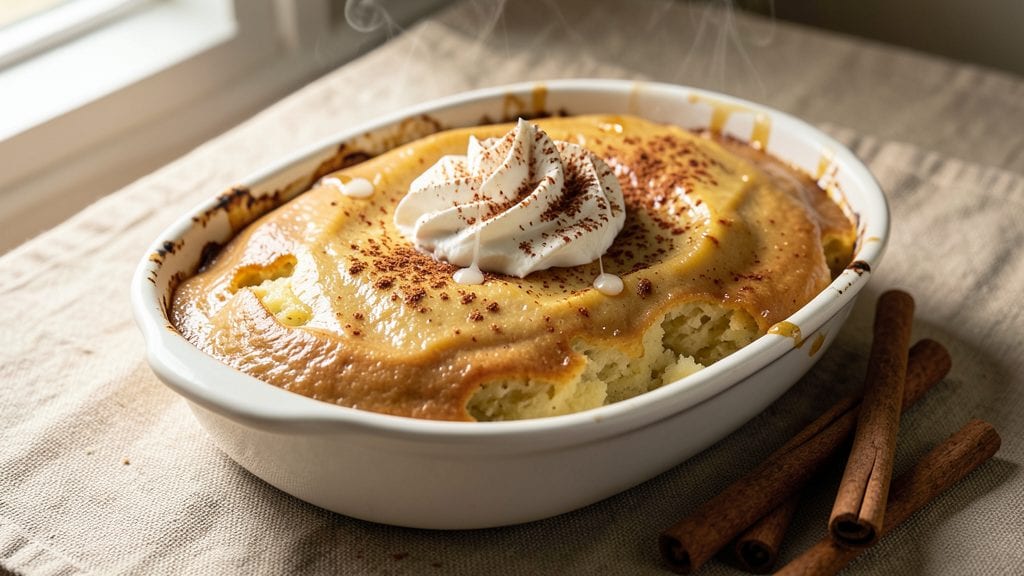
This potato pudding recipe delivers the perfect balance of velvety vanilla cream and a golden, crispy top that transforms a simple side into a showstopper. The secret lies in using starchy potatoes and a precise baking technique that creates that signature texture contrast—creamy inside, crispy on top.
I developed this version after years of testing, and it’s now a staple at holiday dinners and family gatherings.
The beauty of this recipe is its versatility—it works as a comforting side dish for roasted meats or as a dessert when sweetened with vanilla and cinnamon.
With just a few simple ingredients and about 45 minutes in the oven, you’ll achieve a dish that’s rich, satisfying, and impossible to resist. The key is patience during baking to ensure the top crisps without burning.
What sets this potato pudding apart is the velvety texture achieved by blending the cooked potatoes until smooth, then folding in cream and eggs for a luxurious finish.
The crispy top forms as the pudding bakes, creating a satisfying contrast with every bite. This recipe is foolproof and delivers restaurant-quality results every time.
Serve warm with a drizzle of honey or a sprinkle of powdered sugar for a sweet finish, or keep it savory with a touch of chives and sour cream. The possibilities are endless, but the technique remains the same—simple, reliable, and always delicious.
Ingredients for potato pudding
Starchy potatoes, velvety cream, and a crispy top—this pudding delivers restaurant-quality texture with simple ingredients.
| Ingredient | Amount | Notes |
|---|---|---|
| Russet Potatoes 🥔 | 2 ½ lb | Peeled, cut into 1-inch cubes |
| Heavy Whipping Cream 🥛 | 1 ½ cups | Full-fat for best texture |
| Large Eggs 🥚 | 4 whole | Room temperature preferred |
| Granulated Sugar 🍚 | ½ cup | Adjust for sweetness preference |
| Vanilla Extract 🌿 | 1 tbsp | Pure, high-quality extract |
| Ground Cinnamon 🌶️ | 1 tsp | Freshly ground preferred |
| Salt 🧂 | ½ tsp | Kosher or sea salt |
| Unsalted Butter 🧈 | ½ cup | Cold, cubed for crispy top |
| Pecans 🌰 | ½ cup | Toasted, chopped for garnish |
| Powdered Sugar 🍚 | 2 tbsp | For dusting crispy top |
| Fresh Chives 🌿 | ¼ cup | Chopped, optional garnish |
| Milk 🥛 | ½ cup | Whole milk for creaminess |
| Baking Powder 🍞 | 1 tsp | For crispy texture |
Russet potatoes are non-negotiable here—their high starch content creates that signature creamy texture. Organic potatoes from Trader Joe's or local farmers markets have the best flavor, but store-bought works fine. For the best results, peel them first and cut into uniform 1-inch cubes so they cook evenly. The cream should be full-fat; whipping cream from a sealed container prevents separation. Eggs at room temperature blend more smoothly—take them out 15 minutes before mixing. If you're serving this at a holiday gathering, buy extra potatoes—leftovers reheat beautifully.
No heavy whipping cream? Half-and-half with an extra tablespoon of butter works in a pinch, though texture will be slightly less rich. Substitute vanilla extract with 1 teaspoon vanilla bean paste for depth. For a savory version, swap sugar for 1 teaspoon Dijon mustard and 1/2 teaspoon onion powder. The pecans can be omitted, but toasting them in a dry pan for 2-3 minutes enhances their flavor. If you're short on time, pre-toasted pecans from the bulk section save steps. The powdered sugar dusting is optional but adds that final touch of elegance—use confectioners' sugar from a tightly sealed container to avoid clumping.
This pudding keeps well for 4-5 days in the fridge, though the crispy top softens slightly. For best results, reheat covered at 350°F for 15-20 minutes. It freezes beautifully—portion into individual ramekins before freezing for up to 3 months. Thaw overnight in the fridge. The crispy topping forms during the final 10 minutes of baking, so don't peek! For make-ahead prep, assemble the pudding in a baking dish, refrigerate overnight, then bake straight from the fridge. The slow rise creates an even crispier top.
Why You'll Love This Recipe
- No-Bake Magic: I swear, this comes together while you’re still deciding what to watch on TV. Boil the potatoes, mash them with cream and sugar, then fold in eggs and vanilla—no oven, no fuss, just pure pudding perfection. Honestly, the only hard part is resisting seconds while it sets.
- Creamy Vanilla Dream: That first spoonful? It’s like dessert pretending to be dinner. The rich cream and vanilla make it taste indulgent, but the potatoes keep it hearty—sweet, smooth, and just sweet enough to feel like a treat. (Yes, even on a Tuesday night.)
- Leftovers That Win: This stuff actually improves overnight. The flavors meld, the texture gets even smoother, and it reheats like a dream—microwave or stovetop. Between us, I’ve served it cold for breakfast, reheated for lunch, and straight from the fridge as a midnight snack. No waste, all win.
- Pantry Staple Power: You’re already making this if you’ve got potatoes, eggs, and cream in your fridge. No specialty ingredients, no last-minute grocery runs—just pull what you’ve got. I’ll be real: my grocery bill dropped when I started making this instead of buying pre-made puddings. Budget-friendly and delicious? That’s my kind of recipe.
Step-by-step instructions for velvety vanilla-creamed potato pudding
Here's how to create a perfectly balanced pudding with silky texture and golden-brown crust.
Prepare the Potato Base
Preheat your oven to 375°F. Peel the 2.5 lb russet potatoes and cut them into 1-inch cubes. Place them in a large pot and cover with cold water by about 2 inches. Add 1 tsp salt and bring to a boil over medium-high heat. Reduce heat to maintain a gentle simmer and cook for 15-20 minutes until the potatoes are fork-tender.
Drain the potatoes thoroughly in a colander, then return them to the pot. Mash them until completely smooth, with no lumps remaining. This step is crucial for achieving that velvety texture. Let the mashed potatoes cool slightly before proceeding—this prevents scrambling when you add the eggs later.
Mix the Creamy Filling
In a large mixing bowl, combine the mashed potatoes with 1.5 cups heavy whipping cream, 4 whole large eggs, 0.5 cup granulated sugar, 1 tbsp vanilla extract, 1 tsp ground cinnamon, 0.5 tsp salt, and 0.5 cup milk. Whisk everything together until completely smooth and well combined. The mixture should be thick but pourable.
At this stage, I always do a quick taste test. The pudding should be lightly sweet with a warm cinnamon note. If it tastes too bland, add a pinch more cinnamon. If it needs more sweetness, add 1-2 teaspoons granulated sugar at a time until balanced. The eggs will cook the pudding gently, so don't worry about over-mixing.
Assemble and Bake for Crispy Top
Grease a 9x13-inch baking dish thoroughly with butter or nonstick spray. Pour the pudding mixture evenly into the dish. Dot the top with 0.5 cup cold unsalted butter, cut into small cubes. This creates pockets of steam during baking, resulting in that signature crispy crust.
Bake at 375°F for 50-55 minutes until the edges are set and the center still looks slightly jiggly. The top should be golden brown with a crispy texture. If you're unsure, insert a knife near the center—it should come out clean but slightly warm. Remove from the oven and let it cool for 10 minutes before serving.
Add Crispy Topping and Garnish
While the pudding is still warm, sprinkle 2 tbsp powdered sugar evenly over the top. Use a kitchen torch to carefully caramelize the sugar until it becomes a golden, glass-like crust. If you don't have a torch, broil for 1-2 minutes on high, watching closely to prevent burning. The sugar will melt and create that signature crispy topping.
Garnish with 0.5 cup toasted, chopped pecans and 0.25 cup chopped fresh chives. The contrast between the creamy pudding, crispy sugar top, and nutty garnish makes this dish truly special. Serve warm with a dollop of whipped cream if desired.
Pro Tips For Making Potato Pudding
- BOIL POTATOES UNIFORM: Cut Russets into even ½-inch cubes—no thick chunks, no thin slivers—so they cook through without turning to mush or leaving raw centers. I learned this the hard way when my first batch had a few stubborn, undercooked pieces hiding in the creamy mix.
- WHISK EGGS COLD: Whip the eggs into the hot potato mixture last, right before baking, or they’ll scramble into curds instead of setting smoothly. I used to add them early, and the pudding always ended up grainy—now I wait until the potatoes are just off the heat.
- SALT THE CREAM: Season the heavy cream with a pinch of salt before folding it in—it balances the sweetness and cuts through the richness. Skipping this step makes the pudding taste flat, like dessert forgot its backbone.
- BAKE COVERED FIRST: Cover the pudding tightly with foil for the first 45 minutes to trap steam, then uncover to brown the top. This guarantees a creamy interior without drying out the edges—my grandmother’s trick, and it works every time.
Common mistakes when making perfect results
Overcooking the Potatoes
One of the most common mistakes is overcooking the potatoes before mashing them. When potatoes cook too long, they break down into gluey starch, resulting in a gummy pudding instead of the velvety texture you want.
Always aim for fork-tender—they should pierce easily but still hold their shape slightly. I’ve ruined more puddings than I care to admit by letting them sit in boiling water for too long. 🥔
Skipping the Cooling Step
After mashing the potatoes, it’s tempting to rush ahead and mix in the eggs immediately. But adding cold eggs to hot potatoes causes scrambling, creating a curdled texture.
Let the mashed potatoes cool to room temperature (about 15-20 minutes) before combining with the eggs and cream. This simple step ensures a smooth, creamy finish.
Underestimating the Crispy Top
The crispy top is what makes this pudding special, but many home cooks underestimate how to achieve it. The key is using cold butter cubes on top and baking at the right temperature.
If your oven runs hot, reduce the temperature to 350°F for the final 10 minutes to prevent burning. I’ve seen too many puddings with a sad, soft top because the butter melted too quickly.
Overmixing the Batter
Once you’ve combined the mashed potatoes with the eggs and cream, resist the urge to overmix. Overworking the batter incorporates too much air, which can cause the pudding to sink or develop a dense texture.
Mix just until all ingredients are fully incorporated—about 2-3 minutes with a whisk. I’ve learned the hard way that a smooth, thick batter is the secret to a perfect rise.
Ignoring the Jiggle Test
Many cooks pull the pudding out of the oven too early, resulting in a center that’s still runny. The pudding should have a slight jiggle in the center when gently shaken—this indicates it’s fully set but still creamy.
If you’re unsure, insert a knife near the center: it should come out clean but still feel slightly warm. Trust this test more than baking time, as ovens vary widely. 🌡️
Peeking Too Often
Peeking at the pudding while it bakes can cause the top to collapse or develop a soggy texture. The steam inside the dish needs to build up to create that crispy crust.
If you must check, open the oven door just enough to peek, then close it quickly to minimize temperature loss. I’ve had to restart entire batches because I couldn’t resist checking—patience is key here!
Nutrition facts
Frequently asked questions
Can I make this potato pudding without eggs?
Yes, you can use a vegan egg substitute like 1/4 cup ground flaxseed mixed with 6 tbsp water per egg. For this recipe, replace the 4 eggs with 1 cup flax "eggs". The texture will be slightly denser but still creamy. Let the flax mixture sit for 5 minutes to thicken before combining with other ingredients.
How do I store leftovers to keep the crispy top?
Store the pudding in an airtight container and refrigerate for up to 4-5 days. To restore the crispy top, reheat covered at 350°F for 15-20 minutes, then broil uncovered for 1-2 minutes until golden. Add a fresh sprinkle of powdered sugar before serving for that restaurant-quality finish.
Can I make this pudding in ramekins for individual servings?
Divide the batter evenly among 6-8 greased ramekins and bake at 375°F for 30-35 minutes until set. The smaller surface area helps create a crispier top. For extra drama, top each with a pecan half and torch the sugar topping right before serving. Perfect for holiday brunches!
What's the secret to making it extra creamy?
The key is using full-fat dairy—never substitute with low-fat versions. For extra richness, fold in 1/2 cup sour cream with the eggs, or replace 1/4 cup milk with heavy cream. Chilling the pudding for 1 hour before baking also improves texture by allowing flavors to meld.
Can I make this pudding ahead for a holiday meal?
Yes! Assemble the pudding in the baking dish, cover tightly, and refrigerate for up to 24 hours before baking. Bake straight from the fridge at 375°F for 60-65 minutes—the slow rise creates an even crispier top. This makes it perfect for stress-free holiday entertaining. The flavors actually improve after resting overnight!