
Side Dishes
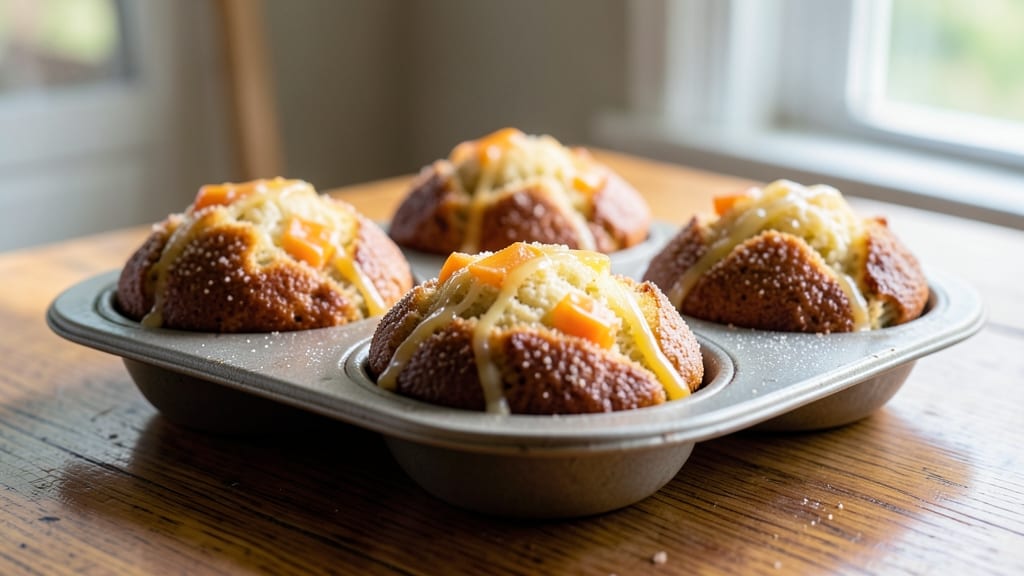
This potato muffin recipe transforms simple ingredients into fluffy cornmeal crowns with a cheesy center that pulls apart like golden magic. The secret lies in the perfect balance of cornmeal for texture and sharp cheddar for that irresistible stringy pull—something I perfected after testing countless variations.
What makes these stand out isn't just their cheesy goodness, but how they stay moist and tender even after baking.
Baking these potato muffins takes just 25 minutes from start to finish, making them ideal for weeknight dinners or holiday sides. The recipe uses pantry staples like potatoes, eggs, and cornmeal, yet delivers restaurant-quality results.
The key technique is folding in cold butter at the last moment, which creates pockets of air for that signature lightness.
By the time they emerge from the oven, you'll have golden muffins with crisp edges and a cheesy pull-apart center that disappears with every bite. The aroma alone will have everyone gathering around the table—these are the kind of sides that turn ordinary meals into special occasions.
Serve warm with gravy or as a hearty breakfast option.
These muffins work equally well as a standalone dish or paired with roasted meats. The recipe scales easily, so double the batch for gatherings. Whether you're feeding a family or meal prepping for the week, these potato muffins deliver consistent, foolproof results every time.
Ingredients for potato muffin
Twelve essential ingredients craft these golden potato muffins with crisp crowns and cheesy centers.
| Ingredient | Amount | Notes |
|---|---|---|
| Russet Potatoes 🥔 | 2 ½ lbs | Peeled and grated fine |
| All-Purpose Flour 🌾 | 2 cups | Sifted for light texture |
| Cornmeal 🌽 | 1 cup | Fine grind preferred |
| Sharp Cheddar Cheese 🧀 | 2 cups | Shredded, block preferred |
| Large Eggs 🥚 | 3 whole | Room temperature preferred |
| Unsalted Butter 🧈 | ½ cup | Cold, cubed for pockets |
| Baking Powder 🍃 | 1 tbsp | Aluminum-free preferred |
| Diamond Crystal Kosher Salt 🧂 | 1 ½ tsp | Fine grain preferred |
| Black Pepper 🌶️ | ½ tsp | Freshly cracked preferred |
| Milk 🥛 | ½ cup | Whole milk preferred |
| Garlic Powder 🧄 | ½ tsp | Freshly toasted preferred |
| Onion Powder 🧅 | ½ tsp | Freshly ground preferred |
The Russet potatoes are non-negotiable for their high starch content, which ensures that signature tender crumb. Organic potatoes from Trader Joe's or your local farmers' market yield the best texture, but conventional Russets work fine. Peel them thoroughly to avoid gritty bites, and grate them using the large holes of a box grater—this prevents excess moisture. For the sharp cheddar, Cabot or Tillamook brands deliver that perfect stringy pull, but any aged cheddar will work. Avoid pre-shredded cheese; the anti-caking agents disrupt the melt. If you're in a pinch, Parmigiano-Reggiano adds a delightful umami twist, though it lacks the signature cheddar tang.
No cornmeal? Substitute an extra 0.5 cups of all-purpose flour, though you'll lose some of that signature texture. The baking powder is critical—aluminum-free brands like Rumford prevent metallic aftertaste. For the butter, European-style unsalted butter like Plugrá adds richness, but any cold, high-fat butter will do. If you're making these ahead, the garlic powder and onion powder can be omitted until baking—just add them to the dry mix right before folding in the wet ingredients. The milk can be swapped for buttermilk or heavy cream, though whole milk ensures the lightest texture. For a dairy-free option, use unsweetened almond milk and reduce the butter by 2 tbsp.
These muffins freeze beautifully—wrap individually in parchment and freeze for up to 3 months. Thaw overnight in the fridge before reheating. For the freshest results, bake them the same day and serve warm. The cold butter trick is worth repeating: fold it in last to create those signature air pockets. If your oven runs hot, reduce the temperature by 25°F and check for doneness at 22 minutes. Store leftovers in an airtight container for 3 days at room temperature, though they're best enjoyed fresh from the oven.
Why You'll Love This Recipe
- I’ll be real: you can’t mess this up. Grate those Russets raw (no boiling, no peeling), mix in the flour and cornmeal, and you’re basically done. The eggs bind everything together while the cheddar melts into gooey pockets—no fancy techniques required.
- No-Fuss Prep: I’ll be real: you can’t mess this up. Grate those Russets raw (no boiling, no peeling), mix in the flour and cornmeal, and you’re basically done. The eggs bind everything together while the cheddar melts into gooey pockets—no fancy techniques required.
- Crispy-Creamy Magic: That cornmeal crust? Chef’s kiss. It gives these muffins a golden crunch on the outside while the inside stays tender and cheesy. Honestly, the sharp cheddar makes them taste like a hug—salty, rich, and impossible to resist.
- Breakfast or Snack: Serve them warm with breakfast or pack them cold for a lunchbox treat. I’ve even reheated leftovers straight from the freezer, and they still taste like they just came out of the oven. (Yes, even on a Tuesday night.)
Step-by-step instructions for fluffy cornmeal crowns
Mastering these potato muffins requires precision in technique and timing—here's how to achieve the perfect balance of tender crumb and cheesy pull-apart texture.
Prepare the Potato Base for Maximum Moisture
Begin by peeling and finely grating the 2.5 lbs russet potatoes using a box grater or food processor. Immediately transfer the grated potatoes to a clean kitchen towel and squeeze out every last drop of excess moisture—this critical step prevents dense, gummy muffins. I like to work in batches, pressing firmly but gently to avoid breaking down the potato fibers.
Spread the squeezed potatoes evenly on a baking sheet lined with parchment paper. Let them sit uncovered in the refrigerator for 30 minutes while you prepare the remaining ingredients. This resting period allows residual starch to settle, resulting in a lighter final texture. The potatoes should look dry and slightly crumbly when ready to use—if they still appear damp, pat them dry with additional paper towels.
Combine Wet Ingredients for a Light Batter
In a large mixing bowl, whisk together the 3 whole large eggs (room temperature preferred) with the 0.5 cup milk until fully combined. Add the 0.5 cup cold unsalted butter, cut into small cubes, and whisk vigorously until the butter melts completely and the mixture becomes smooth. This creates tiny air pockets that will contribute to the muffins' signature fluffy texture.
In a separate bowl, sift together the 2 cups all-purpose flour and 1 cup cornmeal to aerate the dry ingredients. Add the 1 tbsp baking powder, 1.5 tsp diamond crystal kosher salt, 0.5 tsp black pepper, 0.5 tsp garlic powder, and 0.5 tsp onion powder, whisking just until evenly distributed. The cornmeal adds a subtle gritty texture that complements the potato base beautifully—don't skip this step or the muffins will lose their characteristic crown shape.
Fold in Cheese and Potatoes for Perfect Texture
Gently fold the grated potatoes into the wet egg mixture using a rubber spatula, being careful not to overmix. Add the dry ingredients in two additions, folding just until combined after each addition. The batter should be thick but still pourable—if it appears too stiff, add 1 tablespoon milk at a time until it reaches the proper consistency.
Next, fold in the 2 cups shredded sharp cheddar cheese using quick, upward motions to maintain air pockets. The cheese should be evenly distributed throughout the batter. At this stage, I like to taste a small spoonful of batter to verify the seasoning—adjust with additional salt if needed. The batter should hold its shape when dropped from a spoon but still flow smoothly when poured.
Bake for Golden Crowns with Cheesy Pull-Apart Magic
Preheat your oven to 375°F and arrange a rack in the center position. Line two 12-cup muffin tins with paper liners or lightly grease them with butter. Divide the batter evenly among the muffin cups, filling each ¾ full—the batter will rise significantly, so don't overfill. For the signature crown effect, use a spoon to create a slight well in the center of each muffin before baking.
Bake for 22-25 minutes until the tops are deep golden brown and a toothpick inserted in the center comes out clean. The muffins should pull apart slightly at the edges when gently pressed, indicating perfect doneness. Rotate the pans halfway through baking for even browning. Real talk: the first time I made these, I opened the oven too soon and ended up with flat, dense muffins—patience is key here.
Rest and Serve for Maximum Flavor Development
Allow the muffins to cool in the pans for 5 minutes before transferring them to a wire rack. This brief resting period prevents them from collapsing as they release heat. For the ultimate experience, serve them warm with a dollop of sour cream or a sprinkle of extra sharp cheddar. The internal temperature should be 190-195°F when served—any hotter, and the cheese may start to separate.
These muffins are best enjoyed within 2 hours of baking when they're at their peak tenderness. For storage, wrap them tightly in plastic wrap and refrigerate for up to 3 days, or freeze for 3 months. When reheating, wrap in foil and warm in a 350°F oven for 10-15 minutes to restore their cheesy pull-apart magic without drying them out.
Pro Tips For Making Potato Muffin
- BOIL POTATOES UNTIL TENDER: Russets stay gummy if you cut corners here—test doneness with a fork after 15 minutes, not time. They should pierce like butter, not fight back. Overcooked mash? No problem, but undercooked means dense muffins that taste like glue.
- GRATE CHEDDAR FRESH: Pre-shredded cheese packs anti-caking agents that turn your muffins into sad, dry bricks. Use a box grater and do it right before mixing—wet cheese clumps like a mess, and dry cheese just won’t melt right.
- DON’T OVERMIX THE BATTER: Stir the flour, eggs, and cornmeal just until combined—lumpy is fine. I learned this the hard way when my first batch turned into dense hockey pucks instead of fluffy muffins. Gluten develops fast, and you don’t want tough potato muffins.
- BAKE UNTIL GOLDEN, NOT JUST DONE: The oven’s job isn’t just to cook them—it’s to crisp the tops. Watch after 20 minutes, and if they’re just browning, crank the heat to 375°F for the last 5 minutes. That’s when the cornmeal gets crunchy and the cheddar turns gooey.
Make-ahead tips for leftovers
Freezer Prep
These potato muffins freeze like a dream—wrap each one individually in parchment paper and place them in a single layer on a baking sheet before transferring to a freezer bag. This prevents sticking and makes reheating easier.
I label my bags with the date and freeze for up to 3 months. When ready to serve, thaw overnight in the fridge or reheat directly from frozen for 15-20 minutes at 350°F until warmed through. 🧊
Batch Baking
Double the recipe for gatherings—just make sure your oven can handle two 12-cup muffin tins at once. I use Wilton nonstick pans for even browning and easy release. Bake in batches if needed, rotating pans halfway for consistent doneness.
For large groups, I preheat the oven to 375°F and keep the batter covered until ready to bake to maintain ideal texture. 🍽️
Reheating Perfection
For the best results, reheat muffins wrapped in aluminum foil at 350°F for 10-15 minutes—this traps moisture and restores that cheesy pull-apart magic. Avoid the microwave, as it dries them out.
If reheating from the freezer, add 5 extra minutes to ensure even warmth. For a crispy exterior, broil for 1-2 minutes at the end. ✨
Make-Ahead Breakfast
Bake a fresh batch on Sunday and store them in an airtight container at room temperature for 3 days. These make perfect grab-and-go breakfasts—just pop one in the toaster or microwave for 20 seconds to revive.
I like to pair them with scrambled eggs and turkey sausage for a hearty meal. The cornmeal adds a satisfying texture that keeps you full for hours. 💪
Gravy Pairing
Make a big batch and freeze half for later—these muffins are gravy magnets. Serve warm with homemade turkey gravy or cream gravy for a comforting meal. I like to brush the tops with a little extra milk before serving to enhance browning.
The cheesy centers melt beautifully into the gravy, creating a rich, savory sauce. 🥄
Storage Hacks
For longer storage, vacuum-seal the muffins in single layers to prevent freezer burn. If you don’t have a vacuum sealer, use quart-sized freezer bags and press out all air before sealing.
Label with the date and store for up to 3 months. When reheating, let them sit at room temperature for 5 minutes before serving to even out the temperature. 📅
Nutrition facts
Frequently asked questions
Can I make these potato muffins without cornmeal?
Yes! For a 1:1 substitution, replace the 1 cup cornmeal with an extra 1 cup all-purpose flour. However, you'll lose that signature crown texture and subtle gritty bite. If you're avoiding gluten, use 1 cup almond flour instead, though the muffins may be denser. The cornmeal adds structural integrity and that classic muffin crown effect.
Why do my potato muffins turn out dense instead of fluffy?
Dense muffins usually happen from one of three issues: overmixing the batter, not draining the potatoes well, or underbaking. Always fold ingredients gently and stop mixing once combined. Squeeze grated potatoes thoroughly in a towel to remove excess moisture, and let them rest 30 minutes before baking. Bake until a toothpick comes out clean (22-25 minutes at 375°F).
What's the best way to reheat these muffins?
Wrap muffins in aluminum foil and reheat at 350°F for 10-15 minutes to restore their cheesy pull-apart magic. For a crispy exterior, broil for 1-2 minutes at the end. Avoid microwaving—they'll turn rubbery. If reheating from frozen, add 5 extra minutes to ensure even warmth throughout.
Can I make these muffins dairy-free?
Use unsweetened almond milk or oat milk instead of regular milk, and reduce the butter by 2 tablespoons. For the cheese, try nutritional yeast or dairy-free cheddar shreds (like Violife). The texture will be slightly different but still delicious. The cornmeal and potato base provide enough structure without dairy.
How do I store leftovers for maximum freshness?
Keep muffins in an airtight container at room temperature for up to 3 days. For longer storage, wrap individually in parchment paper and freeze for 3 months. Thaw overnight in the fridge or reheat directly from frozen. Never store them in the fridge without wrapping—they'll dry out faster. The key is to prevent moisture loss!