Side Dishes
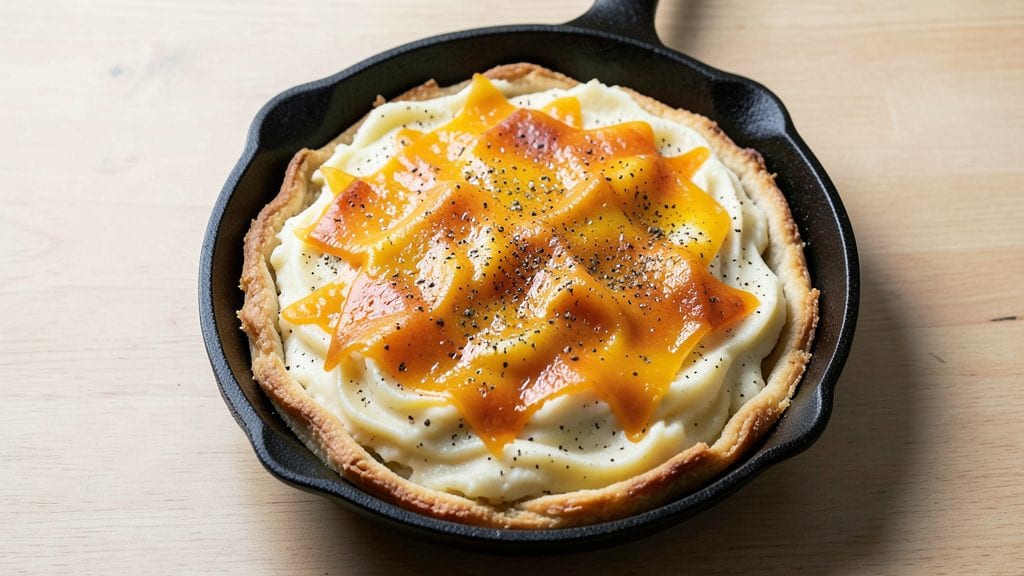
This potato tart recipe delivers the perfect balance of flaky pastry and creamy, cheesy potato filling that falls apart with every bite. The secret lies in a high-fat dough that creates layers so delicate they practically melt in your mouth, while the potato mixture stays rich and velvety.
I perfected this version after testing countless variations—some too dense, others too buttery—until I found the ideal ratio of butter to flour for that signature crispness.
The beauty of this recipe is its versatility—it works as a stand-alone side dish or pairs beautifully with roasted meats. The filling combines mashed potatoes with sharp cheddar and a touch of cream, creating a texture that's tender yet substantial.
Baking at 375°F ensures the crust stays golden and crisp while the filling remains creamy, not dry. This is comfort food at its finest, with just the right amount of richness.
What makes this recipe truly special is how it transforms simple ingredients into something extraordinary. The dough requires only flour, butter, and a pinch of salt, while the filling comes together with basic pantry staples. Once baked, the tart has that irresistible pull-apart quality that makes it impossible to resist.
The aroma alone will have everyone gathering around the table, and the first bite delivers on every promise of flaky, cheesy perfection.
For those with dietary preferences, variations include using almond flour for a gluten-free crust or dairy-free cheese in the filling. The method remains the same—just swap ingredients while keeping the same baking technique.
Whether you're serving it at a holiday dinner or a casual weeknight meal, this potato tart is guaranteed to impress. Let's get started on creating your own pull-apart masterpiece.
Ingredients for potato tart
Six simple ingredients transform into golden, flaky layers cradling creamy cheddar-potato magic.
| Ingredient | Amount | Notes |
|---|---|---|
| All-Purpose Flour 🌾 | 2 ½ cups | Sifted for light texture |
| Cold Unsalted Butter 🧈 | 1 ¼ cups | Cut into small cubes |
| Instant Mashed Potatoes 🥔 | 2 cups | Prepared according to package |
| Sharp Cheddar Cheese 🧀 | 1 ½ cups | Shredded, block preferred |
| Heavy Cream 🥛 | ½ cup | Full-fat for richness |
| Large Eggs 🥚 | 1 whole | Room temperature |
| Granulated Sugar 🍚 | 1 tbsp | Balances richness |
| Salt 🧂 | 1 ½ tsp | Fine sea salt |
| Black Pepper 🌶️ | ½ tsp | Freshly ground |
| Garlic Powder 🧄 | ½ tsp | For subtle depth |
| Ice Water 💧 | ½ cup | Chilled for dough |
| Baking Sheet 📦 | 1 whole | Parchment lined |
The butter-to-flour ratio is everything here. European-style butter with at least 82% fat content is ideal—Plugrá or Land O'Lakes European Style are my go-tos. If you're using regular butter, chill it thoroughly and cut it into even cubes for consistent texture. The all-purpose flour should be sifted before mixing to prevent dense pockets in the dough. For the filling, instant mashed potatoes save time, but homemade mashed potatoes (with butter and cream) elevate the dish significantly. The sharp cheddar is non-negotiable—Cabot or Tillamook brands deliver that perfect tangy bite that cuts through the richness.
No instant mashed potatoes? Russet potatoes boiled and mashed with butter and cream work beautifully. Running short on cheddar? Gruyère or Gouda add luxurious depth, though they'll change the flavor profile. The heavy cream can be swapped for half-and-half if needed, though the texture will be slightly less velvety. For a gluten-free version, almond flour or a 1:1 gluten-free blend works well, though the crust will be denser. If you're making this ahead, prepare the dough and filling separately—they keep well in the fridge for up to 2 days before assembly.
The dough should rest for at least 30 minutes before rolling to relax the gluten and prevent shrinking. For the filling, mix the mashed potatoes, cheese, cream, and seasonings until just combined—overmixing can make the filling dense. Assemble the tarts on a parchment-lined baking sheet and refrigerate for 20 minutes before baking to help them hold their shape. Once baked, these tarts are best served warm, but they reheat beautifully in a 350°F oven for 10-15 minutes. Store leftovers covered at room temperature for up to 2 days or freeze for 3 months—they're even more magical reheated.
Why You'll Love This Recipe
- No-Pastry Hassle: I swear by this shortcut—no rolling dough, no fuss. The cold butter and flour mix in minutes, and the instant mashed potatoes skip the boiling step while still delivering that creamy texture.
- Sharp Cheese Magic: That sharp cheddar? It’s the star. Melty, salty, and just a little tangy—it makes the whole tart taste like a hug from a pub menu, even when I’m cooking in sweatpants at 7 PM.
- Leftovers That Win: Between us, this recipe makes way more than I need for one meal. The next day, I reheat slices straight from the fridge—crispy edges, warm center—no one ever guesses it’s yesterday’s dinner.
- Budget Stretch: Flour, butter, and instant potatoes? This is my go-to when I’m broke but still want to feel fancy. The heavy cream adds richness without breaking the bank, and I’ve fed four people for under $10.
Step-by-step instructions for potato tarts
Mastering this recipe delivers restaurant-quality flaky layers and gooey, cheesy centers every time.
Create the Flaky Pastry Dough
In a large mixing bowl, combine the 2.5 cups sifted all-purpose flour with the 1.5 teaspoons salt, 0.5 teaspoon black pepper, and 0.5 teaspoon garlic powder. Whisk gently to distribute the seasonings evenly throughout the flour. This step ensures your dough has balanced flavor from the start.
Cut the 1.25 cups cold unsalted butter into small cubes and add them to the flour mixture. Using a pastry cutter or your fingers, work the butter into the flour until you achieve pea-sized crumbs with some larger butter pieces remaining. This cold butter technique is essential for achieving that signature flaky texture—never let the butter warm up during this process.
Add the 1 whole large egg and 1 tablespoon granulated sugar, then mix with a fork until the mixture begins to come together. The sugar helps balance the richness of the butter and cheese filling. Finally, drizzle in the 0.5 cup ice water while stirring with a fork. The water should just begin to moisten the dough without making it sticky. If it feels too dry, add 1 teaspoon more water; if too wet, sprinkle in 1 tablespoon more flour.
Shape and Chill the Dough
Turn the dough out onto a lightly floured surface and gently knead it just 4-5 times until it forms a smooth ball. Divide the dough into three equal portions (about 1 cup each) and roll each portion into a 12-inch circle on parchment paper. Keep the remaining dough covered with plastic wrap in the refrigerator while you work with the first portion.
Transfer one rolled dough circle to the prepared parchment-lined baking sheet and gently press it into the corners to create a uniform rectangle. This shape ensures even baking and prevents the edges from puffing up too much. Repeat with the remaining two dough portions, placing them on separate baking sheets.
Refrigerate all three dough sheets for 30 minutes while you prepare the filling. This chilling step is crucial—it firms up the butter layers, preventing them from melting prematurely and ensuring those delicate, flaky layers we're after. Don't skip this step, even if you're eager to get baking.
Prepare the Cheesy Potato Filling
In a medium bowl, combine the 2 cups prepared instant mashed potatoes with the 1.5 cups shredded sharp cheddar cheese, 0.5 cup heavy cream, and the remaining 0.5 teaspoon black pepper. Mix thoroughly until the cheese is fully melted and incorporated, creating a smooth, spreadable filling. The texture should be thick but still pipeable—if it's too stiff, add 1 tablespoon of heavy cream to loosen it.
Spread the filling evenly over one of the chilled dough sheets, leaving a ½-inch border around the edges. This border prevents the filling from oozing out during baking. Use a spatula to create a smooth surface, then sprinkle the remaining dough sheet over the filling. Press gently to seal the edges, creating a fully enclosed tart.
Cut and Bake for Golden Perfection
Using a sharp knife or pizza cutter, score the top dough sheet into 6 equal squares (about 2-inch squares each). This creates those classic pull-apart sections while allowing steam to escape during baking. Transfer the baking sheet to the preheated 375°F oven and bake for 25-30 minutes until the pastry turns golden brown and the filling is bubbly.
Watch closely in the last 5 minutes of baking—you want the pastry to be golden but not browned. The filling should be hot and gooey when you cut into it. If the edges brown too quickly, tent the tart with aluminum foil to prevent over-browning while the center finishes cooking.
Rest and Serve Warm
Remove the potato tarts from the oven and let them rest on the baking sheet for 5 minutes. This brief resting period allows the filling to set slightly while maintaining its creamy texture. Serve immediately while still warm, as the filling will continue to thicken as it cools.
Cut along the scored lines to create individual servings. Each piece should reveal that perfect combination of flaky, buttery layers surrounding a rich, cheesy potato filling. The contrast between the crisp pastry and molten center makes these tarts irresistible—serve with a simple green salad or crusty bread to complete the meal.
Pro Tips For Making Potato Tart
- CHILL THE BUTTER: I learned this the hard way—when the butter warms up mid-crust prep, the flaky layers turn into a greasy mess. Keep those cubes in the freezer for 10 minutes before cutting, and never let them sit out while mixing with flour.
- DON’T SKIP THE CREAM REST: Instant mashed potatoes love heavy cream, but dumping it in hot? You’ll end up with gluey, watery filling. Whisk the cream into the cold potatoes first, then let the mix sit for 5 minutes—this thickens it naturally and makes the tart creamy, not soggy.
- BAKE THE CRUST FIRST: Yes, it’s tempting to fill and bake all at once, but the crust will steam and turn soggy. Blind-bake it for 8–10 minutes at 375°F (375°F is non-negotiable here) with pie weights or dried beans. This ensures a crisp base that holds up to the cheesy filling—no sad, greasy bottoms.
- GRATE THE CHEESE FRESH: Pre-shredded cheddar has anti-caking agents that make it weep moisture, turning your tart into a sad, watery pile. Grate your own using the large holes of a box grater—it melts smoother, browns better, and won’t leave you scraping up a cheese sludge later. (Trust me, your future self will thank you.)
Pro cooking tips for this recipe
Butter Temperature Matters
Cold butter is your secret weapon for achieving those signature flaky layers. Always use unsalted butter cut into ¼-inch cubes and kept in the freezer for 10 minutes before mixing. This ensures the butter stays firm enough to create distinct layers rather than melting into the flour.
I recommend Plugrá or Land O'Lakes European Style—their high fat content (82%+) delivers the best results. If your kitchen feels warm, chill the dough for an extra 15 minutes before rolling. 🧈
Dough Handling Techniques
Work the butter into the flour using a pastry cutter or your fingers until you have pea-sized crumbs with some larger pieces remaining. Overmixing turns the dough tough, while undermixing creates uneven texture. When shaping, handle the dough as little as possible—just enough to form a smooth ball.
For rolling, keep the dough chilled and use a rolling pin to maintain even thickness. If the dough cracks while rolling, gently press it back together without warming it. ⚡
Filling Consistency Tips
The potato filling should be thick but spreadable—like thick pudding. If it's too stiff, add 1 tablespoon heavy cream at a time until it reaches the right consistency. For extra richness, fold in ¼ cup melted butter into the filling.
Avoid overmixing after adding cheese, or the filling will become dense. Spread it evenly, leaving that ½-inch border to prevent leaks. I like to use a spatula for smooth, even coverage. 🥔
Scoring for Perfect Pull-Aparts
Use a sharp knife or pizza cutter to score the top dough in a grid pattern (about 2-inch squares). This creates clean pull-apart sections while allowing steam to escape during baking. Press down gently but firmly—don't cut all the way through.
For extra flair, make diagonal cuts instead of straight lines. The scoring should be deep enough to see the filling but not so deep that the tart falls apart prematurely. 🔪
Baking Time Precision
Bake at 375°F for 25-30 minutes until the edges are golden brown and the filling is bubbly. The filling should be hot and gooey when cut—if it's not, bake for 5 more minutes. Watch closely in the last 5 minutes to avoid over-browning.
If the edges brown too quickly, tent with aluminum foil while the center finishes cooking. A thermometer isn't necessary, but the internal temp should reach 170°F for perfect doneness. 🌡️
Resting for Optimal Texture
Let the tarts rest for 5 minutes after baking before cutting. This allows the filling to set slightly while keeping it creamy. Serving them too soon causes the filling to ooze out, ruining the presentation.
For make-ahead meals, cool completely, then refrigerate for up to 2 days or freeze for 3 months. Reheat in a 350°F oven for 10-15 minutes until warmed through. The texture improves after resting—trust the process! ⏳
Nutrition facts
Frequently asked questions
Can I make this potato tart recipe with homemade mashed potatoes?
Swap the instant mashed potatoes for 2 cups of homemade mashed potatoes made with 3 large russet potatoes, 3 tablespoons butter, and ¼ cup heavy cream. Chill the filling for 10 minutes before using to help it hold its shape better in the oven. The flavor will be even richer and more velvety.
Why did my tart filling ooze out when baking?
This usually happens when the filling isn't properly sealed or the dough isn't chilled enough. Make sure to leave a ½-inch border around the edges and press the dough firmly to seal all seams. Also, ensure your dough has rested in the fridge for the full 30 minutes before baking. If it's still happening, try using slightly less filling or baking at 350°F instead of 375°F for a slower cook.
How can I make this recipe gluten-free?
Replace the all-purpose flour with a 1:1 gluten-free flour blend (like Bob's Red Mill) or almond flour for a nutty flavor. Use 1 tablespoon xanthan gum if your blend doesn't contain it. The dough will be denser, so handle it gently when rolling. For the filling, keep all ingredients the same—just ensure your cheese is gluten-free certified. The texture will differ but still be delicious!
Can I prepare the dough and filling ahead of time?
Yes! The dough can be wrapped and refrigerated for up to 2 days or frozen for 3 months. The filling keeps well in the fridge for 2 days too. Just assemble and bake when ready—no need to thaw the dough completely before rolling. For frozen dough, let it sit at room temperature for 10 minutes before handling. This makes meal prep a breeze!
What's the best way to reheat leftover potato tarts?
Warm leftovers in a 350°F oven for 10-15 minutes until heated through. For a quicker option, use the microwave for 30-45 seconds** (covered with a damp paper towel) to prevent drying. The oven method preserves the flaky texture best. Never reheat straight from the fridge—bring to room temperature first for even warming.