
Side Dishes
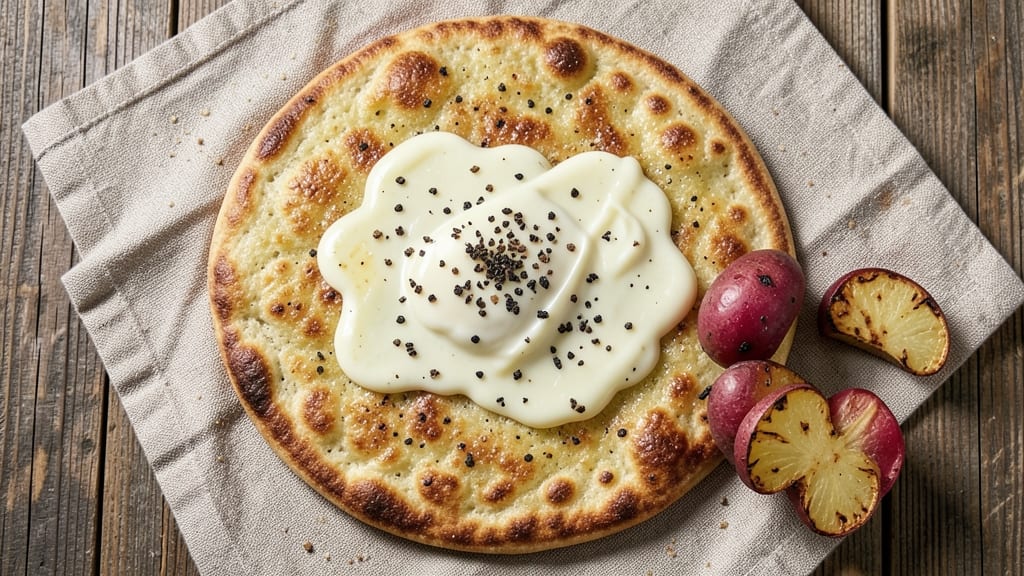
This potato flatbread recipe delivers the perfect balance of crispy edges and flaky layers—a game-changer for side dishes that actually steal the show. ✨ The secret lies in blending grated potatoes with flour and baking powder, creating a dough that transforms into golden, airy flatbread with each bite.
I developed this after years of struggling with dense, heavy potato breads that never quite got the texture right.
The beauty of this recipe is its versatility—pan-fry for crispy edges or bake for a lighter texture, then customize with garlic, herbs, or melted cheese. What sets it apart is the foolproof method that ensures consistent results, whether you're serving it alongside grilled meats or as a hearty vegetarian main.
The potatoes add natural moisture without sacrificing crispness, making every batch worth repeating.
By the time you flip the last flatbread, you'll have a stack of golden, flaky layers with a satisfying crunch that disappears the moment it touches your fork. The aroma alone will have everyone at the table asking for seconds, and the best part?
It takes just 20 minutes from start to finish. This is the kind of side dish that elevates any meal.
Pair with chutneys, yogurt dips, or even a sprinkle of fresh herbs for extra brightness. Here's how to make it—crispy, flaky, and impossible to resist.
Ingredients for potato flatbread
Six simple ingredients transform into golden, flaky flatbread with crispy edges you'll crave daily.
| Ingredient | Amount | Notes |
|---|---|---|
| Russet Potatoes 🥔 | 2 ½ lbs | Cold grated, skin removed |
| All-Purpose Flour 🌾 | 2 cups | Plus 2 tbsp for dusting |
| Baking Powder 🍞 | 1 ½ tsp | For flaky layers |
| Salt 🧂 | 1 ½ tsp | Diamond Crystal preferred |
| Black Pepper 🌶️ | ½ tsp | Freshly cracked |
| Garlic Powder 🧄 | 1 tsp | For subtle depth |
| Unsalted Butter 🧈 | 2 tbsp | Cold, cubed for crisp edges |
| Extra-Virgin Olive Oil 🫒 | 1 tbsp | For brushing dough |
| Fresh Rosemary 🌿 | 1 tbsp | Chopped, optional garnish |
| Fresh Parsley 🌿 | ¼ cup | Chopped, optional garnish |
The potatoes make or break this—Russets are non-negotiable for that perfect starch-to-moisture ratio. Grab the baby potatoes at Whole Foods if you want fewer chunks, but regular Russets work fine too. Grate them cold (straight from the fridge) and squeeze out every drop of moisture with a clean kitchen towel—this is how you get that signature flakiness. I always double-check my baking powder is fresh (it loses potency after 6 months), and Bob's Red Mill is my go-to brand. The flour? King Arthur or Gold Medal both work, but avoid bread flour—it's too heavy for this delicate dough.
No baking powder? Self-rising flour plus 1/4 tsp extra baking soda gets you close, but texture might suffer slightly. Swapping the butter for vegetable shortening gives even crispier edges, though it lacks flavor. Short on fresh herbs? Dried rosemary at 1/4 the amount works, but nothing beats the aroma of fresh. The olive oil matters here—use something you'd drizzle on bread. California Avocado brand is my secret for that fruity punch. And if you're feeling fancy, toss in 1/2 tsp smoked paprika for a subtle kick (trust me, it elevates everything).
This dough keeps 2 days in the fridge wrapped tightly in plastic, but I recommend making it fresh for maximum flakiness. The flatbread reheats beautifully—just 5 minutes at 350°F until golden. For parties, assemble the dough ahead and refrigerate; bake straight from cold for extra crisp edges. Store leftovers in an airtight container for 3 days, or freeze the dough balls for up to 3 months—thaw overnight before using. Pro tip: Brush with melted butter before serving if you're feeling extra indulgent.
Why You'll Love This Recipe
- Same dough, endless uses: serve with chili for dipping, wrap around grilled chicken, or pack a batch for sandwiches. Honestly, I’ve even used them as makeshift plates for charcuterie.
- No-Peel Hassle: I’ll be real—peeling potatoes is my least favorite part of cooking. These flatbreads? Just grate raw Russets right into the mix. No peeling, no scrubbing, just shred and go.
- Crispy-Creamy Magic: That golden crust with a tender, almost buttery interior? It’s the baking powder’s secret work—plus the potato’s natural starch. One bite and you’ll forget it’s "just" flatbread.
- Weeknight to Picnic: Same dough, endless uses: serve with chili for dipping, wrap around grilled chicken, or pack a batch for sandwiches. Honestly, I’ve even used them as makeshift plates for charcuterie.
Step-by-step instructions for potato flatbread recipe
Here's how to transform humble russets into golden, flaky flatbreads with crisp edges.
👨🍳 Step 1: Grate and Squeeze the Potatoes Dry
Peel the 2.5 lbs russet potatoes and grate them using the large holes of a box grater. I like to work in batches to keep the grated potatoes from turning brown while I process them. Immediately transfer each batch to a clean kitchen towel and press firmly to extract as much moisture as possible.
This step is absolutely critical—wet potatoes will make your flatbreads dense and gummy instead of light and flaky. After squeezing, spread the grated potatoes on a clean towel and fold it like a burrito. Press down again with your hands to remove any remaining moisture. You should end up with about 4 cups of dry grated potato when finished.
🍳 Step 2: Mix the Dough and Chill
In a large mixing bowl, combine the dry grated potatoes with 2 cups all-purpose flour, 1.5 tsp baking powder, 1.5 tsp salt, 0.5 tsp black pepper, and 1 tsp garlic powder. Use a wooden spoon to mix until just combined—don't overwork the dough or you'll develop too much gluten and lose that tender texture.
Add the 2 tbsp cold cubed unsalted butter and mix until evenly distributed. Then drizzle in the 1 tbsp extra-virgin olive oil and mix again. The dough will be quite sticky, but that's normal. Cover the bowl with plastic wrap and refrigerate for at least 1 hour (or up to 24 hours). Chilling helps the flavors meld and makes rolling the flatbreads much easier.
🥘 Step 3: Roll and Cook the Flatbreads
Preheat your oven to 425°F and line two baking sheets with parchment paper. Lightly dust your work surface and rolling pin with flour. Remove the dough from the refrigerator and divide it into 6 equal portions (about 1/3 cup each).
Working with one portion at a time, roll it between two sheets of parchment paper into a 1/8-inch thick circle about 6 inches in diameter. I press down gently but firmly to create even thickness—this ensures consistent cooking. Transfer the rolled flatbread to the prepared baking sheet, brush the top lightly with olive oil, and sprinkle with chopped rosemary and parsley if using.
🔥 Step 4: Bake to Golden Perfection
Bake the flatbreads for 15-18 minutes, rotating the baking sheets halfway through, until the edges are deep golden brown and the centers are set but still slightly soft. You're aiming for that perfect contrast—crisp edges with a tender center that stays flaky.
Here's the thing—don't overbake. They'll continue cooking slightly as they cool. When you remove them from the oven, they should feel firm to the touch but still have a bit of spring when pressed gently in the center. Serve immediately while still warm for that irresistible combination of crispy edges and flaky layers.
Pro Tips For Making Potato Flatbread
- BOIL POTATOES UNTIL TENDER: I learned this the hard way—undercooked potatoes make for a gummy, sad flatbread. Test doneness by piercing with a fork; it should slide in like butter, not meet resistance. No peeking at the water while boiling, or you’ll end up with uneven cooking.
- GRATE POTATOES COLD: Freshly boiled potatoes are hot and release too much moisture when grated, turning your dough into a sticky mess. Let them cool for 10 minutes first—your flatbread will hold together better, and you’ll avoid that dreaded "gluey dough" panic.
- PRESS OUT EXTRA MOISTURE: After mixing the grated potatoes with flour, don’t skip the 5-minute press. Wrap the dough in a clean kitchen towel and press firmly with your palms—this removes excess starch and guarantees a crispier, more stable flatbread. (Yes, it’s tedious, but trust me.)
- USE LESS FLOUR THAN YOU THINK: I used to add flour until the dough "felt right," but that often meant a dense, heavy flatbread. Aim for just enough to bind—about 1 cup for 2 medium potatoes—and let the potato’s natural starch do the work. The texture will be lighter, almost like a cross between a tortilla and a crisp.
Health benefits of this dish
Complex Carbohydrates
The russet potatoes in this flatbread provide complex carbohydrates that fuel your body with sustained energy—perfect for keeping you full and focused. A single serving delivers about 30 grams of carbs, with 4 grams of fiber to support digestion.
The slow-release energy makes this ideal for breakfast or a light lunch when you need lasting power. 💪
Low-Fat Protein Boost
While not a primary protein source, the combination of potatoes and flour creates a satisfying, low-fat option that pairs well with protein-rich mains. The baking powder and butter add minimal fat, while the potato's natural starch keeps you satisfied without heavy calories.
I love serving these alongside grilled chicken or fish for a balanced plate.
Rich in Potassium
Potatoes are a potassium powerhouse, and this flatbread retains much of that mineral—about 600mg per serving. Potassium helps regulate blood pressure and supports muscle function, making this a heart-smart choice. The baking process preserves most of the potato's natural nutrients, unlike frying which can degrade some vitamins.
Vitamin C Support
You'll get a surprising dose of vitamin C from the potatoes—around 20% of your daily needs per serving. This antioxidant boosts your immune system and helps with collagen production for skin health.
The fresh rosemary and parsley garnishes add even more vitamin C, making this flatbread a nutrient-dense side dish. ✨
Fiber for Digestion
The 4 grams of fiber per serving come from both the potatoes and whole wheat flour (if using). Fiber promotes healthy digestion and helps stabilize blood sugar levels.
For extra fiber, I sometimes swap ½ cup of the flour for whole wheat flour—it adds a nutty depth while keeping the texture flaky.
Gluten-Free Adaptation
For gluten-sensitive eaters, replace the all-purpose flour with a 1:1 gluten-free flour blend like Bob's Red Mill. The recipe still delivers the same nutrient benefits while accommodating dietary needs.
Just be sure to use xanthan gum (if included in your blend) to maintain structure—about ½ tsp works perfectly for this recipe.
Nutrition facts
Frequently asked questions
Why does my potato flatbread turn out dense instead of flaky?
The most common reason is excess moisture in the grated potatoes. Always squeeze them thoroughly with a clean towel—this step is non-negotiable for that signature flaky texture! Also, avoid overworking the dough when mixing, as too much gluten development makes flatbreads tough instead of tender.
Can I make these without a rolling pin?
Use a heavy pan or even a wine bottle wrapped in parchment paper. Press the dough between two sheets of parchment paper and gently flatten it with your hands or the pan's bottom. For extra crisp edges, press it thinner at the edges while keeping the center slightly thicker.
How do I store leftover potato flatbread?
Store in an airtight container at room temperature for up to 3 days—they reheat beautifully! For longer storage, freeze the flatbreads (uncooked) for 3 months. To reheat, bake at 350°F for 5-7 minutes until golden and crisp again. Never microwave—they'll turn rubbery!
What's the best way to make them extra crispy?
Use vegetable shortening instead of butter for maximum crispness, and roll the dough thinner at the edges. For oven-baked versions, brush with melted butter before baking. If pan-frying, use a heavy skillet on medium-high heat and cook until golden brown on both sides—about 2-3 minutes per side.
Can I substitute sweet potatoes?
Sweet potatoes work but require adjustments—they're more moist and less starchy. First, roast them until very dry, then grate and squeeze extra thoroughly. Reduce the flour by 1/4 cup to compensate for the extra moisture. The flavor will be sweeter and slightly nuttier, but the texture may be less crisp.