
Side Dishes
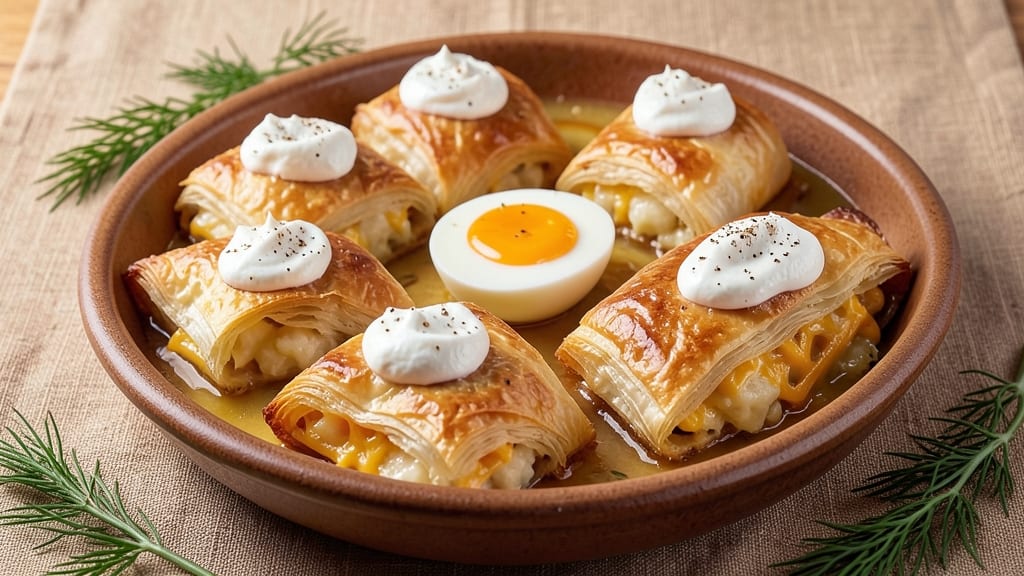
This potato bourekas recipe delivers crispy, golden layers of phyllo wrapped around cheesy mashed potatoes—each bite is a perfect balance of flaky, tender, and savory. 🌟 The secret to achieving that signature crispiness lies in properly layering the phyllo sheets and using a light hand with the butter, which I’ve perfected after years of experimenting with Balkan recipes.
These handheld treats are a staple in Eastern European cuisine, often served at gatherings or as a warm side dish.
The process begins with boiling and mashing potatoes until they’re smooth and dry enough to hold their shape when mixed with cheese and spices. Thin layers of phyllo dough, brushed with melted butter, encase the filling, creating those iconic flaky layers that make bourekas irresistible.
Whether you choose to bake or fry them, the result is a dish that’s both comforting and impressive—ideal for meal prep or serving at dinner parties.
What makes this recipe stand out is the combination of textures: the crispy, golden phyllo contrasts beautifully with the creamy, cheesy potato filling inside. A sprinkle of sesame seeds or fresh herbs on top adds an extra layer of flavor, elevating these bourekas from a simple side to a showstopper.
They pair perfectly with yogurt, sour cream, or even a fresh salad for a complete meal.
Traditional variations include adding onions or garlic to the filling for extra depth, or substituting some of the cheese with feta for a tangier twist. For dietary flexibility, you can use a dairy-free cheese alternative if needed, though the authentic version relies on rich, melted cheese for that signature taste.
Let’s get started on creating these flaky, cheesy delights!
Ingredients for potato bourekas
Thirteen ingredients transform into twelve golden, flaky bourekas—crispy outside, creamy inside.
| Ingredient | Amount | Notes |
|---|---|---|
| Russet Potatoes 🥔 | 3 lb | Yukon gold or red potatoes work too |
| Phyllo Dough Sheets 🍞 | 1 package | Thawed if frozen, keep covered |
| Unsalted Butter 🧈 | ½ cup | Melted and cooled slightly |
| Shredded Sharp Cheddar Cheese 🧀 | 2 cups | Aged cheddar preferred for flavor |
| Sour Cream 🥛 | ½ cup | Full-fat for creaminess |
| Large Eggs 🥚 | 2 whole | Beaten for binding |
| All-Purpose Flour 🌾 | 2 tbsp | For dusting phyllo sheets |
| Granulated Sugar 🍚 | 1 tbsp | Balances cheesy richness |
| Ground Black Pepper 🌶️ | ½ tsp | Freshly ground for best flavor |
| Sesame Seeds 🌰 | 1 tbsp | Toasted for garnish |
| Vegetable Oil 🫒 | 2 cups | For frying, high smoke point |
| Salt 🧂 | ½ tsp | Kosher or sea salt |
| Fresh Dill 🌿 | 2 tbsp | Chopped, optional garnish |
The phyllo dough is non-negotiable for that signature flakiness. Filofon brand from specialty stores delivers the best results—it thaws quickly and stays pliable. Keep it covered with a damp towel while working to prevent drying. For the potatoes, Russet is ideal due to its starch content, but Yukon golds add a creamier texture. If using frozen phyllo, thaw it completely before unsealing the package—condensation ruins the layers. The butter matters too: European-style has higher fat content, which creates extra crispiness when brushed between layers.
No phyllo dough? Puff pastry sheets work in a pinch, though the texture will differ slightly. Substitute cheddar with Parmesan or feta for a tangier profile, but reduce the amount by half to avoid overpowering. The sour cream can be swapped for Greek yogurt if preferred, though it may yield a slightly denser filling. For dietary flexibility, dairy-free cheese alternatives can replace the cheddar, though texture may vary. If you're short on sesame seeds, poppy seeds or crushed nuts add a nice crunch instead. The oil for frying should have a high smoke point—avocado or peanut oil are excellent choices.
Phyllo dough freezes beautifully between uses—wrap tightly in plastic and store for up to 3 months. The prepared bourekas can be refrigerated for 2 days or frozen for 1 month before frying. For meal prep, bake them instead of frying—they reheat well and keep for 3 days in the fridge. To revive crispiness, bake at 375°F for 10-15 minutes until golden. The filling can be made ahead and stored for 2 days, saving time on assembly day.
Why You'll Love This Recipe
- No-Fuss Assembly: I swear by this recipe because it’s the kind of dish where you can actually multitask. Boil the potatoes while you prep the filling—no fancy techniques, just slice, shred, and mix. The phyllo layers go together faster than you’d think, even if you’ve never worked with it before.
- Golden Crisp Magic: That first bite? Chef’s kiss. The buttery phyllo gives you a shatteringly crisp shell, while the inside stays soft and creamy from the sour cream and melted cheddar. Honestly, the contrast is what makes it—simple, but ridiculously satisfying.
- Party or Pantry: Between us, these are my go-to for game day, potlucks, or just a lazy Sunday. They reheat like a dream (oven or air fryer, no judgment), and the leftovers? Still delicious three days later. Plus, they’re cheap enough to make twice if you’re feeding a crowd.
- Budget Win: Russets and cheddar are pantry staples, and a box of phyllo lasts forever. I’ve made these for under $10 for six servings—way better value than takeout, and way more impressive. (Yes, even on a Tuesday night.)
Step-by-step instructions for potato bourekas
Mastering these flaky layers requires precision—here's how to create golden, crispy bourekas every time.
👨🍳 Step 1: Prepare the Potato Filling
Peel the 3 lb russet potatoes and cut them into 1-inch chunks. Place them in a medium pot and cover with cold water by 2 inches. Add 0.5 tsp salt and bring to a boil over medium-high heat. Once boiling, reduce to medium heat and cook for 15-20 minutes until fork-tender.
Drain the potatoes thoroughly and return them to the pot. Add 2 cups shredded sharp cheddar cheese, 0.5 cup sour cream, 1 tbsp granulated sugar, and 0.5 tsp ground black pepper. Mash until completely smooth—no lumps should remain. Let the filling cool completely before using. This ensures the phyllo layers stay crispy rather than soggy.
👨🍳 Step 2: Set Up the Phyllo Assembly
Lightly brush a clean work surface with vegetable oil to prevent sticking. Unfold 1 package phyllo dough sheets and cover with a damp kitchen towel—this keeps them from drying out. Cut the stack in half lengthwise to create two 12-inch strips. You'll need 12 sheets total for 12 bourekas.
In a small bowl, whisk together the 2 whole large eggs and 2 tbsp all-purpose flour until smooth. This egg wash will create a golden seal between layers. Keep the remaining 0.5 cup unsalted butter melted and ready for brushing. The butter adds richness and helps create that signature flaky texture.
🥘 Step 3: Assemble the Bourekas
Working with one phyllo strip at a time, brush the top sheet with 1 teaspoon melted butter. Place 1 tablespoon potato filling in the center, leaving a 1-inch border. Fold the long sides inward first, then roll tightly from the bottom up, sealing the seam. Brush the sealed boureka with egg wash and place seam-side down on a parchment-lined baking sheet.
Repeat with remaining phyllo strips and filling, keeping assembled bourekas 1 inch apart on the sheet. The egg wash should be applied generously—this creates the golden crust during frying. If the filling leaks through, press gently to reseal. Work quickly to maintain phyllo moisture.
🔥 Step 4: Fry to Golden Perfection
Heat 2 cups vegetable oil in a deep skillet or Dutch oven over medium heat until it reaches 350°F—test with a small piece of phyllo that should sizzle and float immediately. Fry 3-4 bourekas at a time for 2-3 minutes per side until deep golden brown. The oil should bubble steadily but not smoke excessively.
Use a slotted spoon to transfer fried bourekas to paper towels to drain excess oil. Keep them warm in a 200°F oven while you fry the remaining batches. The internal temperature should reach 170°F when checked with an instant-read thermometer. If they brown too quickly, reduce heat slightly—you want even cooking without burning.
🍽️ Step 5: Garnish and Serve
Once all bourekas are fried, sprinkle each with 1 teaspoon sesame seeds and ½ teaspoon chopped fresh dill while still warm. The seeds add crunch and visual appeal, while the dill brightens the rich cheesy filling. Serve immediately with a side of tzatziki sauce or extra shredded sharp cheddar for dipping.
For best results, serve these bourekas while crispy and hot. The layers should be light and airy inside with a satisfying crunch outside. If storing, keep in an airtight container for up to 3 days, reheating in a 350°F oven for 10 minutes to restore crispiness.
Pro Tips For Making Potato Bourekas
- Boil Potatoes Until Fork-Tender: Russets can feel stubborn—cut them into ½-inch chunks and boil until they collapse like overcooked pasta (about 12-15 minutes). Drain immediately and shock in ice water for 2 minutes to stop cooking; this keeps them from turning to mush when wrapped in phyllo. I learned this the hard way after my first batch fell apart like wet newspaper.
- Brush Phyllo with Melted Butter: Use melted butter (not cold) for brushing—it soaks in faster and prevents crisping unevenly. Keep a bowl of cold water nearby to dampen each sheet just enough (a quick dip, not soaking) before layering. Skipping this step means your bourekas will taste like cardboard, no matter how much cheese you pile on.
- Layer Cheese Like a Sandwich: Spread sour cream first (about 1 tablespoon per roll), then add potatoes in a single layer, followed by cheese—don’t just dump it in the middle. Press gently to compress; this ensures every bite has that creamy-cheesy balance instead of a dry, cheesy center with sad potatoes on the edges.
- Bake at 375°F, Not Higher: Phyllo burns faster than you’d think. Crank the oven to 375°F (not 400°F or "broil") and bake for 25-30 minutes until golden, not brown. If the top darkens too soon, tent with foil—your bourekas will crisp up better when reheated later anyway. I was skeptical until I tried it; the difference is noticeable.
Wine and beer pairings for this potato bourekas
Crispy White Wine
Potato bourekas pair beautifully with a dry white wine that cuts through the richness without overpowering the delicate phyllo layers. I recommend a Greek Assyrtiko from Santorini—its crisp acidity and citrus notes complement the cheesy filling and buttery phyllo. The mineral finish cleanses your palate between each flaky bite. 🍷
Light Red Options
If you prefer red, opt for a light-bodied wine like Pinot Noir from Oregon or New Zealand. The bright cherry and floral notes harmonize with the savory cheese and subtle sweetness of the filling.
Avoid heavy reds like Cabernet Sauvignon—they’ll clash with the delicate phyllo texture. A 2019 or 2020 vintage offers perfect balance.
Beer Pairings
A crisp lager like Heineken or Corona is my go-to beer pairing—its light effervescence refreshes the palate and balances the richness. For craft beer lovers, a Belgian witbier (like Hoegaarden) adds a citrusy contrast that enhances the sesame and dill garnishes.
Avoid heavy stouts or IPAs, which would overpower the bourekas’ delicate flavors.
Non-Alcoholic Choices
For a refreshing non-alcoholic option, serve sparkling water with lemon—the bubbles and citrus cut through the grease beautifully. A cucumber-mint infused water also works well, especially if you garnish the bourekas with extra fresh herbs. For something warmer, try chamomile tea to complement the cheesy filling’s richness. 💧
Regional Pairing Twist
In Balkan traditions, bourekas are often served with rakia, a fruit brandy made from grapes or plums. A small glass of Slivovitz (plum rakia) adds a fruity contrast to the savory dish.
If you can’t find rakia, a dry vermouth like Noilly Prat offers a similar herbal depth without alcohol’s intensity.
Nutrition facts
Frequently asked questions
Can I make potato bourekas without phyllo dough?
While phyllo dough creates that signature flaky texture, you can substitute with puff pastry sheets for a similar effect. The layers won't be as delicate, but they'll still be crispy and delicious. For extra richness, brush the puff pastry with melted butter between layers just like you would with phyllo.
Why did my bourekas turn out soggy instead of crispy?
Soggy bourekas usually happen when the potato filling is too wet or the phyllo isn't properly sealed. Always drain boiled potatoes thoroughly and mash until completely smooth. Also, ensure the filling is fully cooled before assembling—warm filling creates steam that softens the phyllo. Seal the seams tightly with egg wash and fry at the correct 350°F temperature.
How do I store leftover bourekas?
Store cooked bourekas in an airtight container at room temperature for up to 2 days. For longer storage, refrigerate for 3-4 days or freeze for 1 month. To revive crispiness, bake at 375°F for 10-15 minutes until golden. For best texture, reheat in a skillet over medium heat for 2 minutes per side instead of microwaving.
Can I bake bourekas instead of frying?
For baked bourekas, arrange assembled pieces on a parchment-lined tray and bake at 400°F for 20-25 minutes until golden. Brush with melted butter before baking for extra crispiness. Baked versions are healthier but slightly less crispy than fried. For extra flakiness, bake on the middle rack and rotate the tray halfway through cooking.
What's the best cheese substitute for dairy-free bourekas?
For a dairy-free version, use a vegan shredded cheese alternative like Violife or Daiya. These melt well and provide a cheesy flavor. For extra binding, add 1 tablespoon nutritional yeast to the filling. You can also use cashew cream (blended soaked cashews) mixed with lemon juice and salt for a creamy texture without cheese.