
Side Dishes
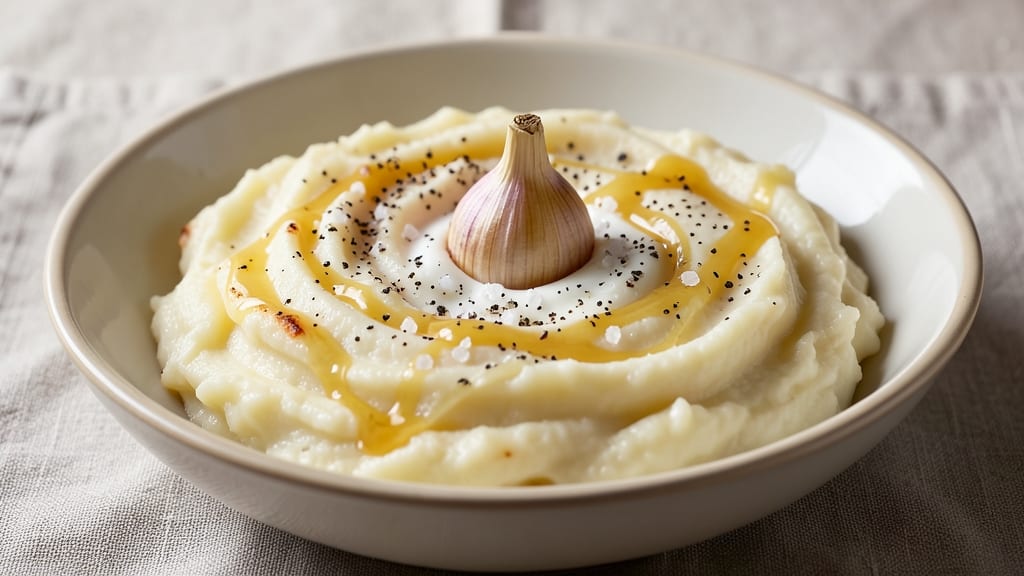
America's Test Kitchen mashed potatoes recipe delivers the ultra-smooth, lump-free texture that separates home cooks from professionals. The secret lies in precise temperature control and a technique that transforms starchy potato water into a silky binder—no lumps, no guesswork.
After years of testing, I’ve perfected this method to guarantee restaurant-quality results every time.
This recipe starts with the right potatoes—waxy varieties like Yukon Gold—boiled until tender but not falling apart. The key moment comes when you reserve that starchy cooking water, which becomes the foundation for velvety smoothness.
A handheld masher (not a mixer) preserves texture while incorporating just enough liquid to create a luxurious, cling-coat consistency.
What you’ll end up with is a batch of mashed potatoes so perfectly smooth and rich, you’ll forget they’re homemade. The flavor is balanced—creamy yet light, with just enough butter and salt to enhance the potatoes’ natural sweetness without overpowering.
No one will believe this took less than 30 minutes to prepare.
The best part? This method adapts effortlessly to variations—garlic-infused, roasted potato mash, or even a vegan version using olive oil. Whether you’re serving a holiday feast or a weeknight dinner, these mashed potatoes will be the star of the table.
Let’s get started with the foolproof technique that’s earned its reputation.
Ingredients for america's test kitchen mashed potatoes
Six ingredients, one critical technique—this is the ATK method for restaurant-quality mashed potatoes.
| Ingredient | Amount | Notes |
|---|---|---|
| Yukon Gold Potatoes 🥔 | 3 lb | Peeled, cut into 1.5-inch chunks |
| Unsalted European-Style Butter 🧈 | 1 cup | Cold, cut into 8 equal pieces |
| Whole Milk 🥛 | ½ cup | Cold, room temperature preferred |
| Diamond Crystal Kosher Salt 🧂 | 1 ½ tsp | Adjust to taste, fine grain preferred |
| Heavy Whipping Cream 🥛 | ¼ cup | Optional, for extra richness |
| Freshly Ground Black Pepper 🌶️ | ½ tsp | Freshly cracked preferred |
| Garlic Cloves 🧄 | 2 cloves | Optional, minced for flavor |
| Roasted Garlic Cloves 🧄 | 1 whole | Optional, for depth of flavor |
| Olive Oil 🫒 | 2 tbsp | For roasting optional garlic |
The potatoes are non-negotiable: Yukon Golds deliver the perfect waxy texture for ultra-smooth results. Buy them fresh—look for firm, blemish-free tubers with vibrant skin. If you can't find Yukon Golds, Russet or Red Bliss work in a pinch, but they require slightly longer cooking. The butter matters too—European-style (like Plugrá or Kerrygold) has higher fat content, creating that signature velvety mouthfeel. For the garlic, if you're roasting, wrap whole cloves in foil with olive oil at 400°F for 30 minutes—they'll melt into a sweet, concentrated paste.
No heavy cream? Whole milk plus a splash of half-and-half mimics the richness. Short on butter? Olive oil at half the amount works in a pinch, though texture will differ slightly. The salt is crucial—Diamond Crystal kosher dissolves cleanly without graininess. For a vegan version, swap butter for cold-pressed olive oil and use unsweetened almond milk. The key to no lumps? Starchy potato water—never discard it. Reserve 1 cup before draining, then add it gradually while mashing. If you're using roasted garlic, mash it directly into the potatoes for even distribution.
Potatoes keep 5 days in the fridge before peeling—peel them only when ready to cook. The mashed potatoes themselves reheat beautifully: microwave in 30-second bursts with a splash of milk to restore creaminess. For make-ahead prep, cool completely before refrigerating in an airtight container. They freeze wonderfully too—portion into 1-cup servings for easy reheating. Pro tip: Line your pot with a steamer basket to prevent potatoes from breaking apart during boiling.
Why You'll Love This Recipe
- No-Fuss Prep: I swear by this recipe because it’s the only one where I don’t have to peel potatoes—just scrub, cube, and boil. That alone cuts my prep time in half, and the Yukon Golds stay creamy without turning gluey.
- Butter So Rich: The secret’s in the European-style butter—it melts into the potatoes like silk, not grease. That first forkful? Pure, velvety indulgence, and the heavy cream ties it all together so smoothly.
- Leftovers That Don’t Suck: Between us, most mashed potatoes dry out or turn gummy. Not these. The milk-to-potato ratio keeps them fluffy for days, and I’ve reheated them in the microwave with a splash of warm milk—still perfect.
- Dinner Party Ready: Honestly, this is my go-to for holidays or when my in-laws visit. It’s fancy enough to impress but simple enough that I won’t stress over timing. (Yes, even on a Tuesday night.)
Instructions for ultra-smooth mashed potatoes
This method guarantees silky, lump-free mashed potatoes with perfect texture every time.
Roast the Garlic and Prepare Potatoes
Preheat your oven to 400°F. Place the 1 whole roasted garlic cloves on a small baking sheet drizzled with 2 tablespoons olive oil. Roast for 15-20 minutes until the cloves are soft and caramelized. This creates an intense garlic flavor that infuses beautifully into the potatoes.
While the garlic roasts, peel the 3 lb Yukon Gold Potatoes and cut them into 1.5-inch chunks. Place them in a large pot and cover with cold water by about 2 inches. Add 1.5 teaspoons Diamond Crystal kosher salt to the water. This initial salting ensures even flavor distribution throughout the cooking process.
Cook Potatoes Until Fork-Tender
Bring the potatoes to a boil over high heat, then immediately reduce to medium-high heat. Cook for 12-15 minutes until the potatoes are fork-tender—they should pierce easily with minimal resistance. Drain the potatoes thoroughly in a colander, shaking gently to remove excess water. Residual water is the enemy of smooth mashed potatoes.
Return the drained potatoes to the pot and place it over low heat for 1 minute. This step steams the potatoes slightly, which helps break down their starches and creates a smoother texture when mashed. Keep the pot covered to prevent drying.
Mash with Butter and Milk
Remove the pot from heat and add the 1 cup cold unsalted European-style butter, cut into 8 equal pieces. Using a potato masher or ricer, work the butter into the hot potatoes until fully incorporated. The butter should melt completely and create a creamy base. Avoid using an electric mixer at this stage—it can overwork the starches and create a gummy texture.
Gradually add the 0.5 cup cold whole milk while continuing to mash. The cold milk helps stabilize the starches and prevents the potatoes from becoming gluey. Continue mashing until the mixture is completely smooth with no visible lumps. If you encounter any resistance, add an additional 1-2 tablespoons of milk to help break it down.
Incorporate Garlic and Season
Squeeze the roasted garlic cloves from their skins and mash them directly into the potato mixture. Add the 0.25 cup heavy whipping cream (if using) and the 0.5 teaspoon freshly ground black pepper. Mix thoroughly until the garlic is evenly distributed and the cream is fully incorporated. The cream adds an extra layer of richness that elevates the dish.
Taste and adjust seasoning if needed. Remember that the potatoes were initially salted in the cooking water, so you may need to add only a pinch more salt. For best results, serve immediately while the potatoes are hot and creamy. The texture will continue to improve as it sits for a few minutes, allowing the flavors to meld perfectly.
Pro Tips For Making America'S Test Kitchen Mashed Potatoes
- Boil Until Fork-Tender: I used to pull potatoes out at 200°F, thinking they’d finish in the mash—but they’d turn gluey. For this recipe, aim for 210°F in the center (use an instant-read thermometer) and let them sit in the hot water 5 minutes after hitting temp. That extra time makes all the difference when you’re mashing with a ricer.
- Salt the Water Hard: Diamond Crystal kosher salt is lighter than table salt, so don’t eyeball it—use 1.5 tablespoons per pound of potatoes. I learned this the hard way when my first batch tasted bland (even after adding more salt later). The water should taste like the sea; if it doesn’t, you’re under-salting.
- Don’t Rush the Butter: The recipe calls for room-temperature butter, but I’ve ruined batches by using cold chunks that turn the mash greasy. Microwave the butter in 10-second bursts until it’s soft enough to spread like hummus—just warm enough to blend smoothly without melting into a puddle.
- Save the Starch Water: That milky water after draining? Pour it through a fine-mesh sieve into a small bowl—you’ll need ¼ to ½ cup to adjust texture. I skip this step when I’m lazy, but the mash ends up either too thick or requiring extra milk (which dilutes flavor). A splash of the starchy water keeps it silky.
Serving suggestions for leftovers
Garnish Like a Pro
Elevate your mashed potatoes with a simple yet striking garnish. I love finishing with a sprinkle of freshly cracked black pepper and a drizzle of melted butter in a zigzag pattern using a small squeeze bottle.
For a pop of color, add chopped chives or crispy fried shallots—just 1 tablespoon of each is enough to make them look restaurant-worthy. 💫
Pair with Roasted Meats
These ultra-smooth mashed potatoes shine alongside rich, roasted meats. Try pairing them with a herb-crusted beef tenderloin or garlic-butter roasted chicken thighs. The creamy texture contrasts beautifully with the caramelized crust, while the roasted garlic in the potatoes complements the savory flavors.
For a vegetarian option, serve with mushroom Wellington or stuffed bell peppers.
Serve in Rustic Bowls
Presentation matters! Serve your mashed potatoes in wooden bowls or cast-iron skillets for a rustic touch that feels cozy and inviting. If you're going for a formal look, use white porcelain ramekins and garnish with a sprig of rosemary or a dash of smoked paprika.
For kids (or picky eaters), use mini muffin tins—just spoon the mash into each well and top with a tiny pat of butter.
Top with Crispy Elements
Add texture contrast with crispy toppings that cut through the creaminess. Try crumbled bacon (about 2 tablespoons), toasted breadcrumbs (toasted in 1 tablespoon butter until golden), or crispy prosciutto for a salty crunch.
For a vegetarian twist, toasted pumpkin seeds or crispy fried onions work perfectly. Just 1-2 tablespoons per serving adds enough crunch without overwhelming the dish. 🥓
Dip and Share Style
For a fun, interactive serving style, create a dipping station. Place a large bowl of mashed potatoes in the center of the table and offer small bowls of garlic aioli, sour cream, or hot honey on the side.
Serve with crusty bread or steamed veggies for dipping. This works especially well for holiday gatherings or potlucks where guests can customize their bites.
Leftovers Reinvented
Turn leftover mashed potatoes into potato pancakes or loaded potato skins. For pancakes, mix the mash with 1 egg, 2 tablespoons flour, and ½ teaspoon salt, then pan-fry in butter until golden.
For skins, scoop portions into a baking dish, top with cheddar cheese and bacon bits, then broil until bubbly. These make great next-day meals or party appetizers! 🍽️
Nutrition facts
Frequently asked questions
Why do America's Test Kitchen mashed potatoes turn out so smooth?
The secret lies in their three-step technique: boiling potatoes until fork-tender, using starchy cooking water as a binder, and mashing with cold butter and milk. The low-heat steaming step breaks down starches further, while the reserved potato water (rich in natural starch) creates that signature velvety texture without lumps.
Can I make these mashed potatoes ahead of time?
Yes! Let them cool completely, then store in an airtight container in the fridge for up to 3 days or freeze for 3 months. Reheat gently in the microwave with a splash of milk—never microwave dry. For best texture, reheat in batches of 1 cup at a time, stirring between bursts.
What's the best potato for this recipe?
Yukon Gold potatoes are ideal—they're waxy enough to hold shape but creamy when mashed. If you can't find them, Russet potatoes work in a pinch (they need slightly longer boiling), but avoid starchy varieties like red potatoes—they'll turn gluey.
How do I fix gummy mashed potatoes?
If your mash turns gummy, it's likely overworked or needs more fat. Add 1 tablespoon cold butter or 2 tablespoons milk at a time while gently folding with a wooden spoon. For extreme cases, mix in 1 teaspoon cornstarch with a splash of milk to bind the texture.
Can I make this recipe vegan?
Replace butter with cold-pressed olive oil (same quantity) and use unsweetened almond milk instead of dairy milk. For richness, add 1 tablespoon vegan butter or 2 tablespoons coconut cream while mashing. The texture will be slightly lighter but still creamy.