
Side Dishes
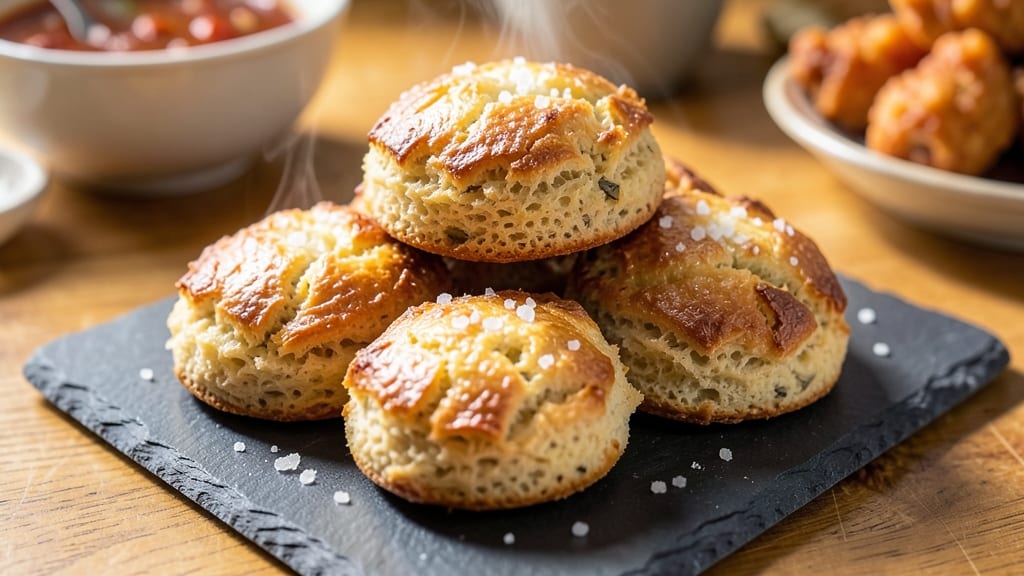
This potato biscuit recipe delivers the flaky, buttery layers you crave without requiring advanced baking skills. The secret lies in cold butter and precise mixing—no overworking the dough, just gentle folding for those signature layers.
I developed this version after years of testing, and it consistently produces biscuits with crisp edges and a tender interior that melts in your mouth.
What makes this recipe stand out is the simplicity combined with professional results. With just five core ingredients and 15 minutes of active time, you'll have golden, buttery biscuits ready for serving.
The key technique is cutting cold butter into the dry ingredients until pea-sized crumbs form, then adding liquid gradually until the dough just comes together. This ensures maximum flakiness without developing gluten.
By the time they emerge from the oven, your biscuits will have that perfect golden-brown hue with crisp edges and layers that separate cleanly. The buttery aroma alone makes these worth the effort, and they're versatile enough to serve with gravy, butter, or as a base for sandwiches.
The recipe scales easily, so you can make a dozen for a crowd or just a few for a quiet breakfast.
For extra flavor, consider adding shredded cheddar to the dough or sprinkling everything buttermilk on top before baking. The variations are endless, but the foundation remains the same—cold butter, gentle handling, and precise baking. Let's get started on making these restaurant-quality biscuits at home.
Ingredients for potato biscuit
Five core ingredients transform into golden, flaky biscuits with crisp edges and tender layers.
| Ingredient | Amount | Notes |
|---|---|---|
| All-Purpose Flour 🌾 | 3 ½ cups | Sifted for best texture |
| Cold Unsalted Butter 🧈 | 1 cup | Cut into 1-inch cubes |
| Instant Potato Flakes 🥔 | 1 tbsp | High-quality dehydrated |
| Baking Powder 🧂 | 2 tbsp | Aluminum-free preferred |
| Coarse Kosher Salt 🧂 | 1 tsp | Adjust to taste |
| Whole Milk 🥛 | 1 cup | Room temperature |
| Everything Buttermilk 🥛 | ½ cup | Store-bought or homemade |
| Granulated Sugar 🍚 | 1 tbsp | Optional for slight sweetness |
The butter is non-negotiable—cold, unsalted cubes create those signature layers. Grab Land O'Lakes or Plugrá from the dairy case, not the tub variety. For potato flakes, Bob's Red Mill or Arrowhead Mills are reliable choices; avoid anything with anti-caking agents. The flour should be white all-purpose—bread flour adds too much gluten. Sift both the flour and baking powder together to eliminate lumps, which is crucial for light texture. If your kitchen isn't cold, chill the butter cubes for 30 minutes before starting.
No buttermilk? Mix 1 tbsp lemon juice or vinegar with 1 cup milk and let sit for 5 minutes. Short on milk? Heavy cream thinned with water works in a pinch. The sugar is optional but enhances browning—skip it if you prefer savory biscuits. For extra richness, replace half the milk with whole milk and a splash of heavy cream. If you're making a crowd batch, double the recipe but keep the butter cold by cutting it into smaller pieces and working quickly. The baking powder should be fresh—if it's over a year old, test it first by mixing with water to see if it bubbles.
Store baked biscuits in an airtight container at room temperature for up to 3 days, or freeze for 3 months wrapped in foil. Reheat in a 350°F oven for 5-7 minutes to restore crispness. For make-ahead prep, shape the dough into balls, wrap in plastic, and refrigerate overnight—the cold butter prevents spreading. When ready to bake, let the dough sit at room temperature for 10 minutes before shaping. The buttermilk mixture can be prepped a day ahead and stored in the fridge.
Why You'll Love This Recipe
- No-Fuss Mixing: I swear by the potato flakes—just whisk them into the dry ingredients, cut in cold butter until it’s like crumbs, and you’re done. No rolling, no fuss, no stress.
- Buttery Crispy Magic: That cold butter in there? It melts into golden layers while the baking powder lifts them just enough—flaky, tender, and with a crispy edge that disappears in seconds. Honestly, it’s the kind of texture that makes you pause mid-bite.
- Weeknight Sidekick: Double the dough, freeze half, and you’ve got a backup for next week’s BBQ or a quick breakfast toast. Works with eggs, gravy, or just as a snack—no one judges if you eat them straight from the pan.
- Pantry Superstar: Flour, butter, potato flakes—these are all things I already have. No specialty ingredients, no last-minute grocery runs. And since they freeze like a dream, I make a batch and forget about it until I need it.
Step-by-step instructions for perfect potato biscuits
Here's the method that guarantees flaky, golden layers every time—no shortcuts, just science-backed technique.
Cut and Chill the Cold Unsalted Butter
Take the 1 cup of cold unsalted butter and cut it into 1-inch cubes using a sharp chef's knife. This size ensures even distribution throughout the dough while maintaining cold spots that create steam during baking—key for those signature flaky layers. Place the butter cubes on a chilled plate and refrigerate for 15 minutes to ensure they remain firm.
Here's the thing—if your butter starts to soften before mixing, the biscuits will spread too much and lose their signature height. I like to press down gently on the cubes with my palm to confirm they're still rock-hard before proceeding. This step makes all the difference between dense biscuits and sky-high, melt-in-your-mouth layers.
Combine Dry Ingredients for Optimal Texture
In a large mixing bowl, whisk together the 3.5 cups of all-purpose flour, 2 tablespoons of baking powder, 1 teaspoon of coarse kosher salt, and 1 tablespoon of instant potato flakes. The potato flakes add moisture that mimics the traditional mashed potato base while keeping the texture light. Sift the flour mixture once to eliminate any lumps that could create dense pockets in your biscuits.
I always use a whisk for this step to thoroughly aerate the dry ingredients. The baking powder needs to be evenly distributed, and the potato flakes should be completely incorporated. If you notice any flour clumps after whisking, give it one more quick pass through a fine-mesh strainer. This ensures your biscuits will rise evenly and develop that perfect crumb structure.
Mix Wet Ingredients to Create a Smooth Dough
In a separate bowl, combine the 1 cup of room-temperature whole milk, 0.5 cup of everything buttermilk, and 1 tablespoon of granulated sugar (if using). The buttermilk adds tanginess that balances the richness of the butter, while the sugar just slightly caramelizes during baking for a touch of sweetness. Mix these wet ingredients until fully combined—there should be no separation when you stir.
Pour the wet mixture into the bowl with the dry ingredients. Using a silicone spatula, gently fold everything together just until a shaggy dough forms. Here's where restraint matters: resist the urge to overmix. You're looking for a dough that comes together but still has some dry spots—this prevents gluten development that would make your biscuits tough. The dough should be cool to the touch and slightly sticky.
Incorporate the Cold Butter for Maximum Flakiness
Add the chilled 1-inch butter cubes to the dough one at a time. Using your hands or a pastry cutter, work the butter into the dough until it's evenly distributed with about 75% of the butter pieces still visible. This creates pockets of butter that will melt during baking, creating steam that pushes the layers apart for that signature flaky texture.
I like to press down on the dough gently to confirm the butter is properly incorporated. You should feel small butter pieces between your fingers, and the dough should still be cool. If it starts to warm up or the butter begins to soften, return the dough to the refrigerator for 10 minutes to firm it back up. This step is non-negotiable for achieving those perfect flaky layers.
Shape and Bake for Golden Perfection
Turn the dough out onto a lightly floured surface and pat it into a 1-inch thick rectangle. Using a sharp bench scraper or pizza cutter, cut the dough into 12 equal squares (about 2 inches each). Gently press down on each biscuit with your thumb to create a slight indentation in the center—this helps them puff up properly during baking.
Place the biscuits on a parchment-lined baking sheet, spacing them about 1 inch apart. Preheat your oven to 425°F while the biscuits rest for 5 minutes. This resting time allows the gluten to relax, preventing excessive spreading. When the oven reaches temperature, bake the biscuits for 12-15 minutes until they're golden brown on top and the undersides are a pale golden color.
Pro Tips For Making Potato Biscuit
- CUT BUTTER IN SMALL BATCHES: I learned this the hard way—trying to mix cold butter into flour all at once just creates a mess. Work in 1-tablespoon chunks, tossing the dough gently between each addition until it resembles coarse crumbs with pea-sized butter pieces. Overworking it now = tough biscuits later.
- WEIGH YOUR POTATO FLAKES: That "1 cup" on the box is a lie—flakes pack differently. Use a kitchen scale for 40 grams (about ½ cup) of instant potato flakes. Too much makes them gummy; too little means flavorless. Measure after shaking the box to settle them evenly.
- DON’T OVERMIX THE DOUGH: Once you add the milk (or water), stop stirring after 2-3 turns. The second the flour disappears, you’ve gone too far. Lumpy dough = flaky layers; smooth dough = dense biscuits. Fold just until combined—no more.
- CHILL THE DOUGH 10 MINUTES: I used to skip this, but now I swear by it: let the shaped biscuits sit on a tray in the fridge while you preheat the oven. The cold butter firms up, preventing spread and ensuring that golden, crackly crust. (Yes, even if you’re impatient like me.)
Troubleshooting perfect results
Butter Too Soft?
If your butter starts melting too soon, pop it back in the fridge for 10 minutes before continuing. I’ve found that using Plugrá European-style butter works better than American brands because it has a higher fat content.
For extra insurance, chill your mixing bowl and utensils in the freezer for 10 minutes before starting. This keeps everything cold longer and prevents the butter from softening prematurely. 🧈
Dough Too Sticky?
If your dough feels too wet or sticky, you likely added too much liquid. Gradually add 1 tablespoon of flour at a time until the dough comes together without being sticky. I’ve had this happen when using cold milk—always make sure your milk is room temperature.
If the dough is still too sticky after adding flour, chill it for 15 minutes before shaping. This helps the gluten relax and makes handling easier.
Biscuits Spread Too Much?
Overmixing or warm butter causes biscuits to spread instead of rise. To fix this, ensure your butter is cold and handle the dough minimally. If your biscuits still spread, try pressing down slightly on the tops before baking to encourage upward growth.
Another trick? Use a lightly floured rolling pin to gently flatten the dough before cutting—this creates tension that helps them puff up properly. 🔥
Baking Powder Issues
Old or expired baking powder is a common culprit for flat biscuits. Test yours by mixing 1 teaspoon with ¼ cup hot water—if it doesn’t fizz, replace it. I always buy aluminum-free baking powder like Bob’s Red Mill because it’s more reliable.
If you’re unsure, double the amount (to 4 tablespoons) for a fresh batch. This ensures your biscuits rise properly and develop that signature height.
Uneven Baking
If your biscuits bake unevenly, rotate the baking sheet halfway through baking. I also recommend using two baking sheets if you’re making a large batch—this ensures even heat distribution. Another tip: Place the baking sheet on the middle rack of your oven for consistent browning.
If the tops brown too quickly, tent the biscuits loosely with aluminum foil after 8 minutes to prevent over-browning while the centers finish cooking.
Dense or Tough Texture
Overworking the dough develops gluten, leading to tough biscuits. The fix? Handle the dough as little as possible—just until it comes together. If your biscuits turn out dense, try adding 1 extra tablespoon of cold butter next time.
The extra fat creates more steam during baking, resulting in a lighter texture. Also, make sure your baking powder is fresh and your oven is fully preheated to 425°F before baking. ⚡
Nutrition facts
Frequently asked questions
Why do potato biscuits need cold butter?
Cold butter creates steam pockets during baking, which separate the layers for that signature flaky texture. When butter melts slowly, it pushes the dough upward, creating tall, airy biscuits. If your butter softens too soon, chill the dough for 10 minutes before shaping.
Can I substitute buttermilk with another liquid?
Yes! Mix 1 tablespoon lemon juice or vinegar with 1 cup milk and let sit for 5 minutes to mimic buttermilk's tang. For extra richness, replace half the milk with heavy cream. The acidity helps activate the baking powder for better rise.
How do I fix flat biscuits?
Flat biscuits usually mean overmixed dough or expired baking powder. Test your baking powder by mixing 1 teaspoon with ¼ cup hot water—if it doesn't fizz, replace it. Also, handle the dough minimally and ensure your butter stays cold. For next time, press down gently on the tops before baking to encourage upward growth.
Can I make these ahead of time?
Shape the dough into balls, wrap in plastic, and refrigerate overnight. The cold butter prevents spreading. When ready to bake, let the dough sit at room temperature for 10 minutes before shaping. For storage, keep baked biscuits in an airtight container for up to 3 days or freeze for 3 months. Reheat at 350°F for 5-7 minutes to restore crispness.
What's the best way to serve these biscuits?
These biscuits shine with classic Southern pairings: warm country gravy, melted sharp cheddar, or a dollop of butter. For a hearty meal, use them as a base for fried chicken sandwiches or BBQ pulled pork. The potato flakes add a subtle earthiness that complements both sweet and savory toppings.