Side Dishes
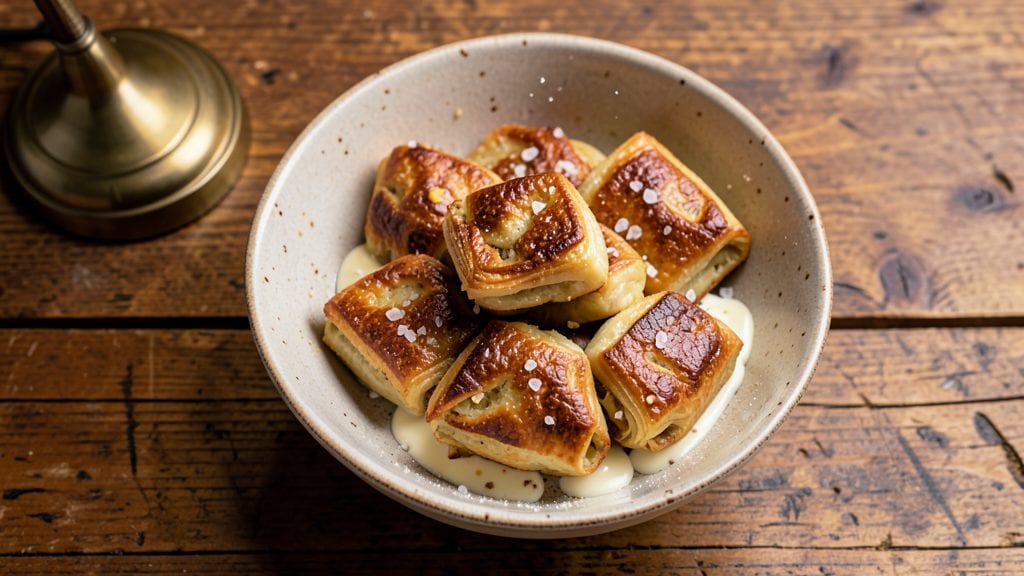
This old-fashioned potato rolls recipe brings back the comforting flavors of grandma’s kitchen—fluffy, buttery dough with a crisp vinegar-kissed crust that’s impossible to resist. The secret lies in a precise balance of flour, cold butter, and a splash of vinegar that creates that signature tender crumb and golden edge.
I’ve perfected this recipe over years of baking, ensuring every roll turns out light, airy, and just slightly tangy.
The dough comes together in minutes with simple ingredients you likely already have: all-purpose flour, cold cubed butter, buttermilk, and a touch of vinegar for that classic tang.
Unlike store-bought versions, these rolls stay soft for hours, with a crust that’s crisp enough to hold up to gravy or butter without turning soggy. The key is cutting the butter into the flour until it resembles coarse crumbs—this creates pockets of fat that melt during baking, locking in moisture.
What you’ll end up with is a batch of homemade potato rolls that rival any bakery’s—golden-brown on top, tender on the inside, and just fragrant enough to make your kitchen smell like Sunday dinner.
These rolls pair perfectly with roasted meats, soups, or even as a side for breakfast. The best part? They’re foolproof, so even if you’re not an experienced baker, you’ll achieve professional results every time.
For extra fluffiness, let the dough rest for 30 minutes before shaping, and brush the tops with melted butter before baking. Serve warm, and watch them disappear faster than you can say “seconds, please.” Let’s get started on making these timeless rolls from scratch.
Ingredients for old fashioned potato rolls
Flour, butter, and vinegar—just three key ingredients transform into golden, tender rolls that taste like home.
| Ingredient | Amount | Notes |
|---|---|---|
| All-Purpose Flour 🌾 | 4 cups | Sifted for light texture |
| Cold Unsalted Butter 🧈 | ½ lb | Cubed, not softened |
| Buttermilk 🥛 | 1 ¼ cups | Room temperature preferred |
| White Vinegar 💧 | 1 tbsp | For tangy crust |
| Granulated Sugar 🍚 | 1 tbsp | Balances tanginess |
| Salt 🧂 | 1 tsp | Kosher or sea salt |
| Dried Active Yeast 🍞 | ¼ tsp | Or 1 packet instant yeast |
| Potato Flakes 🥔 | 2 tbsp | Instant, for moisture |
| Melted Unsalted Butter 🧈 | 1 tbsp | For brushing tops |
The butter is non-negotiable here—cold cubes are essential for that signature flaky texture. Land O'Lakes or Plugrá work perfectly, but any unsalted brand will do. For the flour, King Arthur or Bob's Red Mill are my go-tos—they're reliable for baking. The potato flakes might seem odd, but they add moisture without making the dough sticky. I always grab mine from the baking aisle at Walmart or Target—they're cheap and effective. Skip the vinegar? The crust will lack that classic tang you remember from grandma's kitchen.
No buttermilk? Mix 1 cup milk with 1 tbsp lemon juice or vinegar—let it sit for 5 minutes. Running low on yeast? Active dry yeast works at double the amount. The sugar can be swapped for honey (same amount), but it'll make the crust slightly darker. For extra richness, add 1 tbsp sour cream to the dough. The dough should be slightly tacky but not sticky—if it's too dry, add 1 tsp more buttermilk. If too sticky, chill it 10 minutes before handling.
Shape the rolls quickly—they firm up fast. Keep extras wrapped in a clean kitchen towel at room temp for up to 2 hours. For longer storage, freeze shaped rolls on a tray, then transfer to a bag for 3 months. Thaw overnight in the fridge before baking. The best part? These reheat beautifully—just pop them in a 350°F oven for 5-10 minutes until warm and golden again.
Why You'll Love This Recipe
- No-Fuss Mixing: I swear by the buttermilk and vinegar combo—just stir, let it sit, and no overworking the dough. The cold butter cuts in like butter (literally), making it almost foolproof.
- Sweet-Savory Magic: That touch of sugar in the dough? It’s subtle but chef’s kiss—balances the tangy buttermilk for a roll that’s soft inside, crisp at the edges, and somehow always feels special.
- Sunday Supper Staple: These disappear at Thanksgiving, but I keep them in my weekly rotation too. Freeze half the batch, and boom—homemade rolls for next month’s lasagna or chili night.
- Pantry Goldmine: Flour, butter, buttermilk—ingredients you already own. No fancy substitutions needed, and the leftovers toast up like breakfast the next day. Budget-friendly perfection.
Instructions for old fashioned potato rolls
Here's how to craft these tender, vinegar-kissed rolls with a crisp crust and fluffy interior.
Combine Dry Ingredients for Light Texture
In a large mixing bowl, whisk together the 4 cups all-purpose flour, 1 tablespoon granulated sugar, 1 teaspoon salt, and 0.25 teaspoon dried active yeast. Sift the flour first to eliminate lumps and create a lighter texture. This step ensures even distribution of ingredients throughout the dough. I like to use my fingers to break up any remaining clumps in the flour mixture—this guarantees a smoother dough later.
Next, stir in the 2 tablespoons potato flakes using a fork. These flakes add moisture and create that signature tender crumb. The potato flakes will dissolve slightly as you mix, creating a fine powder that blends seamlessly with the flour. Keep the bowl ready for the wet ingredients—we'll combine everything in the next step.
Cut in Cold Butter for Flaky Layers
Add the 0.5 pound cold unsalted butter, cut into small cubes, to the flour mixture. Using a pastry cutter or two forks, work the butter into the flour until you achieve pea-sized crumbs. This process is called "cutting in," and it's crucial for creating those beautiful flaky layers in your rolls. The butter should remain cold and firm—if it starts to melt, chill the bowl for 10 minutes to reset.
Here's the thing—don't overwork the mixture. You want the butter to coat the flour evenly but not create a smooth dough yet. The ideal texture should resemble coarse sand with some floury bits still visible. This ensures maximum flakiness when the rolls bake. If you're using your hands, pinch a piece of dough between your fingers—it should crumble easily but hold together when pressed gently.
Mix Buttermilk and Vinegar for Tangy Crust
In a separate bowl, whisk together the 1.25 cups buttermilk and 1 tablespoon white vinegar. The vinegar will create a slight curdling effect, which enhances the rolls' tangy flavor and helps develop that signature crisp crust. Let this mixture sit for 2 minutes while you prepare the next step—this gives the vinegar time to fully activate the buttermilk.
With the dough cutter or your hands, gradually incorporate the buttermilk mixture into the flour-butter combination. Start by making a well in the center of the dry ingredients and pouring in about ⅓ of the liquid. Mix gently until combined, then repeat with the remaining liquid. The dough will come together slowly—don't rush this process. When it forms a shaggy mass, turn it out onto a lightly floured surface and knead just until smooth, about 2-3 minutes.
Shape and Rest for Perfect Rise
Divide the dough into 4 equal portions (about 8 ounces each) and shape each into a smooth ball. Place them on a parchment-lined baking sheet, spacing them about 2 inches apart. Cover the baking sheet loosely with plastic wrap and let the dough rest at room temperature for 30 minutes. This initial rest helps relax the gluten and makes shaping easier.
After resting, preheat your oven to 375°F. Brush the tops of each roll with the 1 tablespoon melted unsalted butter using a pastry brush. This creates that golden, crisp crust we're after. Bake for 18-22 minutes until the rolls are golden brown and sound hollow when tapped on the bottom. The interior should be soft and fluffy, with just a slight chew—this is what makes these rolls so special.
Serve Warm with Your Favorite Spread
Remove the rolls from the oven and let them cool on the baking sheet for 5 minutes before transferring to a wire rack. Serve them warm while still slightly steaming—this is when they're at their peak tenderness. The vinegar-kissed crust should be crisp yet tender, with a flaky layer that melts in your mouth.
These old-fashioned potato rolls pair perfectly with butter, honey, or jam. The secret to their success lies in the cold butter and proper resting times—don't skip either step! The rolls will keep well at room temperature for up to 2 days, though I find they're best enjoyed fresh from the oven. Store any leftovers wrapped in a clean kitchen towel to maintain their soft texture.
Pro Tips For Making Old Fashioned Potato Rolls
- CUT BUTTER IN SMALL BATCHES: Work with 1-2 tablespoons of cold butter at a time when mixing into the dough—this keeps it from melting into a greasy mess. I learned this the hard way after ending up with a sticky, unworkable blob that wouldn’t hold its shape.
- LET DOUGH REST 30 MINUTES: Give the dough a full 30 minutes in the fridge before shaping—this relaxes the gluten and makes rolling easier. Skipping this step is how I ended up with dense, crumbly rolls that tasted more like flour than buttermilk biscuits.
- USE FULL VINEGAR MEASURE: Don’t eyeball the white vinegar—measure it precisely (usually 1-2 tablespoons). Too little makes the rolls bland; too much makes them tangy and tough. My first batch was a disaster until I stopped guessing.
- STEAM ROLLS FOR EVEN GOLDEN BROWN: Place a metal tray on the oven rack below the rolls and add ½ cup boiling water when baking—this creates steam for a softer interior and even browning. I was skeptical until I tried it, and now I never bake them dry.
Creative variations of old fashioned potato rolls
Southern-Style Potato Biscuits
Skip the yeast and add 1 cup mashed potatoes (cooled) to replace the potato flakes. Increase the flour to 4.5 cups to compensate for the extra moisture. These Southern-style biscuits stay soft for days and have a slightly denser, heartier texture.
I like to add ½ teaspoon baking powder for extra lift. Brush the tops with butter and honey before baking for a caramelized finish. 🥛
Herb & Garlic Twist
Mix 1 tablespoon chopped fresh rosemary and 2 minced garlic cloves into the dough before shaping. The herbs add an earthy depth that pairs perfectly with roasted meats.
For extra flavor, sprinkle ½ teaspoon garlic powder and ½ teaspoon onion powder into the dry ingredients. These rolls taste amazing with garlic butter or chimichurri sauce. 🌿
Cheesy Potato Rolls
Fold 1 cup shredded sharp cheddar into the dough after mixing the wet ingredients. The cheese melts into the rolls during baking, creating pockets of gooey goodness. For a smoky kick, swap half the cheddar for Monterey Jack.
These cheesy rolls are perfect for breakfast or as a side for chili. Store leftovers in an airtight container—they reheat beautifully in a 350°F oven for 5 minutes. 🧀
Savory Herb & Onion
Add ¼ cup finely chopped red onion and 1 tablespoon dried thyme to the dough for a savory twist. The onions caramelize slightly during baking, adding sweetness. I also like to sprinkle 1 teaspoon smoked paprika into the dry mix for a subtle smokiness.
These rolls pair wonderfully with roasted chicken or beef stew. 🧅
Sweet Cinnamon Rolls
Swap the sugar for 3 tablespoons brown sugar and add 1 teaspoon cinnamon to the dry ingredients. Roll out the dough into a rectangle, spread with ¼ cup cream cheese frosting, then slice into rolls.
Bake as directed, then drizzle with glaze made from powdered sugar and milk. These sweet rolls are a crowd-pleaser for breakfast or dessert. 🍯
Whole Wheat Adaptation
Replace 2 cups all-purpose flour with whole wheat flour for a nuttier, slightly denser roll. Add 1 extra tablespoon potato flakes to compensate for the extra moisture in whole wheat.
These rolls have a heartier texture but still maintain that vinegar-kissed crust. Pair them with spicy gravy or honey butter for a balanced flavor. 🌾
Nutrition facts
Frequently asked questions about old-fashioned potato rolls
Why does this recipe use vinegar?
The vinegar creates that signature tangy flavor and helps develop a crisp, golden crust. It also activates the gluten slightly, giving the rolls a tender yet sturdy texture. Just 1 tablespoon makes all the difference in that classic old-fashioned taste.
Can I make these rolls ahead of time?
Shape the rolls and refrigerate them on a baking sheet for up to 24 hours. When ready to bake, let them sit at room temperature for 30 minutes before brushing with butter. For freezing, bake them first, then cool completely and store in an airtight container for 3 months. Reheat in a 350°F oven for 5-10 minutes to restore freshness.
What if my rolls turn out dense instead of fluffy?
Overworking the dough or skipping the 30-minute rest often causes dense rolls. Make sure to cut the butter into pea-sized crumbs and avoid kneading too much. If the dough feels too sticky, chill it for 10 minutes before shaping. Also, ensure your yeast is fresh—old yeast won't activate properly.
How do I keep these rolls soft for serving?
Store them in an airtight container with a clean kitchen towel to trap moisture. Warm them briefly in a 350°F oven for 3-5 minutes before serving to restore freshness. Avoid refrigerating baked rolls for more than 2 days, as they dry out faster. For extra softness, brush with melted butter right after baking.
Can I substitute buttermilk?
Yes! Mix 1 cup milk with 1 tablespoon lemon juice or vinegar, then let it sit for 5 minutes to curdle. This homemade buttermilk works just as well. If you're in a pinch, plain yogurt or sour cream can replace buttermilk—use the same amount and add 1 extra tablespoon flour to balance moisture.