Side Dishes
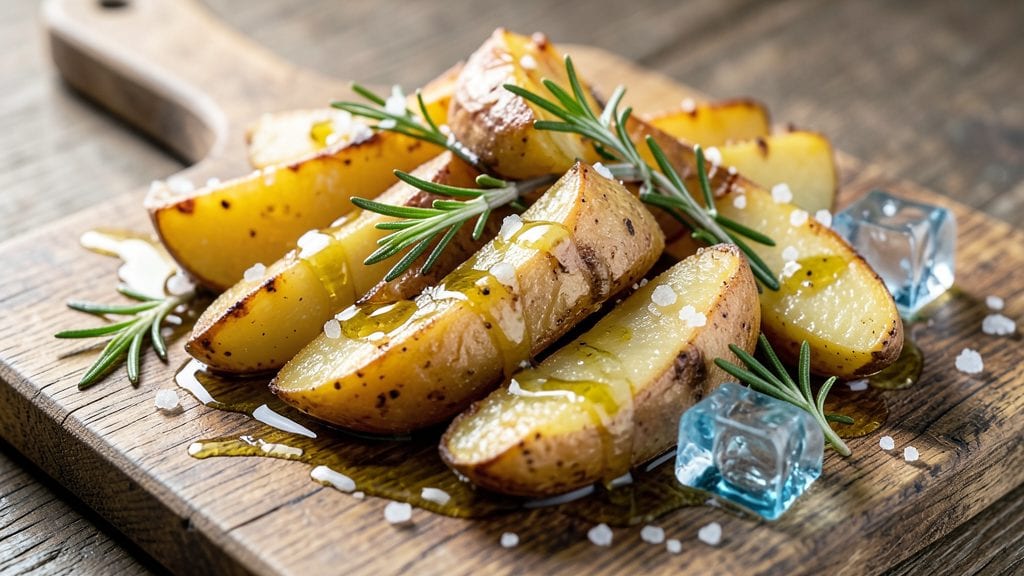
Mastering the art of parboiled potatoes transforms them from bland sides into crisp, fluffy wedges with pink centers—perfect for elevating any meal. The secret lies in precise blanching: boiling potatoes in salted water until tender but still firm, then shocking them in ice water to halt cooking.
This method preserves texture while creating a canvas for flavors like vinegar-kissed edges or herb-infused centers.
What sets this recipe apart is its versatility—whether you're prepping for roasting, frying, or serving as-is, parboiling ensures consistent results every time. The vinegar bath during blanching adds a subtle tang that enhances crispness, while the fluffy pink interior comes from proper doneness.
For professional results, use Yukon Gold potatoes—their waxy texture holds up beautifully to further cooking.
By the time you're done, you'll have potatoes that are golden on the outside and tender on the inside, ready to be roasted, mashed, or served fresh. The technique is foolproof once you nail the timing, and the flavor difference from store-bought sides is night and day.
Let's get started with a method that works for beginners and seasoned cooks alike.
These parboiled potatoes shine as a side for roasts, salads, or even as a base for loaded potato dishes. The key is flexibility—use them immediately for crispy wedges or refrigerate for up to 2 days before finishing.
For extra flavor, toss the blanched potatoes in olive oil, salt, and herbs before roasting. Here's everything you need to know to perfect them.
Ingredients for parboiled potatoes
Nine simple ingredients transform basic potatoes into restaurant-worthy wedges.
| Ingredient | Amount | Notes |
|---|---|---|
| Yukon Gold Potatoes 🥔 | 2 lb | Waxy variety preferred, cut into wedges |
| White Vinegar 🍶 | ¼ cup | For blanching bath, white or apple cider |
| Ice Cubes ❄️ | 4 cups | For shocking potatoes post-boil |
| Kosher Salt 🧂 | 1 ½ tbsp | For boiling water, plus extra for seasoning |
| Extra-Virgin Olive Oil 🫒 | 2 tbsp | For finishing, light fruity variety |
| Fresh Rosemary 🌿 | ¼ cup | Chopped, or dried at 1/4 amount |
| Garlic Cloves 🧄 | 2 cloves | Minced for herb finish, optional |
| Black Pepper 🌶️ | ½ tsp | Freshly cracked for finishing |
| Lemon Juice 🍋 | 1 tbsp | Brightens flavor, optional |
Yukon Golds are non-negotiable here—their waxy texture holds up to the blanching and roasting without turning mushy. Trader Joe's and Whole Foods carry them year-round, but check the produce section for the most vibrant ones. Cut them into even wedges (about 1-inch thick) so they cook uniformly. If you grab a big bag, store the extras in the fridge for up to 1 week—they'll keep better than russets. The vinegar is key for that crisp edge, so don't skimp on the white or apple cider kind. It's the secret weapon for that restaurant-quality crunch.
No vinegar? Lemon juice works in a pinch, but it won't give the same tangy bite. Fresh rosemary is ideal, but dried works at one-quarter the amount—just crush it between your palms first to wake up the flavor. The garlic can be skipped if you're not a fan, but it adds a nice aromatic punch when minced. For extra crispiness, toss the wedges in cornstarch instead of flour before roasting. And if you're prepping ahead, the blanched potatoes keep in the fridge for 2 days—just pat them dry before storing. The ice bath is crucial though—don't skip it, or your potatoes will turn out gummy.
These potatoes reheat beautifully—toss them in the oven at 400°F for 10-15 minutes with a drizzle of olive oil until crispy again. They're perfect for meal prep: portion the blanched wedges into airtight containers with a paper towel to absorb moisture, then finish them fresh when ready to serve. The herb mix (rosemary, garlic, pepper) keeps for 3 days in a sealed jar, so make extra for other dishes. And if you're serving them immediately, the vinegar bath can double as a quick pickle—just toss the wedges in it for 5 minutes before draining.
Why You'll Love This Recipe
- No-Peel Hassle: I swear by this trick—just toss whole Yukon Golds into boiling water with vinegar, and the skins slip right off. No peeling, no mess, just perfect potatoes every time.
- Crispy-Creamy Magic: The ice bath after boiling? That’s what turns them into buttery, golden edges with fluffy centers. Drizzle with olive oil and salt, and you’ve got restaurant-quality texture in minutes.
- Game for Any Meal: Cold in salads, warm in bowls, or straight from the pan with dinner—these potatoes adapt like a chameleon. Honestly, I keep a batch in the fridge for days just to toss into whatever I’m craving.
- Budget Stretch: A single bag of Yukon Golds turns into three meals: roasted, mashed, or as a side. Between us, this is my secret for stretching groceries without sacrificing taste. (Yes, even on a Tuesday night.)
Step-by-step instructions for vinegar-kissed crisp potato wedges
Here's how to make perfectly parboiled potatoes with crisp edges and fluffy centers—every time.
Cut and Blanch the Potatoes
Start by cutting the 2 lb Yukon Gold Potatoes into 1-inch wedges, leaving the skin on for texture. Place them in a large pot and cover with cold water by about 1 inch. Add the 0.25 cup white vinegar and the 1.5 tbsp kosher salt to the water—this helps preserve color and prevents browning.
Bring the water to a rolling boil over high heat. Once boiling, reduce heat to medium-high and let the potatoes blanch for 5-6 minutes until they're fork-tender but still slightly firm to the bite. You want them to hold their shape but start softening inside. Drain immediately and transfer the wedges to a large bowl.
Shock in Ice Water
Fill another large bowl with the 4 cups ice cubes and a little cold water. Add the blanched potatoes and let them sit for 3-4 minutes until completely chilled. This shocking step stops the cooking process and helps maintain their shape while preventing overcooking.
Drain the potatoes again and give them a gentle shake to remove excess water. The wedges should be cool to the touch and firm. This step is crucial—if you skip it, your potatoes might continue cooking unevenly in the oven.
Season and Roast for Crispy Perfection
Preheat your oven to 425°F. In a large bowl, toss the drained potato wedges with the 2 tbsp extra-virgin olive oil, the 0.25 cup chopped fresh rosemary, and the 0.5 tsp black pepper. Make sure every wedge is evenly coated—this ensures maximum crispiness and flavor.
Spread the potatoes on two rimmed baking sheets in a single layer, leaving space between them. Roast for 25-30 minutes, flipping halfway through, until the edges are golden brown and crispy while the centers remain tender. You'll know they're done when they're deeply browned with a slight char in spots.
Finish with Garlic and Lemon
Remove the potatoes from the oven and transfer them to a serving dish. Sprinkle with the 2 minced garlic cloves and the 1 tbsp lemon juice, tossing gently to combine. The acidity of the lemon brightens the flavors while the garlic adds a savory depth that ties everything together.
Let them rest for 2-3 minutes before serving. The potatoes should be crisp on the outside with a fluffy, pink interior that's still slightly firm. Serve immediately while they're hot—these wedges are best enjoyed fresh from the oven.
Pro Tips For Making Parboiled Potatoes
- USE A POT LARGER THAN YOU THINK: Yukon Golds swell more than you’d guess—crowd them, and you’ll end up with mushy, unevenly cooked potatoes. Go for a pot at least 2 inches taller than your stacked spuds, or worse, they’ll fight for space and turn to glue. I learned this the hard way after a batch of sad, split potatoes that looked like overcooked gnocchi.
- SALT THE WATER LIKE THE OCEAN: Skip the "lightly salt" advice—this isn’t a delicate poach. Aim for 1½ tablespoons kosher salt per quart of water. The vinegar’s tang needs that salt to cut through, and the potatoes deserve bold flavor from the start. Under-salted water tastes bland, and you’ll compensate later with more oil or butter, which is just lazy.
- ICE THE POT IMMEDIATELY: Drain the potatoes, then plunge the pot into an ice bath (or add ice cubes directly) for 2–3 minutes. This stops the cooking, locks in texture, and keeps them from turning into sad, mealy mush. I know it feels like overkill, but trust me—your future salad or roast will thank you. (Yes, even if you’re impatient like me.)
- DON’T SKIP THE VINEGAR RINSE: After boiling, rinse the potatoes under cold water to remove residual starch—it’s the gummy film that makes everything stick. Then, toss them in a bowl with 1–2 tablespoons white vinegar and a glug of olive oil. This isn’t just for flavor; it’s the secret to crispy roasts or a salad that doesn’t clump like wet cardboard. Sounds weird, but it works.
Storing and reheating this parboiled potatoes
Refrigerator Storage
Parboiled potatoes store beautifully in the fridge for up to 2 days when handled properly. After blanching and shocking, pat them thoroughly dry with a kitchen towel—moisture is the enemy of crispiness. Transfer to an airtight container with a paper towel on top to absorb any lingering dampness.
I use glass Pyrex containers because they let me see the wedges and prevent sogginess better than plastic. 🥔
For maximum freshness, keep them in the coldest part of your fridge (usually the bottom shelf) where temperatures stay around 38-40°F. If storing for longer than 1 day, sprinkle with ½ tsp salt and 1 tsp olive oil before sealing to maintain texture.
These prepped wedges are perfect for meal prep—just roast straight from the fridge at 425°F for 20-25 minutes without thawing.
Freezer Prep
While I don’t recommend freezing fully cooked potato wedges (they lose texture), you can freeze blanched potatoes for up to 3 months if you’re planning ahead. After shocking, pat them completely dry and toss with 1 tbsp cornstarch (this prevents sticking).
Spread them in a single layer on a baking sheet and freeze until solid, then transfer to a freezer bag with parchment paper between layers. 🧊
When ready to use, roast from frozen at 425°F for 35-40 minutes, flipping halfway. The cornstarch creates a crispy exterior even when reheating. Label your bags with the date—trust me, you’ll forget these are in there until you need them in a pinch!
Oven Reheating
For the crispiest results, reheat parboiled potatoes in the oven. Preheat to 425°F and toss the wedges with 1 tbsp olive oil and ½ tsp salt. Spread them on a baking sheet in a single layer and roast for 15-20 minutes, flipping once, until golden and crispy.
The high heat reactivates the Maillard reaction for that fresh-from-the-oven crunch. 🔥
If your potatoes seem dry after reheating, drizzle with 1 tsp warm water or lemon juice before serving to restore moisture. For extra flavor, sprinkle with fresh herbs or a pinch of smoked paprika while reheating. This method works for both refrigerated and frozen blanched potatoes.
Microwave Shortcut
When you’re in a rush, the microwave works—but expect less crispiness. Place the wedges on a microwave-safe plate, cover with a damp paper towel, and heat on high for 2-3 minutes.
Stir halfway to ensure even warming. Finish with a quick broil in the oven for 2-3 minutes to restore some crunch if possible. 💡
For best results, microwave only small batches (about ½ cup wedges at a time) to prevent steaming. Add a splash of broth or water if they seem too dry. This method is ideal for quick lunches or when you’re serving a crowd and need to reheat multiple servings efficiently.
Nutrition facts
Frequently asked questions
Why do you parboil potatoes before roasting?
Parboiling creates the perfect foundation for crispy wedges with fluffy centers. The initial blanching in vinegar and salt water removes excess starch, preventing soggy potatoes while preserving their shape. This technique also helps develop that signature pink interior and crispy exterior when roasted later. It's the secret behind restaurant-quality texture!
Can I use regular potatoes instead of Yukon Gold?
While you can use russet or red potatoes, Yukon Golds are ideal because their waxy texture holds up perfectly to both blanching and roasting. Russets will turn out fluffier but may not get as crispy. For best results, stick with Yukon Golds—they're the gold standard for this method and stay firm while developing that beautiful pink center.
What if my potatoes turn out mushy after blanching?
Mushy potatoes usually mean they were overcooked during blanching. For perfect results, test doneness after 5 minutes—they should be fork-tender but still slightly firm. If they're too soft, reduce blanching time by 1 minute next time. The ice water shock is also critical—skip it, and your potatoes will continue cooking unevenly. Always use cold water for blanching and shock them immediately after draining.
How do I make these potatoes ahead for a dinner party?
Parboiled potatoes are perfect for meal prep! Blanch and shock them up to 2 days ahead, then store in an airtight container with a paper towel. Before serving, toss with oil and herbs, then roast straight from the fridge at 425°F for 25-30 minutes. For extra flavor, add a sprinkle of smoked paprika or fresh thyme during reheating. This method saves time while keeping your sides restaurant-fresh.
What's the best way to serve these parboiled wedges?
These versatile wedges shine as a side for roasted meats, grilled fish, or even as a base for loaded potato salads. For extra flair, drizzle with garlic aioli or sprinkle with crumbled feta and fresh parsley. They also make fantastic breakfast hash—just add fried eggs and hot sauce! The crispy edges and fluffy centers work equally well in warm or cold dishes.