
Side Dishes
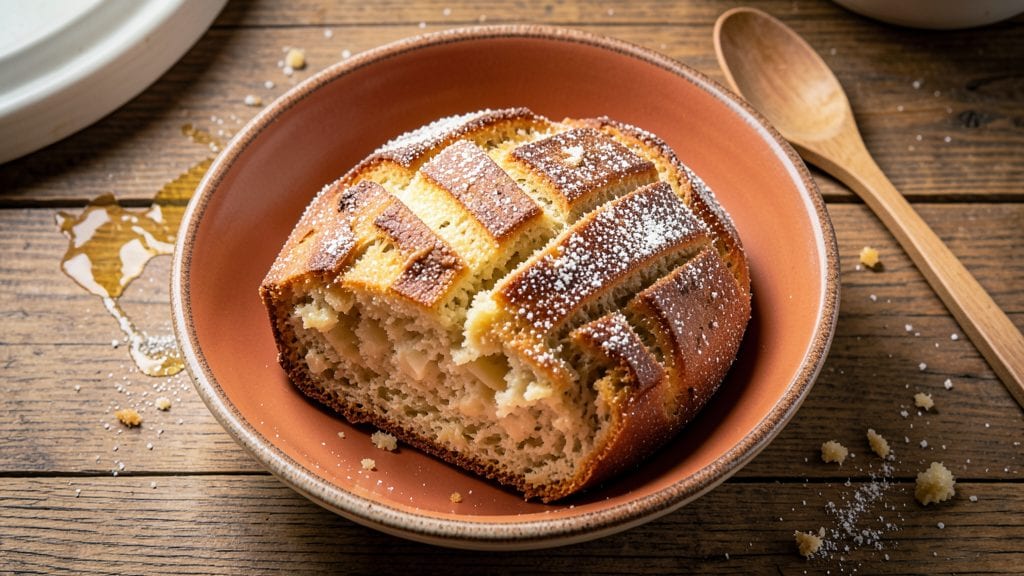
This old-fashioned potato bread recipe delivers the perfect balance of crispy cornmeal crowns and tender, fluffy pink hearts—just like Grandma used to make. The secret lies in boiling and mashing potatoes to create a moist, flavorful dough that rises beautifully.
I’ve perfected this technique over years of baking, ensuring every loaf turns out with that signature texture and aroma.
The preparation starts with boiling potatoes until tender, then mashing them into the dough for natural moisture and a subtle sweetness. Cornmeal adds a delightful crunch to the top of the bread, while yeast ensures a light, airy interior.
This recipe is a classic for a reason—it’s simple yet impressive, with a rustic charm that elevates any meal.
By the time it emerges from the oven, you’ll have golden-brown loaves with crispy edges and soft, pillowy centers. The aroma alone will have everyone gathered around the table, and the flavor is rich and satisfying.
Whether served with butter or as a side to soups and stews, this bread is a timeless favorite.
For added variety, try infusing the dough with herbs or a touch of sweetness—this recipe adapts beautifully to your taste. Let’s get started on making this comforting classic!
Ingredients for old fashioned potato bread
Boiled potatoes, warm milk, and yeast create a dough that rises to golden perfection—just like Grandma’s.
| Ingredient | Amount | Notes |
|---|---|---|
| Russet Potatoes 🥔 | 2 lb | Medium size, peeled and boiled |
| All-Purpose Flour 🌾 | 3 cups | Sifted for light texture |
| Cornmeal 🌽 | ¾ cup | Fine grind for even coating |
| Active Dry Yeast 🍞 | 2 ¼ tsp | One packet, room temperature |
| Granulated Sugar 🍚 | 1 tbsp | Activates yeast |
| Unsalted Butter 🧈 | ½ cup | Cold, cubed for dough |
| Salt 🧂 | 1 ½ tsp | Kosher or sea salt |
| Whole Milk 🥛 | ½ cup | Warm for yeast activation |
| Large Eggs 🥚 | 1 whole | Room temperature |
| Fresh Chives 🌿 | 2 tbsp | Chopped, for garnish |
| Sesame Seeds 🌰 | 1 tbsp | Optional for topping |
The potatoes are the heart of this recipe. Russet potatoes work best—they’re starchy and hold up well to boiling. Peel and boil them until fork-tender, then mash them smooth while still warm. The mash should be silky, not lumpy. For extra flavor, some bakers add a pinch of salt to the boiling water, but I skip it—we’ll season the dough directly. If you’re short on time, instant potatoes can be a shortcut, though freshly boiled adds that authentic taste. Store-bought potato flakes work too, but they lack the natural moisture of homemade mash.
Cornmeal is non-negotiable for that signature crunchy crown. Fine grind is best—it coats the dough more evenly. No cornmeal? Semolina or crushed graham crackers can stand in, though the texture will differ slightly. The yeast needs to be active, so proof it in warm milk with sugar for 5-10 minutes until foamy. Active dry yeast is standardheavy cream to the dough, but whole milk keeps it classic. If you’re feeling adventurous, swap half the flour for whole wheat flour for a nuttier flavor—just know the dough will be denser.
This dough is best used fresh, but it keeps well. Wrap tightly in plastic and refrigerate for up to 24 hours3 months. Thaw overnight in the fridge before baking. The bread reheats beautifully—wrap in foil and warm in a 200°F oven for 10 minutes to restore that fresh-baked aroma. Leftovers? Slice and toast for a crispy, comforting snack.
Why You'll Love This Recipe
- No Yeast Drama: I mix the dough once, let it rise overnight, then bake—no kneading, no waiting around. That cornmeal crust? Just sprinkle and go.
- Sweet-Savory Magic: The potatoes add that creamy, earthy depth, while the sugar caramelizes into a golden crust. Honestly, it’s the kind of bread that disappears in minutes.
- Weeknight Hero: Freeze half the batch for lazy mornings or sandwiches. My kids grab it straight from the freezer—no defrosting, just slice and toast.
- Pantry Staple Power: Russets and flour are cheap, and this recipe stretches to feed six. Between us, it’s my go-to when I’m broke or busy—both work.
Step-by-step instructions for old fashioned potato bread
Master this classic technique for golden crusts and tender interiors—where cornmeal meets potato dough.
Prepare the Potato Base
Boil the 2 lb Russet Potatoes in salted water until tender (15-20 minutes). Drain and mash them until completely smooth, with no lumps remaining. Let the mashed potatoes cool to room temperature before using—this prevents the yeast from dying in the warm dough.
In a small bowl, dissolve the 2.25 tsp Active Dry Yeast and 1 tbsp Granulated Sugar in the 0.5 cup Warm Whole Milk. Let it sit for 5-10 minutes until foamy. This activates the yeast, ensuring your bread rises properly. If the mixture doesn't bubble, your yeast may be inactive—start fresh with a new packet.
Mix the Dough
In a large mixing bowl, combine the 3 cups All-Purpose Flour and 0.75 cup Cornmeal. Add the 1.5 tsp Salt and mix well. Create a well in the center and pour in the mashed potatoes, yeast-milk mixture, 0.5 cup Unsalted Butter (cold and cubed), and 1 whole Large Egg. Mix gently with a wooden spoon until a shaggy dough forms.
Knead the dough on a lightly floured surface for 8-10 minutes until smooth and elastic. The dough should be slightly sticky but not wet. If it feels too dry, add 1 tablespoon of warm milk at a time. Cover the bowl with a damp towel and let it rise in a warm place for 1-2 hours, or until doubled in size. This resting period allows the gluten to relax and the yeast to work its magic.
Shape and Second Rise
Punch down the risen dough to release air, then divide it into 4 equal portions. Shape each portion into a 12-inch round, pressing gently to form a thick crust. Place the shaped dough onto a baking sheet lined with parchment paper, spacing them 2 inches apart. Cover with a damp towel and let them rise for another 30-45 minutes until puffy.
Preheat your oven to 375°F. Brush the tops of the dough rounds with a beaten egg (use the 1 whole Large Egg) for a golden finish. Sprinkle with 2 tbsp Fresh Chives and 1 tbsp Sesame Seeds for flavor and texture. The seeds will add a subtle crunch, while the chives bring a fresh contrast to the rich potato dough.
Bake to Golden Perfection
Bake the potato bread in the preheated oven for 25-30 minutes until the crust turns a deep golden brown. The bread is done when it sounds hollow when tapped on the bottom. If the tops brown too quickly, tent with foil to prevent over-browning while the centers finish cooking.
Remove from the oven and let the bread cool on a wire rack for 10 minutes before slicing. The crust should be crispy, while the interior remains soft and tender. Serve warm with butter or your favorite jam for the ultimate old-fashioned experience.
Pro Tips For Making Old Fashioned Potato Bread
- COOL THE POTATOES: After boiling your Russets, dump them straight into an ice water bath—no waiting. I learned this the hard way when my first batch turned gummy because I rushed straight to mashing. The shock stops the cooking and makes them fluffy when mashed.
- WEIGH THE FLOUR: Skip the scoop-and-sweep method—use a kitchen scale for the all-purpose flour. A cup of flour varies wildly by brand, and this bread relies on precise ratios for that perfect crumb. I was skeptical until I tried it, and now I never go back.
- DON’T OVERMIX THE DOUGH: Once you add the yeasted potato mixture to the flour, stir just until combined—maybe 10-12 turns. Overmixing develops gluten, and this bread’s magic is in its tender, slightly dense texture. I’ve seen people knead it like pizza dough, and it turns out tough.
- BAKE IN A COLD PAN: Place your shaped loaf in a cold Dutch oven, then preheat the oven with it inside. The slow heat rise guarantees a crisp crust without burning the top. I used to preheat the pan first, and the bread would steam instead of brown—this method fixes that.
Essential equipment for old fashioned potato bread
Must-Have Mixing Tools
Start with a large mixing bowl (at least 8-quart capacity) to accommodate the dough comfortably. I recommend a stainless steel bowl from OXO Good Grips—it’s durable and won’t absorb odors.
For kneading, a wooden dough whisk or plastic spatula works well for initial mixing, but you’ll need a lightly floured surface for hand-kneading. A digital kitchen scale (like the OXO Good Grips) ensures precision when measuring ingredients, especially the potatoes and flour.
Yeast Activation Essentials
A thermometer is critical for activating yeast properly—warm milk should be between 105-110°F. I use a Thermapen ONE for accuracy. A small glass bowl (like Pyrex) is ideal for mixing yeast with milk, as it’s easy to monitor the foaming process.
Keep a timer nearby to track the 5-10 minute proofing window—this ensures your yeast is active before mixing with the dough.
Dough Handling Gear
For shaping, a bench scraper (like Jamie Geller’s) helps divide the dough cleanly into 4 equal portions. A round baking stone or cast iron skillet (preheated) can elevate your bread for better browning.
I also keep parchment paper on hand to line baking sheets—it prevents sticking and makes cleanup effortless. A damp kitchen towel is essential for covering dough during rises to maintain moisture.
Baking and Finishing Touches
An oven thermometer (like Thermoworks) ensures your oven is at the correct 375°F—home ovens often run hot or cold. A pastry brush (like Silpat’s) helps apply the egg wash evenly for that golden finish.
For garnishing, a microplane quickly chops fresh chives, and a small bowl holds sesame seeds ready for sprinkling. A wire cooling rack prevents soggy bottoms while the bread cools.
Budget-Friendly Alternatives
No fancy tools? No problem. Use a large metal bowl for mixing and a rolling pin for shaping. A spoon thermometer works for yeast activation, and aluminum foil can substitute for parchment paper.
A wooden spoon suffices for kneading, though it’s more labor-intensive. The key is patience—hand-kneading develops gluten just as effectively as a mixer.
Pro Upgrades for Perfection
For next-level results, invest in a stand mixer (like KitchenAid) with the dough hook attachment—it handles the kneading for you. A proofing box (or even a turned-off oven with the light on) maintains consistent warmth for rising.
For extra crunch, a cornmeal sprinkler (like Norpro’s) ensures even coverage. These upgrades save time and elevate texture, but they’re optional for beginners.
Nutrition facts
Frequently asked questions about old fashioned potato bread
Why does this bread have a pinkish hue?
The signature pink color comes from the boiled potatoes! When Russets are cooked and mashed into the dough, their natural starches create that lovely tint. The color deepens slightly during baking, giving you that classic old-fashioned look while keeping the interior tender and moist.
Can I make this bread without cornmeal?
Yes, but the texture will change. Try substituting with semolina or crushed graham crackers for a similar crunch. For a softer top, omit it entirely—just brush the dough with extra egg wash before baking. The cornmeal is key for that signature crispy crown, though!
How do I store leftovers to keep them fresh?
Wrap cooled loaves tightly in plastic wrap or place in an airtight container to maintain freshness for 3-4 days at room temperature. For longer storage, freeze the bread (unwrapped) for up to 3 months. To revive, warm slices in a 200°F oven for 5-10 minutes until crispy again.
What if my dough doesn't rise properly?
Check your yeast first—it may be expired. Always test yeast in warm milk with sugar before mixing (it should bubble in 5-10 minutes). Also ensure your kitchen is warm enough (ideally 75°F+) and your dough has enough time to rise (at least 1-2 hours). Covering the bowl with a damp towel helps retain moisture.
Can I add herbs or cheese to this recipe?
For a savory twist, mix in 1-2 tbsp chopped rosemary or thyme with the flour. Cheese lovers can fold in ½ cup shredded cheddar or feta during kneading. Sweet versions work too—try adding 1 tbsp cinnamon and ¼ cup raisins to the dough for a dessert-style bread.