Desserts
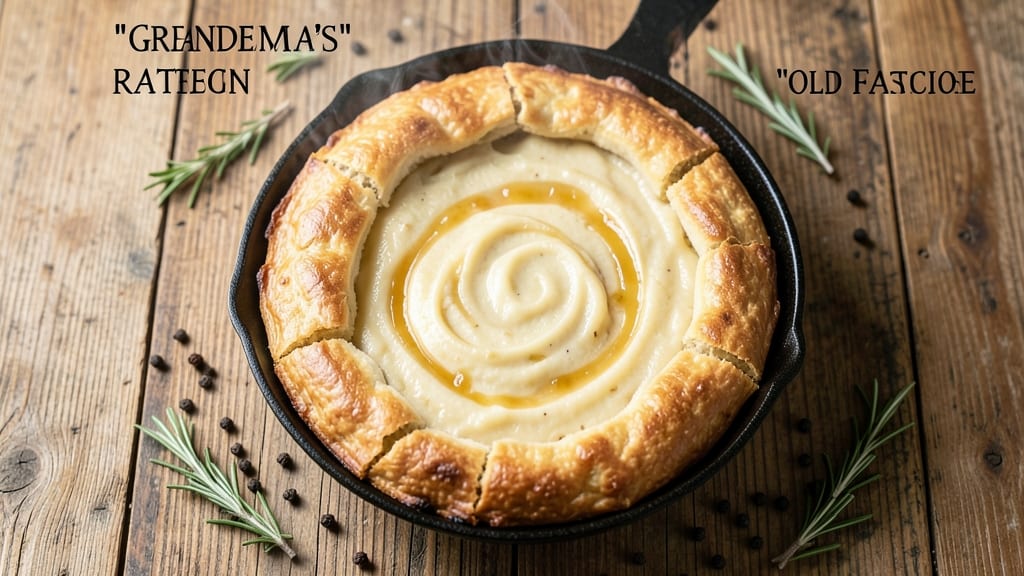
Grandma's old-fashioned potato pie recipe brings back the warmth of family gatherings with every flaky, golden crust and spiced filling.
The secret to this comforting dessert lies in the perfect balance of creamy mashed potatoes, rich butter, and just the right amount of nutmeg and cinnamon—seasonings that transport you straight to Grandma's kitchen.
I've been perfecting this recipe for years, ensuring every slice delivers that nostalgic, homey taste that makes it worth the effort.
What sets this potato pie apart is its traditional technique: a flaky crust that's neither too thick nor too thin, and a filling that's rich but not heavy, with just enough sweetness to satisfy.
The crust gets its signature flakiness from cold butter cut into the flour, while the filling relies on properly cooked potatoes and a precise blend of spices. This isn't just dessert—it's a piece of culinary history, passed down through generations.
By the time it emerges from the oven, you'll have a pie with a golden, crackly crust that gives way to a velvety filling, still warm and inviting. The aroma alone will have everyone gathering around the table, and each bite will taste like a hug from your favorite grandmother.
This is the kind of dessert that feels like a celebration, no matter the occasion.
Serve it warm with a dollop of whipped cream or a scoop of vanilla ice cream for the full experience. Leftovers keep beautifully in the fridge for up to five days, though I doubt they'll last that long. Here's how to bring this classic back to your kitchen.
Ingredients for grandma's old fashioned potato pie
Grandma's pantry staples plus a few key tricks for that nostalgic potato pie flavor.
| Ingredient | Amount | Notes |
|---|---|---|
| Russet Potatoes 🥔 | 4 lb | Yukon gold for creamier texture |
| Unsalted Butter 🧈 | 1 ½ cups | Cold, cut into pieces (1/2 cup) |
| All-Purpose Flour 🌾 | 2 ½ cups | Sifted, plus extra for dusting |
| Granulated Sugar 🍚 | ¾ cup | Light brown sugar for depth |
| Large Eggs 🥚 | 2 whole | Room temperature for binding |
| Heavy Cream 🥛 | 1 cup | Full-fat for richness |
| Whole Milk 🥛 | ½ cup | Warmed for smoother filling |
| Ground Nutmeg 🌿 | ½ tsp | Freshly grated preferred |
| Ground Cinnamon 🌶️ | 1 ½ tsp | Ceylon for delicate flavor |
| Salt 🧂 | 1 ½ tsp | Diamond Crystal preferred |
| Black Pepper 🌶️ | ½ tsp | Freshly cracked for warmth |
| Vanilla Extract 🍯 | 1 tsp | Pure Madagascar bourbon |
| Ice Water 💧 | ¼ cup | For dough elasticity |
The potatoes are everything—Russets for flake, Yukon Goldslocal farms often have better quality. Boil them until fork-tender, then mash with butter while still hot. Don't skip the butter—it's what makes the filling velvety. For the crust, cold butter cut into flour is non-negotiable. Cut it into pea-sized pieces, not chunks. And use Diamond Crystal salt
No Yukon Golds? Russets work fine—just expect slightly drier texture. Short on butter? Olive oil at half the amount keeps things flaky, but you'll notice the difference. The spices are where this pie gets its magic—Ceylon cinnamon is gentler than regular, but cassia works too. For nutmeg, fresh is best, but if you've got the ground kind, toast it lightly in a dry pan first to wake up the flavor. The vanilla extract? Imitation smells like perfume—splurge on the real stuff. This pie tastes even better the next day, so bake ahead if you can. Store leftovers covered at room temp for 2 days, or 5 days in the fridge. For longer storage, wrap tightly in foil and freeze for up to 3 months. Reheat slices in a 350°F oven for 10 minutes—they'll be warm and crispy again. And if anyone asks, whipped cream is mandatory.
Why You'll Love This Recipe
- One-Bowl Wonder: I swear by this recipe because you just mash, mix, and bake—no fancy layers or fussing. Russets get boiled, mashed with butter and eggs, then folded into flour and sugar until it’s silky smooth. Honestly, the hardest part is waiting for it to set.
- Sweet-Savory Magic: That buttery crust and creamy potato filling? It’s like dessert and dinner had a lovechild. The sugar caramelizes just enough to balance the richness, while the eggs give it that velvety texture that makes every bite worth it.
- Leftovers for Days: Between us, this pie tastes even better the next day—cold slices for lunch? Yes, please. The crust stays crisp, the filling holds together, and I’ve reheated portions in the oven for breakfast all week without a single complaint.
- Budget-Friendly Feast: Five ingredients, zero specialty items, and it feeds a crowd. Russets are cheap, flour and sugar last forever, and butter stretches further than you’d think when you’re baking in bulk. My college roommates called it “the poor man’s pie”—but they’re the ones who kept asking for seconds.
Step-by-step instructions for Grandma's old-fashioned potato pie
Here's how to create that perfect balance of flaky crust and spiced filling—just like Grandma used to make.
Prepare the Flaky Crust
In a large bowl, combine the 1.5 cups unsalted butter (cold, cut into pieces) with the 2.5 cups all-purpose flour and 1.5 teaspoons salt. Use a pastry cutter or your fingers to work the butter into the flour until the mixture resembles coarse crumbs with some pea-sized butter pieces remaining. This texture is key for flaky layers.
Gradually add the 0.25 cup ice water, one tablespoon at a time, mixing gently with a fork until the dough just comes together. Be careful not to overwork it—handle only until it forms a shaggy mass. Press the dough into a disk, wrap it in plastic, and chill for at least 1 hour (or up to 2 days). Chilling relaxes the gluten, preventing shrinking and ensuring a tender crust.
Make the Creamy Potato Filling
While the dough chills, peel and slice the 4 lb russet potatoes into ¼-inch thick rounds. Boil them in salted water for 10-12 minutes until fork-tender but not falling apart. Drain well and mash them until completely smooth—no lumps. Let them cool slightly before proceeding.
In a separate bowl, whisk together the 2 whole large eggs, 1 cup heavy cream, 0.5 cup whole milk, 0.75 cup granulated sugar, 1.5 teaspoons ground cinnamon, 0.5 teaspoon ground nutmeg, 0.5 teaspoon black pepper, and 1 teaspoon vanilla extract. Gradually fold this mixture into the mashed potatoes until fully combined. The filling should be thick but pourable—like a rich, spiced custard.
Assemble and Bake the Pie
Preheat your oven to 375°F. Roll out the chilled dough on a floured surface to fit an 9-inch pie dish, leaving a 2-inch overhang on the sides. Gently fold the overhang under itself to create a decorative edge. Pour the potato filling into the crust, smoothing the top with a spatula.
Bake for 50-55 minutes until the crust is deep golden brown and the filling is set but still slightly jiggly in the center. If the edges brown too quickly, cover them with aluminum foil. The pie is done when it springs back slightly when touched and the filling reaches 170°F internally. Let it cool for at least 2 hours before slicing—this allows the filling to fully set and develop its rich flavor.
Serve with Confidence
Once cooled, run a sharp knife around the edges to separate the pie from the dish. Slice into wedges and serve warm or at room temperature. The crust should be crisp and flaky, while the filling remains velvety smooth with just a hint of spice. For extra flair, dust with a pinch of ground cinnamon or serve with a dollop of whipped cream on the side.
This pie keeps well in the refrigerator for up to 4 days, though I doubt it'll last that long in your house. The flavors only deepen as it sits, making it perfect for holiday gatherings or cozy family dinners.
Pro Tips For Making Grandma'S Old Fashioned Potato Pie
- BOIL POTATOES UNTIL TENDER: I learned this the hard way—undercooked potatoes in pie? You’ll feel every bite. Test with a fork: it should slide in like butter, not fight you. If they’re still firm after 15 minutes, they’re not done.
- USE COLD BUTTER FOR FILLING: This isn’t the prettiest method, but it’s the tastiest. Cream cold butter into the mashed potatoes first—it prevents greasy separation and keeps the texture smooth. (Yes, even if you’re impatient like me.)
- SKIP THE OVERMIXING: After burning three batches of crust, I finally figured out: once the flour-butter mixture forms clumps, stop. Overworking it makes the crust tough. Press it gently into the pan—just enough to hold together.
- BAKE AT 350°F, NOT HIGHER: Sounds weird, but it works: a slow bake (45–50 minutes) lets the filling set evenly without cracking. If you crank the heat, the top browns too fast while the center stays doughy. Patience here guarantees a creamy, golden pie.
Pro cooking tips for this recipe
Butter Cutting Technique
The secret to a flaky crust starts with how you handle the butter. Cut 1.5 cups unsalted butter into pea-sized pieces—not chunks—using a sharp chef's knife or pastry cutter. Keep the butter cold by chilling it for 30 minutes before cutting.
Work quickly to avoid melting, and use the two-fork method to distribute butter evenly through the flour. This creates those signature layers that make every bite irresistible. 🧈
Potato Mashing Mastery
Your filling's texture depends on perfectly mashed potatoes. After boiling 4 lbs russet potatoes until fork-tender, drain them well and mash with ½ cup unsalted butter while still hot. For ultra-smooth filling, press the potatoes through a fine-mesh sieve or use a potato ricer.
Let the mash cool to room temperature before mixing with other ingredients—this prevents the eggs from scrambling. I like to add a splash of warm milk at this stage for extra creaminess. 🥔
Spice Toasting Trick
Warm up your spices before adding them to the filling for deeper flavor. Lightly toast ½ tsp ground nutmeg and 1.5 tsp cinnamon in a dry skillet over low heat for 30 seconds until fragrant.
Let them cool completely before mixing into the potato filling. This simple step amplifies their natural warmth and aroma, making your pie taste like it's been simmering for hours. 🌶️
Dough Chilling Hack
Never skip chilling the dough! After forming the disk, wrap it tightly in plastic and refrigerate for at least 1 hour (up to 2 days). For extra insurance, freeze the dough for 20 minutes before rolling.
Cold dough prevents shrinking and ensures a tender, flaky crust. I like to use a pie crust weight or dried beans in the bottom crust to prevent sogginess while baking—just remove them before adding the filling. ❄️
Filling Consistency Check
The perfect potato pie filling should be thick but pourable—like a rich custard. If your filling is too thick after mixing, whisk in 1-2 tbsp warm milk until it reaches a pudding-like consistency.
Test by dropping a spoonful onto a plate: it should hold its shape but still jiggle slightly. This ensures a smooth texture that's neither runny nor dense. A kitchen scale helps here—aim for about 3.5 lbs of finished filling. 💡
Baking Time Precision
Bake your pie at 375°F for 50-55 minutes, but don't rely solely on time. The pie is done when the crust is deep golden brown and the filling reaches 170°F internally. If the edges brown too quickly, cover them with aluminum foil and continue baking.
For extra insurance, place a pie shield under the crust during the first 20 minutes of baking. This prevents over-browning while keeping the filling perfectly set. 🌡️
Nutrition facts
Frequently asked questions
Can I make this potato pie without a pie crust?
For a no-crust version, simply pour the filling into a greased 9x9-inch baking dish and bake at 350°F for 40-45 minutes until set. Cover with foil if the top browns too quickly. This works especially well for potlucks or when you want a simpler presentation. The texture will be more like a custard, but still delicious with a sprinkle of cinnamon on top.
How do I fix a soggy bottom crust?
Prevent sogginess by using one of these methods:
- Pre-bake the crust for 10 minutes at 375°F before adding filling, or
- Place a pie crust weight or dried beans in the bottom crust during baking, then remove before filling. If your crust is already soggy, try reheating slices in a 350°F oven for 10 minutes with a slice of bread on top to crisp the bottom.
Can I substitute sweet potatoes for russets?
Yes, but you'll need to adjust the seasoning. Sweet potatoes have a naturally sweeter, earthier flavor, so reduce the sugar to ½ cup and add ½ tsp extra cinnamon. Also, sweet potatoes require 15-20 minutes longer to cook. For best results, use a mix of 2 lbs russets and 2 lbs sweet potatoes to balance the flavors.
Why did my pie filling curdle?
Curdling happens when eggs cook too quickly or the filling gets too hot. Always let mashed potatoes cool to room temperature before mixing with eggs, and avoid overmixing. If your filling curdles during baking, remove it from the oven immediately and let it cool completely before serving. The texture will be grainy but still edible—just avoid adding extra liquid to fix it.
How can I make this pie ahead of time?
This pie actually tastes better the next day! Assemble it completely (including the crust) and refrigerate for up to 24 hours before baking. For longer storage, wrap the baked pie tightly in foil and freeze for up to 3 months. Thaw overnight in the fridge before serving. Reheat slices in a 350°F oven for 10 minutes to restore crispiness.