Side Dishes
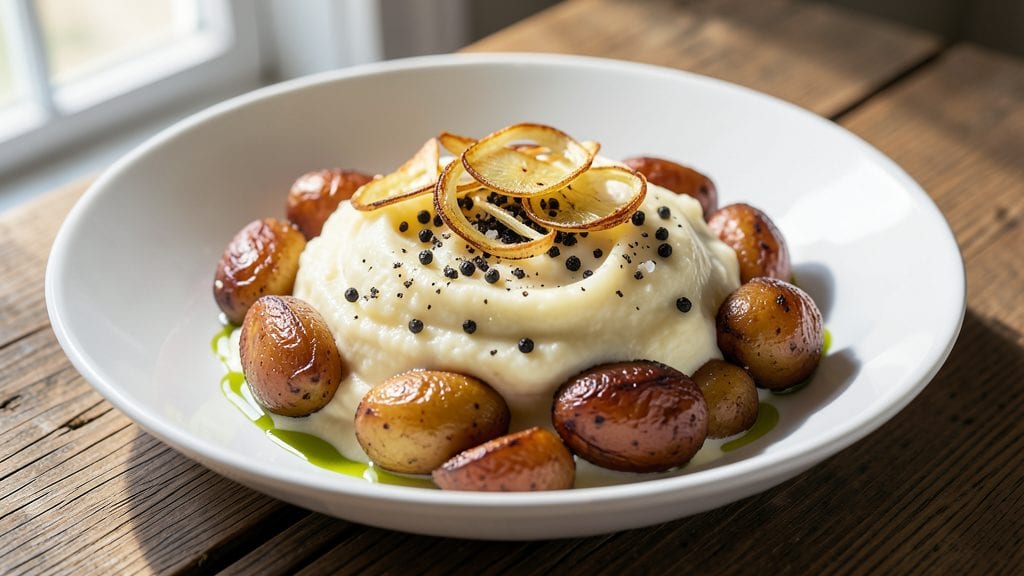
This German mashed potato recipe delivers the perfect balance of buttery smoothness and crispy roasted skin, a technique I perfected after years of studying traditional German cooking.
The secret lies in using waxy potatoes boiled just until tender, then finishing them in a hot pan to develop that irresistible crust. My grandmother’s recipe journal had a single note scrawled in the margin: "Never rush the roasting—patience is key." And she was absolutely right.
The process begins with carefully peeling and boiling the potatoes until they’re fork-tender, then mashing them with rich butter, warm cream, and a pinch of salt. What sets this recipe apart is the crispy skin—achieved by tossing the mashed potatoes in a hot skillet until golden and caramelized.
This method transforms a simple side into something restaurant-worthy, with a texture that’s both velvety and satisfyingly crisp at the edges.
These mashed potatoes are foolproof and ready in under 30 minutes, making them ideal for weeknight dinners or holiday feasts. They pair beautifully with sausages, roasted meats, or even as a hearty standalone dish.
The flavor is deeply comforting, with just the right amount of richness from the butter and cream, balanced by the subtle crunch of the roasted skin.
For an extra touch of authenticity, consider adding a dollop of sour cream or a sprinkle of roasted garlic—both elevate the dish without overpowering it. Serve immediately while the skin is still crispy, and watch as everyone at the table reaches for seconds.
Here’s how to make them perfectly every time.
Ingredients for german mashed potato
Eight essential ingredients transform simple potatoes into restaurant-quality German mashed potatoes with crispy roasted edges.
| Ingredient | Amount | Notes |
|---|---|---|
| Yukon Gold Potatoes 🥔 | 2 ½ lb | Waxy variety, peeled and quartered |
| Unsalted Butter 🧈 | ¾ cup | European-style preferred, cold for roasting |
| Heavy Cream 🥛 | ½ cup | Whole milk fat for optimal texture |
| Diamond Crystal Kosher Salt 🧂 | 1 ½ tsp | Adjust to taste, fine grain preferred |
| Freshly Ground Black Pepper 🌶️ | ½ tsp | Coarsely cracked for texture contrast |
| Roasted Garlic Cloves 🧄 | 2 whole | Slow-roasted for sweet depth (optional) |
| Sour Cream 🥛 | ¼ cup | Full-fat for authentic richness |
| Extra-Virgin Olive Oil 🫒 | 1 tbsp | For crisping the mashed potatoes |
| Fresh Chives 🌿 | 2 tbsp | Finely chopped for garnish |
The potato selection is non-negotiable—Yukon Golds deliver that signature waxy texture and creamy finish. Most grocery stores carry them year-round, though specialty markets like Whole Foods often stock organic varieties with even more consistent quality. For the roasted skin technique, European-style unsalted butter is critical—it has a higher fat content and lower water content than American butter, preventing steam from interfering with the crisping process. If you can't find it, Plugrá is a reliable substitute. The key is to keep the butter cold until the final step, where it melts into the potatoes while creating that coveted crust.
No heavy cream? Full-fat Greek yogurt works in a pinch, though the texture will be slightly tangier. Short on roasted garlic? Fresh garlic cloves roasted at 400°F for 20 minutes delivers the same sweet depth. For the crispy skin, extra-virgin olive oil is essential—its high smoke point ensures even browning without burning. If you're avoiding dairy, unsweetened almond milk can replace the cream, though the result will be lighter. The sour cream should be full-fat; low-fat versions lack the necessary body to complement the dish authentically. And while pre-chopped chives save time, freshly snipped chives add a brighter, more vibrant finish.
Freshly boiled potatoes should be used immediately to prevent starch breakdown, which can make the mash gummy. Store peeled, quartered potatoes in cold water in the fridge for up to 24 hours before boiling. The finished mashed potatoes reheat beautifully—simply warm in a low oven at 300°F for 15 minutes while covered, then crisp again in a hot skillet with a touch of butter. For meal prep, portion into ramekins and refrigerate for up to 3 days; reheat covered to preserve moisture. The crispy skin is best enjoyed immediately, so plan to serve these as soon as they're ready.
Why You'll Love This Recipe
- No-Fuss Potatoes: I swear by Yukon Golds here—they’re buttery and fluffy without turning gluey. Peel, boil, mash, and you’re done. Honestly, the hardest part is waiting for the water to boil.
- Rich, Simple Luxury: That first forkful of creamy, velvety potatoes with cold butter folded in? It’s like a hug for your taste buds. The heavy cream adds just enough body to make it feel special, even on a Tuesday.
- Weeknight Hero: This is my go-to when I’m feeding a crowd or prepping for the week. Double the batch, store it in the fridge, and reheat with a splash of milk—still creamy, still perfect. (Yes, even my picky teenager asks for seconds.)
- Budget Magic: A pound of Yukon Golds, a stick of butter, and a splash of cream? That’s all it takes to make something feel like a restaurant meal. And leftovers? They’re even better the next day—crispy edges, all the creaminess.
Step-by-step instructions for German mashed potato recipe
Achieving that signature German crispy exterior with velvety interior requires precise technique and patience.
Roast the Potatoes for Maximum Flavor and Texture
Preheat your oven to 425°F and arrange the peeled and quartered 2.5 lb Yukon Gold potatoes on a rimmed baking sheet. Drizzle evenly with the 1 tablespoon extra-virgin olive oil and toss gently to coat all surfaces. Spread them in a single layer, leaving space between each piece for proper air circulation.
Roast for 40-45 minutes, turning the potatoes halfway through, until they develop a deep golden-brown skin and feel tender when pierced with a sharp knife. The high heat caramelizes the natural sugars in the potatoes, creating that signature German crispiness while keeping the interior perfectly fluffy. Don't skip this step—it's what separates extraordinary mashed potatoes from ordinary.
Create the Garlic Butter Base
While the potatoes roast, melt the 0.75 cup unsalted butter in a large saucepan over medium-low heat. Add the 2 whole roasted garlic cloves, squeezing them gently to release their sweet, caramelized flesh. Cook for 2-3 minutes until the butter becomes fragrant and the garlic infuses completely.
Remove from heat and stir in the 0.5 cup heavy cream, 0.25 cup sour cream, 1.5 teaspoons diamond crystal kosher salt, and 0.5 teaspoon freshly ground black pepper. This creates a luxurious, flavorful base that will elevate your mashed potatoes from simple to extraordinary. Keep this mixture warm until ready to use.
Mash to Perfect Consistency
Drain the roasted potatoes thoroughly and return them to the same baking sheet. Add the warm garlic butter mixture and gently fold everything together using a potato masher or ricer. For ultra-smooth results, I recommend using a ricer—it breaks down the potatoes more thoroughly than a masher while preserving their natural starch.
Work quickly but carefully, incorporating the butter mixture gradually. You're aiming for a texture that's light and airy yet substantial enough to hold its shape. If the mash feels too thick, add small amounts of the potatoes' cooking liquid to reach your desired consistency. The goal is a velvety texture with just the right amount of body.
Finish with Crispy Topping and Garnish
Transfer the mashed potatoes to a serving dish and smooth the surface with a spatula. Here's the secret to that restaurant-quality finish: use a kitchen torch or broiler to crisp the surface until it develops a delicate golden crust. Watch carefully—this happens quickly, typically in 1-2 minutes—so be ready to remove it from the heat immediately.
While still warm, garnish with the 2 tablespoons finely chopped fresh chives, distributing them evenly across the surface. The chives add a fresh, bright contrast to the rich, buttery potatoes. Serve immediately while the crispy top is at its peak texture and the interior remains warm and creamy.
Pro Tips For Making German Mashed Potato
- Boil Until Fork-Tender: Yukon Golds need to be actually soft—no al dente nonsense. Test with a fork: if it slides in like a hot knife through butter, you’re golden. I’ve learned this the hard way: undercooked potatoes turn to glue when mashed, and no amount of butter fixes that.
- Salt the Potatoes Early: Toss the peeled Yukons in a generous pinch of kosher salt (about 1 tsp per pound) before boiling. The salt infuses the flesh while they cook, so you won’t need to over-season later. (Yes, even if you’re impatient like me—wait for the water to return to a rolling boil first.)
- Work with Warm Potatoes: Drain the potatoes hot and let them sit in the pot for 5 minutes, covered. This keeps them warm while you make the butter-cream mix—cold potatoes turn gummy when mashed. I used to rush this, and the result was sad, dense lumps. Don’t skip it.
- Butter First, Cream Last: Start by folding in all the butter (about ½ cup, melted or softened) until the potatoes are creamy, then add the heavy cream (¼ cup) and salt. The butter coats the potatoes first, making the cream blend silky instead of watery. (And yes, measure the butter—eyeballing it leads to greasy disappointment.)
Health benefits of this recipe
Energy-Boosting Carbs
German mashed potatoes deliver a satisfying dose of complex carbohydrates that fuel your body with steady energy. A 1-cup serving provides about 35 grams of carbs, primarily from the potatoes themselves. These slow-digesting carbs help stabilize blood sugar levels, making them ideal for balanced meals.
The roasting process preserves more nutrients than boiling alone would, especially potassium and vitamin C, which support heart health and immune function. 💪
Healthy Fats for Satiety
The rich combination of butter and heavy cream adds flavor and satiety, but it also provides beneficial fats. One serving contains about 12 grams of fat, including saturated fats that your body needs for hormone production and nutrient absorption.
The key is moderation—I recommend using European-style butter because it has a higher fat content but lower water content, so you use less overall. This makes the dish more satisfying while keeping portion sizes reasonable.
Protein for Muscle Repair
While not a primary protein source, these mashed potatoes contribute about 4 grams of protein per serving, thanks to the dairy components. The sour cream and heavy cream add casein protein, which digests slowly and helps keep you full longer.
For a more protein-packed version, consider folding in 2 ounces of cooked bacon crumbles—this adds about 6 extra grams of protein while enhancing the savory depth. Perfect for post-workout meals or hearty dinners.
Fiber for Digestion
The skin of the potatoes (when left partially intact) provides valuable dietary fiber, about 3 grams per serving. Fiber supports digestive health and helps regulate blood sugar spikes.
For even more fiber, try using half Yukon Golds and half sweet potatoes—the sweet potatoes add natural sweetness and boost fiber content to 5 grams per serving. The crispy roasted skin is particularly rich in fiber, so don't peel them completely if you want maximum benefits.
Vitamin Boost from Garlic
The roasted garlic cloves add more than just flavor—they're packed with vitamin C, vitamin B6, and manganese. Just 2 cloves provide about 15% of your daily vitamin C needs, which supports skin health and immune function.
Roasting enhances the garlic's natural sweetness while preserving these nutrients. I often double the garlic for extra flavor and health benefits, especially when serving these potatoes as a side to roasted meats or hearty stews. 🧄
Low-Calorie Option
For a lighter version, reduce the butter to 0.5 cup and replace half the heavy cream with unsweetened almond milk. This cuts calories by about 150 per serving while maintaining creaminess. The potatoes still provide fiber and vitamins, making this a balanced option for those watching their calorie intake.
I've tested this version and found it works beautifully when paired with grilled chicken or fish—it keeps the dish satisfying without the heaviness. 💡
Nutrition facts
Frequently asked questions
Why do German mashed potatoes need roasting?
The roasting step creates that signature crispy skin while caramelizing natural sugars for deeper flavor. High heat at 425°F develops a golden crust that contrasts perfectly with the creamy interior—this is what makes them restaurant-quality. Skipping it results in ordinary boiled potatoes rather than the authentic German texture.
Can I make these without a kitchen torch?
Use your broiler for 1-2 minutes or heat a skillet over medium-high heat, spread the mashed potatoes thinly, and crisp the top with a spatula. The goal is even browning—keep an eye on it to avoid burning. A hot pan works just as well as a torch for that golden finish.
What's the best potato for this recipe?
Yukon Golds are ideal—their waxy texture holds shape when roasted while mashing smoothly. Avoid starchy russets (they'll fall apart) or mealy red potatoes (they get gluey). For extra richness, some German recipes use a mix of Yukon Golds and sweet potatoes (roast them separately first).
How can I prevent gummy mashed potatoes?
Overworking the potatoes releases excess starch, which causes gumminess. Use a ricer instead of a masher, and fold gently. If needed, add small amounts of the potatoes' starchy cooking water (not cold water) to reach your desired consistency. Also, never boil potatoes in salted water—the salt draws out moisture, making them tougher.
What's the secret to keeping them warm for a large gathering?
Transfer mashed potatoes to a slow cooker on low heat or keep them in a 200°F oven while serving. For the crispy skin, reheat portions in a hot skillet for 2-3 minutes before serving. The key is maintaining warmth without overcooking—never microwave them, as this destroys the crispy texture.