Side Dishes
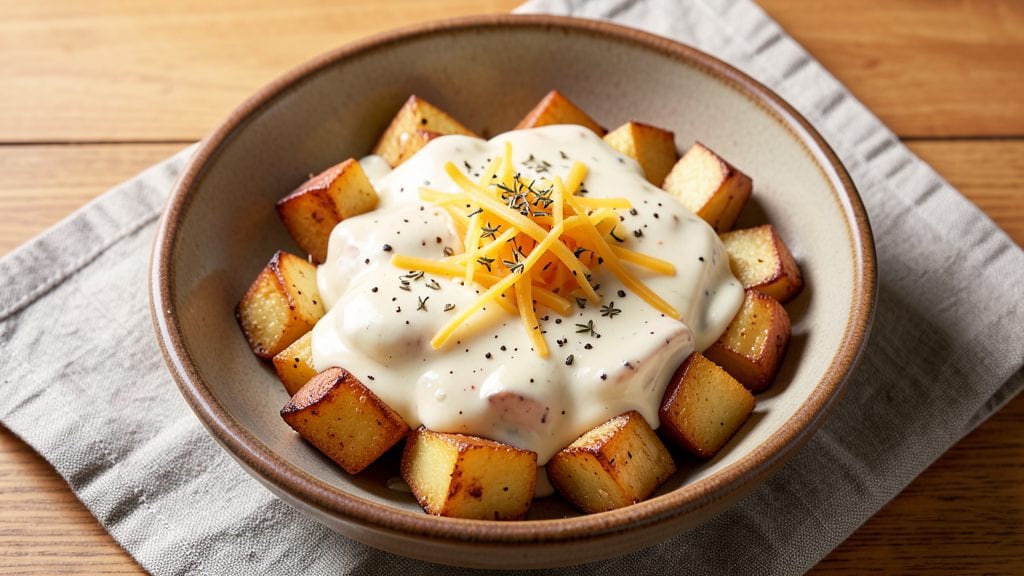
Transforming a pantry staple into a one-pan wonder, this Lipton Onion Soup Potatoes recipe delivers restaurant-quality comfort in just 25 minutes.
The secret lies in using the soup mix as both a flavor booster and tenderizing agent, creating layers of savory depth that elevate simple potatoes into a showstopping side.
I developed this method after realizing how quickly we could turn basic ingredients into something extraordinary—perfect for weeknight dinners when time is limited but flavor can't be compromised.
The beauty of this recipe is its simplicity: one pan, minimal prep, and a flavor profile that rivals traditional casseroles. The Lipton mix dissolves into the broth, infusing the potatoes with its signature onion and beefy notes while keeping the dish light and crisp at the edges.
This isn't your grandmother's heavy potato dish—it's a modern twist that balances richness with freshness, thanks to a finishing touch of parsley and a squeeze of lemon.
By the time you're done, you'll have golden, crispy potatoes infused with deep onion and savory broth, topped with a creamy, herbed finish that ties everything together. The aroma alone will have everyone at the table asking what's for dinner.
This dish works as a standalone side or pairs beautifully with grilled meats, chicken, or even a simple green salad for a complete meal.
What makes this recipe truly foolproof is its adaptability—swap in different cheeses, add fresh herbs, or adjust the broth for a lighter touch. The Lipton mix ensures bold flavor without the fuss, making it ideal for beginners and seasoned cooks alike.
Ready to turn a simple side into the star of the meal? Let's get cooking.
Ingredients for lipton onion potato
Twelve simple ingredients transform into a restaurant-worthy side with minimal effort and maximum flavor.
| Ingredient | Amount | Notes |
|---|---|---|
| Russet Potatoes 🥔 | 2 lb | Cut into 1-inch cubes, uniform size |
| Lipton Onion Soup Mix 🧅 | 2 tbsp | Original flavor, not low-sodium |
| Chicken Broth 💧 | 2 cups | Low-sodium preferred, homemade or store-bought |
| Heavy Cream 🥛 | ½ cup | Full-fat for optimal richness |
| Shredded Sharp Cheddar Cheese 🧀 | 1 cup | Freshly shredded from block preferred |
| Butter 🧈 | 3 tbsp | Unsalted, melted for even distribution |
| Fresh Parsley 🌿 | ¼ cup | Chopped, for bright finish |
| Lemon Juice 🍋 | 1 tbsp | Freshly squeezed for acidity |
| Garlic Cloves 🧄 | 2 cloves | Minced, for aromatic depth |
| Salt 🧂 | ½ tsp | Diamond Crystal kosher salt |
| Black Pepper 🌶️ | ¼ tsp | Freshly ground for best flavor |
| Dried Thyme 🌿 | ½ tsp | Or substitute 1 tsp fresh thyme leaves |
| Olive Oil 🫒 | 1 tbsp | Extra-virgin for high-heat searing |
The Russet potatoes are your foundation—Russet holds its shape better than Yukon Golds for this dish, but use what you have. Trader Joe's and Whole Foods carry pre-cut potatoes if you're short on time, but cutting them yourself ensures even cooking. For the Lipton mix, original flavor is non-negotiable—low-sodium versions lack depth. If you're using a boxed broth, low-sodium options prevent the dish from becoming overly salty. The heavy cream should be full-fat for that velvety finish; reduced-fat versions won't deliver the same richness. For cheese, sharp cheddar melts beautifully, but Gruyère or Parmesan add sophisticated notes if you're feeling adventurous.
No Lipton mix? 2 tbsp onion powder plus 1 tsp beef bouillon works in a pinch, though the umami won't be identical. Running out of heavy cream? Half-and-half plus 1 tbsp butter mimics the texture, though it won't be as luscious. Fresh parsley wilting? Dried parsley at one-third the amount suffices, but fresh is ideal for that vibrant pop of color. The lemon juice can be swapped for white wine vinegar at half the quantity, though lemon brightens the dish more effectively. For garlic lovers, add an extra clove—it disappears into the potatoes but makes a noticeable difference. The olive oil is critical for the initial sear; avocado oil has a higher smoke point if you're concerned about burning.
This dish reheats beautifully—cover with foil and warm at 350°F for 10 minutes to restore crispiness. Store leftovers in an airtight container for up to 4 days in the refrigerator, though the texture softens slightly after the first day. For make-ahead convenience, par-cook the potatoes and refrigerate the unassembled dish; bake straight from the fridge for even results. The flavor actually improves after the first day as the broth infuses the potatoes further. Portion into individual servings before reheating for the crispiest edges.
Why You'll Love This Recipe
- One-Pan Miracle: I swear by this for nights when I’d rather scroll TikTok than scrub pots—just slice, simmer, and sprinkle. The soup mix does all the work while I toss a salad or set the table.
- Cheesy-Garlic Magic: That creamy cheddar melted into the broth? It’s like a hug in a bowl, especially when the crispy potato edges soak up the savory, umami punch from the onion soup mix.
- Leftover Goldmine: Make a double batch and refrigerate—it reheats beautifully for lunch the next day, or freeze portions for those "I can’t decide what to eat" moments. (Yes, even on a Tuesday night.)
- Budget Booster: Russets are cheap, broth stretches far, and a single packet of soup mix transforms basic ingredients into something that feels fancy. My wallet and I both approve.
Step-by-step instructions for Lipton onion soup potatoes
Master this one-pan technique for creamy, cheesy potatoes with rich onion depth and silky texture.
Prep and Par-Cook the Potatoes
Cut the 2 lb russet potatoes into uniform 1-inch cubes—consistent size ensures even cooking. Place them in a large bowl and toss with the 1 tbsp olive oil, 2 tbsp Lipton onion soup mix, 0.5 tsp salt, 0.25 tsp black pepper, and 0.5 tsp dried thyme. This coating creates flavorful crusts during cooking.
Heat a large oven-safe skillet over medium-high heat. Add the potatoes in a single layer, leaving space between each piece. Cook for 8-10 minutes until the edges begin to brown and the potatoes develop a golden crust. This initial sear locks in flavor and prevents soggy results later. Stir occasionally to ensure even browning.
Deglaze and Simmer in Broth
Pour in the 2 cups chicken broth, scraping up any browned bits from the bottom of the pan with a wooden spoon. This deglazing step captures all the concentrated onion and potato flavors that would otherwise be lost. Bring the mixture to a gentle boil, then reduce heat to medium-low and cover the skillet.
Simmer for 12-15 minutes until the potatoes are fork-tender and most of the liquid has been absorbed. You'll know they're ready when a knife slides in easily with just slight resistance. If the potatoes finish cooking before the liquid is fully absorbed, uncover and cook for an additional 2-3 minutes to thicken the sauce.
Build the Creamy Cheese Sauce
Remove the skillet from heat and stir in the 3 tbsp melted butter, 0.5 cup heavy cream, and 1 cup shredded sharp cheddar cheese. Return to low heat and stir continuously for 3-4 minutes until the cheese melts completely and the sauce thickens to a velvety consistency. Avoid boiling—the sauce will curdle if it gets too hot.
Add the 2 minced garlic cloves and 1 tbsp lemon juice, stirring until the garlic is fragrant but not browned. The acidity from the lemon juice brightens the rich flavors, balancing the creaminess. Taste and adjust seasoning with additional salt or pepper if needed. The sauce should coat the back of a spoon with a smooth, luxurious texture.
Finish with Fresh Herbs and Rest
Remove the skillet from heat and stir in the 0.25 cup chopped fresh parsley. The parsley adds a vibrant finish and fresh contrast to the rich, creamy potatoes. Let the dish rest for 5 minutes before serving—this allows the flavors to meld and the sauce to thicken slightly as it sits.
Serve immediately while the potatoes are still hot and the sauce maintains its silky consistency. The combination of tender potatoes, creamy cheese sauce, and aromatic onion flavors makes this dish perfect as a side for grilled meats or as a hearty vegetarian main course. The one-pan preparation keeps cleanup simple while delivering restaurant-quality results.
Pro Tips For Making Lipton Onion Potato
- PRE-COOK POTATOES: Toss peeled Russets into boiling water for 5 minutes before baking—this guarantees even cooking and prevents that dreaded underdone center. (Yes, even if you’re tempted to skip it for speed.)
- SWEAT THE ONION MIX: Bloom the Lipton packet in butter or oil for 2 minutes before adding broth—this deepens the flavor and prevents a flat, powdery taste. Trust me, it’s not just for show.
- STIR THE CHEESE: Fold the shredded cheddar into the cream last minute and stir vigorously—it melts faster and clumps less. If you’re lazy (like me), at least toss it under the broiler for 1-2 minutes to get it gooey.
- DON’T OVER-BAKE: Pull the dish when the top is golden but the edges just start to bubble—cheese sauce turns gummy if left too long. Cover with foil for the last 5 minutes if your oven runs hot.
Pro cooking tips for lipton onion potato
Sear for Texture
The initial sear is where all the magic happens—I can’t stress this enough. After tossing the potatoes with the Lipton mix, spread them in a single layer in your skillet and let them develop a deep golden crust.
Use medium-high heat and avoid overcrowding, or you’ll steam instead of sear. I like to work in batches if needed, but even cooking is key. This step creates the perfect contrast between crispy edges and tender centers. 🔥
Deglaze Like a Pro
Never waste those flavorful browned bits! After searing, immediately pour in the 2 cups chicken broth and scrape the bottom of the pan with a wooden spoon. This deglazing step captures all the concentrated onion and potato flavors that would otherwise go down the drain.
Let the liquid simmer uncovered for the first 2-3 minutes to maximize flavor extraction before covering to cook the potatoes.
Broth Temperature Matters
Room-temperature broth integrates more smoothly than cold, preventing temperature shocks that can make your potatoes watery. If your broth is straight from the fridge, let it sit at room temperature for 10-15 minutes before using.
I also recommend using low-sodium broth—the Lipton mix already packs a salty punch, and you don’t want to overpower the delicate balance of flavors in this dish.
Cheese Melting Tricks
When adding the 1 cup shredded sharp cheddar, remove the pan from heat first—this prevents the cheese from seizing up or creating lumps. Stir constantly over low heat and add the heavy cream gradually to ensure a silky, lump-free sauce.
If the mixture looks too thick, a splash of warm broth can rescue it. For extra richness, I sometimes add 1 tbsp sour cream at the very end for a velvety finish.
Rest Before Serving
This is a non-negotiable step! Letting the potatoes rest for 5 minutes after adding the cheese allows the sauce to thicken slightly and the flavors to meld. During this time, the residual heat continues cooking the potatoes gently, ensuring they’re perfectly tender.
Skipping the rest can leave you with a watery sauce and slightly undercooked edges. Trust the process—your taste buds will thank you. ✨
Pan Selection Tips
Not all pans are created equal for this dish. I recommend a 12-inch cast iron skillet for even heat distribution and natural non-stick properties, but a heavy stainless steel or enameled cast iron works too.
Avoid non-stick pans—they don’t conduct heat as well, and the potatoes won’t develop that perfect crust. If you’re using a lighter pan, reduce the heat slightly to prevent burning while searing.
Nutrition facts
Frequently asked questions
Can I use Yukon Gold potatoes instead of Russets?
Yes, but expect slightly different results. Yukon Golds will yield a creamier texture with more moisture, while Russets stay firmer and develop better browning. For this recipe, stick with Russets for the classic crispy-tender contrast, but Yukons work well if you prefer a softer potato.
How do I prevent the sauce from getting too watery?
Simmer the potatoes uncovered for the first 2-3 minutes after adding broth to reduce liquid faster. Also, stir in the heavy cream and cheese off the heat to prevent curdling, then return to low heat just until melted. For extra thickness, add 1 tbsp cornstarch mixed with 2 tbsp cold water at the end.
What if I don't have Lipton Onion Soup Mix?
Make a quick substitute with 2 tbsp onion powder, 1 tsp beef bouillon powder, and ½ tsp garlic powder. For deeper flavor, add 1 tbsp Worcestershire sauce to the broth. The mix won't be identical, but it'll still add savory depth.
Can I make this dish ahead of time?
Assemble everything up to the cheese step, cover, and refrigerate for up to 24 hours. Reheat in a 350°F oven for 15-20 minutes, covered with foil, then broil for 2 minutes to crisp the top. The flavors actually improve overnight as the broth infuses further.
Why does my cheese sauce get grainy?
Graininess usually happens from overheating or adding cold cheese to hot liquid. Always melt cheese off the heat, then return to low heat while stirring constantly. For ultra-smooth results, shred the cheese yourself (pre-shredded contains anti-caking agents) and warm it slightly before adding.