
Soups & Stews
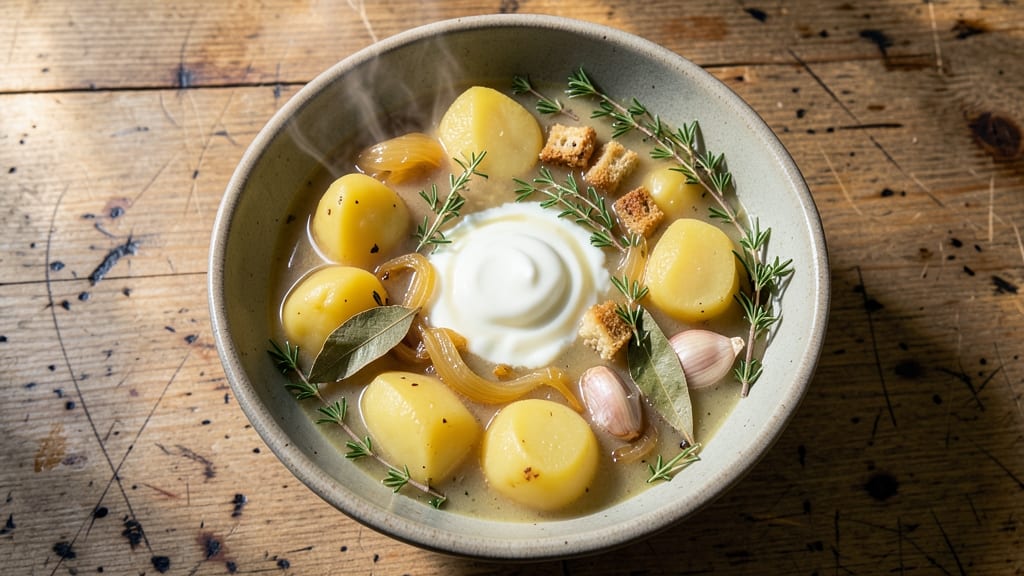
This grandmother's potato soup recipe brings back the warmth of Sunday dinners, where the kitchen smelled of simmering thyme and the table was always set for seconds. The secret lies in slow-cooked potatoes, rich broth, and just enough cream to make it velvety—without ever feeling heavy.
I first made this version after finding my grandmother’s handwritten notes tucked inside an old cookbook, and it’s been my go-to for chilly evenings ever since.
The magic starts with caramelizing onions and garlic until they’re golden, then adding potatoes and broth for a deep, savory base. Fresh thyme and bay leaves infuse the soup with aromatic warmth, while a touch of cream at the end adds just enough richness to make every spoonful comforting.
The best part? It’s the kind of soup that tastes even better the next day, when flavors have time to meld together perfectly.
What you’ll end up with is a bowl of soup that’s creamy yet light, packed with tender potatoes and fragrant herbs, and ready to be served with crusty bread or a sprinkle of fresh parsley.
It’s the kind of recipe that feels like a hug in a bowl—simple enough for weeknights but special enough for company. Let’s get started on making it.
This recipe works beautifully as a standalone meal or alongside grilled meats and roasted vegetables. For a modern twist, you can use dairy-free butter or plant-based cream, though traditionalists will swear by the classic version.
Either way, it’s a soup that brings warmth to the table—just like it did in my grandmother’s kitchen.
Ingredients for grandmother's potato soup
Simple ingredients that transform into creamy comfort—just like Grandma used to make.
| Ingredient | Amount | Notes |
|---|---|---|
| Yellow Onions 🧅 | 2 whole | Medium size, diced evenly |
| Yellow Potatoes 🥔 | 2 lbs | Yukon gold preferred, peeled |
| Fresh Thyme 🌿 | ¼ cup | Stems removed, chopped |
| Bay Leaves 🌿 | 2 whole | Dried works if fresh unavailable |
| Garlic Cloves 🧄 | 4 cloves | Peeled, minced finely |
| Unsalted Butter 🧈 | 4 tbsp | Full-fat for richness |
| Chicken Broth 💧 | 6 cups | Low-sodium preferred |
| Heavy Cream 🥛 | ½ cup | Full-fat for creaminess |
| Fresh Parsley 🌿 | ⅛ cup | Chopped, for garnish |
| Salt 🧂 | 1 ½ tsp | Kosher or sea salt |
| Black Pepper 🌶️ | ½ tsp | Freshly ground preferred |
| Olive Oil 🫒 | 1 tbsp | For sautéing onions |
| Dairy-Free Butter 🧈 | 4 tbsp | Optional plant-based swap |
| Plant-Based Cream 🥛 | ½ cup | Optional dairy-free swap |
The potatoes are the heart of this soup, so Yukon golds are my go-to—they hold their shape and soak up flavors beautifully. Buy a couple extra pounds if you can, since they shrink as they cook. Fresh thyme is non-negotiable here; the grocery store usually has bunches near the basil. If you're running low on time, dried thyme at one-third the amount works in a pinch. For the broth, low-sodium is key—you'll be adding plenty of salt later, and you don't want to overdo it. I always grab the Great Value brand from Target—it's affordable and reliable for weeknight cooking.
No fresh thyme? Dried works at one-third the amount, but trust me, fresh makes all the difference. Running out of heavy cream? Half-and-half stretches it further without sacrificing too much richness. The butter can be swapped for dairy-free versions if needed, though traditionalists will swear by the classic. For the onions, red or white work too—just make sure they're sweet and fresh. The garlic should be peeled and minced finely—no need to go crazy, just small pieces so they blend into the soup. If you're feeling fancy, toast the spices in the butter for 30 seconds to wake up their flavors.
This soup tastes even better the next day, so make a double batch if you can. Keeps in the fridge for 4-5 days sealed tightly, and freezes beautifully for up to 3 months. I always portion mine into containers with a little extra broth on top to prevent a skin from forming. The parsley stays fresh longest if you wrap the stems in damp paper towels and store them in a bag. Reheat gently on the stove—never microwave, or the cream will separate.
Why You'll Love This Recipe
- No Chopping Chaos: I swear by this—just dice the onions and potatoes once, toss them in, and let the pot do the work. The thyme and bay leaves infuse all that starchy goodness without needing fancy techniques. (Yes, even on a Tuesday night.)
- Herb-Packed Magic: That fresh thyme and garlic? They turn simple potatoes into something ridiculously good. The bay leaves add this deep, earthy whisper—like a secret ingredient your taste buds didn’t know they needed.
- Leftovers That Win: This soup actually tastes better the next day. I make a double batch on Sundays, and by Wednesday, it’s still the star of my lunch. (Bonus: Freezes like a dream for when you’re too tired to cook.)
- Pantry Staple Power: Onions, potatoes, garlic—stuff you already have. No specialty items, no last-minute grocery runs. It’s the kind of recipe that makes you feel like a hero without breaking the bank. (My college-student self would’ve cried.)
Step-by-step instructions for grandmother's potato soup
Here's how to create that comforting, velvety soup with layers of thyme flavor and creamy texture.
Sauté the Onions and Garlic for Flavor Foundation
Heat the olive oil in a large pot over medium heat. Add the diced yellow onions and cook for about 5 minutes until they become translucent and just begin to soften. This is your flavor base - don't rush it.
Add the minced garlic cloves and cook for another 30 seconds until fragrant. The garlic should be golden but not browned. Here's the thing - if you smell that toasty garlic aroma, you're on the right track. Immediately add the chopped fresh thyme and stir for 10 seconds to release its essential oils.
Cook the Potatoes Until Tender
Add the peeled yellow potatoes to the pot along with the 6 cups of chicken broth. Bring everything to a gentle boil, then reduce the heat to medium-low. Cover and simmer for 15-20 minutes until the potatoes are fork-tender and easily pierced with a knife.
I know it's tempting to check constantly, but resist that urge. The potatoes need undisturbed cooking time to absorb all that wonderful broth flavor. You'll know they're ready when they collapse easily under gentle pressure from a fork.
Build the Creamy Texture
Once the potatoes are tender, remove the bay leaves and stir in the unsalted butter and heavy cream. Add the salt and black pepper to taste. The soup should begin to thicken slightly as it simmers for another 5 minutes. This is where the magic happens - the butter and cream combine with the potato starch to create that signature velvety texture.
If you're using the dairy-free butter and plant-based cream instead, follow the same process. The plant-based cream will create a slightly lighter texture, but still beautifully creamy. Taste and adjust seasoning - you might need a bit more salt since plant-based options often have less inherent saltiness.
Finish with Fresh Herbs and Garnish
Remove the pot from heat and stir in the chopped fresh parsley. This final step brightens the soup with freshness. Let the soup sit for 2-3 minutes to allow the flavors to meld together. The parsley will sink slightly but that's okay - it will distribute throughout the soup when you serve it.
For serving, ladle the soup into bowls and garnish with additional parsley if desired. The soup should have a rich, golden color with just a hint of creaminess on top. Serve immediately while warm - this soup tastes best fresh from the pot, where all those comforting aromas are at their peak.
Pro Tips For Making Grandmother'S Potato Soup
- Sear the Onions First: I learned this the hard way—skipping the sear means your soup will taste raw and one-note. Cook the onions in butter or oil over medium heat until they’re deep golden, almost caramelized (about 8-10 minutes). That’s where the flavor lives, and it’s non-negotiable for a soup that tastes like home, not just potatoes.
- Peel and Chop Potatoes Evenly: Uneven potatoes mean some will turn to mush while others stay undercooked. Cut them into 1-inch chunks—no smaller, no larger—and peel them just before adding to the pot. Cold potatoes also cool down the broth, so let them sit at room temperature for 10 minutes first if they’re straight from the fridge.
- Skip the Crowding: Throwing in all the potatoes at once? Bad idea. Cook them in batches—start with half, let them soften for 8-10 minutes, then add the rest. Crowding turns your soup into glue, and no one wants that. A little patience here makes a real difference in texture.
- Toast the Spices: Toss the bay leaves and thyme sprigs into the pot dry for 30 seconds before adding liquid. That quick toast wakes up their flavors—no need to burn them, just let them release their aroma. I was skeptical until I tried it, and now I never skip it.
Troubleshooting great grandmother's potato soup
Mushy Potatoes Fix
If your potatoes turn out mushy, it’s usually from overcooking or using the wrong variety. Stick with Yukon golds or russets—they hold their shape better than waxy potatoes. Always cut them into 1-inch chunks for even cooking.
When simmering, keep the heat at a gentle medium-low and avoid peeking under the lid too often. If they’re already too soft, mash a few with a fork and stir back in to thicken the soup. 🥔
Broth Too Thin?
If your soup is watery, it’s likely because the potatoes released too much starch. Simmer uncovered for 5-10 minutes to reduce the liquid slightly. For a quicker fix, mix 1 tbsp cornstarch with 2 tbsp cold water, stir into the soup, and cook for 2 minutes until thickened.
Alternatively, add a handful of uncooked potatoes and simmer for 10 minutes to absorb excess liquid.
Lumpy Cream Texture
Lumps in your cream mean it wasn’t incorporated properly. Always whisk the cream into the soup off the heat over low heat to prevent curdling. If lumps appear, blend the soup briefly with an immersion blender for a silky finish.
For extra insurance, temper the cream by mixing it with a splash of hot broth before adding it to the pot. 🥛
Weak Flavor Profile
If your soup tastes bland, it’s probably underseasoned. Start by adding ½ tsp more salt and ¼ tsp black pepper. For depth, toast 1 tsp whole peppercorns in a dry pan for 1 minute, then crush and add to the soup.
A splash of lemon juice brightens the flavors, or stir in 1 tsp Dijon mustard for tang. Fresh herbs like parsley or chives at the end also elevate the taste.
Skin on Top?
That film happens when the soup sits uncovered. Prevent it by pressing plastic wrap directly onto the surface before refrigerating. To fix it, stir vigorously with a fork or whisk to break it up.
For a smoother finish, skim off the skin before reheating. If the soup separates after reheating, stir in 1 tbsp cold butter or cream to restore creaminess.
Dairy-Free Swap Gone Wrong
Plant-based creams can curdle if added too quickly. Always stir them into a ladle of hot broth first to temper, then mix into the pot. For extra stability, use 1 tbsp arrowroot powder mixed with 2 tbsp water as a thickener.
If the soup still looks grainy, blend it briefly with an immersion blender. Taste and adjust salt—dairy-free versions often need more seasoning. 🌱
Nutrition facts
Frequently asked questions
Can I make this soup without heavy cream?
Swap the heavy cream for ½ cup half-and-half or ½ cup whole milk for a lighter texture. For dairy-free versions, use ½ cup coconut milk or a plant-based cream substitute. The soup will still be creamy, just slightly less rich. Adjust seasoning afterward—dairy-free options often need extra salt.
How do I store leftovers to keep them tasting fresh?
Let the soup cool to room temperature, then transfer to an airtight container and refrigerate for up to 4-5 days. To prevent a skin from forming, press plastic wrap directly onto the surface before sealing. For freezing, portion into containers and store for up to 3 months. Reheat gently on the stove over low heat—never microwave, or the cream may separate.
What’s the secret to getting that perfect creamy texture?
The velvety texture comes from simmering the potatoes until tender, then incorporating the butter and cream off the heat. Stirring constantly while adding the cream prevents lumps. For extra smoothness, blend briefly with an immersion blender. The key is patience—don’t rush the simmering, or the potatoes will release too much starch and make the soup gluey.
Can I use dried thyme instead of fresh?
Yes, but use ⅓ the amount (so ⅛ cup dried thyme instead of ¼ cup fresh). Fresh thyme has a brighter, more vibrant flavor, but dried works in a pinch. Toast the dried thyme in the butter for 30 seconds to wake up its aroma before adding it to the onions. This helps compensate for the lack of freshness.
What’s the best way to serve this soup?
This soup is perfect with crusty bread, oyster crackers, or a sprinkle of grated Parmesan. For extra warmth, serve with a side of garlic toast or a simple green salad. The soup’s richness pairs beautifully with grilled meats like chicken or sausage, making it a hearty main dish. Garnish with fresh parsley or a drizzle of olive oil for added freshness.