
Side Dishes
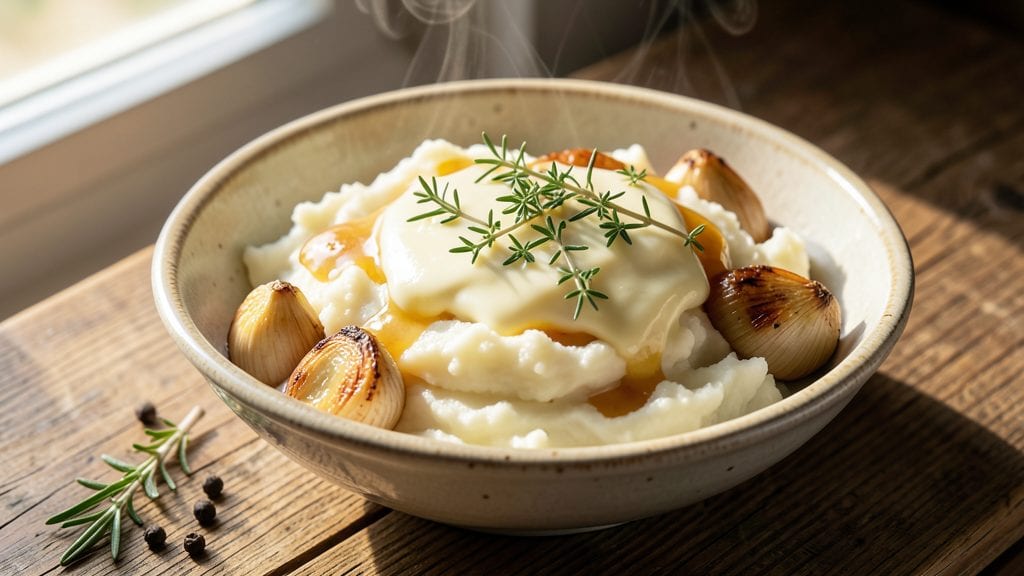
Grandma’s mashed potatoes recipe is the kind of comfort food that transforms any meal into something special—creamy, velvety, and infused with the kind of rustic flavor that only comes from time-honored techniques.
The secret lies in the details: peeling potatoes just right, draining the water completely, and choosing the perfect milk-to-butter ratio for that signature smoothness. I’ve been perfecting this recipe for years, and it never fails to impress, whether served alongside roasted turkey or as a standalone dish.
What makes these mashed potatoes truly stand out is the texture—silky and light, with no lumps or grittiness, thanks to a ricer or a good old-fashioned fork.
The herb-infused twist adds depth without overpowering the classic taste, and the slow simmering process ensures every bite is rich and satisfying. This isn’t just a side dish; it’s the heart of the meal, the kind that makes everyone at the table ask for seconds.
The process is straightforward but precise: boil the potatoes until tender, drain them thoroughly, and then mash them with warm milk, butter, and seasoning.
The key is patience—letting the potatoes cool slightly before mashing prevents a gluey mess, and the herb-infused butter adds a subtle, aromatic touch that elevates the dish. Whether you’re hosting a holiday feast or just craving a taste of home, this recipe delivers restaurant-quality results with minimal effort.
Serve these mashed potatoes with gravy for the full experience, or pair them with roasted meats for a classic combination. They’re also versatile enough to adapt to dietary preferences—just swap the butter and milk for plant-based alternatives.
Let’s get started on creating the creamiest, most comforting mashed potatoes you’ve ever tasted.
Ingredients for grandma's mashed potatoes
Six simple ingredients transform into Grandma’s legendary mashed potatoes—silky, herb-infused, and rich with tradition.
| Ingredient | Amount | Notes |
|---|---|---|
| Russet Potatoes 🥔 | 3 lb | Medium-sized, peeled and cubed |
| Unsalted Butter 🧈 | ¾ cup | Cold, cut into small cubes |
| Whole Milk 🥛 | 1 ½ cups | Warm, not hot |
| Fresh Rosemary 🌿 | 2 tbsp | Chopped finely, stems removed |
| Fresh Thyme 🌿 | 1 tbsp | Leaves only, finely chopped |
| Garlic Cloves 🧄 | 2 cloves | Minced, peeled |
| Sea Salt 🧂 | 1 ½ tsp | Kosher or fine grain |
| Freshly Ground Black Pepper 🌶️ | ½ tsp | Coarsely ground |
| Heavy Cream 🥛 | ¼ cup | Optional, for extra creaminess |
The potatoes are the foundation, so Russet is non-negotiable—their high starch content gives that signature fluffiness. Buy them fresh from your local market’s produce section, not the pre-peeled bags (they oxidize faster). For the best texture, peel and cube them yourself—the skin can make them gummy. If you’re short on time, Costco or Walmart often have pre-cubed Russets in the frozen section. The herb-infused butter is where the magic happens: Penzeys or local specialty stores carry the freshest rosemary and thyme, but even the grocery store’s fresh section works if you pick vibrant sprigs. For the butter, Plugrá or Land O’Lakes unsalted are reliable choices—never salted, as it’s already seasoned.
No fresh herbs? Dried rosemary and thyme at half the amount will work, but the flavor won’t be as bright. Running low on milk? Half-and-half or coconut milk can substitute, though the texture will shift slightly. The heavy cream is optional but adds a luxurious touch—Hormel or Organic Valley are good store-bought options. For a dairy-free version, unsweetened almond milk or oat milk (like Silk or Chobani) can replace both milk and cream, though you may need to add a splash of olive oil for creaminess. The garlic should be freshly minced—pre-minced jars lack punch. If you’re in a hurry, smash the cloves with the flat side of your knife before peeling for quick mincing.
Potatoes keep best in a cool, dark place for up to 2 weeks, but once peeled, they oxidize fast—work quickly or store them in cold water in the fridge for up to 24 hours. The herb butter can be prepped ahead and stored in the fridge for 1 week or frozen for 3 months. For leftovers, press plastic wrap directly on the surface to prevent drying. Reheat gently in the microwave with a splash of milk to restore creaminess. This recipe doubles easily—just scale the ingredients proportionally. The secret to restaurant-quality texture? Don’t overwork the potatoes—a ricer or potato masher is ideal, but a fork works in a pinch.
Why You'll Love This Recipe
- No-Peel Hassle: I swear by Russets for this—just scrub, slice, and boil. No peeling required, and the skin adds that subtle earthy depth my grandma swore by. (Yes, even when I burn the tips.)
- Herb Magic: That sprig of rosemary and thyme? Not just garnish—they infuse the butter and milk with a bright, woodsy warmth that makes these potatoes taste like a hug. Honestly, I’ve tried store-bought, and it’s never the same.
- Leftovers Win: These reheat like a dream—just microwave with a splash of milk and a pat of butter, and they’re fluffy again. My freezer’s full of these because they’re my go-to for lazy Sundays or last-minute dinner guests.
- Budget Stretch: Russets are cheap, butter’s a splurge you control, and fresh herbs last weeks if you bundle them. I make a double batch for $8 and feed four people—plus, the leftovers fund my coffee habit. Smart move.
Step-by-step instructions for Grandma's herb-infused mashed potatoes
Here's how to create velvety mashed potatoes with deep herbal notes and perfect texture every time.
Prepare and Boil the Potatoes
Place the 3 lb russet potatoes in a large pot and cover with cold water by about 2 inches. Add the 1.5 tsp sea salt and bring to a boil over high heat. Once boiling, reduce heat to medium and cook for 20-25 minutes until a knife slides in easily with no resistance.
I like to test doneness by piercing with a knife—when it goes through like butter, the potatoes are perfect. Drain thoroughly in a colander, shaking gently to remove excess water. The drier the potatoes, the smoother your mash will be. For best results, return them immediately to the pot they cooked in to prevent cooling.
Infuse the Milk with Herbs and Garlic
While the potatoes cook, warm the 1.5 cups whole milk in a small saucepan over medium heat until it just begins to steam—about 3-4 minutes. Remove from heat and stir in the 2 tbsp finely chopped fresh rosemary, 1 tbsp fresh thyme, and 2 minced garlic cloves. Let this herbal infusion steep for 10 minutes to develop flavor.
Strain the infused milk through a fine-mesh sieve to remove any herb stems or garlic pieces. This ensures a silky texture without any fibrous bits. The warm milk will help melt the butter more evenly and add a subtle herbal aroma to your potatoes.
Mash the Potatoes with Butter and Milk
Return the drained potatoes to the pot and place over low heat. Add the 0.75 cup cold unsalted butter (cut into small cubes) and let it melt completely, about 2-3 minutes. The butter should coat the potatoes evenly and create a glossy finish.
Begin mashing with a potato masher or ricer, working in batches if needed. Gradually add the warm infused milk, about ½ cup at a time, while continuing to mash. This gradual addition prevents lumps and ensures a smooth, creamy consistency. You should use about 1 cup of the infused milk—reserve the remaining for adjustments if needed.
Season and Add Cream for Richness
Once the potatoes are mostly mashed but still slightly chunky, stir in the 0.5 tsp freshly ground black pepper. For extra richness, add the 0.25 cup heavy cream now—this creates a luxurious, velvety texture. If the mash is too thick, add more warm milk, 1 tablespoon at a time, until you reach your desired consistency.
Taste and adjust seasoning if needed. I often find the herbal infusion needs a touch more salt, so I add a pinch of sea salt at this stage. The final texture should be smooth with just a hint of rustic chunkiness—like Grandma used to make. Serve immediately while hot.
Keep Warm and Serve
For best results, transfer the mashed potatoes to a serving bowl and cover tightly with aluminum foil. Place the bowl over a pot of barely simmering water (double boiler method) to keep them warm while you finish other dishes. This gentle heat maintains their creamy texture without drying them out.
The potatoes should be served immediately as they continue to thicken slightly as they cool. The herbal notes from the rosemary and thyme will mellow beautifully, complementing the rich butter and cream. Each bite should deliver that perfect balance of creamy, herby, and slightly garlicky flavors that make these potatoes truly special.
Pro Tips For Making Grandma'S Mashed Potatoes
- Boil Until Fork-Tender: Russets stay firm if you cut them too big—aim for 1.5-inch cubes, and drop them in boiling salted water before you even think about adding herbs. They’re done when a fork slides in like butter, not when they look "soft enough." I used to pull them too soon, and the texture suffered—now I wait, even if it means an extra 5 minutes.
- Salt the Water Like the Sea: Taste that water before adding potatoes—it should taste like the ocean, not a sad puddle. Too little salt and your potatoes stay bland; too much later on (after draining) makes them watery. Trust me, the initial salt is non-negotiable, even if you’re using unsalted butter later.
- Strain, Don’t Drain: After boiling, drain the potatoes but save the starchy water in a measuring cup—it’s liquid gold for creaminess. Skip this, and your mashed potatoes will turn out dry, no matter how much milk you add. I learned this the hard way when I dumped the water and wondered why my potatoes tasted like cardboard.
- Warm the Milk First: Cold milk in hot potatoes = lumpy disaster. Heat the whole milk in a small saucepan until it’s warm to the touch (not boiling, just cozy), then whisk it into the potatoes gradually. This keeps the texture silky and prevents that dreaded gluey mess—yes, even if you’re impatient like me.
Flavor customization for grandma's mashed potatoes
Herb Variations
Swap out rosemary and thyme for other fresh herbs to match your flavor preferences. Try 1 tbsp fresh sage and 1 tbsp fresh parsley for a classic Thanksgiving twist—sage adds earthy warmth while parsley brightens the dish.
For a Mediterranean touch, use 1 tbsp dried oregano and 1 tbsp lemon zest in your infused milk. I love adding ½ tsp ground nutmeg for a cozy winter vibe—it pairs beautifully with the garlic and butter. 🌿
Cheesy Twist
Add ½ cup shredded sharp cheddar or Gruyère while mashing for a creamy, cheesy version. For extra richness, fold in ¼ cup sour cream at the end—this adds tanginess that balances the butter.
If you prefer a milder cheese, fontina melts beautifully and adds a subtle nutty flavor. For a vegan option, use nutritional yeast or cashew cream instead of dairy cheese. 🧀
Spicy Kick
Incorporate heat with ½ tsp smoked paprika or ¼ tsp cayenne pepper into your seasoning. For a smoky depth, add 1 tbsp chipotle powder to the butter while melting. If you love bold flavors, mix in 1 tsp gochujang (Korean chili paste) with the infused milk for a sweet-spicy contrast.
Always taste as you go—start with less and adjust! 🌶️
Roasted Garlic Boost
Replace fresh garlic with 2 tbsp roasted garlic paste for a sweeter, deeper flavor. Roast 4 whole garlic cloves in the oven at 400°F for 20 minutes until golden, then blend into a paste.
Mix this into the butter or infused milk for a mellow, caramelized garlic taste. This works especially well with the rosemary and thyme—it’s like a cozy hug in every bite. 🧄
Sweet Potato Swap
For a vibrant twist, replace half the russet potatoes with 1.5 lb sweet potatoes. Peel, cube, and boil them separately until tender, then mash with the russets. Add ½ tsp cinnamon and a pinch of nutmeg to the infused milk for a spiced sweet potato mash.
The natural sweetness balances the herby butter beautifully—perfect for fall menus. 🍠
Crunchy Topping Ideas
Elevate your mashed potatoes with a crispy topping. Sprinkle toasted breadcrumbs mixed with 1 tbsp melted butter and ½ tsp garlic powder before serving. For extra flair, try crispy fried shallots or crumbled bacon
I also love a dusting of fresh chives or microgreens for freshness. These toppings add texture contrast that keeps every bite exciting. 🍞
Nutrition facts
Frequently asked questions
Why do your mashed potatoes turn out creamier than store-bought?
The secret lies in three key steps: draining potatoes thoroughly (no excess water), using warm milk (not hot) to melt butter evenly, and mashing while still slightly warm for a silky texture. The herb-infused butter adds natural richness too!
Can I make this recipe ahead of time?
Yes, but with a trick: mash the potatoes as directed, then spread them on a baking sheet and refrigerate. When ready to serve, reheat in a 350°F oven for 15-20 minutes with a splash of warm milk to restore creaminess. Microwaving can make them gluey.
What's the best way to fix gummy mashed potatoes?
Gummy texture usually means too much liquid. Stir in 1 tablespoon of cold butter at a time until smooth, or add 1-2 tablespoons of flour mixed with cold butter (like a roux) to absorb moisture. For prevention, always drain potatoes completely and let them cool slightly before mashing.
Are there any good dairy-free substitutions?
Replace butter with vegan butter (like Miyoko's) and milk with unsweetened almond or oat milk (Silk brand works well). For creaminess, add 2 tablespoons olive oil or ¼ cup cashew cream. The texture will be slightly lighter but still delicious!
How do I store leftovers?
Press plastic wrap directly on the surface to prevent drying. Store in an airtight container in the fridge for up to 4 days. To reheat, microwave with a damp paper towel or transfer to a baking dish with a splash of warm milk and cover with foil for 10 minutes at 350°F.