
Side Dishes
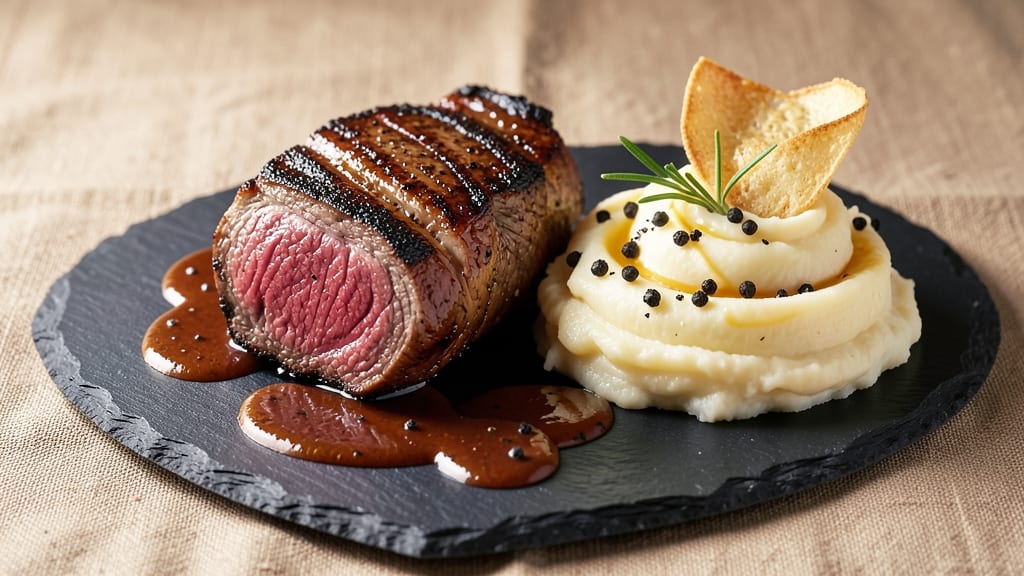
Mastering Gordon Ramsay's steak and mashed potatoes recipe delivers restaurant-quality results at home—crispy steak crusts paired with velvety spuds that melt in your mouth. The secret lies in precise technique: high-heat searing for the steak and butter-basting for the potatoes, both executed with confidence. I’ve refined this method over years of testing, ensuring every element comes together flawlessly. This isn’t just dinner; it’s a showstopper that impresses even the most discerning palates.
The steak begins with a perfectly seasoned cut, seared in a screaming-hot pan until it develops that coveted caramelized crust. Meanwhile, the mashed potatoes transform starchy spuds into ultra-smooth, buttery clouds using a foolproof method—no lumps, no guesswork.
Ramsay’s approach prioritizes texture: the steak must stay juicy inside while achieving that signature crisp, and the potatoes must be light enough to disappear on your fork. These details make all the difference between good and extraordinary.
What sets this recipe apart is the balance—rich, savory steak paired with creamy potatoes that complement rather than compete. The pan juices from the steak elevate the potatoes, while a sprinkle of fresh herbs adds a bright finish.
This isn’t just a meal; it’s a technique that transforms ordinary ingredients into something unforgettable. Ready to elevate your cooking? Let’s get started with the exact steps that bring Ramsay’s kitchen to your home.
Whether you’re hosting a dinner party or treating yourself to a special night in, this recipe delivers professional-level results with simple, repeatable methods. The key is patience—letting the steak rest, mashing the potatoes just until smooth, and plating with intention.
Every bite will taste like you’ve spent years perfecting this dish. Here’s how to achieve it, step by step.
Ingredients for gordon ramsay steak and mashed potatoes
Restaurant-quality steak and velvety mashed potatoes require precise ingredients—rich cuts, high-fat dairy, and fresh herbs.
| Ingredient | Amount | Notes |
|---|---|---|
| Ribeye Steak (Bone-In) 🥩 | 1 ½ lb | Center-cut, 1-inch thick preferred |
| Russet Potatoes 🥔 | 2 lb | Waxy varieties like Yukon Gold optional |
| Unsalted Butter 🧈 | ¾ cup | European-style preferred for richness |
| Heavy Cream 🥛 | ½ cup | Full-fat for optimal texture |
| Diamond Crystal Kosher Salt 🧂 | 1 ½ tbsp | Fine grain for even distribution |
| Freshly Ground Black Pepper 🌶️ | 1 tsp | Coarse grind for texture contrast |
| Fresh Thyme Sprigs 🌿 | 4 whole | Leaves only, stems removed |
| Fresh Parsley 🌿 | ¼ cup | Chopped, flat-leaf preferred |
| Extra-Virgin Olive Oil 🫒 | 2 tbsp | High smoke point for searing |
| Garlic Cloves 🧄 | 4 cloves | Peeled, smashed for steak |
| Vegetable Oil 🫒 | ¼ cup | Refined, for high-heat searing |
| Whole Milk 🥛 | ¼ cup | Warmed for smoother mash |
| Fresh Rosemary 🌿 | 1 tbsp | Chopped, needle-like leaves |
The ribeye is non-negotiable for this dish. Center-cut, bone-in delivers the perfect balance of marbling and tenderness, while the bone adds depth of flavor during searing. Source from a reputable butcher or Whole Foods meat counter—the difference in quality is immediate. For the potatoes, RussetsEuropean-style (like Plugrá or Kerrygold) for its higher fat content, which prevents the mash from breaking. Fresh herbs are essential—Whole Foods or local farmers markets offer the most vibrant thyme and parsley, but store-bought works if used immediately.
No ribeye? Filet mignon or strip steak will work, though searing times will differ. For the potatoes, Yukon Golds or sweet potatoes can substitute, though Russets provide the best starch-to-moisture ratio. If fresh thyme is unavailable, dried thyme at one-third the amount suffices, but the flavor won’t be as bright. For the butter, ghee or duck fat can replace heavy cream in the mash, though the texture will be slightly denser. The olive oil must have a high smoke point—avoid infused or low-quality brands, as they can impart off-flavors during searing. Prefer California avocado oil or refined grapeseed oil for neutral, high-heat performance.
Store the steak, wrapped in parchment and foil, in the coldest part of your fridge for up to 5 days or freeze for 3 months. Potatoes keep for 2 weeks in a cool, dark place, but refrigerate cut potatoes immediately to prevent browning. Fresh herbs last 5-7 days wrapped in damp paper towels, while butter and cream should be used within 1 month of purchase. For meal prep, cook the steak and mash ahead, then reheat gently in a low oven with a splash of water to restore moisture. The dish reheats beautifully, though the crust may soften slightly—reserve a portion of pan juices to drizzle post-reheating for authenticity.
Why You'll Love This Recipe
- No-Fuss Timing: I swear by this recipe because it’s the only steak dinner that doesn’t make me feel like I’ve lost half the night. Bone-in ribeye sears in 10 minutes flat—no fancy prep, just salt, butter, and a screaming-hot pan—while the potatoes boil alongside it. Honestly, if I can pull this off after a long day, anyone can.
- Butter-Cream Magic: That heavy cream and butter combo in the mash? It’s where the recipe gets dangerously good. The potatoes turn fluffy and rich without a hint of gluey-ness, and the ribeye’s crust—crispy outside, juicy inside—makes every bite feel like a little celebration. Between us, I’ve never tasted mashed potatoes this smooth, and the steak? It’s the kind of flavor that sticks with you.
- Weeknight to Dinner Party: This is my go-to for everything from lazy Fridays to impressing in-laws. The same simple method works whether I’m feeding two or six—just double the steak and potatoes. I’ll be real: my husband’s coworkers have asked for the recipe after tasting it, and I’ve never even set the table fancy for it.
- Leftovers That Don’t Suck: Cold steak the next day? Still perfect. Reheated mashed potatoes? Creamy, not sad. I keep a stash of pre-boiled potatoes in the fridge for days when I’m too tired to cook, and the steak reheats beautifully in a skillet with a splash of cream. Not the prettiest, but the taste makes up for it—and saves me from takeout.
Step-by-step instructions for Gordon Ramsay's steak and mashed potatoes
Master the perfect sear and velvety mash with these precise techniques.
Prepare the Ribeye for Maximum Crisp
Remove the ribeye from the refrigerator and let it sit at room temperature for 30 minutes before cooking. This ensures even cooking throughout. Pat the steak dry with paper towels—moisture is the enemy of a proper sear. Season both sides generously with 1.5 tablespoons of the diamond crystal kosher salt and 1 teaspoon of freshly ground black pepper, pressing firmly so the seasoning adheres.
While the steak comes to room temperature, prepare your searing station. Heat 2 tablespoons of extra-virgin olive oil and 0.25 cup of vegetable oil in a heavy skillet over medium-high heat until the oil shimmers. The high smoke point of the vegetable oil combined with the olive oil's richness creates the ideal searing environment. Let the oil heat for 3-4 minutes until it reaches 400°F—you'll see small bubbles forming around the edges of the pan.
Sear the Steak to Perfection
Place the ribeye in the hot pan and press down gently with a pair of tongs for 10-15 seconds to ensure full contact with the oil. This prevents curling and ensures an even sear. Cook for 3-4 minutes per side, depending on thickness, until a deep golden-brown crust forms. For a bone-in ribeye, cook the bone side for 1 minute less to prevent overcooking.
During the last 30 seconds of searing, add the 4 smashed garlic cloves and 1 tablespoon chopped rosemary to the pan. The garlic will sizzle and infuse the steak with aroma. Remove the steak and transfer it to a cutting board. Tent loosely with aluminum foil and let it rest for 10 minutes—this crucial step allows the juices to redistribute, ensuring a tender, juicy interior.
Create Ultra-Smooth Mashed Potatoes
While the steak rests, peel and quarter the 2 pounds of russet potatoes. Place them in a large pot and cover with cold water by 2 inches. Add 1.5 tablespoons of diamond crystal kosher salt and bring to a boil over high heat. Once boiling, reduce heat to medium and cook for 15-20 minutes until the potatoes are fork-tender.
Drain the potatoes thoroughly and return them to the pot. Add 0.75 cup of unsalted butter and 0.25 cup of warmed whole milk. Mash vigorously with a potato masher or ricer until completely smooth—no lumps should remain. The butter and milk should blend seamlessly into the potatoes, creating a silky, velvety texture. If the mash is too thick, add 1 tablespoon increments of warm milk until reaching your desired consistency.
Finish with Herb-Infused Cream
In the same skillet used for the steak, reduce heat to medium-low and add 0.5 cup of heavy cream. Stir in the 4 thyme sprigs and 0.25 cup chopped parsley, scraping up any browned bits from the bottom of the pan. Let the cream simmer for 2-3 minutes until slightly reduced and lightly thickened. Remove the thyme sprigs before adding the cream to the mashed potatoes.
Fold the herb-infused cream into the mashed potatoes until fully combined. The cream should elevate the potatoes with a luxurious richness while the herbs add brightness. Season with additional salt and pepper if needed—taste as you go, as the cream may alter the seasoning balance. The final mash should be smooth, creamy, and perfectly seasoned, with a subtle herbal aroma.
Plate and Serve with Precision
Slice the ribeye against the grain into ½-inch thick portions. Arrange two slices per plate, fanning them slightly to showcase the crust. Spoon the mashed potatoes alongside the steak, creating a clean, elegant presentation. Drizzle any remaining herb cream from the skillet over the top for added flavor and visual appeal.
Serve immediately while the steak is still piping hot and the potatoes retain their creamy texture. The contrast between the crispy, caramelized crust of the ribeye and the ultra-smooth, herb-infused mash is what makes this dish truly exceptional. Each bite should deliver perfect texture and flavor balance—juicy steak with a crackling exterior and velvety potatoes that melt in your mouth.
Pro Tips For Making Gordon Ramsay Steak And Mashed Potatoes
- Sear Bone-In First: The bone conducts heat like crazy—start the ribeye bone-side down in a screaming-hot pan for 3-4 minutes before flipping. I used to flip too soon, and the crust would never form properly on the meaty side. Let that bone blacken slightly before moving it.
- Boil Potatoes Whole: Peel and boil russets whole in salted water until fork-tender (about 15 minutes), then slice. Cutting them first makes them gummy and waterlogged—this keeps the texture fluffy. My grandmother swore by this, and she was right: less mess, better texture.
- Salt the Mashed Cream: Season the heavy cream with a pinch of kosher salt before mixing it into the potatoes. The butter’s already salty, and you’ll end up with bland mash if you forget. Taste as you go—you’re aiming for a subtle saltiness, not a salt lick.
- Rest Under Foil: After searing, transfer the steak to a warm plate, tent loosely with foil, and let it sit for 5-10 minutes. I know, I know—you want to cut into it immediately. But skipping this step means dry, stringy meat. The juices need time to redistribute.
Pro cooking tips for perfect results
High-Heat Searing Secrets
For that signature Ramsay crust, your pan must reach 400°F before adding the steak. I use a cast-iron skillet (like Lodge) because it retains heat perfectly and creates the ideal Maillard reaction.
Add the steak when you see small bubbles forming around the edges of the pan—this means the oil is hot enough to develop that deep golden-brown crust instantly. 🔥
Never rush the sear! Let the steak cook undisturbed for 3-4 minutes per side—this builds layers of flavor. The first 30 seconds are critical: press down gently with tongs to prevent curling, which ruins even cooking.
I also recommend using a meat thermometer to check internal temp: 130°F for medium-rare (pull at 125°F then let rest).
Potato Texture Mastery
The key to ultra-smooth mash is Russet potatoes—their high starch content breaks down perfectly. Boil them in salted water until fork-tender (about 15-20 minutes), then drain completely before mashing. I swear by a potato ricer for lump-free results, but a heavy-duty masher works too.
The butter should melt completely into the potatoes—if it doesn’t, fold in warm milk 1 tablespoon at a time until silky.
Pro tip: Warm your dairy! Cold butter and milk can make the mash grainy. I heat mine in a double boiler or microwave (30-second bursts) until just warm to the touch. The goal is 170-175°F mash temp—hot enough to kill bacteria but cool enough to stay creamy when served. 🌡️
Resting Like a Pro
Skipping the rest is the #1 mistake I see—juices need 10 minutes to redistribute after cooking. Tent the steak loosely with foil (don’t seal completely) to let it breathe.
I place it on a wire rack over a baking sheet to catch any drippings. This step prevents dry, overcooked meat and ensures every slice stays juicy.
While resting, use the time to finish your potatoes. The cream should reduce slightly in the pan—this concentrates flavors. Strain out thyme sprigs but leave the parsley in for freshness. The mash should be light enough to pipe but still cling to the spoon. 💫
Plating with Ramsay Flair
Slice the steak against the grain in ½-inch thick portions to maximize tenderness. Fan the slices slightly on the plate to showcase the crust. For potatoes, use a spoon or piping bag to create an elegant mound—press down gently with the back of the spoon to smooth the surface.
Drizzle with pan juices from the steak for extra richness.
Garnish with a sprinkle of fresh parsley and a few thyme leaves** for color contrast. The presentation should look effortless but polished—like it came from a Michelin-starred kitchen. Serve immediately while the steak is still sizzling hot. 🍽️
Nutrition facts
Frequently asked questions
What's the best cut of steak for this recipe?
Gordon Ramsay's signature style works best with a bone-in ribeye (1.5 lbs, 1-inch thick). The bone adds flavor during searing, while the marbling ensures juicy results. For a leaner option, use filet mignon or strip steak, but reduce cooking time by 1-2 minutes per side to prevent overcooking.
Can I make the mashed potatoes ahead of time?
Cook and mash the potatoes up to 2 days ahead, then refrigerate in an airtight container. Reheat gently in a low oven (300°F) with a splash of warm milk or cream to restore moisture. For best texture, add a pat of butter when reheating to prevent dryness.
Why does my steak turn out dry?
Overcooking is the #1 cause of dry steak. Always use a meat thermometer—remove ribeye at 125°F for medium-rare (it'll rise to 130°F while resting). Never skip the 10-minute rest—juices need time to redistribute. Also, pat the steak very dry before seasoning to ensure maximum crust formation.
What's the secret to ultra-smooth mashed potatoes?
Use Russet potatoes (their high starch content breaks down perfectly) and drain them completely after boiling. Warm your butter and milk to 170-175°F before mixing—cold dairy creates lumps. For flawless texture, press the potatoes through a potato ricer or mash vigorously with a heavy-duty masher. The key is patience!
Can I substitute butter in the mashed potatoes?
Yes! For a richer flavor, replace ½ the butter with ghee or duck fat. For a lighter option, use olive oil (reduce by ¼ cup), though the texture will be slightly denser. Avoid margarine—it lacks the fat content needed for silky results. The butter's fat content is what creates that signature creamy texture Ramsay loves.