
Side Dishes
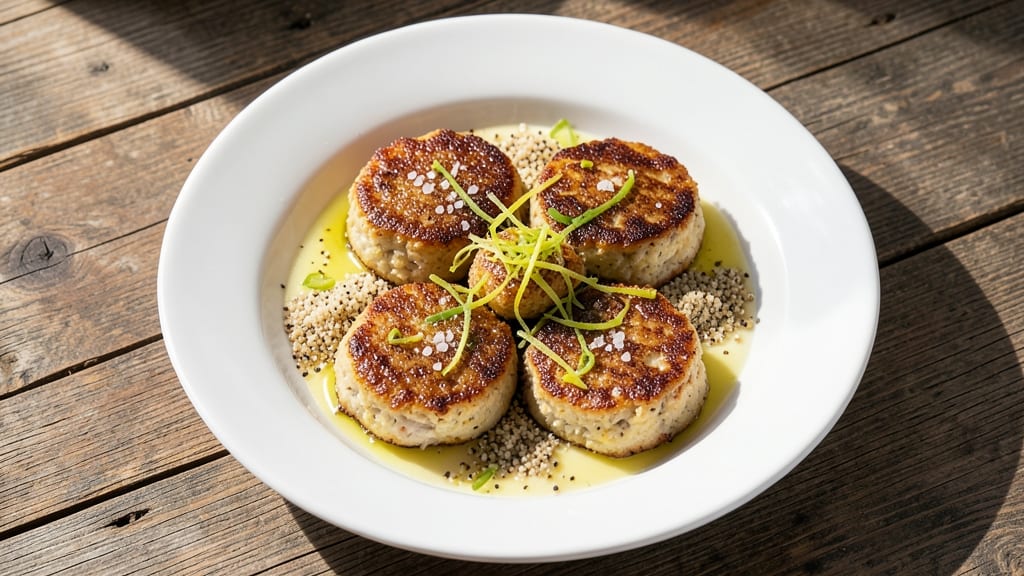
This fish cake recipe no potato delivers all the crispy, golden perfection of classic versions—but with a light, fluffy center and no starchy fillers. The secret lies in a cornmeal crust that stays crunchy while the egg-rich interior remains tender, creating a texture that’s impossible to resist.
I developed this after years of testing potato-free alternatives, and it’s now my go-to for weeknight dinners or holiday appetizers.
The beauty of this method is its simplicity: just 5 key ingredients (plus optional fillings) come together in minutes, and the cakes cook in 15 minutes—whether you pan-fry, bake, or air-fry.
The cornmeal creates a crispy exterior that contrasts beautifully with the moist, eggy center, while a touch of lemon zest brightens every bite. No potatoes, no heavy binders—just pure, satisfying texture.
What makes these stand out is their versatility. Serve them as a warm appetizer with tartar sauce, a light main dish with a fresh salad, or even a freezer-friendly meal-prep staple.
The recipe scales effortlessly, and the technique works with cod, haddock, or salmon, making it adaptable to your favorite fish. Let’s get cooking—your taste buds will thank you.
For extra flavor, fold in finely chopped herbs, capers, or a sprinkle of smoked paprika into the mixture. The possibilities are endless, but the foundation—crispy crust, fluffy center, no potatoes—is foolproof. Ready to try it?
Ingredients for fish cake recipe no potato
Five simple ingredients transform into golden, crispy fish cakes with no potatoes needed.
| Ingredient | Amount | Notes |
|---|---|---|
| White Fish Fillets 🐟 | 1 ½ lb | Cod, haddock, or salmon preferred |
| Large Eggs 🥚 | 4 whole | Room temperature for best binding |
| Fine Cornmeal 🌾 | ½ cup | Stone-ground preferred for texture |
| Extra-Virgin Olive Oil 🫒 | ¼ cup | For crisping, high smoke point |
| Lemon Zest 🍋 | 1 tbsp | Freshly grated from organic lemons |
| Diamond Crystal Kosher Salt 🧂 | 1 tsp | Fine grain for even seasoning |
| Freshly Ground Black Pepper 🌶️ | ½ tsp | Cracked peppercorns preferred |
| All-Purpose Flour 🌾 | 2 tbsp | For light dusting between layers |
| Fresh Dill Weeds 🌿 | 2 tbsp | Finely chopped, optional but recommended |
| Capers 🍈 | 1 tbsp | Chopped, optional for briny contrast |
| Smoked Paprika 🌶️ | ½ tsp | For subtle smokiness, optional |
The fish makes all the difference here. Cod or haddock are ideal—they stay flaky while holding their shape, but salmon works beautifully too if you want richer flavor. Grab fresh fillets from Whole Foods seafood counter or your local fishmonger, where they'll often cut them into uniform pieces for you. If you're using frozen, thaw overnight in the fridge—never under running water, or the fish will turn to mush. The cornmeal is non-negotiable for that perfect crunch; stone-ground varieties like Bob's Red Mill create the best texture, but any fine cornmeal will work in a pinch. And don't skip the lemon zest—it's what keeps these from tasting flat.
No fresh dill? Dried dill at one-third the amount works, but you'll lose that bright, fresh flavor. Short on capers? Finely chopped cornichons or a pinch of salted caper powder gives similar briny punch. The smoked paprika is optional but adds depth—if you don't have it, a pinch of regular paprika plus a dash of liquid smoke mimics the effect. For the cornmeal crust, lightly toast it in a dry pan for 2 minutes before mixing to enhance its nutty flavor. And trust me on the room-temperature eggs—they bind better and create a lighter texture than cold ones straight from the fridge. Pro tip: if your fish cakes feel too wet, add 1 extra tablespoon of cornmeal to the mix.
These keep beautifully for 3 days in the fridge, wrapped tightly in parchment paper. For longer storage, freeze them uncooked for up to 2 months—just thaw in the fridge overnight before cooking. Reheating works best in a skillet with a little extra olive oil to restore that crispy exterior. I always make a double batch because they're perfect for meal prep: cook once, reheat all week. And if you're serving them as appetizers, arrange them on a platter with lemon wedges and tartar sauce for dipping—everyone will think you slaved away for hours.
Why You'll Love This Recipe
- No Fuss Mixing: I swear by this—just mash the fish, crack in eggs, stir in cornmeal, and fold. No food processor, no fine chopping, no stress. The lemon zest brightens everything while you’re still mixing, so you’re not left wondering if it’ll taste flat.
- Crispy-Creamy Magic: That cornmeal crust? Chef’s kiss. Golden and crunchy outside, tender fish inside—like a hug for your taste buds. The olive oil keeps it rich without being greasy, and the lemon zest cuts through the richness so it doesn’t feel heavy.
- Weeknight or Guest Night: Honestly, I make these for both. Toss them on a sheet pan for a 15-minute dinner when I’m exhausted, or serve them at a potluck—no one bats an eye at how simple they are. They’re light enough for summer but hearty enough for winter.
- Leftovers That Don’t Suck: Between us, most fish cakes turn dry or soggy the next day. Not these. The cornmeal keeps them from falling apart, and they reheat beautifully in a skillet with a splash of water. I’ve had them for breakfast, lunch, and even a late-night snack—no one complains.
Step-by-step instructions for crispy cornmeal fish cakes
A perfect balance of textures: golden, shatteringly crisp cornmeal crusts hugging tender, fluffy fish centers.
Prepare the Fish Mixture for Maximum Texture
Start by flaking the 1.5 lb white fish fillets into fine, even strands using your fingers or a fork. Place them in a large bowl and add the 4 whole large eggs, 1 tbsp lemon zest, 1 tsp diamond crystal kosher salt, 0.5 tsp freshly ground black pepper, 2 tbsp finely chopped fresh dill weeds, 1 tbsp chopped capers, and 0.5 tsp smoked paprika. Gently fold everything together with a silicone spatula until just combined—don't overmix or you'll develop gluten and ruin the delicate texture.
Here's the thing—room temperature ingredients bind better, so if your eggs are straight from the fridge, let them sit in warm water for 5 minutes while you prep the rest. The mixture should look moist but cohesive, like thick, chunky pancake batter. If it seems too loose, add 1 tbsp of the all-purpose flour to help bind it without making the cakes dense.
Create the Crispy Cornmeal Crust Layer
In a shallow bowl, combine the 0.5 cup fine cornmeal with the remaining 1 tbsp all-purpose flour. This is your crispy armor—don't skip the flour or you'll end up with crumbly cakes. Lightly coat each side of a 1.5-inch thick fish cake mold or use a ¼ cup measuring scoop to portion the mixture into 4 equal patties, pressing gently to form compact discs.
Dip each patty into the cornmeal-flour mixture, pressing firmly to adhere an even ⅛-inch thick crust on all sides. This double-layer technique ensures that crispy exterior we're after. Place the coated patties on a parchment-lined plate and let them rest for 10 minutes while you heat your pan. This brief pause allows the cornmeal to set up slightly, preventing crumbling during frying.
Fry to Golden Perfection with Controlled Heat
Heat 0.25 cup extra-virgin olive oil in a 10-inch nonstick skillet over medium heat until it shimmers but doesn't smoke—you're aiming for 325°F. Add the fish cakes and cook undisturbed for 3-4 minutes per side until they develop a deep golden-brown crust with crisp edges. The key is patience here; rushing will steam the cakes instead of crisping them.
You'll know they're ready when you can see the fish peeking through the crust in spots—this indicates the centers are just beginning to set. If the oil starts smoking or the cakes brown too quickly, reduce the heat to medium-low. For extra insurance, insert a thin meat thermometer into the thickest part of a cake—it should read 140°F at the center when done.
Rest and Serve with Flavorful Accompaniments
Transfer the crispy fish cakes to a wire rack set over a paper towel-lined plate. Tent loosely with foil and let them rest for 5 minutes—this crucial step prevents them from continuing to cook and turning rubbery. The cornmeal crust will stay crisp while the centers firm up just enough to hold their shape.
Serve immediately with lemon wedges for squeezing over the top and a dollop of your favorite tartar sauce or aioli. The contrast of the briny capers, smoky paprika, and bright lemon zest makes every bite sing. For an elevated presentation, garnish with additional fresh dill weeds and a sprinkle of flaky sea salt. These cakes are best enjoyed within 30 minutes of cooking while the crust maintains its perfect crunch.
Pro Tips For Making Fish Cake Recipe No Potato
- PAT THE FISH DRY: Wrap the fillets in paper towels and press hard for 10 minutes before mixing—this removes enough moisture to keep your cakes from turning into a soggy mess. I learned this the hard way when my first batch fell apart in the pan.
- USE COLD EGGS: Chill the eggs in the fridge for 20 minutes before whipping them into the fish mixture. Cold eggs emulsify better with the olive oil and cornmeal, giving you a smoother batter that holds together instead of breaking apart when frying.
- DON’T OVERMIX: Stir just until the cornmeal is evenly distributed—overworking the batter makes the cakes dense and rubbery. Think of it like folding in flour for pancakes: stop when it’s just combined.
- FRY IN BATCHES: Crowding the pan drops the oil temperature and steams the cakes instead of searing them. Use a slotted spoon to place 2–3 cakes at a time in the pan, and resist the urge to flip too soon—wait until the bottom is golden and crisp, about 3–4 minutes per side.
Best sauces and condiments for fish cake recipe no potato
Tartar Sauce Classic
This creamy, tangy sauce is a must with fish cakes—its briny, lemony flavor cuts through the richness beautifully.
I blend ½ cup mayonnaise (like Duke's for that classic taste) with 1 tbsp finely chopped capers, 1 tbsp fresh dill, 1 tsp lemon juice, and a pinch of Old Bay seasoning. For extra texture, fold in 1 tbsp finely chopped cornichons.
Serve in a small bowl for dipping or drizzle lightly over the top just before serving. 🍋
Lemon Aioli Bright
For a lighter option, try this zesty aioli that highlights the fish cakes' natural flavor. Whisk together ½ cup mayonnaise, 1 tbsp lemon zest, 2 tbsp fresh lemon juice, 1 small garlic clove (minced), and ½ tsp salt.
Thin with 1-2 tsp olive oil if needed for a smoother consistency. The bright acidity balances the cornmeal crust perfectly. Garnish with extra lemon zest before serving.
Remoulade with Mustard Kick
This French-inspired sauce adds depth with its mustard and herb notes. Mix ½ cup mayonnaise with 1 tbsp Dijon mustard, 1 tbsp whole-grain mustard, 1 tbsp chopped shallots, 1 tbsp chopped parsley, 1 tsp lemon juice, and ½ tsp smoked paprika.
The mustard's tang complements the smoky paprika in the fish cakes beautifully. Serve chilled for the best texture and flavor contrast. 🌶️
Creamy Dill Sauce
Double down on the dill flavor with this herb-forward sauce. Blend ½ cup sour cream with 2 tbsp mayonnaise, 2 tbsp chopped fresh dill, 1 tbsp lemon juice, and ½ tsp salt.
For extra richness, add 1 tbsp crème fraîche. This sauce's creamy texture pairs wonderfully with the crispy cornmeal crust. Drizzle generously over the top or serve on the side for dipping.
Spicy Sriracha Aioli
If you love heat, this spicy twist elevates the dish to new heights. Combine ½ cup mayonnaise with 1 tbsp sriracha, 1 tsp honey, 1 tsp rice vinegar, and ½ tsp grated ginger.
The sweetness of the honey balances the spice, creating a complex flavor profile that contrasts perfectly with the fish cakes' smoky notes. Start with ½ tbsp sriracha if you're sensitive to heat. 🔥
Herb Butter Finish
For a restaurant-quality touch, serve the fish cakes with a small pat of herb-infused butter. Mix 2 tbsp softened butter with 1 tbsp chopped parsley, 1 tsp chopped chives, and a pinch of lemon zest.
Melt the butter on warm fish cakes just before serving—it adds a luxurious, savory finish that ties all the flavors together. This works especially well if you're serving the cakes as an appetizer or light main course.
Nutrition facts
Frequently asked questions
Can I use other fish besides cod, haddock, or salmon?
This recipe works beautifully with tilapia, mahi-mahi, or even pollock. Stick to mild, flaky white fish—avoid oily varieties like salmon if you prefer a lighter texture. The cornmeal crust handles all of them well, but cod and haddock still deliver the best balance of flavor and firmness.
Why does my fish cake mixture feel too wet or dry?
If it's too wet, add 1-2 tablespoons of cornmeal or all-purpose flour to absorb moisture. For dryness, mix in 1 extra egg yolk or 1 tablespoon of olive oil to restore cohesion. The ideal texture should resemble thick, chunky pancake batter—moist but not soupy. Overmixing is the #1 cause of dry cakes, so fold gently just until combined.
Can I bake these instead of frying?
Yes! Preheat your oven to 400°F and line a baking sheet with parchment. Lightly brush the shaped cakes with olive oil, then bake for 12-15 minutes until golden and crisp. For extra crunch, broil for 1-2 minutes at the end. Baked versions are slightly less crispy but still delicious—great for meal prep since they hold up better when reheated.
What's the best way to make these gluten-free?
Replace the all-purpose flour with gluten-free flour blend (like Bob's Red Mill 1:1) and use certified gluten-free cornmeal. For binding, add 1 tablespoon of ground flaxseed mixed with 3 tablespoons water to the egg mixture. The texture will be slightly different but still crispy and flavorful. Always check labels to avoid hidden gluten sources.
How do I prevent the cornmeal crust from falling off?
Press the cornmeal coating firmly onto each cake before resting, and avoid moving them until they're in the pan. Chill the shaped cakes for 15 minutes in the fridge before cooking to help the crust adhere better. If they still crumble, the mixture may be too wet—add more cornmeal or flour to the coating. Patience is key: don't flip too soon!