
Side Dishes
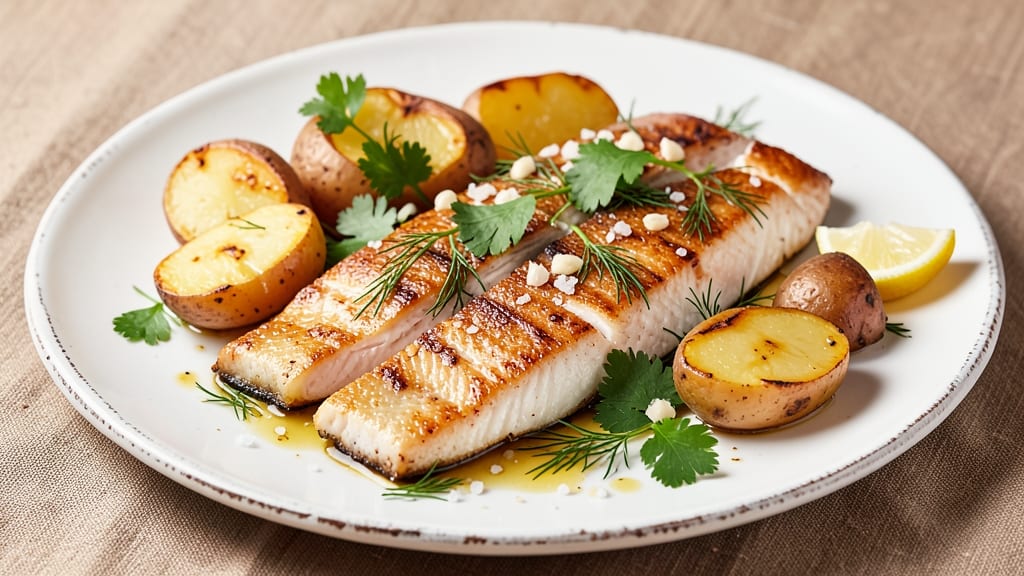
This cod fish and potatoes recipe delivers restaurant-quality results with minimal effort—crispy golden potatoes and perfectly flaky white fish that melt in your mouth. The secret lies in the pan-searing technique, which creates a buttery crust on the fish while keeping the inside tender.
I developed this method after years of experimenting with different cooking approaches, and it consistently delivers professional results at home.
What makes this dish special is the balance of textures and flavors—crispy potato edges contrast beautifully with the delicate flakiness of the cod, all tied together by a simple garlic-herb butter. The recipe uses just a few high-quality ingredients, ensuring every bite is packed with flavor without being overly complicated.
With proper timing, you can have a complete meal on the table in under 30 minutes.
The star of this dish is the cod, which is pan-seared to achieve that perfect crispy exterior while maintaining a moist, flaky interior. The potatoes are roasted until golden and tender, absorbing the buttery garlic flavors perfectly.
Together, they create a harmonious plate that's both elegant and satisfying—ideal for weeknight dinners or special occasions.
This recipe works equally well for casual family meals or dinner guests, as it presents beautifully on a plate with minimal effort. The combination of crispy potatoes and flaky cod makes it a crowd-pleaser, and the simple seasoning ensures the natural flavors shine through.
Let's get started on creating this delicious, foolproof dish.
Ingredients for cod fish with potatoes
High-quality seafood and potatoes transform into a restaurant-worthy meal with minimal effort.
| Ingredient | Amount | Notes |
|---|---|---|
| White Fish Fillets (Cod) 🐟 | 1 ½ lb | Skin-on for better texture, ask for center-cut |
| Yukon Gold Potatoes 🥔 | 1 ½ lb | Cut into 1-inch chunks, waxy variety preferred |
| Unsalted Butter 🧈 | ½ cup | Cold, cut into 8 equal pieces |
| Garlic Cloves 🧄 | 4 cloves | Minced, fresh preferred |
| Fresh Parsley 🌿 | ¼ cup | Finely chopped, flat-leaf preferred |
| Fresh Dill 🌿 | 2 tbsp | Chopped, stems removed |
| Extra-Virgin Olive Oil 🫒 | 2 tbsp | Light variety for high heat |
| Diamond Crystal Kosher Salt 🧂 | 1 ½ tsp | For seasoning, adjust to taste |
| Freshly Ground Black Pepper 🌶️ | ½ tsp | Coarse grind preferred |
| Lemon Zest 🍋 | 1 tbsp | From 1 organic lemon |
| Lemon Juice 🍋 | 1 tbsp | Freshly squeezed |
| All-Purpose Flour 🌾 | ¼ cup | For dredging fish fillets |
The cod selection is critical for this dish. Opt for center-cut fillets with skin—this ensures the fish stays together during cooking and the skin crisps beautifully. Your local seafood counter or Whole Foods fishmonger can source the freshest cuts; look for fillets with a bright, translucent appearance and minimal fishy odor. If shopping at a regular grocery store, Wild Alaskan cod is consistently reliable. For the potatoes, Yukon Golds strike the perfect balance between creaminess and structure—avoid russets, which can turn mealy when roasted. Cut them into even 1-inch chunks to ensure consistent cooking.
No fresh dill? Substitute with 1 tbsp dried dill, but reduce the amount by one-third since dried herbs are more concentrated. Running low on lemon? Lime zest and juice work equally well, though the flavor profile shifts slightly. For the flour dredge, cornstarch at half the amount creates an even crispier crust on the fish. The butter should be cold and cubed—this ensures proper browning during searing. If you prefer a lower-fat option, olive oil-rubbed chicken fillets can be substituted, though the texture will differ slightly. For the potatoes, red potatoes or fingerlings work equally well if Yukon Golds aren't available.
Store the cod and potatoes separately in airtight containers for up to 2 days in the refrigerator. The prepared garlic-herb butter mixture can be refrigerated for 3 days or frozen for 3 months in a sealed container. To maximize crispiness, reheat the potatoes from cold in a 400°F oven for 10-15 minutes before serving. The fish is best served immediately after cooking, but leftovers can be gently reheated in a skillet with a splash of water for 2-3 minutes per side—just be cautious not to overcook, as cod becomes dry quickly when reheated.
Why You'll Love This Recipe
- One-Pan Magic: I swear by this for lazy nights—just toss the potatoes and cod on a sheet pan, drizzle with butter and garlic, and let the oven do the work. No chopping boards, no extra pots, just hands-off perfection.
- Buttery-Garlic Bliss: That moment when the cod flakes apart with a fork, swimming in a pool of garlic-infused butter? Honestly, it’s the kind of dish that makes you pause mid-bite and think, "I should’ve made this sooner." The Yukon Golds soak up all the richness like sponges.
- Leftovers That Don’t Suck: Between us, most fish leftovers end up in the trash. Not this. The cod stays moist, the potatoes stay tender, and reheated with a splash of water? Still tastes like a restaurant meal. (Yes, even on a Tuesday night.)
- Budget Dinner Win: Cod’s affordable, potatoes are a pantry staple, and you’re using butter and garlic—ingredients that stretch across multiple meals. I’ll be real: this feeds four for under $20, and the parsley makes it feel fancy without breaking the bank.
Step-by-step instructions for cod fish and potatoes recipe
Master this technique for restaurant-quality crispy potatoes and perfectly flaky cod every time.
Par-cook and Season the Potatoes
Place the 1.5 lb Yukon Gold potatoes in a medium pot and cover with cold water by 1 inch. Add 1 tsp of the diamond crystal kosher salt and bring to a boil over medium-high heat. Reduce to a simmer and cook for 8-10 minutes until the potatoes are fork-tender but still hold their shape when pierced.
Drain immediately and return them to the pot. Add the 0.5 cup unsalted butter, cut into 8 equal pieces, and toss gently to coat. Transfer to a wire rack set over a baking sheet and let cool completely. This par-cooking ensures tender potatoes while preventing them from turning to mush during final cooking. The residual butter will create that signature crispy crust we're after.
Create the Flour Crust for the Cod
Pat the 1.5 lb white fish fillets completely dry with paper towels, pressing firmly to remove all moisture. Place them on a plate and season both sides generously with the remaining 0.5 tsp diamond crystal kosher salt and 0.5 tsp freshly ground black pepper. Let them sit for 5 minutes—this helps the seasoning adhere and prevents curling during cooking.
In a shallow dish, combine the 0.25 cup all-purpose flour with 1 tbsp lemon zest and 0.5 tsp freshly ground black pepper. Dredge each fillet lightly in the flour mixture, shaking off any excess. The lemon zest adds brightness while the flour creates that golden crust essential for flaky texture. Don't press too hard or you'll compact the fillets and prevent them from flaking properly.
Pan-Sear the Potatoes to Crispy Perfection
Heat 1 tbsp extra-virgin olive oil in a large oven-safe skillet over medium-high heat until shimmering. Add the par-cooked potatoes in a single layer, spacing them evenly. Cook undisturbed for 5-6 minutes until the edges develop a deep golden brown crust and the undersides are crispy. Use a fish spatula to carefully flip each potato and cook another 4-5 minutes until evenly browned.
Transfer the skillet to a 400°F preheated oven and cook for an additional 8-10 minutes until the potatoes are heated through and the crust is uniformly crisp. The oven finish ensures even cooking while maintaining that crispy exterior. Remove from the oven and keep warm while you prepare the fish.
Pan-Seare the Cod for Maximum Flakiness
Increase the oven temperature to 425°F while the potatoes cook. Heat the remaining 1 tbsp extra-virgin olive oil in a clean skillet over medium heat until just smoking. Add the flour-dredged cod fillets, skin-side down, and cook for 3-4 minutes until the edges are golden brown and the skin is crispy. Flip carefully and cook another 2-3 minutes until the fish releases easily from the pan and reaches an internal temperature of 145°F when measured at the thickest part.
Transfer the cod to a plate and tent loosely with foil to keep warm. The residual heat will finish cooking the fish through while maintaining that delicate flakiness. The skin should be golden and crispy while the flesh remains tender and moist—this is where the flour crust and proper cooking temperature work together to deliver that perfect texture.
Finish with Herbs and Lemon
Return the potatoes to the skillet and stir in the 4 cloves minced garlic, cooking for 30 seconds until fragrant. Remove from heat and add the 0.25 cup finely chopped fresh parsley, 2 tbsp chopped fresh dill, 1 tbsp lemon juice, and any accumulated juices from the cod. Toss gently to combine.
Slice the cod fillets and arrange them over the potato mixture. Garnish with additional chopped parsley and a sprinkle of lemon zest. The bright citrus notes cut through the richness of the butter and potatoes, while the fresh herbs add a vibrant finish. Serve immediately while the fish is still flaky and the potatoes maintain their crispy exterior.
Pro Tips For Making Cod Fish With Potatoes
- Dry the Cod First: Pat those fish fillets thoroughly with paper towels—no soggy skin here. I learned this the hard way when my cod turned out steamed instead of seared. Wet skin = no crust, and nobody wants sad, limp fish.
- Cut Potatoes Evenly: Use a mandoline or sharp knife to slice Yukon Golds exactly ¼-inch thick—consistency matters. Uneven pieces mean some burn while others stay raw. (Yes, even if you’re impatient like me.)
- Salt the Potatoes Early: Toss the raw potato slices with salt and a drizzle of butter before cooking. This draws out moisture and guarantees crisp edges. I skip this when I’m lazy, but the dish is noticeably better when I don’t.
- Sear the Garlic Low: Add minced garlic to the pan after the potatoes start sizzling, then immediately lower the heat. Burnt garlic ruins everything—trust me, I’ve smelled it. A quick 30 seconds is all you need.
Pro cooking tips for this dish
Potato Par-Cooking
Never skip the par-cooking step—this is what transforms your potatoes from mushy to perfectly crispy. Start with cold water in your pot to ensure even cooking, and use Yukon Gold potatoes cut into 1-inch chunks for consistent texture.
The 8-10 minute simmer in salted water gets them fork-tender without falling apart. After draining, immediately toss them with ½ cup cold butter while they're still hot—this creates steam that helps develop that coveted crispy crust later. 🥔
Cod Seasoning Secret
Pat the cod fillets bone-dry before seasoning—any moisture left on the surface will prevent the flour crust from forming properly. I use Diamond Crystal kosher salt because it dissolves more evenly than table salt, and let the seasoned fillets rest for 5 minutes before dredging.
This resting time allows the salt to draw out just enough moisture so the flour adheres perfectly without making the fish soggy. The lemon zest in the flour mixture isn't just for flavor—it adds a subtle brightness that cuts through the richness of the butter.
Pan Temperature Control
The oil for searing the potatoes should be shimmering but not smoking—this is your sweet spot for even browning without burning. Use a cast-iron skillet (I recommend Lodge) because it retains heat perfectly and develops that signature crust.
For the cod, heat the oil until it's just smoking—this high heat is crucial for creating the crispy skin while keeping the inside tender. A good rule of thumb is to wait 30-45 seconds after adding the oil before adding the potatoes or fish.
Oven Finish Technique
Transferring the potatoes to a 400°F oven for the final 8-10 minutes might seem counterintuitive, but it's what gives them that restaurant-quality finish. The oven ensures even cooking while maintaining the crispy exterior that gets lost with stovetop-only methods.
For the cod, increase the oven to 425°F—this higher heat helps carry through any residual moisture in the fillets while keeping them flaky. The 145°F internal temperature is critical—any higher and the cod becomes dry.
Herb Timing Matters
Add fresh herbs and lemon juice off the heat—this preserves their vibrant colors and flavors. The 30-second garlic cook before adding herbs ensures the aroma infuses the potatoes without burning. I like to toss the potatoes gently with a fish spatula so they absorb the garlic butter flavor evenly.
For extra brightness, finish with a sprinkle of lemon zest right before serving—this adds a pop of color and freshness that makes the dish look (and taste) restaurant-worthy. 💫
Equipment Upgrades
Invest in a meat thermometer like the ThermoWorks Smoke—it's the only way to guarantee your cod reaches 145°F without overcooking. A fish spatula with silicone edges prevents the crispy potato crust from breaking apart when flipping.
For the flour dredge, use a fine-mesh sieve to shake off excess flour—this ensures a light, even coating that crisps perfectly without being heavy. These small upgrades make a world of difference in your final result.
Nutrition facts
Frequently asked questions
What's the best way to store leftover cod and potatoes?
Store the cod and potatoes separately in airtight containers in the fridge for up to 2 days. For longer storage, freeze the cod for 3 months and potatoes for 2 months. Reheat cod gently in a skillet with a splash of water for 2-3 minutes per side—never microwave, as it makes the fish dry. Potatoes reheat best in a 400°F oven for 10-15 minutes to restore crispiness.
Can I substitute cod with another white fish?
Yes! Haddock, halibut, or tilapia work equally well—just adjust cooking time slightly. Tilapia cooks faster (2 minutes per side) while haddock needs 3-4 minutes per side. Avoid thin fillets like sole, as they overcook quickly. The flour-dredge technique works for all these fish, but use 145°F internal temp as your guide.
Why did my potatoes turn out soggy instead of crispy?
This usually happens from one of three mistakes: overcrowding the pan (steam prevents browning), skipping the par-cooking step, or not drying the potatoes thoroughly after boiling. Always cook potatoes in a single layer with space between them, and pat them completely dry before the final sear. The oven finish is also critical—without it, the crust softens during stovetop cooking.
How do I make this dish ahead of time?
Prepare the potatoes up to 1 day ahead—par-cook, toss with butter, and refrigerate uncovered on a wire rack. Reheat directly from cold in the oven at 400°F for 15 minutes before finishing in the pan. For the cod, season and flour-dredge it up to 4 hours ahead, then refrigerate uncovered. Cook fresh for best texture, but you can store the finished fish in the fridge for 1 day and reheat gently.
What wine pairs best with this dish?
A crisp Sauvignon Blanc or dry Riesling complements the lemon-herb flavors perfectly. For red wine lovers, try a light Pinot Noir—its acidity balances the buttery potatoes. Avoid heavy wines like Cabernet, as they overpower the delicate fish. Serve chilled white wines at 45-50°F for optimal flavor.