
Side Dishes
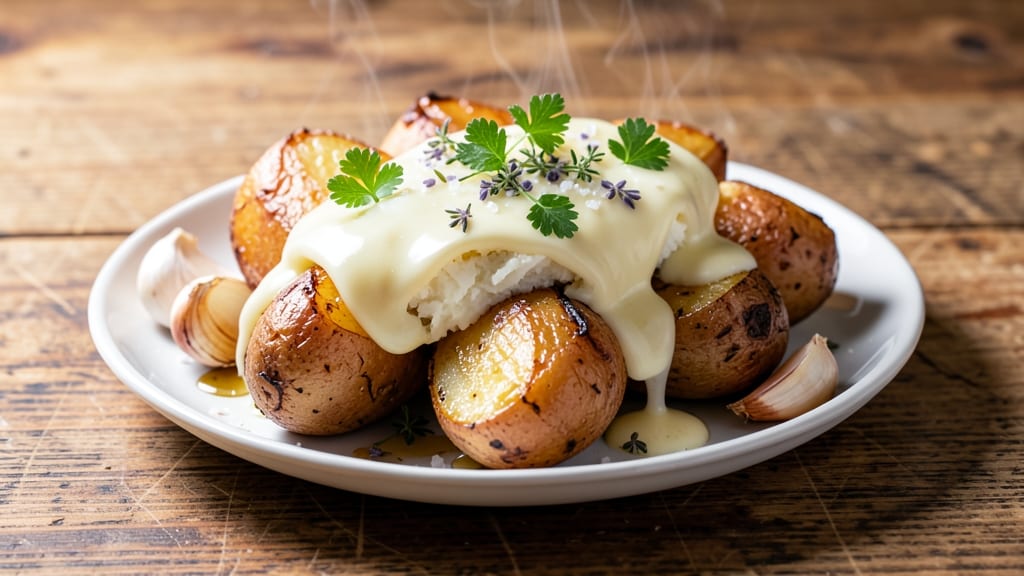
This Dutch potatoes recipe transforms simple spuds into a restaurant-worthy side with a crispy vinegar crust and herb-buttered richness. The secret lies in the perfect balance of boiling, frying, and baking—each step carefully timed to create that signature golden crust while keeping the insides tender.
I developed this method after years of experimenting with different techniques, and it never fails to impress.
The process starts with boiling potatoes until just tender, then frying them in butter until golden before finishing in the oven with a tangy vinegar glaze.
This combination of methods ensures both texture and flavor are elevated—crispy edges that shatter with every bite, paired with a creamy herb butter that melts into each forkful. The vinegar crust adds a bright, slightly acidic contrast that cuts through richer main dishes.
By the time you serve these potatoes, they'll be golden and crispy on the outside with fluffy, buttery centers that hold their shape. The herb butter adds layers of savory depth, while the vinegar crust delivers that signature tangy crunch.
This dish pairs beautifully with roasted meats, grilled fish, or even as a stand-alone vegetarian centerpiece.
Ready in about 45 minutes, this recipe delivers professional-quality results with minimal effort. Whether you're hosting a dinner party or simply craving a gourmet side, these Dutch potatoes will steal the show. Let's get started on creating this crispy, flavorful masterpiece.
Ingredients for dutch potatoes
Transform simple potatoes into a restaurant-worthy side with crispy edges and rich herb butter.
| Ingredient | Amount | Notes |
|---|---|---|
| Russet Potatoes 🥔 | 1 ½ lb | Medium size, cut into 1-inch chunks |
| Unsalted Butter 🧈 | ½ cup | Cold, cut into 1-inch cubes |
| Fresh Parsley 🌿 | ¼ cup | Chopped, stems removed |
| Fresh Thyme 🌿 | 2 tbsp | Chopped, finely |
| Garlic Cloves 🧄 | 3 cloves | Minced, fresh preferred |
| White Vinegar 🍶 | ¼ cup | Distilled, not apple cider |
| Granulated Sugar 🍚 | 1 tsp | For balancing acidity |
| Kosher Salt 🧂 | 1 ½ tsp | For boiling and seasoning |
| Ground Black Pepper 🌶️ | ½ tsp | Freshly ground |
| Vegetable Oil 🫒 | ¼ cup | For frying, high smoke point |
| Heavy Cream 🥛 | ¼ cup | For herb butter richness |
| All-Purpose Flour 🌾 | 1 tbsp | For coating potatoes |
The Russet potatoes are the foundation—medium size holds up best to boiling and frying. Avoid waxy varieties like Yukon Golds, which turn mushy. For the herb butter, Whole Foods or specialty grocers carry the best European-style unsalted butter, but Land O'Lakes works fine for home cooking. Fresh herbs like parsley and thyme from the grocery store's refrigerated section should be bright green and firm, not wilted. The garlic should be fresh, with no green shoots—Costco sells great bulk heads for this recipe. White vinegar is key for the signature crust; distilled is the standard in professional kitchens, but apple cider vinegar works in a pinch.
No fresh herbs? Dried parsley and thyme at half the amount will work, but the flavor won't be as vibrant. Running short on butter? Substitute equal parts heavy cream and cold butter cubes for the herb butter, though texture will differ slightly. For the vinegar crust, balsamic vinegar can replace white vinegar, but the flavor profile shifts toward sweetness. The potatoes can be peeled or left with skins—peeling ensures even cooking, while skins add rustic texture. Vegetable oil for frying should have a high smoke point (like Avocado oil or canola oil), but olive oil can be used in a pinch for a slightly different flavor. The heavy cream in the herb butter is non-negotiable—light cream or half-and-half won't yield the same richness.
Potatoes can be prepped a day ahead—parboil and store in cold water in the fridge until ready to fry. The herb butter should be made at least 1 hour before serving to allow flavors to meld. Store leftovers in an airtight container for up to 3 days, though texture may soften. For a crispier reheat, bake at 400°F for 15 minutes with a sprinkle of water. The vinegar crust loses crispiness when reheated, so plan to serve immediately for that signature crunch. Freezing isn't recommended—the potatoes become gummy when thawed.
Why You'll Love This Recipe
- Here’s what sold me: that crispy, crackly edge on the potatoes with a buttery center so rich, it’s practically a hug in food form. The thyme and parsley add just enough freshness to cut through the richness—like a little green whisper saying, "Yes, this is actually good for you."
- One-Pan Magic: I swear by this for nights when I’d rather not wash dishes. Peel, slice, roast—done. That’s it. The potatoes caramelize right on the sheet pan while the garlic and herbs melt into the butter, turning everything golden and fragrant without a single pot to scrub.
- Buttery Garlic Bliss: Here’s what sold me: that crispy, crackly edge on the potatoes with a buttery center so rich, it’s practically a hug in food form. The thyme and parsley add just enough freshness to cut through the richness—like a little green whisper saying, "Yes, this is actually good for you."
- Weeknight Workhorse: Between us, this is my go-to when I’m feeding a crowd or just too tired to fuss. Double the batch for leftovers (they reheat beautifully), or serve it alongside grilled chicken or steak—it’s the side dish that makes everything feel fancier. Honestly, I’ve even thrown it in lunchboxes for my kids. (They eat it. That’s a win.)
Step-by-step instructions for herb-buttered roast potatoes
Master this classic technique for perfectly crispy potatoes with a rich herb butter crust.
Parboil the Potatoes for Even Cooking
Place the 1.5 lb russet potatoes in a large pot and cover with cold water by about 2 inches. Add 1.5 teaspoons kosher salt and bring to a rolling boil over high heat. Once boiling vigorously, reduce heat to medium-high and cook for exactly 10 minutes—this partial cooking prevents uneven doneness while roasting.
Drain the potatoes immediately in a colander and shake gently to remove excess water. The potatoes should be tender when pierced with a fork but still hold their shape. Return them to the pot and toss with 1 tablespoon all-purpose flour, coating each piece evenly. This flour creates the crispy crust during frying. Don't skip this step—it's what delivers that signature crunch.
Fry in Vegetable Oil for Maximum Crispiness
Heat ¼ cup vegetable oil in a large skillet over medium-high heat until it shimmers but doesn't smoke. Add the floured potatoes in a single layer, working in batches if needed. Cook undisturbed for 4-5 minutes until the undersides are deep golden brown and crispy. You'll see small bubbles forming around the edges—this is your signal they're ready to flip.
Carefully turn the potatoes over and cook another 4-5 minutes until evenly browned. The key here is patience—rushing causes uneven cooking. If the oil gets too hot and smokes, reduce the heat slightly to maintain control. Transfer the fried potatoes to a paper towel-lined plate to drain excess oil while you prepare the herb butter mixture.
Prepare the Herb Butter Mixture
In a small bowl, combine the ½ cup cold unsalted butter, ¼ cup heavy cream, 1 teaspoon granulated sugar, ½ teaspoon ground black pepper, 2 tablespoons chopped fresh thyme, and 3 cloves minced garlic. Mix with a fork until the butter is softened and the ingredients are thoroughly combined. This mixture should be thick but spreadable—if it's too firm, let it sit at room temperature for 5 minutes while you finish cooking the potatoes.
The sugar balances the acidity from the vinegar we'll add later, while the pepper and garlic add depth. I like to use fresh herbs here—their bright flavors stand out against the rich butter. If you're short on time, dried thyme works in a pinch, but reduce to 1 teaspoon since it's more concentrated.
Create the Vinegar Crust for Extra Crunch
Return the fried potatoes to the skillet over medium heat. Pour the ¼ cup white vinegar evenly over the potatoes, tilting the pan to coat all sides. The vinegar will sizzle dramatically—this is normal and creates that signature crispy crust. Cook for 1-2 minutes until the vinegar has mostly evaporated and the potatoes develop a glossy sheen.
Immediately remove the skillet from heat and pour the herb butter mixture over the potatoes. Using tongs, gently toss everything together until each potato is fully coated. The residual heat will melt the butter completely, creating a luscious, herby crust. If the butter solidifies before coating all potatoes, return the skillet to low heat for 30 seconds to remelt.
Roast to Perfection and Finish with Fresh Parsley
Transfer the potatoes to a baking sheet and roast in a preheated 400°F oven for 10-12 minutes. This final step ensures everything is heated through and the flavors meld together. Watch closely after 8 minutes—the potatoes should be piping hot and the butter should be bubbling gently around the edges.
Remove from the oven and sprinkle with ¼ cup chopped fresh parsley. The parsley adds a bright, fresh contrast to the rich butter and crispy crust. Serve immediately while the potatoes are still hot and crispy. These potatoes should have three distinct textures: crispy exterior, creamy interior, and that magical vinegar crust that shatters with every bite.
Pro Tips For Making Dutch Potatoes
- Cut Potatoes Uniformly: Use a mandoline or sharp knife to slice them ¼-inch thick—no thicker, no thinner. I learned this the hard way when my uneven slices cooked at different rates, leaving some rubbery and others overdone.
- Salt the Water Generously: Toss in 2 tablespoons of salt per gallon of water before boiling. Russets soak up flavor like sponges, and under-salting here means your potatoes will taste bland even after buttering. Trust me, they’ll thank you.
- Dry Before Browning: After boiling, drain and shake the potatoes in a clean kitchen towel for 2-3 minutes—get rid of every last drop of water. Wet potatoes steam instead of brown, and you’ll end up with sad, pale skins instead of crispy edges.
- Brown in Batches: Don’t crowd the pan—work in 2-3 layers if needed. I used to rush this and ended up with soggy potatoes instead of golden, buttery ones. A little patience here makes all the difference in texture.
Serving suggestions for this dutch potatoes
Classic Pairings
These Dutch potatoes shine alongside hearty mains like herb-roasted chicken or pan-seared steak. The crispy vinegar crust and rich herb butter complement the savory flavors beautifully. For a vegetarian spread, serve with mushroom Wellington or stuffed bell peppers—the potatoes' texture contrasts perfectly with creamy fillings. 🍗
Protein Pairings
For a complete meal, pair with garlic butter shrimp or beef tenderloin. The potatoes' tangy crust cuts through the richness of fatty meats, while the herb butter ties into the garlic notes.
I love serving them with smoked salmon for a lighter option—the vinegar crust adds a refreshing contrast to the fish's oiliness. 🐟
Vegetarian Pairings
Vegetarians will adore these with roasted Brussels sprouts or caramelized onions. The crispy potatoes balance the earthy sweetness of roasted vegetables. For a showstopper, serve with wild mushroom risotto—the creamy texture of the risotto pairs wonderfully with the potatoes' crunch.
Add a sprinkle of Parmesan cheese to tie everything together. 🥦
Beverage Pairings
A crisp Sauvignon Blanc from New Zealand enhances the herb butter's brightness, while a Belgian witbier complements the vinegar crust's tang. For non-alcoholic options, try sparkling apple cider—the bubbles cleanse the palate between bites. Avoid heavy reds that might overpower the delicate flavors. 🍷
Garnish Ideas
Brighten the dish with chopped chives or microgreens for freshness. A drizzle of truffle oil adds luxury, while crispy fried shallots elevate the texture. For a pop of color, scatter edible flowers like nasturtiums—they add a floral note that pairs beautifully with the vinegar crust. 🌸
Make-Ahead Serving
Prep the herb butter and vinegar mixture ahead of time, storing separately in the fridge. Reheat the potatoes in a 400°F oven for 10 minutes, then finish with fresh herbs and vinegar.
For a crowd, arrange potatoes on a large platter with the herb butter in a small bowl for self-serving—guests will love the interactive element. 🍽️
Nutrition facts
Frequently asked questions
Why do Dutch potatoes need to be parboiled first?
Parboiling creates a head start on cooking that prevents uneven doneness when roasted. The 10-minute boil tenderizes the center while keeping the outside firm enough to develop that signature crispy crust during frying. Skipping this step often results in undercooked centers or burnt exteriors.
Can I make Dutch potatoes without frying in oil?
Yes! For a lighter version, bake the parboiled potatoes at 425°F for 25 minutes after tossing with 1 tablespoon oil and seasoning. The vinegar crust will still form, though the texture will be less crispy. For best results, use a mix of 2 tablespoons oil and 1 tablespoon butter brushed on the potatoes before baking.
What's the secret to getting that perfect crispy crust?
The magic happens in three steps: flour coating (creates structure), high-heat frying (develops browning), and vinegar splash (locks in moisture while creating crispiness). Work in batches to avoid crowding the pan, and keep the oil at medium-high heat—too hot causes burning, too low gives greasy potatoes.
How do I store leftovers without losing crispiness?
Store in an airtight container for up to 3 days, but reheat at 400°F for 15 minutes with a splash of water to restore some crunch. For longer storage, freeze the herb butter separately and reheat potatoes plain, then add fresh butter when serving. The vinegar crust won't survive freezing, so save this technique for short-term storage.
Can I use sweet potatoes instead of russets?
Sweet potatoes work but require adjustments: reduce boiling time to 8 minutes (they cook faster) and add 1 extra tablespoon flour for adhesion. The flavor will be sweeter—balance it with extra thyme and black pepper in the herb butter. For best texture, stick with russets, which have lower moisture content.