
Side Dishes
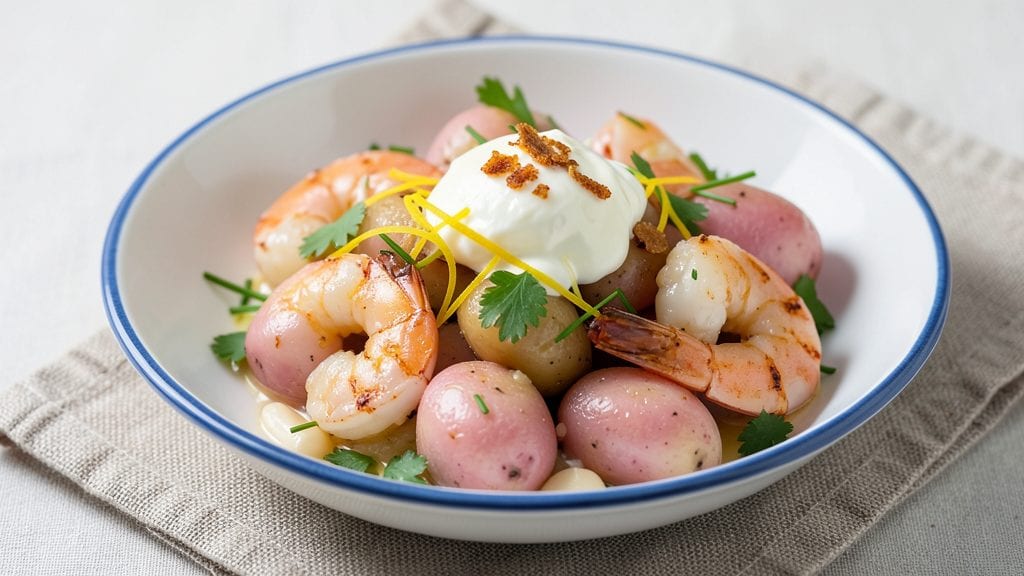
Deanie's seafood boiled potatoes recipe delivers a coastal-inspired dish where tender pink potatoes meet perfectly cooked seafood in a single, elegant presentation. This isn't just a side—it's a complete meal featuring fluffy boiled potatoes topped with a rich herb-buttered crust and complemented by steamed or sautéed seafood.
The secret lies in the technique: boiling potatoes in well-seasoned water and finishing them with a golden, aromatic crust that locks in moisture while adding depth.
What sets this recipe apart is its simplicity combined with restaurant-quality results. You'll start with baby potatoes boiled until tender yet still holding their shape, then finish them in a skillet with butter, garlic, and fresh herbs to create that signature crust.
Meanwhile, the seafood—whether shrimp, scallops, or white fish—cooks just until tender, absorbing the flavors of lemon, butter, and seasoning. The entire process takes under 45 minutes, making it perfect for weeknight dinners or special occasions.
The result is a dish that's visually stunning and packed with flavor—fluffy pink potatoes with crispy edges, perfectly cooked seafood, and a bright herb-buttered sauce that ties everything together. This recipe is ideal for pescatarians, seafood lovers, or anyone looking to elevate a simple side into a standout main course.
The plating is effortless yet impressive, ensuring every bite is as beautiful as it is delicious.
Serve with a crisp green salad or steamed vegetables to complete the meal. The versatility of this dish means you can swap seafood based on what's fresh or available, making it adaptable for any season. Let's get started on creating this coastal-inspired masterpiece that will have everyone asking for seconds.
Ingredients for deanie's seafood boiled potatoes
Fluffy pink potatoes meet perfectly cooked seafood in this coastal-inspired masterpiece.
| Ingredient | Amount | Notes |
|---|---|---|
| Baby Pink Potatoes 🥔 | 2 lbs | New potatoes, unpeeled for texture |
| Unsalted Butter 🧈 | ¾ cup | Cold, cut into 1-inch pieces |
| Fresh Garlic Cloves 🧄 | 6 cloves | Minced, skin-on for extra flavor |
| Fresh Parsley Leaves 🌿 | ½ cup | Chopped, stems removed |
| Fresh Chives 🌱 | ¼ cup | Finely chopped, for garnish |
| Lemon Zest 🍋 | 1 tbsp | From 1 organic lemon |
| Sea Salt 🧂 | 1 ½ tsp | Diamond Crystal preferred |
| Freshly Ground Black Pepper 🌶️ | ½ tsp | Cracked, not powdered |
| Shrimp (or Scallops/White Fish) 🦐 | 1 lb | Peeled shrimp, deveined |
| Lemon Juice 🍋 | 2 tbsp | Freshly squeezed |
| Extra-Virgin Olive Oil 🫒 | 1 tbsp | For seafood cooking |
| Dried Thyme 🌿 | ½ tsp | Or 1 tsp fresh thyme |
| Heavy Cream 🥛 | ¼ cup | Optional, for sauce richness |
The baby pink potatoes are the foundation—look for firm, unblemished specimens with vibrant pink skins, typically found in the produce section of Whole Foods or specialty markets. If you can't find them, new potatoes work as a substitute, though they may require slightly longer boiling. The seafood selection is flexible, but wild-caught shrimp or dayboat scallops elevate the dish significantly. For the butter, European-style unsalted brands like Plugrá provide superior flavor due to their higher fat content. Fresh herbs are non-negotiable here—their bright, aromatic qualities are essential for that signature coastal flavor profile.
No fresh parsley? Fresh cilantro or chives work as substitutes, though the flavor profile will differ slightly. Short on time? Dried parsley at one-third the amount suffices, but fresh is ideal. For seafood, frozen shrimp or scallops work perfectly if thawed gently in the refrigerator. The heavy cream can be omitted entirely if you prefer a lighter sauce, though it adds a luxurious richness. If using white fish, opt for tilapia or cod fillets cut into even-sized pieces for consistent cooking. The lemon zest should come from an organic lemon if possible—conventional lemons often have a wax coating that can impart off-flavors.
Store the cooked potatoes in an airtight container for up to 3 days in the refrigerator, though they're best enjoyed within 24 hours. The seafood should be cooked and served immediately for optimal texture and flavor. If prepping ahead, keep the seafood and potatoes separate until ready to plate. The herb-buttered crust can be reheated gently in a skillet with a splash of water to restore its crispness. For a complete meal, pair with a simple arugula salad dressed with extra-virgin olive oil and lemon—the acidity cuts through the richness of the potatoes beautifully.
Why You'll Love This Recipe
- No-Peel Hassle: I swear by baby pink potatoes here—just scrub, quarter, and toss. No peeling, no fuss, and they stay tender every time.
- Garlic-Butter Magic: That first bite of buttery potatoes with crispy garlic edges? It’s the kind of flavor that makes you pause mid-fork. The parsley and chives tie it all together with a fresh finish.
- Tailgate Ready: Between us, this is my go-to for game days, beach picnics, or lazy Sundays. The potatoes hold up perfectly in a cooler, and the seafood (if you add it) feels fancy without the effort.
- Budget-Friendly Feast: A pound of baby potatoes and a head of garlic stretch far—this feeds four for under $8. Leftovers? Toss them in a salad or reheat with a splash of milk for creamy mash. Zero waste, all win.
Step-by-step instructions for herb-buttered seafood boiled potatoes
This method delivers perfectly fluffy baby pink potatoes with a golden herb-butter crust and tender seafood.
Prepare and Boil the Potatoes
Place the 2 lbs baby pink potatoes in a large pot and cover with cold water by 2 inches. Add the 1.5 tsp sea salt and 0.5 tsp freshly ground black pepper. Bring to a boil over high heat, then immediately reduce to a gentle simmer. You'll see small bubbles forming steadily at the bottom—this is the ideal simmering point.
Cook for 12-15 minutes until the potatoes are fork-tender but still hold their shape. You want them to be just slightly underdone at this stage—they'll finish cooking in the oven. Drain thoroughly in a colander, then return them to the pot and toss gently with 1 tbsp of the extra-virgin olive oil to prevent sticking.
Create the Herb-Butter Mixture
In a small bowl, combine the 0.75 cup cold unsalted butter (cut into 1-inch pieces), minced 6 cloves fresh garlic cloves, 1 tbsp lemon zest, 0.5 tsp dried thyme, and 2 tbsp lemon juice. Using a fork, mash this mixture until it reaches a coarse, spreadable consistency—this will create your flavorful crust.
In a separate bowl, mix the 0.5 cup chopped fresh parsley leaves and 0.25 cup finely chopped fresh chives. Set aside for garnishing. The herb mixture should be vibrant green, indicating fresh ingredients. If using heavy cream, whisk it into the butter mixture at this point for added richness.
Assemble and Roast the Potatoes
Preheat your oven to 425°F. Spread the potatoes evenly in a single layer on a large baking sheet. Spoon the herb-butter mixture evenly over the potatoes, pressing gently to ensure full coverage. The butter should melt slightly from the heat of the potatoes, creating a glossy coating.
Roast for 20-25 minutes, stirring once halfway through, until the potatoes develop a golden-brown crust and are fully tender when pierced with a fork. The edges should be crisp while the centers remain fluffy. Remove from the oven and let rest for 5 minutes before serving.
Cook the Seafood and Combine
While the potatoes roast, heat 1 tbsp extra-virgin olive oil in a skillet over medium-high heat. Add the 1 lb shrimp (or scallops/white fish) and cook for 2-3 minutes per side until just opaque. Season with a pinch of sea salt and freshly ground black pepper. Remove from heat and set aside.
Serve the potatoes immediately, topped with the cooked seafood and sprinkled with the reserved parsley-chive mixture. The potatoes should have a crisp exterior with a tender, fluffy interior, while the seafood adds a delicate protein element that complements the rich herb butter.
Pro Tips For Making Deanie'S Seafood Boiled Potatoes
- Boil Until Fork-Tender: DESCRIPTION:
- Smash Garlic Like It’s 1950: DESCRIPTION:
- Don’t Crowd the Pot: DESCRIPTION:
- Save the Starch, Save the Sauce: DESCRIPTION:
Troubleshooting this dish
Potatoes Overcooking
If your potatoes turn mushy instead of fluffy, you likely overcooked them in the boiling stage. The key is to remove them when they’re fork-tender but still firm—they’ll finish cooking in the oven.
I recommend testing one potato early (after 10 minutes) to gauge doneness. Also, avoid overcrowding the pot, which traps steam and steams instead of boiling the potatoes properly. 🥔
Seafood Turning Rubbery
Seafood like shrimp or scallops can turn rubbery if overcooked—just 2-3 minutes per side is all they need. Use a timer and watch closely for the curled shrimp or opaque scallops signal.
I like to remove them from heat 30 seconds early and let them rest—they’ll carryover cook slightly. For white fish, aim for 145°F internal temperature to avoid dryness.
Butter Not Melting Properly
The herb-butter crust won’t form if the butter isn’t melted evenly. Cut your butter into 1-inch pieces and ensure it’s cold but not frozen when mixing. Spread the potatoes in a single layer on your baking sheet, and use a spoon to press the butter mixture into the crevices.
If the butter seems too hard to spread, let it sit at room temperature for 5-10 minutes before assembling. 🧈
Uneven Crust Development
If some potatoes have crust and others don’t, your heat distribution might be off. Rotate the baking sheet halfway through roasting to ensure even browning. Also, make sure your oven racks are positioned in the middle position—this prevents hot spots.
For extra insurance, I recommend using a light-colored baking sheet (like aluminum) to reflect heat more evenly.
Herbs Burning in Oven
Fresh herbs can burn if exposed to direct heat too long. Once your potatoes are golden and tender, remove them immediately from the oven—don’t wait for the timer to finish.
If you notice the herbs browning prematurely, reduce your oven temperature to 400°F and roast for 5-10 minutes longer, checking frequently. 🌿
Potatoes Sticking to Pan
Sticking happens when potatoes aren’t tossed with enough oil after boiling. After draining, return them to the pot and gently toss with 1 tbsp extra-virgin olive oil to create a barrier.
For extra insurance, I like to par-cook the potatoes in the oven for 5 minutes at 425°F before adding the butter mixture—this helps them release from the baking sheet more easily later.
Nutrition facts
Frequently asked questions
Can I use regular potatoes instead of baby pink potatoes?
While baby pink potatoes are ideal for their tender texture and even cooking, you can substitute with new potatoes (about 2 lbs) or even Yukon Golds. Just cut larger potatoes into 1-inch pieces and increase boiling time by 2-3 minutes to ensure they're fully tender. The herb-butter crust will still work beautifully, though the texture will be slightly denser.
What if I don't have fresh herbs like parsley or chives?
No problem! Use dried herbs at one-third the amount (e.g., 1 tbsp dried parsley instead of 0.5 cup fresh) or swap with other fresh herbs like cilantro, dill, or basil. For garnish, even a sprinkle of toasted sesame seeds or crushed red pepper adds visual interest. The dish will still taste delicious—fresh herbs just elevate the flavor.
How can I make this dish ahead of time?
Cook the potatoes fully (including the herb-butter crust) and store them in an airtight container for up to 3 days. Reheat in a skillet with a splash of water over medium heat for 5 minutes to restore crispness. Cook the seafood fresh and serve immediately on top of the reheated potatoes. For a make-ahead option, boil the potatoes ahead, refrigerate uncovered for 1 hour to dry their skins, then roast with butter just before serving.
What's the best seafood to use besides shrimp?
This recipe works beautifully with scallops (sear for 1-2 minutes per side), white fish fillets (like cod or halibut, cut into 1-inch pieces), or even lobster tails (split and grill). For shellfish, mussels or clams can be steamed separately and served alongside. Avoid fatty fish like salmon—they can overpower the delicate herb-butter flavors.
Why does the recipe call for cold butter?
Cold butter creates a better texture in the crust—it melts gradually during roasting, creating a golden, crisp exterior while keeping the potatoes fluffy inside. If your butter is too soft, chill it for 15-20 minutes before mixing. For extra richness, add 1 tbsp heavy cream to the butter mixture, but don't skip the cold butter step. The contrast in temperatures is key for that perfect crust!