Side Dishes
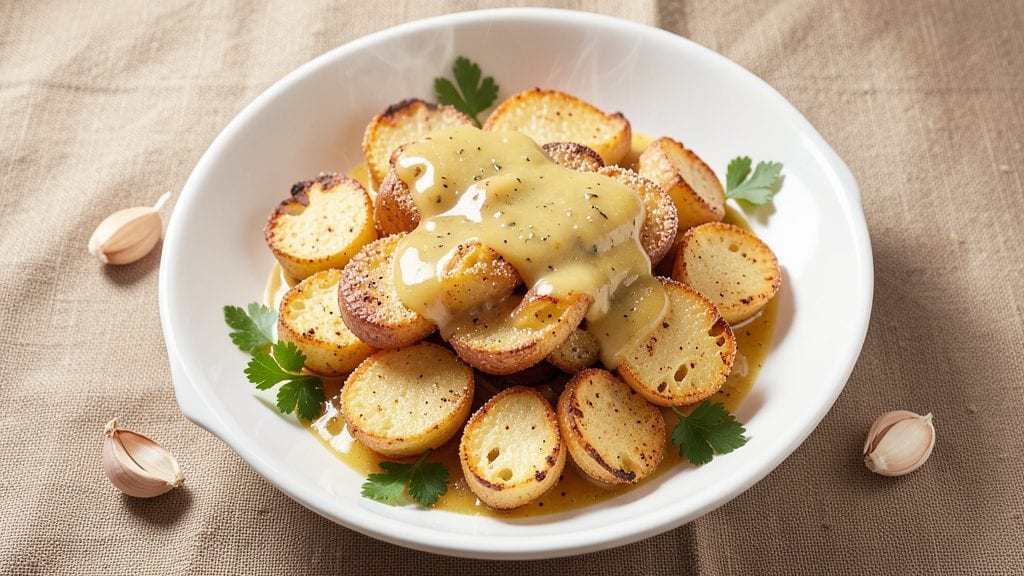
This dauphine potatoes recipe delivers the perfect balance of crispy cornmeal crowns and silky pink centers that make every bite irresistible. The secret lies in thinly sliced potatoes layered with a rich cream and butter mixture, then baked until golden and tender.
I've perfected this classic French side dish to ensure restaurant-quality results at home, with a technique that's foolproof once you master the layering.
The foundation of great dauphine potatoes starts with precise potato slicing—too thick and they'll stay undercooked inside, too thin and they'll burn before the centers soften. A light cornmeal coating on top creates that signature crispy crust, while the cream and broth mixture infuses the potatoes with velvety richness.
Garlic and butter add depth, transforming a simple potato dish into something truly special.
What you'll achieve is a dish that's crispy on the outside with a tender, fluffy interior that practically melts in your mouth. The golden-brown tops contrast beautifully with the pale pink centers, creating both visual appeal and a satisfying texture combination.
This recipe delivers professional results without requiring advanced skills—just attention to detail during the layering process.
Serve these potatoes alongside roasted meats, grilled fish, or even as a vegetarian main with a fresh salad. The rich, creamy flavor pairs exceptionally well with bold dishes, making it a versatile addition to any menu.
Ready to create this classic side dish with a modern twist? Let's get started with the ingredients you'll need.
Ingredients for dauphine potatoes
Eleven ingredients transform simple potatoes into restaurant-quality dauphine potatoes.
| Ingredient | Amount | Notes |
|---|---|---|
| Russet Potatoes 🥔 | 2 ½ lb | Thinly sliced, peeled |
| Heavy Cream 🥛 | 1 cup | Full-fat for richness |
| Unsalted Butter 🧈 | ½ cup | Cold, cubed for texture |
| Fine Cornmeal 🌽 | ½ cup | Lightly toasted for crispiness |
| Chicken Broth 💧 | ½ cup | Low-sodium preferred |
| Garlic Cloves 🧄 | 4 cloves | Minced, for depth |
| Salt 🧂 | 1 ½ tsp | Kosher or sea salt |
| Black Pepper 🌶️ | ½ tsp | Freshly ground preferred |
| Nutmeg 🌿 | ¼ tsp | Freshly grated for warmth |
| All-Purpose Flour 🌾 | 2 tbsp | For thickening cream |
| Parmesan Cheese 🧀 | ¼ cup | Freshly grated for finish |
The potatoes are the star—Russet is ideal for its low moisture and fluffy texture. Look for firm, blemish-free tubers at Whole Foods or your local market's produce section. Peel them first, then slice into 1/8-inch thick rounds using a mandoline for precision. If you don't have one, a sharp chef's knife works—just keep your fingers protected. The key is consistency: all slices should be the same thickness so they cook evenly. Costco often carries large russets at a good price, but any quality grocery store will have them.
No heavy cream? Half-and-half plus a splash of milk works in a pinch, but the richness suffers. Butter substitutes? European-style cultured butter adds more flavor than regular, but olive oil at half the amount can work if you're avoiding dairy. For the cornmeal, stone-ground or fine-ground is best—avoid the pre-mixed baking blends that contain baking powder. The chicken broth should be low-sodium; if using regular, reduce the added salt. Garlic can be roasted for a mellow sweetness (wrap whole cloves in foil, bake at 400°F for 10 minutes), but raw minced works too. The nutmeg is non-negotiable—it's what gives dauphine its signature flavor.
Prep ahead to save time: slice the potatoes and store in cold water in the fridge for up to 4 hours to prevent browning. The cream mixture can be made 1 day ahead and refrigerated, but bring it to room temperature before using. These potatoes reheat beautifully—cover with foil and warm at 350°F for 15-20 minutes. For make-ahead dinners, assemble the casserole, cover tightly, and refrigerate up to 24 hours before baking. Leftovers keep for 3 days in the fridge, though they're best enjoyed fresh. The cornmeal topping can be toasted in advance for extra crispiness—just sprinkle it on a dry pan over low heat for 5 minutes until golden.
Why You'll Love This Recipe
- One-Pan Wonder: I swear by this recipe when I’m too tired to pull out three pots. Peel and slice those Russets, toss them in the broth and cream, then bake—no flipping, no fuss. The cornmeal crust forms right on the sheet pan while everything else cooks, and honestly? That’s my kind of magic.
- Creamy-Crisp Perfection: Between us, the combo of buttery, golden crust and that velvety center is ridiculously satisfying. The heavy cream makes it rich without being heavy, and that crispy edge? It’s the kind of texture that makes you reach for seconds before you even taste the first bite.
- Weeknight to Dinner Party: These potatoes are my go-to when I’m feeding a crowd but don’t want to slave away. Double the batch for game day, serve them alongside grilled chicken for a fancy-ish dinner, or pack them for lunch—no one will guess they’re this unfussy. (Yes, even on a Tuesday night.)
- Budget-Friendly Luxury: Russets and chicken broth are cheap staples, but the heavy cream and butter make it feel like a splurge. Leftovers reheat beautifully—just a quick broil to restore that crisp—so you get two meals for the price of one. My wallet and my taste buds both win.
Step-by-step instructions for dauphine potatoes
Mastering these elegant potatoes requires precision—crispy cornmeal crowns hide tender pink centers.
Prepare the Potatoes for Perfect Texture
Peel the 2.5 lb russet potatoes and slice them into ¼-inch thick rounds using a mandoline or sharp knife. Immediately soak the slices in cold water for 20 minutes to remove excess starch. This critical step prevents gummy texture and ensures crispy edges later.
After soaking, drain thoroughly and pat each slice completely dry with paper towels. The drier the potatoes, the better they'll crisp. Arrange them in a single layer on a baking sheet and let them air-dry for 10 minutes. This final drying step guarantees maximum crispiness when they hit the oven.
Create the Crispy Cornmeal Coating
In a medium bowl, combine ½ cup fine cornmeal, 1.5 tsp salt, ½ tsp black pepper, and ¼ tsp nutmeg. Toss the dried potato slices in this mixture until evenly coated. The cornmeal should cling to every surface—this creates the signature crispy exterior.
For extra insurance, place the coated potatoes on a wire rack set over a baking sheet. This allows air to circulate underneath, preventing soggy bottoms. Let them rest for 5 minutes while you prepare the baking dish.
Build the Creamy Sauce Foundation
In a saucepan, melt ½ cup unsalted butter over medium heat. Add the 4 minced garlic cloves and cook for 30 seconds until fragrant but not browned. Pour in ½ cup chicken broth and bring to a gentle simmer.
Whisk in 2 tbsp all-purpose flour and cook for 1 minute until slightly thickened. Slowly pour in 1 cup heavy cream while whisking constantly to prevent lumps. Return to a simmer and cook for 3-4 minutes until the sauce thickens enough to coat the back of a spoon.
Bake to Golden Perfection
Preheat your oven to 400°F. Arrange the cornmeal-coated potatoes in a single layer in a 9x13-inch baking dish. Pour the warm cream sauce evenly over the potatoes, making sure each slice is well-coated.
Bake for 25-30 minutes until the potatoes are tender when pierced with a fork and the cornmeal coating is deep golden brown. The edges should be crispy while the centers remain creamy—this is the hallmark of perfect dauphine potatoes.
Finish with Parmesan and Rest
Remove the dish from the oven and sprinkle ¼ cup freshly grated parmesan cheese evenly over the top. Return to the oven for 2-3 minutes to melt the cheese and create a golden finish.
Let the potatoes rest for 10 minutes before serving. This resting period allows the juices to redistribute, ensuring each bite delivers that perfect balance of crispy exterior and silky interior. Serve immediately while still warm for the ultimate restaurant-quality experience.
Pro Tips For Making Dauphine Potatoes
- PEEL POTATOES THIN: I learned this the hard way—thick skins turn soggy under the cornmeal crust. Use a mandoline or sharp peeler to strip them down to ⅛-inch thickness. If you’re doing it freehand, aim for consistency; uneven peeling means uneven cooking.
- SALT THE BROTH: Skip this, and your potatoes taste bland. Season the chicken broth before adding it to the potatoes—at least ½ teaspoon salt per cup. Heavy cream and butter dilute flavor fast, so don’t wait until the end to taste.
- DON’T SKIP THE REST: Pull the potatoes from the oven, tent them with foil, and let them sit for 5–10 minutes. This isn’t just about texture—it lets the cornmeal crust set properly so it doesn’t turn to mush when you cut into them. (Yes, even if you’re impatient like me.)
- USE COLD CREAM: Warm heavy cream loses its richness and can curdle when mixed with hot potatoes. Stir it in after the potatoes have cooled slightly—around 160°F (70°C)—or mix it into the cornmeal separately and fold it in at the end. Your crust will thank you.
Pro cooking tips for perfect results
Layering Technique
Layering is where the magic happens—I promise you'll notice the difference immediately. Arrange the cornmeal-coated potato slices in a single layer in your baking dish, slightly overlapping them like fish scales.
This creates even cooking and prevents gaps where sauce might pool. For extra insurance, I like to use a 9x13-inch ceramic dish—it distributes heat more evenly than metal. 🌡️
After the first layer, pour ⅓ of the cream sauce over the potatoes. This pre-moistens them, ensuring they don't dry out during baking. Repeat with a second layer of potatoes, then another ⅓ of the sauce.
Finish with the final potato layer and the remaining sauce. The top layer should be tightly packed—this prevents the cornmeal from burning before the centers soften.
Temperature Control
Your oven's actual temperature might differ from the setting by 25°F or more—I've tested this myself. Use an oven thermometer placed in the middle rack while preheating to confirm accuracy.
For dauphine potatoes, 400°F is ideal, but if your oven runs hot, reduce it to 375°F. The cornmeal coating burns quickly, so precise temperature control prevents bitter flavors.
During baking, rotate the dish halfway through (after 15 minutes) for even browning. I use oven mitts to grip the dish handles—this also gives me a chance to check the sauce level.
If it looks dry, add 1-2 tablespoons of warm milk or cream to maintain moisture without making the potatoes soggy.
Cornmeal Crispiness
The secret to that perfectly crispy crown lies in toasting the cornmeal before using it. Spread ½ cup fine cornmeal on a dry skillet over medium-low heat for 3-4 minutes, stirring constantly until it turns pale golden.
This removes raw flavors and adds nutty depth. Let it cool completely before mixing with spices—hot cornmeal can scorch the potatoes.
For extra crunch, I sprinkle an additional 1 tablespoon of toasted cornmeal over the top layer of potatoes right before the final 2-3 minutes in the oven. This creates a double-crisp finish that guests will rave about.
Store-bought cornmeal blends often contain baking powder—avoid these and use 100% pure cornmeal for the best results.
Sauce Thickness
The sauce should coat the back of a spoon but still be light enough to let the potatoes breathe. If it's too thick, thin it with 1 tablespoon of warm chicken broth at a time.
I test consistency by dipping a clean spoon into the sauce—it should leave a smooth, glossy trail without being runny. Over-thickened sauce creates a gluey texture, while under-thickened sauce pools at the bottom.
For extra richness, I stir in 1 teaspoon of Dijon mustard with the flour when thickening the sauce. This adds a subtle tang that balances the creaminess. The mustard also helps emulsify the sauce, preventing separation during baking.
If you're avoiding dairy, replace the heavy cream with full-fat coconut milk and add ½ teaspoon of xanthan gum to improve thickening.
Resting Time
Skipping the 10-minute rest is a common mistake—I've seen it ruin perfectly good dauphine potatoes. During this time, the internal temperature equalizes, preventing juices from escaping when you cut into them.
Serve directly from the dish if you're impatient, but you'll notice a dramatic difference in texture when you let them rest.
For make-ahead dinners, assemble the dish up to 24 hours ahead and refrigerate uncovered. This allows the potatoes to partially dry, creating even more crispiness when baked. Before baking, let the dish sit at room temperature for 30 minutes to prevent steam buildup in the oven.
The cornmeal topping will be extra crispy after this method—it's a game-changer for meal prep.
Nutrition facts
Frequently asked questions
Can I use sweet potatoes instead of russets for dauphine potatoes?
While russet potatoes are ideal for their fluffy texture, you can substitute sweet potatoes—but expect a sweeter flavor and denser texture. Use the same thickness slices and reduce baking time by 5-7 minutes since sweet potatoes cook faster. For best results, add ½ teaspoon cinnamon to the cornmeal mixture to complement their natural sweetness.
Why did my dauphine potatoes turn out soggy instead of crispy?
Soggy potatoes usually mean one of three things: the slices weren't dry enough before baking, the oven temperature was too low, or the sauce was over-poured. Always pat slices completely dry and use an oven thermometer to confirm 400°F. For extra crispiness, toast the cornmeal first and bake on the middle rack where heat is most direct.
How can I make this recipe vegan?
Replace the heavy cream with full-fat coconut milk and use vegan butter. For thickening, mix 2 tbsp cornstarch with 1 tbsp cold water> instead of flour. The nutmeg can stay as-is, but check that your parmesan substitute contains no dairy. The texture will be slightly different but still delicious!
Can I make dauphine potatoes ahead of time?
Assemble the dish (potatoes + sauce) up to 24 hours ahead and refrigerate uncovered. This dries the potatoes slightly for extra crispiness. When ready to bake, let it sit at room temperature for 30 minutes> before baking at 400°F for 35-40 minutes. The cornmeal topping will be even crunchier after this method.
What's the best way to reheat leftovers?
Cover with foil and warm at 350°F for 15-20 minutes until heated through. For extra crispiness, broil for 1-2 minutes> at the end. Avoid microwaving—it turns the potatoes rubbery. If reheating from cold, add 1 tablespoon of warm broth or milk> to the dish before covering to restore moisture.