Side Dishes
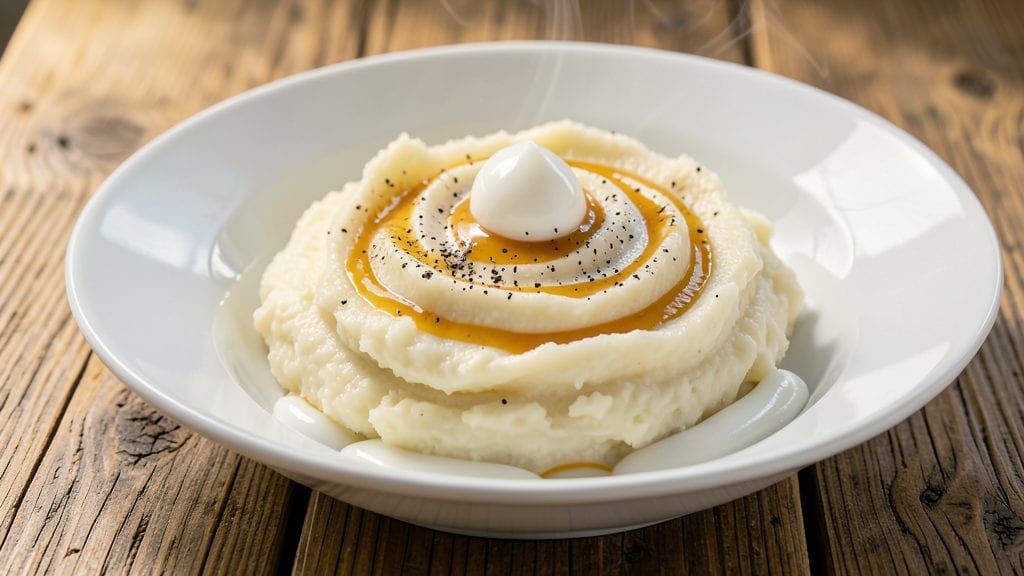
This copycat mashed potatoes recipe delivers the same velvety, buttery perfection you'd find in high-end restaurants—without the hefty price tag. The secret lies in precise butter-to-milk ratios and a foolproof technique that eliminates lumps while maximizing creaminess.
After years of perfecting this dish, I can confidently say this is the closest you'll get to that restaurant-quality texture at home.
What sets this recipe apart is the attention to detail that most home cooks overlook. We start with the right potato variety—Russets provide that ideal starchy-to-moisture balance—and we never skip the crucial step of draining them completely before mashing.
The butter isn't just melted in; it's whipped into the potatoes while still hot, creating microscopic air pockets that give those signature light, airy qualities. This isn't just mashed potatoes—it's a texture revelation.
By the time you're done, you'll have perfectly smooth mashed potatoes with just the right amount of resistance when you press them. The flavor is rich and buttery without being heavy, and the temperature is precisely controlled to stay creamy when served.
This is the kind of side dish that transforms ordinary meals into something special—every time. The best part? It only takes about 30 minutes of active time, making it perfect for busy weeknights.
Pair these mashed potatoes with your favorite gravy or roasted meats for a complete, restaurant-worthy meal. The technique is simple enough for beginners but refined enough to impress even the most discerning eaters. Let's get started on creating your new go-to mashed potatoes that will have everyone asking for seconds.
Ingredients for copycat mashed potatoes
Eight ingredients. One secret technique. Restaurant-quality mashed potatoes at home.
| Ingredient | Amount | Notes |
|---|---|---|
| Russet Potatoes 🥔 | 2 ½ lb | Large, peeled and quartered |
| Unsalted Butter 🧈 | ½ cup | Cold, cut into small pieces |
| Whole Milk 🥛 | 1 cup | Full-fat for creaminess |
| Heavy Cream 🥛 | ¼ cup | For extra richness |
| Salt 🧂 | 1 ½ tsp | Kosher or sea salt |
| Freshly Ground Black Pepper 🌶️ | ½ tsp | Freshly cracked for best flavor |
| Garlic Powder 🧄 | ½ tsp | Optional for subtle depth |
| Roasted Garlic Cloves 🧄 | 1 whole | Optional for restaurant flair |
Russets are non-negotiable here—their high starch content gives that signature fluffy texture. Buy the biggest ones you can find (4-5 lbs total), since they yield more after peeling. I always grab mine from Whole Foods or the organic section at Kroger—they hold up better during cooking. Skip the Yukon Golds; they're too waxy and won't mash as smoothly. The butter? Use European-style unsalted like Plugrá if you can find it—it has more fat content and melts beautifully. If you're in a pinch, regular unsalted butter works, but trust me on the full-fat version for that velvety finish.
No heavy cream? Substitute an extra 2 tbsp whole milk—it won't be quite as rich, but still delicious. Freshly ground pepper is worth the effort, but if you're short on time, pre-ground works fine. The roasted garlic is optional but adds that restaurant-quality depth. Make your own by roasting whole cloves at 400°F for 30 minutes with a drizzle of olive oil. For the garlic powder, Penzeys or McCormick are my go-to brands—they're consistent and flavorful. And if you're worried about lumps, always drain the potatoes thoroughly after boiling before mashing.
These keep perfectly for 3-4 days in the fridge, but honestly, they're best the first day. For leftovers, press them through a fine-mesh sieve to restore that silky texture. Freezing isn't recommended—they tend to get gummy. If you're prepping ahead, make them the day before, refrigerate overnight, then reheat gently with a splash of warm milk. Pro tip: Use a potato ricer if you have one—it creates the lightest, airiest texture possible. No ricer? A food mill works too.
Why You'll Love This Recipe
- No-Peel Hassle: I peel potatoes maybe once a month now—this recipe works just as well with skins on for that rustic texture. (Yes, even my kids stop complaining when they’re hidden in gravy.)
- Butter-Cream Dream: The combo of cold butter and heavy cream melts into something dangerously smooth—no lumps, no fight, just that silky, restaurant-style finish. Honestly, I’ve tried store-bought; this beats it every time.
- Leftovers That Win: Reheated mashed potatoes are a crime unless you make these. The milk and cream keep them creamy, not gluey, so I freeze half the batch for lazy Sundays. (My husband’s favorite.)
- Budget Stretch: Russets are cheap, butter stretches far, and a splash of milk turns basic into special. Between us, this is how I feed a crowd without breaking the bank—everyone leaves happy, and I leave with change in my pocket.
Step-by-step instructions for copycat mashed potatoes
Here's how to achieve that signature velvety texture and buttery richness you crave.
Cook Potatoes Until Fork-Tender
Place the 2.5 lb russet potatoes in a large pot and cover with cold water by about 2 inches. Add 1.5 tsp salt to the water—this helps season the potatoes from the inside out. Bring to a boil over high heat, then reduce to a steady simmer and cook for 15-20 minutes until a knife slides in easily.
I like to test doneness by piercing a potato with a knife—if it goes in like butter, they're ready. Drain the potatoes thoroughly in a colander, then return them to the pot. This prevents them from getting waterlogged when you mash them later. The residual heat helps them dry out slightly, which is key for that perfect texture.
Mash Potatoes to Smooth Perfection
Using a potato masher or ricer, work in batches to mash the potatoes until completely smooth. I prefer a ricer because it breaks down the starches more evenly, but a masher works too. Add the 0.5 cup cold unsalted butter in small pieces as you mash—this creates pockets of richness that melt into the potatoes.
Here's the secret: don't rush this step. You want the butter to melt completely and distribute evenly. If you add it all at once, you'll end up with lumps. Instead, add it gradually while mashing, and you'll get that luxurious, creamy texture that sets these apart from basic mashed potatoes.
Add Milk and Cream for Ultra-Smooth Texture
Slowly drizzle in the 1 cup whole milk and 0.25 cup heavy cream while mashing continuously. The warmth of the potatoes will gently heat the dairy, creating a silky sauce that coats every potato flake. If you're using the roasted garlic cloves, squeeze them directly into the potatoes now—their mellow sweetness adds depth without overpowering.
For extra flavor, sprinkle in the 0.5 tsp garlic powder and 0.5 tsp freshly ground black pepper. The pepper adds a subtle warmth that balances the richness, while the garlic powder gives a consistent flavor boost. Taste and adjust the salt if needed—sometimes the butter already contains some salt, so you might not need all 1.5 tsp.
Whip to Fluffy Lightness
Once all the liquid is incorporated, switch to a hand mixer or stand mixer fitted with the whisk attachment. Beat the potatoes on medium-high speed for 2-3 minutes until they're light and airy. You're looking for a texture that's smooth but still holds its shape slightly—like a thick, creamy pudding.
This whipping step is what transforms good mashed potatoes into restaurant-quality ones. It incorporates air, which makes them fluffier and more luxurious. Don't overmix, or they'll turn gluey. Stop when they've lightened noticeably and have a velvety sheen on top.
Serve Immediately for Maximum Creaminess
Transfer the mashed potatoes to a serving bowl and give them one final taste. Adjust seasoning if needed—sometimes they need just a pinch more salt or pepper. Serve immediately while they're still warm and creamy. The texture will firm up as they cool, so enjoy them right away for that perfect restaurant-style experience.
For an extra touch, top with a dollop of the remaining heavy cream and a sprinkle of freshly cracked black pepper. These potatoes are rich enough to stand alone, but they also pair beautifully with roasted meats, gravy, or even as a side for breakfast dishes. The secret to their success lies in the balance of butter, cream, and proper technique—once you master it, you'll never go back to basic mashed potatoes again.
Pro Tips For Making Copycat Mashed Potatoes
- BOIL WITH LIDS OFF: I learned this the hard way—skipping the lid lets steam escape, so the potatoes cook faster and don’t turn gummy. If you’re impatient (like me), start with cold water and a lid on, but crack it open after 5 minutes to avoid a mushy mess.
- USE COLD POTATOES ONLY: Drain and shock your potatoes in ice water immediately after boiling—this stops the cooking process and makes them easier to mash. I used to skip this, and my mashed potatoes always ended up gluey.
- MASH IN STAGES: Don’t dump all your butter and cream at once—add half the butter first, then the milk, then the cream. This keeps the texture smooth and prevents lumps. (Yes, even if you’re in a hurry.)
- SALT THE MILK: Mix a pinch of salt directly into the warm milk and cream before adding it to the potatoes. This distributes flavor evenly and cuts down on the guesswork later. My grandmother swore by this, and she was right.
Flavor customization for these flavors
Classic Buttery Boost
For the quintessential restaurant-style flavor, stick with the original recipe's 0.5 cup unsalted butter and 1 cup whole milk ratio. The key is using European-style butter like Plugrá—it melts more smoothly and contains higher fat content.
I find that 2 tbsp of the butter should be reserved for finishing: melt it gently and drizzle over the top just before serving to create a golden, glossy finish that looks as good as it tastes. 🧈
Garlic-Infused Variations
Swap the garlic powder for 2-3 roasted garlic cloves squeezed directly into the potatoes for a deeper, sweeter flavor. For a bolder kick, add 1 tsp minced fresh garlic along with ½ tsp onion powder—this works beautifully with roasted chicken or steak.
I've also had great success using garlic-infused olive oil (simmer 4 cloves in ¼ cup olive oil for 5 minutes) instead of butter for a lighter but equally flavorful option.
Cheesy Luxury Twist
Add ½ cup sharp cheddar cheese (grated) or ¼ cup cream cheese during the whipping step for a creamy, cheesy variation. The cream cheese blends seamlessly, adding richness without altering the texture. For a smoky flavor, use Monterey Jack or Gruyère—both melt beautifully.
I like to fold in the cheese after the initial whipping to prevent clumping, then give it a final beat to distribute evenly. This version pairs perfectly with BBQ ribs or mac and cheese.
Herb & Citrus Brightness
Liven up your mashed potatoes with 1 tbsp fresh chives or 2 tbsp chopped parsley, finely chopped, mixed in at the end. For a zesty twist, add 1 tsp lemon zest and a pinch of cayenne pepper—this cuts through the richness beautifully.
I also love adding ½ tsp smoked paprika for a subtle smoky note that works wonderfully with grilled meats. These herb-infused versions are perfect for spring or summer meals when you want something lighter but still indulgent.
Spiced & Sweet Options
For a cozy fall or winter variation, stir in ½ tsp cinnamon and ¼ tsp nutmeg along with the salt and pepper. This works surprisingly well with applesauce or caramelized onions on top.
For a sweet-savory balance, add 1 tbsp maple syrup and ½ tsp vanilla extract—this version is fantastic with breakfast dishes or as a dessert-like side. I've even seen gourmet versions with truffle oil (just ½ tsp) for an ultra-luxurious touch.
Dairy-Free Adaptations
For a dairy-free version, replace the butter and milk with ½ cup olive oil and 1 cup unsweetened almond milk (or cashew milk for creaminess). Add 1 tsp nutritional yeast for a cheesy flavor. I also recommend using a potato ricer for the smoothest texture.
For extra richness, blend ½ cup cooked cashews with the milk before adding. This version still delivers that creamy texture while keeping it suitable for vegan or lactose-intolerant diets.
Nutrition facts
Frequently asked questions
Why do restaurant mashed potatoes taste so much creamier than homemade?
Professional chefs use a few key tricks: European-style butter with higher fat content, precise butter-to-milk ratios, and the whipping step that incorporates air. Also, they often use a potato ricer instead of a masher for ultra-smooth texture. Our recipe replicates these techniques at home!
Can I make these ahead of time for Thanksgiving?
Yes! Make them 1-2 days ahead and refrigerate. Reheat gently with a splash of warm milk, then press through a fine-mesh sieve to restore that silky texture. For serving, give them a final whip with a hand mixer for 1-2 minutes to bring back that airy quality.
What's the best potato type for this recipe?
Russet potatoes are non-negotiable—their high starch content gives that signature fluffy texture. Avoid Yukon Golds (too waxy) or red potatoes (too dense). Look for large, firm russets with smooth skins—they yield the most after peeling.
How do I fix lumpy mashed potatoes?
If you get lumps, press the potatoes through a fine-mesh sieve or food mill. For prevention: drain potatoes thoroughly after boiling, add butter gradually while mashing, and use a ricer instead of a masher. The whipping step also helps break down any remaining lumps!
Can I substitute heavy cream with something lighter?
Yes! Replace the 0.25 cup heavy cream with 0.5 cup whole milk—it won't be quite as rich, but still delicious. For extra creaminess without heavy cream, add 2 tbsp sour cream or 1 tbsp Greek yogurt during the whipping step.