
Soups & Stews
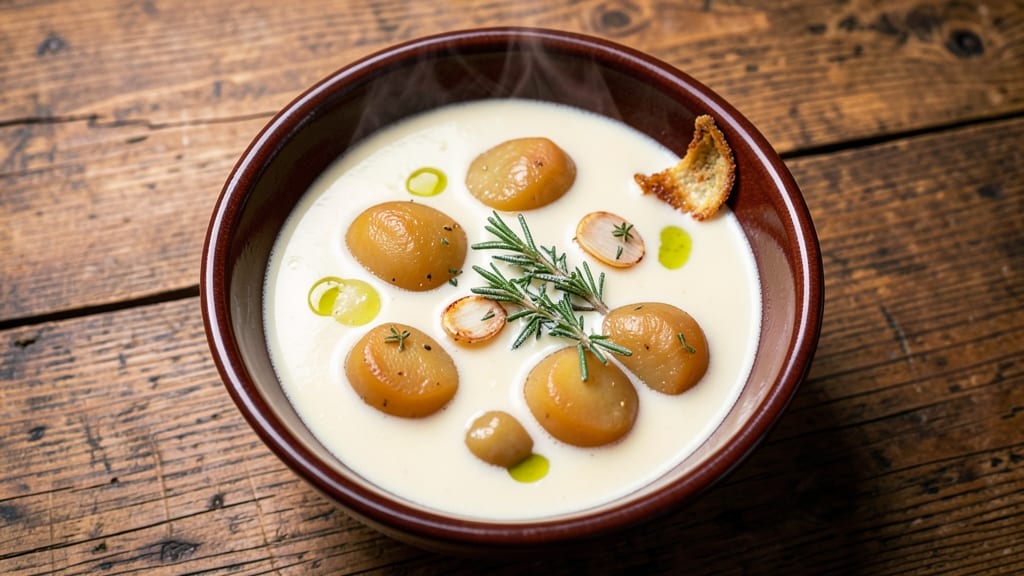
Transforming canned potatoes into a velvety, restaurant-worthy soup is simpler than you think—this recipe delivers creamy texture with herbaceous depth in under an hour. The secret lies in balancing canned potatoes with broth and cream, then blending just enough to achieve that signature smoothness without losing rustic character.
I developed this version after realizing store-bought canned potatoes could be the foundation for something truly special when paired with the right technique.
What sets this recipe apart is the two-stage cooking process: simmering the potatoes in broth until tender, then blending only half for texture contrast. Adding fresh thyme, rosemary, and a touch of garlic transforms simple canned ingredients into a soup with complex flavor.
The result? A velvety base with pockets of rustic potato chunks—creamy yet satisfying, with every spoonful packed with herbaceous warmth.
This soup is foolproof for weeknight dinners but impressive enough for company—ready in 30 minutes with minimal prep. The velvety creaminess comes from a blend of broth and heavy cream, while the herbs elevate it from basic to restaurant-quality.
Garnish with crispy bacon bits or fresh parsley for extra depth, or keep it simple with a drizzle of olive oil and cracked black pepper.
Perfect for chilly evenings, potlucks, or meal prep, this soup scales effortlessly for crowds while maintaining its velvety texture. The best part? You can customize it with smoked paprika for a smoky twist or swap the herbs for fresh dill if you prefer.
Let’s get cooking—your taste buds will thank you.
Ingredients for canned potato soup
Canned potatoes plus a handful of fresh herbs create this velvety, restaurant-style soup in under an hour.
| Ingredient | Amount | Notes |
|---|---|---|
| Canned Potatoes 🥔 | 2 cans | 15 oz each, drained |
| Chicken Broth 💧 | 4 cups | Low-sodium preferred |
| Heavy Cream 🥛 | 1 cup | Full-fat for creaminess |
| Fresh Thyme Sprigs 🌿 | ¼ cup | Or 1 tbsp dried thyme |
| Fresh Rosemary 🌿 | 1 tbsp | Chopped, stems removed |
| Garlic Cloves 🧄 | 3 cloves | Peeled, minced |
| Extra-Virgin Olive Oil 🫒 | 2 tbsp | For sautéing garlic |
| Diamond Crystal Kosher Salt 🧂 | 1 ½ tsp | Adjust to taste |
| Freshly Ground Black Pepper 🌶️ | ½ tsp | Cracked over top |
| Crispy Bacon Bits 🥓 | ¼ cup | Optional garnish |
| Fresh Parsley 🌿 | 0.1 cup | Chopped, for garnish |
| Smoked Paprika 🌶️ | ½ tsp | Optional smoky twist |
| Fresh Dill 🌿 | 0.1 cup | Optional herb swap |
The canned potatoes are the star—look for brands like Idahoan or Red La Salsa for the best texture. Fresh herbs make all the difference here, so grab thyme and rosemary from the grocery store's produce section (they usually sell them in little bunches). If you're short on time, dried thyme works in a pinch, but fresh gives that herbaceous depth we're aiming for. The garlic should be freshly minced—pre-minced from jars lacks that aromatic punch. For the broth, low-sodium options like Swanson or Pacific Foods keep the flavors balanced without needing extra salt later. And trust me on the heavy cream—full-fat version gives the best velvety texture.
No fresh thyme? Dried works at one-third the amount—just make sure it's labeled culinary-grade. Swapping rosemary for dill is a great idea if you love that bright, fresh flavor—it changes the vibe completely. Short on bacon bits? Toasted breadcrumbs or crispy fried shallots add a nice crunch. The smoked paprika is optional but adds a smoky depth that pairs perfectly with the creamy potatoes. If you're watching calories, you can swap half the heavy cream for Greek yogurt or coconut milk, though the texture will be slightly lighter. And if you're using canned potatoes with skin, don't peel them—the skins add rustic texture to the blended portions.
This soup tastes even better the next day—the flavors meld beautifully when reheated. Store leftovers in an airtight container in the fridge for up to 5 days, or freeze for 3 months. I like to portion it into containers ahead of time so it's ready for quick lunches. The bacon bits and parsley can be added fresh when serving, so don't worry about storing them separately. For meal prep, double the recipe and freeze half—it reheats like a dream. And if you're making this for a crowd, scale up the broth and potatoes proportionally while keeping the cream and herbs at the same ratio for balance.
Why You'll Love This Recipe
- Here’s what sold me: heavy cream makes it luscious, but the rosemary and thyme cut through the richness like a cool breeze. It’s velvety, sure, but not cloying. I’ll be real: I’ve burned toast and still polished off the leftovers the next day. That’s the test of a good soup.
- No-Fuss Pantry Magic: I swear by this when I’m staring at a half-empty cupboard and a fridge full of wilting veggies. Three ingredients—canned potatoes, broth, and cream—turn into something richer than homemade in 15 minutes. The secret? Those little thyme sprigs tucked into the simmering broth—suddenly, it’s not just soup, it’s something.
- Creamy Without the Guilt: Here’s what sold me: heavy cream makes it luscious, but the rosemary and thyme cut through the richness like a cool breeze. It’s velvety, sure, but not cloying. I’ll be real: I’ve burned toast and still polished off the leftovers the next day. That’s the test of a good soup.
- Weeknight to Potluck: I make this when I’m too tired to chop onions (yes, even on a Tuesday night) and it still impresses guests. Double the batch, freeze half, and you’ve got a backup for sick days or last-minute dinner parties. The canned potatoes keep it foolproof—no one’s judging if the edges aren’t perfectly even.
Step-by-step instructions for creamy canned potato soup
Here's how to transform simple canned potatoes into a restaurant-worthy, velvety soup with layers of herbaceous depth.
Sauté Aromatics for Herbaceous Foundation
Heat the 2 tablespoons extra-virgin olive oil in a large pot over medium heat. Add the 3 minced garlic cloves and cook for 30 seconds until fragrant but not browned—this prevents bitterness. Add the 1 tablespoon chopped fresh rosemary and ¼ cup fresh thyme sprigs, stirring constantly for 1 minute until the herbs release their aromatic oils.
The key here is patience—don't let the garlic color. You'll know it's ready when the kitchen fills with that piney, earthy aroma. These herbs form the flavor backbone of your soup, so take your time with this step. If using dried herbs, reduce to 1 teaspoon each and add them directly with the broth.
Build the Broth Base
Pour in the 4 cups chicken broth and bring to a gentle simmer over medium-high heat. Add the 1.5 teaspoons diamond crystal kosher salt and ½ teaspoon freshly ground black pepper, stirring to dissolve completely. The broth should taste seasoned but not overwhelming—you'll be adding more flavor layers.
Here's where the magic begins: add the 2 cans drained canned potatoes (cut into ½-inch chunks for even cooking) and ½ teaspoon smoked paprika. Stir gently to combine, then reduce heat to medium-low. Let the soup simmer uncovered for 10 minutes, stirring occasionally, until the potatoes begin to soften and release their starch into the broth.
Create Velvety Texture with Cream
Remove the pot from heat and let it cool slightly for 2 minutes—this prevents the heavy cream from curdling when added. Using an immersion blender (or carefully transferring to a countertop blender), blend about half the soup until completely smooth. Return the blended portion to the pot and stir vigorously.
Now add the 1 cup heavy cream and stir gently. Return the pot to low heat and simmer for 5-7 minutes until the soup reaches 190°F and thickens to a luxurious, creamy consistency. You're looking for a texture that coats the back of a spoon without being gluey—this is where the soup's velvety character develops.
Finish with Fresh Herbs and Garnish
Remove from heat and stir in the ¼ cup crispy bacon bits, ¼ cup chopped fresh parsley, and ¼ cup chopped fresh dill. These final additions brighten the soup with fresh, vibrant flavors that cut through the richness of the cream. Taste and adjust seasoning—you might need a pinch more salt or pepper to balance the fresh herbs.
Ladle the soup into bowls and garnish with additional crispy bacon bits and a sprinkle of fresh parsley. Serve immediately with crusty bread to soak up every last drop of that creamy, herb-infused broth. The contrast between the warm soup and cool garnishes makes each bite feel like a comforting hug on a chilly day.
Pro Tips For Making Canned Potato Soup
- Drain and Rinse Potatoes: Canned potatoes hold more starch than you’d think—drain them first, then give them a quick cold-water rinse. This keeps your soup from turning gluey later, especially when you add the heavy cream.
- Simmer, Don’t Boil: Low heat is your friend here. If you let this soup boil hard, the cream will curdle faster and the potatoes will turn mushy. Keep it at a gentle simmer—think small bubbles, not a rolling pot.
- Toast the Herbs First: Strip the thyme leaves and finely chop the rosemary before adding them to the pot. Toss them in a dry pan for 30 seconds until fragrant—that extra aroma makes a real difference, and it prevents them from turning bitter in the soup.
- Add Cream Last: Heavy cream breaks down fast in heat. Stir in the cream only in the final 2 minutes of cooking, then remove from heat immediately. If you’re worried about lumps, whisk it in off the heat—smooth every time.
Pro cooking tips for this dish
Herb Infusion Mastery
Fresh herbs are the secret weapon in this soup—never skip them! I recommend using thyme and rosemary because their earthy, piney notes complement the creaminess beautifully. For maximum flavor, bruise the herbs by gently crushing them between your fingers before adding to the pot.
This releases their essential oils and intensifies their aroma. If you're using dried herbs, reduce the amount to 1 teaspoon per ¼ cup fresh and add them directly with the broth. 🌿
Temperature Control
Maintaining the right temperature is critical for velvety texture. When adding the heavy cream, remove the pot from heat first and let it cool slightly for 2 minutes—this prevents curdling. After blending half the soup, return it to low heat and simmer until it reaches 190°F.
Use a thermometer to monitor this—overheating can cause the cream to separate. The goal is a gentle simmer, not a rolling boil.
Blending Technique
Only blend half the soup for the perfect texture contrast. Use an immersion blender for convenience—it keeps everything in the pot and prevents mess. If using a countertop blender, work in batches and return the blended portion to the pot immediately.
For a smoother texture, strain the blended portion through a fine-mesh sieve before mixing back in. This removes any potato skins or herb stems that might make the soup gritty. 💫
Cream Consistency
The heavy cream is what transforms this soup from ordinary to extraordinary. For the best results, use full-fat cream—it emulsifies better and creates a richer texture. If you're watching calories, substitute ½ cup Greek yogurt or coconut milk, but expect a slightly lighter consistency.
Stir the cream in gently over low heat to prevent lumps. The soup should coat the back of a spoon but remain pourable—this is the ideal velvety texture.
Potato Chunk Size
Cutting the canned potatoes into ½-inch chunks ensures even cooking and prevents a mushy texture. Larger chunks stay intact for rustic appeal, while smaller pieces break down into the broth, thickening it naturally.
If your canned potatoes have skins, leave them on—they add subtle earthiness and visual contrast to the creamy broth. For extra rustic texture, reserve a few whole chunks to use as garnish after serving.
Final Seasoning
Taste your soup before adding garnishes—this is when you can adjust seasoning most effectively. The fresh herbs and bacon bits will brighten the flavors, so you might need an extra pinch of salt or black pepper to balance them.
I like to finish with a crack of black pepper and a drizzle of extra-virgin olive oil—this adds a luxurious touch. The soup should taste rich but not heavy, with a perfect harmony of creamy, herby, and slightly smoky notes. ✨
Nutrition facts
Frequently asked questions
Can I make this soup without blending half of it?
For a rustic texture, skip blending entirely and just mash some potatoes with a potato masher. This creates a heartier, chunkier soup that still feels comforting. The key is to cut the potatoes into even ½-inch chunks before simmering for consistent texture.
What if I don't have fresh herbs?
Use dried herbs instead—reduce to 1 teaspoon per ¼ cup fresh (so ½ teaspoon dried thyme and ½ teaspoon dried rosemary). For extra depth, add a pinch of smoked paprika or a bay leaf while simmering. The flavor won't be identical, but it'll still taste delicious.
Can I make this soup ahead of time?
Yes! This soup tastes even better the next day. Store leftovers in an airtight container in the fridge for up to 5 days or freeze for 3 months. Reheat gently on the stove over low heat, stirring frequently, until warmed through. Add fresh herbs and bacon bits just before serving to keep them crisp.
How can I make this soup lighter?
Swap ½ cup of the heavy cream for ½ cup Greek yogurt or coconut milk to reduce calories while keeping it creamy. You can also use low-fat milk instead of broth for a lighter base, though the texture will be slightly thinner. Add a splash of lemon juice at the end to brighten the flavors.
Why did my soup get grainy after blending?
Graininess usually happens when potato skins or herb stems aren't fully broken down. For smoother results, strain the blended portion through a fine-mesh sieve before mixing back in. Also, ensure you're blending half the soup thoroughly—don't rush this step! If it still looks grainy, blend again for 10-15 seconds more.