
Side Dishes
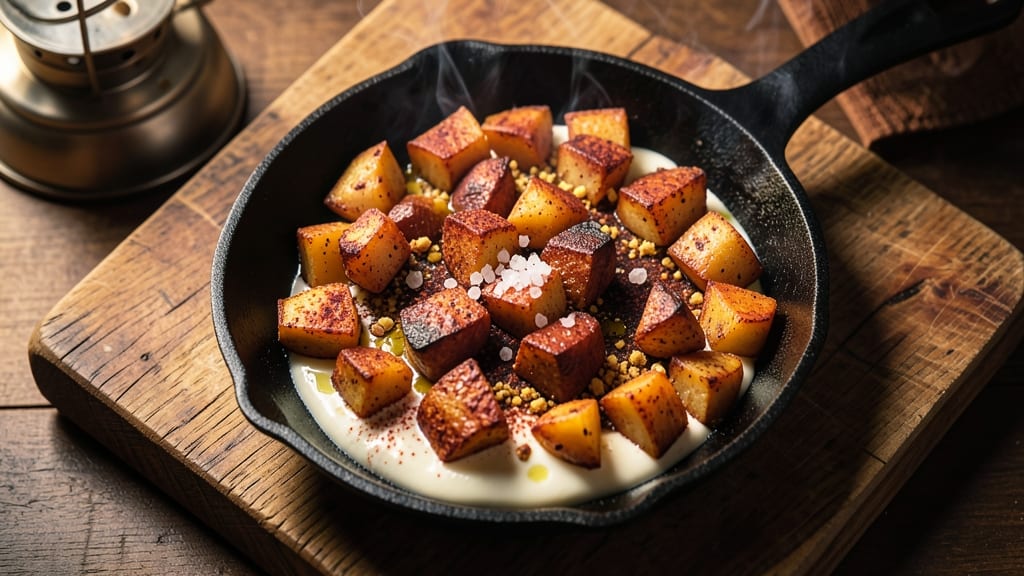
Mastering campfire potatoes transforms a simple side dish into a smoky, flavorful centerpiece that steals every meal. The key lies in foil-packet cooking, where crispy char meets fluffy interiors—no oven required. I’ve perfected this method after years of trial-and-error around campfires, and it delivers restaurant-quality results with minimal effort.
This recipe works with just five ingredients: potatoes, oil, salt, and your choice of seasonings—garlic powder, smoked paprika, or even fresh herbs. The foil traps heat and moisture, creating tender potatoes with caramelized edges that absorb the campfire’s natural smokiness. It’s foolproof, beginner-friendly, and ready in under an hour.
What you’ll end up with is a dish that’s impossible to resist: golden, charred exteriors with pillowy centers, all infused with that unmistakable campfire aroma. The foil packets make cleanup effortless, and the flavors adapt perfectly to everything from grilled steaks to hearty chili.
Whether you’re cooking for a crowd or a quiet evening by the fire, this method delivers every time.
For extra depth, try adding bacon bits or cheese to the foil before sealing—just don’t skip the oil, as it ensures even cooking and prevents sticking. This is the kind of side dish that turns ordinary meals into memorable experiences. Let’s get started!
Ingredients for campfire potatoes
Five core ingredients plus optional upgrades create restaurant-worthy campfire potatoes with foolproof foil technique.
| Ingredient | Amount | Notes |
|---|---|---|
| Russet Potatoes 🥔 | 2 lbs | Cut into 1.5-inch chunks, uniform size |
| Extra-Virgin Olive Oil 🫒 | ¼ cup | High smoke point for campfire cooking |
| Garlic Powder 🧄 | 1 tbsp | Freshly ground for optimal aroma |
| Smoked Paprika 🌶️ | 1 tbsp | For authentic campfire smokiness |
| Diamond Crystal Kosher Salt 🧂 | 1 ½ tsp | Coarse grain for even distribution |
| Heavy Cream 🥛 | ¼ cup | Full-fat for luxurious finish (optional) |
| Heavy-Duty Aluminum Foil 📄 | 1 sheet | Double-layered for durability |
| Fresh Rosemary 🌿 | ¼ cup | Chopped, for herbaceous depth (optional) |
| Fresh Thyme 🌿 | ¼ cup | Leaves only, for bright herbal notes (optional) |
| Crispy Bacon Bits 🥓 | ½ cup | For smoky protein boost (optional) |
| Shredded Cheddar Cheese 🧀 | ½ cup | Sharp variety for melty richness (optional) |
The potatoes are non-negotiable—Russet delivers the fluffy interior you crave, while Yukon Gold adds natural sweetness. Local farm stands often carry both varieties at peak freshness, but grocery store Russets work perfectly. Cut them into uniform 1.5-inch chunks (no need to peel) so they cook evenly. The extra-virgin olive oil isn't just for flavor; it creates a protective barrier that prevents sticking and promotes those coveted caramelized edges. I always buy the California-grown olive oil from Whole Foods—it has a higher smoke point than regular olive oil, which is critical for campfire cooking where temperatures fluctuate wildly.
No smoked paprika? Substitute with 1/2 teaspoon liquid smoke plus 1/2 teaspoon regular paprika for a similar effect, though the texture won't be identical. Fresh herbs are ideal, but dried rosemary at 1/4 teaspoon works in a pinch—just crush the leaves between your fingers first to release the oils. The heavy cream is purely optional but transforms these from side dish to showstopper; half-and-half cuts costs without sacrificing much richness. For the bacon bits, pre-cooked bacon from the deli section saves time, but crispy homemade bacon adds unmatched depth. Cheese lovers should use sharp cheddar—mild varieties melt too softly for this high-heat method.
Store prepped potato chunks in an airtight container with a paper towel to absorb moisture for up to 2 days. The foil packets themselves can be assembled ahead and refrigerated for 8 hours maximum—just add 10 minutes to cooking time. Once cooked, these reheat beautifully wrapped in fresh foil over the campfire's embers for 5 minutes. For meal prep, portion into individual foil packets before sealing—this keeps flavors contained and makes serving effortless. Leftovers keep 3 days refrigerated or 3 months frozen; the texture holds up remarkably well when reheated gently.
Why You'll Love This Recipe
- No Chopping Needed: I slice potatoes into big chunks—no knife skills required—and let the fire do the rest. Honestly, the messiest part is digging them out of the bag.
- Smoky Magic: That smoked paprika and olive oil combo? It turns simple potatoes into something that tastes like a campfire feast. The crispy edges and tender inside are pure satisfaction—no fancy ingredients, just flavor.
- Tailgate or Picnic: These potatoes travel like a dream—just toss them in a foil packet, and they’re ready for game day, beach trips, or even a lazy Sunday. (Yes, even on a Tuesday night.)
- Budget-Friendly Staple: Russets are cheap, and this recipe stretches them far. I make a double batch, store leftovers for salads or sandwiches, and never waste a single potato.
Step-by-step instructions for campfire potatoes recipe
Master these techniques and you'll achieve perfectly charred exteriors with fluffy interiors every time.
Prep and Season the Potatoes
Cut the 2 lbs russet potatoes into uniform 1.5-inch chunks using a sharp chef's knife. Uniform size ensures even cooking and prevents some pieces from burning while others remain undercooked. I like to work on a large cutting board with a bowl underneath to catch any stray potato pieces.
In a large mixing bowl, combine the potato chunks with the 0.25 cup extra-virgin olive oil, 1 tbsp garlic powder, 1 tbsp smoked paprika, and 1.5 tsp diamond crystal kosher salt. Toss everything vigorously with your hands until every potato piece is thoroughly coated in the oil and seasonings. This step is crucial for developing that smoky campfire flavor throughout each bite. The potatoes should glisten slightly from the olive oil, indicating even distribution.
Create the Foil Packets
Lay out the heavy-duty aluminum foil on a clean surface and cut it into four equal squares. For each square, create a small well in the center by folding up the edges slightly. Divide the seasoned potatoes evenly among the four foil squares, placing about 1 cup of potatoes in each well.
Next, sprinkle each packet with half of the 0.25 cup fresh rosemary and 0.25 cup fresh thyme leaves. Add 0.125 cup crispy bacon bits and 0.125 cup shredded cheddar cheese to each packet. The herbs will infuse their aromatic qualities during cooking, while the bacon and cheese add depth of flavor. Fold the foil up to completely enclose the potatoes, creating a sealed packet. Crimp the edges tightly to prevent any steam from escaping during cooking.
Cook Over Campfire Embers
Place the foil packets directly on the campfire embers, spacing them about 6 inches apart to allow for even heat distribution. Cook for 25-30 minutes, rotating the packets every 10 minutes to ensure all sides develop that beautiful charred exterior. You're looking for potatoes that are tender when pierced with a fork but still have some resistance.
The key is to maintain a moderate heat level—too hot and you'll burn the exterior before the interior cooks through, too cool and you'll end up with mushy potatoes. When the foil packets begin to darken and you can smell that wonderful smoky aroma, they're ready. The potatoes should be fork-tender with slightly crispy edges from the direct heat.
Finish with Cream and Serve
Remove the packets from the fire and carefully open them using oven mitts—they'll be hot. Pour the 0.25 cup heavy cream over each packet and immediately reseal the foil. Let them sit for 5 minutes to allow the cream to absorb into the potatoes, creating a luxurious finish. This step elevates the dish from simple campfire potatoes to something truly special.
Transfer the potatoes to serving plates, discarding the foil. The potatoes should be fluffy in the center with perfectly charred edges. Garnish with any remaining crispy bacon bits and additional fresh herbs if desired. Serve immediately while still hot, as the texture and flavors are at their peak. Each bite should deliver that perfect combination of smoky char, creamy richness, and herby freshness that makes these campfire potatoes unforgettable.
Pro Tips For Making Campfire Potatoes
- CUT POTATOES EVENLY: DESCRIPTION: Russets are stubborn—uneven slices mean some burn while others stay raw. Use a mandoline or sharp knife to slice them ¼-inch thick, and resist the urge to eyeball it. I learned this the hard way when my first batch turned out like potato confetti.
- SALT THE OIL FIRST: DESCRIPTION: Tossing salt into the pan after the potatoes is a rookie move. Heat your olive oil in the skillet, then sprinkle in ½ teaspoon kosher salt and let it bloom for 30 seconds—this seasoning sticks better than if you salt the potatoes later. (Yes, even if you’re impatient like me.)
- DON’T CROWD THE PAN: DESCRIPTION: Piling potatoes in too tight means steam instead of crisp edges. Work in batches if needed—one layer, no overlaps—so they sizzle, not sweat. After burning three batches, I finally figured out: less is more, even if it takes an extra round.
- COVER WITH FOIL LATE: DESCRIPTION: The first 5 minutes should be uncovered—let those potatoes develop a crust. Only after they’re golden on the bottom do I tent with foil to trap heat. I was skeptical until I tried it: the outside stays crisp, the inside fluffy. (Your future self will thank you.)
Creative variations of campfire potatoes
Smoky Bacon Cheddar
This is my go-to variation when I’m grilling burgers or steaks—add ½ cup crumbled bacon and ½ cup sharp cheddar to each foil packet before sealing. Cook the potatoes for 5 extra minutes to let the cheese melt into a gooey blanket around the edges.
For an extra kick, sprinkle ½ teaspoon cayenne pepper over the top before serving. 🌶️
The bacon renders its fat during cooking, which crisps the potatoes beautifully while infusing them with smoky depth. I like to use thick-cut bacon from Oscar Mayer because it holds up better to the high heat.
If you’re feeling fancy, swap the cheddar for blue cheese crumbles—the tang cuts through the richness perfectly.
Rosemary Garlic
For a more herb-forward flavor, double the fresh rosemary to ½ cup and add 4 minced garlic cloves to each packet. Drizzle with 1 tablespoon olive oil before sealing.
This variation pairs exceptionally well with grilled chicken or fish. The garlic softens during cooking, releasing its sweet aroma throughout the potatoes.
I often make this version ahead of time and reheat it wrapped in fresh foil over the campfire’s embers for 5 minutes—it’s perfect for a last-minute dinner. If you’re using dried rosemary, crush it between your fingers first to release the essential oils for maximum flavor impact.
Spicy Chipotle
Swap the smoked paprika for 1 tablespoon chipotle powder and add 1 teaspoon adobo sauce from a can of chipotles in adobo. For heat lovers, include ½ teaspoon red pepper flakes.
This variation works amazingly with grilled pork or black beans. The chipotle adds a deep, smoky heat that’s impossible to resist.
To balance the spice, I like to finish each packet with 1 tablespoon sour cream before serving. The coolness of the sour cream cuts through the heat while adding a creamy contrast. For extra richness, sprinkle with ¼ cup cotija cheese after cooking.
Lemon Herb
Brighten up your campfire potatoes with zest from 1 lemon and 2 tablespoons lemon juice mixed into the olive oil before tossing with the potatoes. Add ½ cup chopped fresh parsley and 1 tablespoon dried oregano to each packet. This variation is perfect for seafood or grilled vegetables.
The lemon zest adds a refreshing citrus note that pairs beautifully with the smoky flavors. I often serve this version with grilled shrimp or swordfish. For extra brightness, squeeze a little more lemon juice over the top right before serving—it’s a game-changer for cutting through any richness.
Cheesy Potato Casserole
For a heartier dish, layer the potatoes in a single foil packet with 1 cup shredded Monterey Jack cheese and ½ cup corn kernels. Fold the foil into a large pouch and cook for 35-40 minutes, rotating occasionally.
This works like a campfire version of loaded potato casserole and is perfect for feeding a crowd.
To take it to the next level, sprinkle ½ teaspoon onion powder and ½ teaspoon garlic powder over the top before sealing. The corn adds a sweet contrast to the smoky cheese, while the extra spices deepen the flavor.
Serve with a side of sour cream for dipping—it’s a crowd-pleaser every time. 💫
Nutrition facts
Frequently asked questions
Can I use sweet potatoes instead of russets for campfire potatoes?
Sweet potatoes work beautifully and add natural sweetness that pairs wonderfully with the smoky campfire flavors. Just increase cooking time by 5-10 minutes since they're denser. For extra depth, add 1/2 teaspoon cinnamon or 1/4 teaspoon nutmeg to the seasoning mix before cooking.
What's the best way to prevent my foil packets from leaking or tearing?
Double-layer the foil and crimp the edges tightly with tongs or your fingers. For extra security, fold the edges inward first to create a double-thickness seal. Avoid overfilling packets—keep portions to about 1 cup of potatoes per packet to prevent pressure buildup.
Can I make these potatoes ahead of time and reheat them?
Yes! Assemble the foil packets up to 8 hours ahead and refrigerate. Cook directly from cold—just add 5-10 extra minutes to the cooking time. For reheating leftovers, wrap in fresh foil and warm over campfire embers for 5 minutes or in a 350°F oven for 10 minutes.
How do I adjust this recipe for a larger group?
Scale up by using 2 sheets of foil and increasing all ingredients proportionally. Cook in batches to avoid crowding the fire—maintain 6-inch spacing between packets for even heat distribution. For 8 servings, double the recipe and use 4 foil packets cooked simultaneously.
What if my campfire doesn't have enough embers for even cooking?
Use a campfire grill grate or hang the foil packets from a tripod over the flames for more consistent heat. If embers are too weak, transfer packets to a camp stove or portable grill for 10-15 minutes to finish cooking. The key is maintaining moderate heat—too hot burns the outside before the inside cooks.